

How Suzuki Supports Communities

Contents
- 1 Key Takeaways
- 2 📑 Table of Contents
- 3 Empowering Education and Youth Development
- 4 Championing Environmental Sustainability
- 5 Advancing Road Safety and Public Awareness
- 6 Responding to Disasters and Humanitarian Crises
- 7 Strengthening Local Economies
- 8 Promoting Health, Wellness, and Community Spirit
- 9 Conclusion
- 10 Frequently Asked Questions




Suzuki supports communities through education, environmental action, and local partnerships. From funding schools to promoting road safety, their initiatives create lasting positive change worldwide.
When you think of Suzuki, you probably picture sleek motorcycles, reliable cars, or rugged all-terrain vehicles. But beyond the engines and exhaust notes, there’s a deeper story—one of connection, care, and commitment. Suzuki isn’t just building vehicles; it’s building communities. Across the globe, from rural villages in India to bustling cities in Japan, Suzuki supports communities in meaningful, lasting ways. Whether it’s through education, environmental action, or disaster relief, the company proves that corporate responsibility is more than a slogan—it’s a way of life.
What sets Suzuki apart is its hands-on approach. Instead of just writing checks, Suzuki employees often roll up their sleeves and get involved. They partner with local organizations, listen to community needs, and design programs that make a real difference. This isn’t about publicity—it’s about purpose. Suzuki believes that strong communities lead to strong businesses, and that philosophy drives everything they do. From funding schools to planting trees, their efforts reflect a deep respect for people and planet.
Key Takeaways
- Education and youth development: Suzuki funds scholarships, STEM programs, and vocational training to empower the next generation.
- Environmental sustainability: The company invests in green manufacturing, electric vehicles, and community clean-up drives.
- Road safety campaigns: Suzuki runs global programs to teach safe driving habits, especially for young and new drivers.
- Disaster relief and humanitarian aid: Suzuki provides vehicles, funds, and volunteers during natural disasters and emergencies.
- Supporting local economies: Through dealership networks and small business partnerships, Suzuki boosts local job creation.
- Community health and wellness: Health camps, mobile clinics, and fitness initiatives improve public well-being in underserved areas.
- Cultural and sports sponsorships: Suzuki promotes local arts, music, and sports to strengthen community identity and pride.
📑 Table of Contents
Empowering Education and Youth Development
One of the most powerful ways Suzuki supports communities is by investing in education. The company understands that knowledge is the foundation of progress, and they’re committed to giving young people the tools they need to succeed. This isn’t just about handing out textbooks—it’s about creating opportunities.
Scholarships and Financial Aid
In countries like India, the Philippines, and Indonesia, Suzuki offers scholarships to students from low-income families. These aren’t small token amounts—they cover tuition, books, and even living expenses. For example, the Suzuki Motorcycle India Scholarship Program has helped hundreds of students pursue degrees in engineering, business, and healthcare. Many of these students go on to become leaders in their fields, creating a ripple effect of positive change.
But Suzuki doesn’t stop at financial support. They also provide mentorship programs, connecting students with Suzuki engineers and managers who offer career advice and real-world insights. This kind of guidance can be life-changing, especially for first-generation college students who may not have role models in professional careers.
STEM and Vocational Training
Suzuki knows that not every student wants to go to university—and that’s okay. That’s why they’ve launched vocational training centers in several countries. These centers teach practical skills like motorcycle repair, automotive mechanics, and electrical wiring. Students graduate with certifications that make them job-ready, often landing positions at Suzuki dealerships or other local businesses.
In Thailand, for instance, the Suzuki Technical Training Center has trained over 1,200 students in the past five years. Many of them now run their own repair shops, contributing to the local economy. It’s a win-win: Suzuki builds a skilled workforce, and communities gain self-reliant entrepreneurs.
School Infrastructure and Learning Tools
Sometimes, the biggest barrier to education isn’t money—it’s access. In remote areas of Vietnam and Bangladesh, Suzuki has helped build schools, repair classrooms, and install clean water systems. They’ve also donated computers, science kits, and library books to under-resourced schools.
One standout project is the “Suzuki Smart Classroom” initiative in rural India. These digital classrooms use tablets and interactive whiteboards to make learning more engaging. Teachers report higher attendance and better test scores, proving that a little innovation can go a long way.
Championing Environmental Sustainability
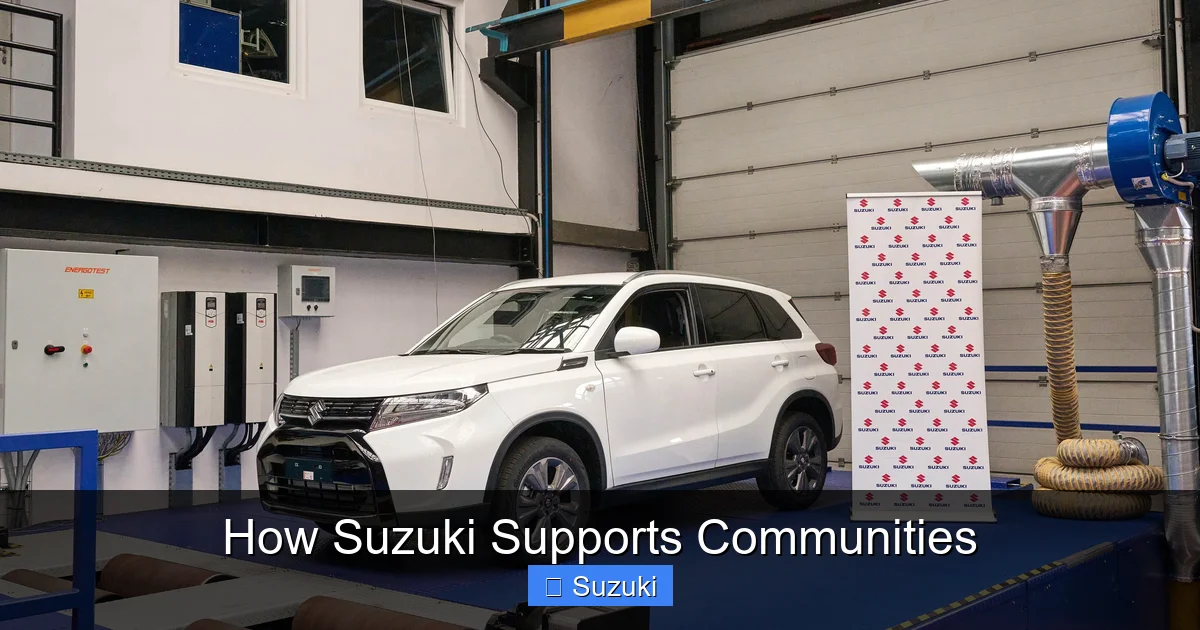
Visual guide about How Suzuki Supports Communities
Image source: suzuki.hu
Suzuki supports communities not just by helping people, but by protecting the planet they live on. Climate change affects everyone, especially vulnerable populations. That’s why Suzuki has made environmental sustainability a core part of its community outreach.
Green Manufacturing and Clean Energy
Suzuki’s factories are designed with the environment in mind. In Japan, their plants use solar panels and energy-efficient systems to reduce carbon emissions. In India, the Manesar plant recycles 98% of its water and runs on renewable energy. These efforts don’t just help the planet—they set an example for other companies.
But Suzuki doesn’t keep these practices behind factory walls. They share their green technologies with local communities. For example, they’ve installed solar-powered streetlights in villages near their manufacturing sites. These lights improve safety and reduce reliance on fossil fuels.
Reforestation and Tree Plantation Drives
Trees are essential for clean air, soil health, and biodiversity. Suzuki organizes large-scale tree-planting events every year. In 2023 alone, they planted over 500,000 trees across Asia and Africa. Employees, dealers, and local volunteers all pitch in, turning these events into community celebrations.
In the Philippines, Suzuki partnered with the Department of Environment and Natural Resources to restore mangrove forests. Mangroves protect coastlines from storms and provide habitats for marine life. By involving local fishermen in the planting process, Suzuki ensured the project had long-term support.
Promoting Electric and Eco-Friendly Vehicles
Suzuki is leading the charge toward sustainable transportation. Their electric scooters and hybrid cars reduce emissions and help communities breathe easier. In cities like Jakarta and Manila, where air pollution is a major health concern, Suzuki’s eco-vehicles offer a cleaner alternative.
But they don’t just sell these vehicles—they educate people about them. Suzuki runs workshops to explain the benefits of electric mobility, from lower fuel costs to reduced noise pollution. They also offer test rides and incentives to encourage adoption.
Advancing Road Safety and Public Awareness
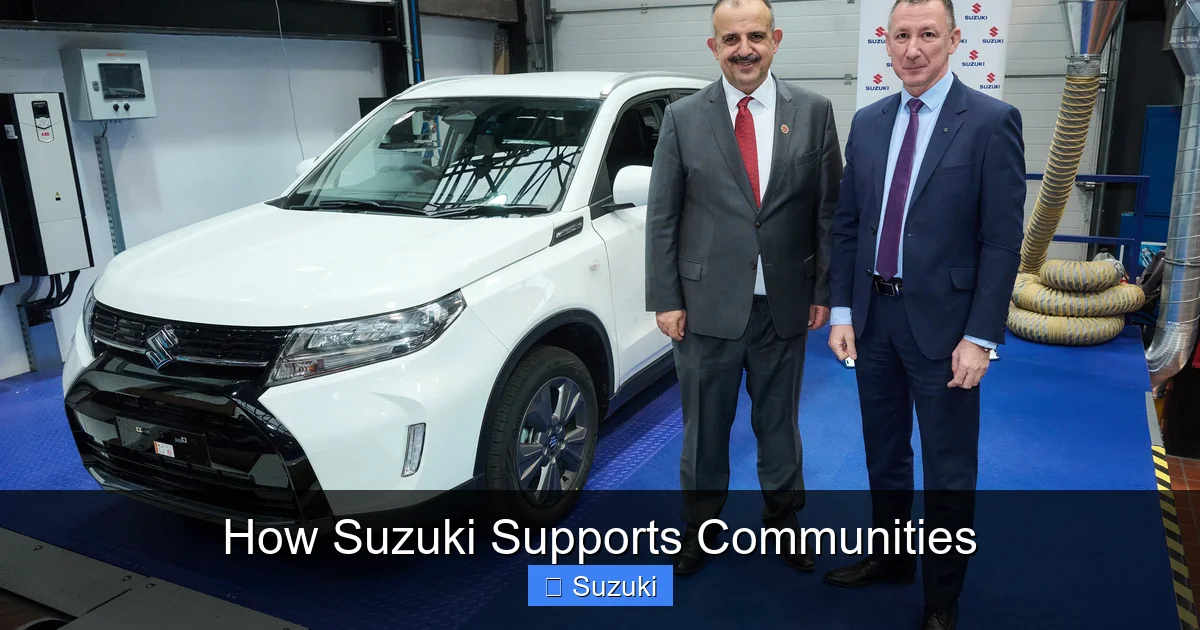
Visual guide about How Suzuki Supports Communities
Image source: suzuki.hu
Road accidents are a leading cause of death worldwide, especially among young people. Suzuki takes this issue seriously and has launched numerous road safety programs to protect communities.
Driver Education and Training
Suzuki believes that safe driving starts with education. That’s why they offer free driving courses for new riders and drivers. These courses cover everything from basic vehicle handling to defensive driving techniques.
In Malaysia, the Suzuki Safe Riding Program has trained over 10,000 motorcyclists. Participants learn how to avoid skids, navigate traffic, and respond to emergencies. The program also includes helmet safety checks and free helmet distributions.
Community Road Safety Campaigns
Suzuki doesn’t just train individuals—they raise awareness across entire communities. They organize road safety weeks, distribute educational materials, and partner with schools to teach children about traffic rules.
In Kenya, Suzuki worked with local police to install speed bumps and warning signs near schools. They also launched a campaign called “Slow Down for Kids,” encouraging drivers to reduce speed in residential areas. As a result, child pedestrian accidents dropped by 30% in targeted zones.
Supporting Emergency Response
When accidents happen, quick response can save lives. Suzuki supports emergency services by donating vehicles and equipment. In Nepal, they provided ambulances to rural clinics, cutting response times in half. In Japan, they’ve equipped fire departments with all-terrain vehicles for mountain rescues.
These contributions aren’t just about charity—they’re about building safer, more resilient communities.
Responding to Disasters and Humanitarian Crises
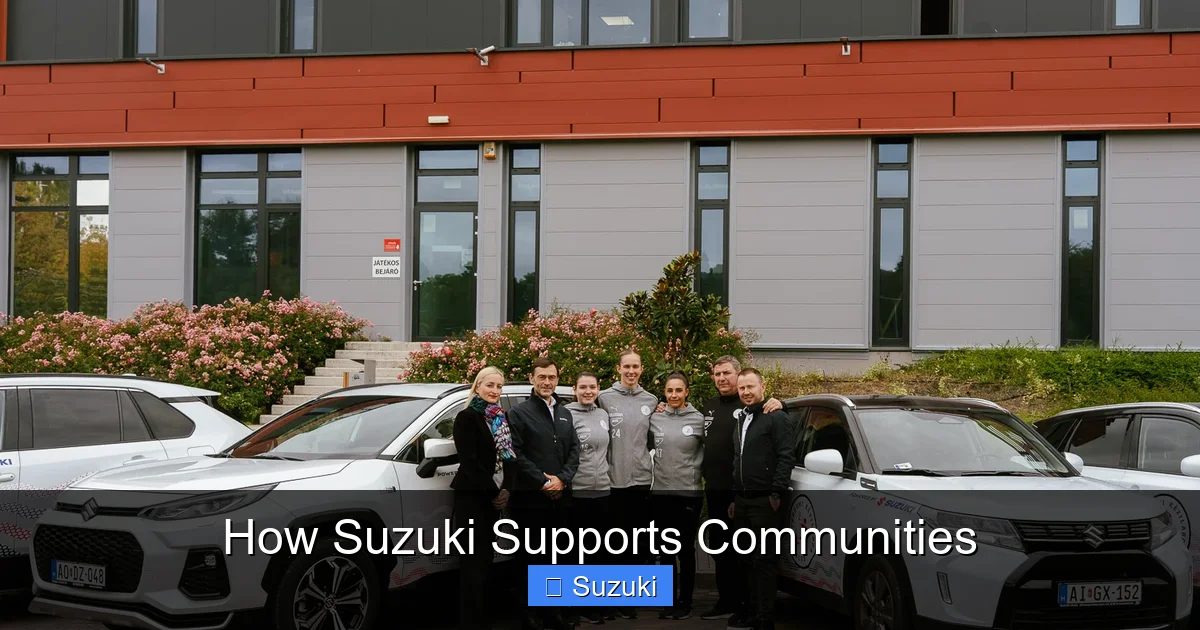
Visual guide about How Suzuki Supports Communities
Image source: suzuki.hu
Natural disasters can devastate communities in minutes. When earthquakes, floods, or typhoons strike, Suzuki is often among the first to respond.
Immediate Relief and Recovery
Suzuki has a rapid-response team that mobilizes during emergencies. They provide food, water, shelter, and medical supplies to affected areas. In 2022, when floods hit Pakistan, Suzuki donated 500 motorcycles to relief workers, helping them reach isolated villages.
They also set up temporary shelters and mobile kitchens. In the Philippines, after Typhoon Rai, Suzuki volunteers served over 10,000 meals in just one week.
Long-Term Rebuilding Efforts
Disaster recovery doesn’t end when the news cameras leave. Suzuki stays involved for the long haul. They help rebuild homes, schools, and hospitals. In Japan, after the 2011 tsunami, Suzuki funded the reconstruction of a community center in Ishinomaki. The center now serves as a hub for local activities and support services.
They also support psychological recovery. Trauma counseling and community healing programs help people cope with loss and rebuild their lives.
Employee Volunteer Programs
Suzuki employees are encouraged to volunteer during crises. The company offers paid leave for disaster relief work and matches employee donations. This culture of giving strengthens team bonds and deepens community ties.
In Indonesia, Suzuki staff helped clear debris and distribute supplies after a volcanic eruption. Their hands-on involvement made a big difference in the recovery effort.
Strengthening Local Economies
A strong community needs a strong economy. Suzuki supports local businesses and creates jobs through its extensive dealer and supplier network.
Dealership and Small Business Support
Suzuki dealerships are often locally owned and operated. By partnering with small business owners, Suzuki helps create stable jobs and stimulate economic growth. They provide training, marketing support, and financing options to help dealers succeed.
In rural areas of India, Suzuki has helped entrepreneurs open dealerships in towns that previously had no vehicle services. These businesses don’t just sell motorcycles—they offer repairs, parts, and customer support, becoming vital community hubs.
Supplier Development Programs
Suzuki works closely with local suppliers to boost manufacturing capabilities. They offer technical training and quality assurance support to help small factories meet international standards.
In Vietnam, Suzuki helped a local parts manufacturer upgrade its equipment and processes. The company now supplies components to Suzuki plants across Asia, creating dozens of jobs and increasing export revenue.
Women’s Empowerment Initiatives
Suzuki supports women entrepreneurs through targeted programs. In Bangladesh, they’ve trained women to become motorcycle mechanics—a traditionally male-dominated field. These women now run their own repair shops, earning income and gaining independence.
They also sponsor women’s cooperatives that produce accessories like seat covers and storage bags. These products are sold through Suzuki dealerships, creating a sustainable income stream.
Promoting Health, Wellness, and Community Spirit
Healthy communities are happy communities. Suzuki supports public health through medical camps, fitness programs, and wellness education.
Mobile Health Clinics
In remote areas with limited healthcare access, Suzuki operates mobile clinics. These vans are equipped with doctors, nurses, and basic medical supplies. They travel to villages, offering check-ups, vaccinations, and health screenings.
In Cambodia, Suzuki’s mobile clinic has served over 15,000 patients in the past three years. They’ve treated everything from infections to chronic conditions, often catching diseases early.
Fitness and Sports Programs
Suzuki believes in the power of physical activity. They sponsor local sports teams, build playgrounds, and organize fitness challenges.
In Japan, they host annual “Suzuki Run” events, where employees and community members run together for charity. The funds raised support children’s hospitals and youth sports programs.
They also promote cycling and walking as healthy, eco-friendly transportation options. In cities like Pune, India, Suzuki has helped create bike lanes and pedestrian zones.
Cultural and Arts Sponsorships
Culture brings people together. Suzuki supports local artists, musicians, and festivals. In Thailand, they sponsor traditional dance performances during Songkran. In the Philippines, they fund music workshops for young people.
These events celebrate local heritage and give artists a platform to shine. They also attract tourists, boosting the local economy.
Conclusion
Suzuki supports communities in more ways than most people realize. From education and environment to health and disaster relief, their efforts touch lives every day. They don’t just donate money—they build relationships, listen to needs, and take action.
What makes Suzuki’s approach special is its consistency and sincerity. These aren’t one-off projects; they’re long-term commitments. Whether it’s a student receiving a scholarship, a village getting clean water, or a family surviving a storm, Suzuki is there.
As consumers, we often choose brands based on quality and price. But we should also consider impact. When you buy a Suzuki, you’re not just getting a vehicle—you’re supporting a company that cares. And that makes all the difference.
Frequently Asked Questions
How does Suzuki support education in developing countries?
Suzuki supports education by offering scholarships, building schools, and funding STEM and vocational training programs. These initiatives help students from low-income families access quality education and gain job-ready skills.
What environmental initiatives does Suzuki run in local communities?
Suzuki runs tree-planting drives, installs solar-powered systems, and promotes electric vehicles. They also recycle water in their factories and educate communities about sustainable living.
Does Suzuki provide disaster relief?
Yes, Suzuki responds quickly to natural disasters by donating vehicles, supplies, and funds. They also support long-term recovery through rebuilding projects and mental health programs.
How does Suzuki promote road safety?
Suzuki offers free driving courses, distributes helmets, and runs public awareness campaigns. They also work with schools and police to improve traffic safety in high-risk areas.
What role do Suzuki employees play in community support?
Suzuki employees volunteer in disaster relief, mentor students, and participate in environmental clean-ups. The company encourages and supports their involvement through paid leave and matching donations.
How does Suzuki help local economies grow?
Suzuki supports small businesses through dealership networks, supplier development, and women’s empowerment programs. These efforts create jobs and stimulate local economic development.


