How Often Should You Drive a Car to Keep the Battery Charged
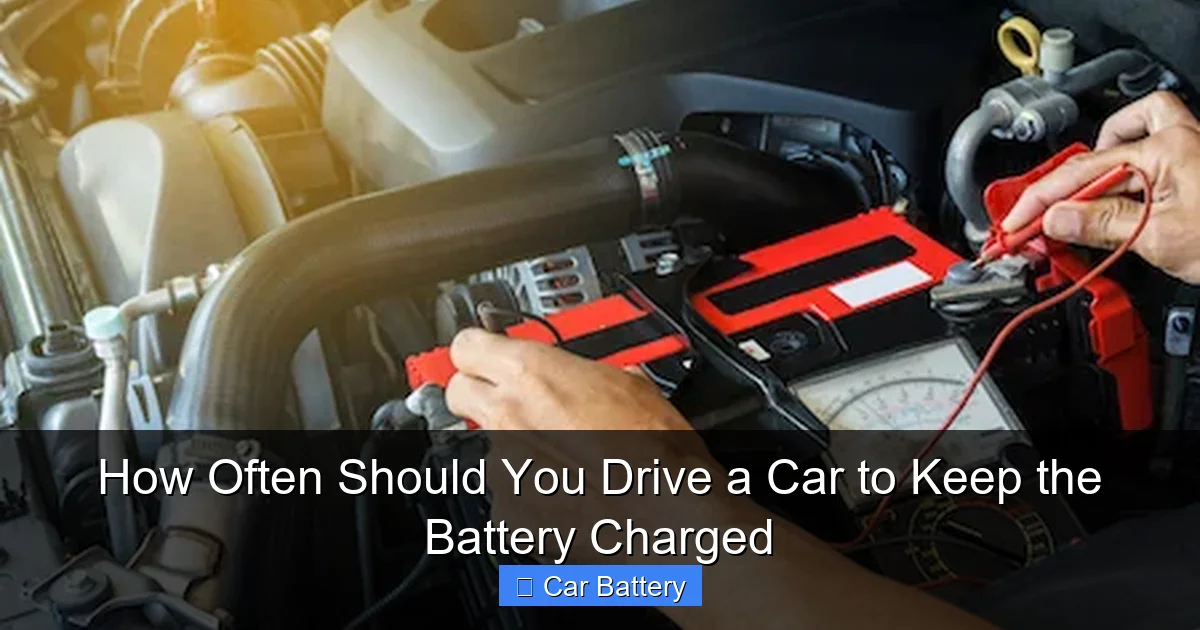
Regular driving helps keep your car battery charged, but how often is enough? Most experts recommend driving your vehicle at least once a week for 20–30 minutes to maintain a healthy charge. Short trips may not be sufficient, so longer drives or using a battery maintainer can prevent power loss and extend battery life.
In This Article
- 1 Key Takeaways
- 2 📑 Table of Contents
- 3 How Often Should You Drive a Car to Keep the Battery Charged
- 4 Understanding How Car Batteries Work
- 5 How Often Should You Drive to Maintain Battery Charge?
- 6 Factors That Affect Battery Drain and Charging Needs
- 7 Signs Your Battery Is Losing Charge
- 8 Tips to Keep Your Battery Charged Between Drives
- 9 When to Replace Your Car Battery
- 10 Conclusion
- 11 Frequently Asked Questions
Key Takeaways
- Drive at least once a week: A weekly 20–30 minute drive helps recharge the battery and prevents deep discharge.
- Avoid frequent short trips: Short drives don’t allow the alternator enough time to fully recharge the battery.
- Use a battery maintainer for infrequent use: If you don’t drive often, a trickle charger or smart charger keeps the battery topped up.
- Extreme temperatures affect battery health: Cold weather slows chemical reactions, while heat accelerates battery degradation.
- Watch for warning signs: Slow cranking, dim lights, or a check engine light may indicate a weak or dying battery.
- Modern cars drain batteries even when off: Electronics like alarms, computers, and key fobs create a small but constant power draw.
- Older batteries need more attention: Batteries over three years old lose efficiency and may require more frequent charging.
📑 Table of Contents
- How Often Should You Drive a Car to Keep the Battery Charged
- Understanding How Car Batteries Work
- How Often Should You Drive to Maintain Battery Charge?
- Factors That Affect Battery Drain and Charging Needs
- Signs Your Battery Is Losing Charge
- Tips to Keep Your Battery Charged Between Drives
- When to Replace Your Car Battery
- Conclusion
How Often Should You Drive a Car to Keep the Battery Charged
You’ve probably experienced it before—you go to start your car after a few days of not driving, and nothing happens. The engine doesn’t turn over, the lights are dim, and you’re left wondering, “Why did my battery die?” The answer often lies in how often you drive your car. Just like any other part of your vehicle, your car battery needs regular use to stay healthy and functional.
But how much driving is actually enough? Is a quick trip to the grocery store sufficient, or do you need to take longer drives? The truth is, it’s not just about how often you drive, but how long and how far. Modern cars are packed with electronics that draw power even when the engine is off, and if your vehicle sits idle for too long, that small but constant drain can slowly deplete the battery. Understanding the balance between driving frequency, trip length, and battery maintenance can save you from unexpected breakdowns and costly replacements.
Understanding How Car Batteries Work
Before diving into how often you should drive, it helps to understand what your car battery actually does. Think of the battery as the heart of your vehicle’s electrical system. It stores energy in the form of chemical power and delivers it when needed—most importantly, to start the engine. Once the engine is running, the alternator takes over, generating electricity to power the car’s systems and recharge the battery.
Visual guide about How Often Should You Drive a Car to Keep the Battery Charged
Image source: i.ytimg.com
The Role of the Alternator
The alternator is like a mini power plant under your hood. It converts mechanical energy from the engine into electrical energy. As long as the engine is running, the alternator supplies power to the lights, radio, air conditioning, and other electronics. It also sends extra power back to the battery to recharge it. This means that driving your car—especially for longer periods—helps restore the charge that was used to start the engine.
Parasitic Drain: The Silent Battery Killer
Even when your car is off, small amounts of power are still being used. This is called parasitic drain. Modern vehicles have numerous systems that stay active, such as the clock, security system, onboard computers, and key fob sensors. While each of these uses only a tiny amount of power, over time, they can add up. If your car sits for several days or weeks without being driven, this constant trickle of power loss can drain the battery to the point where it can’t start the engine.
Battery Chemistry and Self-Discharge
Car batteries, especially lead-acid types, naturally lose charge over time—even when not in use. This is known as self-discharge. On average, a car battery can lose about 1% of its charge per day when the car is parked. In colder weather, this process slows down, but in hot climates, it can accelerate. Over a week, that’s a 7% loss. Over a month, it could be 30% or more—enough to prevent your car from starting.
How Often Should You Drive to Maintain Battery Charge?
So, how often should you drive your car to keep the battery charged? The general rule of thumb is to drive your vehicle at least once a week for 20 to 30 minutes. This duration allows the alternator enough time to replenish the charge used during startup and compensate for any parasitic drain that occurred while the car was parked.
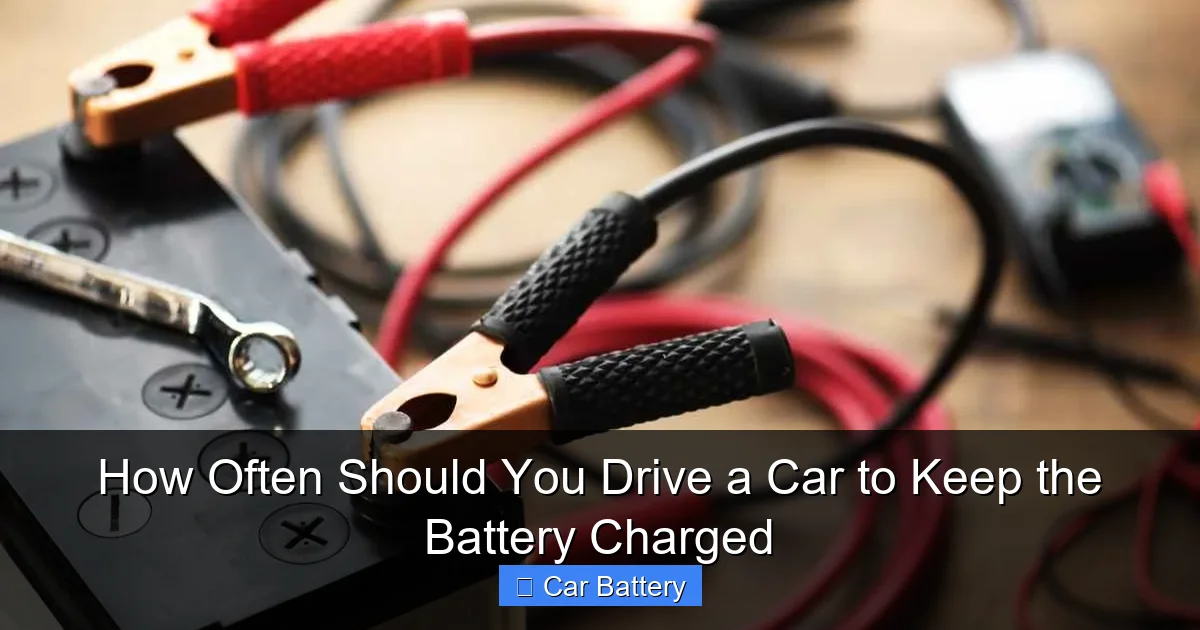
Visual guide about How Often Should You Drive a Car to Keep the Battery Charged
Image source: mach1services.com
Why 20–30 Minutes Matters
Starting your car uses a significant burst of energy—sometimes up to 300 amps or more. The alternator needs time to restore that energy. A quick 5-minute drive to the mailbox or a short trip around the block may get the engine running, but it won’t give the alternator enough time to fully recharge the battery. In fact, short trips can actually contribute to battery drain over time because the battery is repeatedly used without being fully recharged.
Example: Weekly Commuter vs. Weekend Driver
Let’s say you’re a daily commuter who drives 30 minutes to work and back. Your battery is likely in great shape because it’s being recharged regularly. But if you only use your car on weekends for errands, you might be at risk. Even if you drive every Saturday, those short trips may not be long enough to fully recharge the battery, especially if you’ve been using electronics like the radio or air conditioning.
What If You Don’t Drive Often?
If your car sits for more than a week at a time—maybe you’re traveling, working from home, or have a second vehicle—you’ll need to take extra steps to protect the battery. In these cases, driving once a week may not be practical. Instead, consider using a battery maintainer or trickle charger. These devices plug into a wall outlet and deliver a slow, steady charge to the battery, keeping it topped up without overcharging.
Factors That Affect Battery Drain and Charging Needs
Not all cars and situations are the same. Several factors influence how quickly your battery drains and how often you need to drive to keep it charged.
Visual guide about How Often Should You Drive a Car to Keep the Battery Charged
Image source: autooilandfluid.com
Climate and Temperature
Weather plays a huge role in battery performance. In cold climates, battery chemistry slows down, reducing its ability to deliver power. A battery that works fine in summer might struggle to start your car in winter. Additionally, cold engines require more power to turn over, putting extra strain on the battery.
On the flip side, hot weather can accelerate battery degradation. High temperatures increase the rate of chemical reactions inside the battery, which can lead to faster evaporation of electrolyte and corrosion of internal components. In extreme heat, a battery can lose charge more quickly, even when the car is parked.
Vehicle Age and Electronics
Newer cars come with more advanced electronics—infotainment systems, GPS, remote start, automatic climate control, and more. While these features are convenient, they also increase parasitic drain. A 2023 sedan might draw more power when off than a 2005 model, simply because it has more systems running in the background.
Older vehicles, while simpler, may have aging alternators or wiring issues that reduce charging efficiency. If your alternator isn’t working properly, even long drives won’t fully recharge the battery.
Battery Age and Condition
Car batteries typically last 3 to 5 years. As they age, their capacity to hold a charge decreases. A 4-year-old battery might only hold 70% of its original charge, meaning it drains faster and needs more frequent recharging. If your battery is over three years old, it’s wise to have it tested annually and consider replacing it before it fails.
Driving Habits and Trip Length
Your driving style also matters. Frequent short trips—like driving to the store, school, or office—don’t allow enough time for the alternator to recharge the battery. This is especially true in stop-and-go traffic, where the engine runs at low RPMs and the alternator produces less power.
In contrast, highway driving at steady speeds allows the alternator to operate efficiently and generate more electricity. A 30-minute highway drive is far more effective at recharging the battery than three 10-minute city trips.
Signs Your Battery Is Losing Charge
Even with regular driving, batteries can weaken over time. Knowing the warning signs can help you take action before you’re stuck with a dead car.
Slow Engine Crank
When you turn the key, does the engine crank slowly or hesitate before starting? This is one of the most common signs of a weak battery. The starter motor needs a strong burst of power to turn the engine over, and if the battery can’t deliver, you’ll notice a delay.
Dim Headlights and Electrical Issues
Pay attention to your headlights, especially at idle. If they seem dimmer than usual or flicker when you turn on the radio or AC, it could mean the battery isn’t holding a charge. Other electrical components—like power windows, locks, or the dashboard—may also respond more slowly.
Check Engine or Battery Warning Light
Modern cars have warning lights that alert you to charging system problems. If the battery light or check engine light comes on, it could indicate an issue with the battery, alternator, or voltage regulator. Don’t ignore these warnings—have your vehicle inspected promptly.
Swollen Battery Case
A swollen or bloated battery case is a sign of overheating or overcharging. This can happen in hot climates or if the voltage regulator fails. A damaged battery should be replaced immediately, as it poses a safety risk.
Old Age
If your battery is more than three years old, it’s living on borrowed time. Even if it seems to be working fine, its capacity is likely reduced. Consider having it tested or replaced proactively to avoid a surprise failure.
Tips to Keep Your Battery Charged Between Drives
If you can’t drive your car regularly, there are still ways to protect your battery and extend its life.
Use a Battery Maintainer or Trickle Charger
A battery maintainer (also called a trickle charger or smart charger) is one of the best investments you can make if your car sits for long periods. These devices plug into a standard outlet and connect to the battery terminals. They deliver a low, steady charge that keeps the battery at 100% without overcharging. Smart chargers can even detect the battery’s state and adjust the charge accordingly.
For example, if you have a classic car that you only drive in the summer, a maintainer can keep the battery healthy all winter long. Some models even have solar options for outdoor use.
Disconnect the Battery (If Necessary)
If you won’t be driving your car for several weeks or months, consider disconnecting the negative terminal. This cuts off the parasitic drain and prevents slow discharge. Just remember that disconnecting the battery may reset your radio presets, clock, and other settings. Also, some modern cars have systems that require a specific procedure to avoid triggering error codes.
Start the Car Weekly (But Don’t Just Idle)
If you don’t have a charger, try to start your car at least once a week and let it run for 15–20 minutes. However, idling alone isn’t enough—the alternator produces less power at low RPMs. If possible, take the car for a short drive to get the engine and alternator working efficiently.
Keep the Battery Clean and Secure
Dirt, corrosion, and loose connections can interfere with charging. Check the battery terminals regularly and clean them with a wire brush if you see white or green buildup. Make sure the battery is securely mounted to prevent vibration damage.
Avoid Using Electronics When the Engine Is Off
Listening to the radio, using the GPS, or charging your phone while the engine is off can drain the battery quickly. If you must use electronics, keep the engine running or limit usage to a few minutes.
When to Replace Your Car Battery
No battery lasts forever. Even with perfect driving habits and maintenance, all car batteries eventually wear out. Knowing when to replace yours can save you from being stranded.
Age Is the Biggest Factor
Most manufacturers recommend replacing your battery every 3 to 5 years. If yours is approaching the 3-year mark, start monitoring its performance. Many auto parts stores offer free battery testing, which can tell you the state of charge and overall health.
Performance Decline
If you notice slower starts, dimming lights, or frequent need for jump-starts, it’s time to consider a replacement. Don’t wait until the battery dies completely—by then, you may have already damaged the alternator or other components.
Extreme Weather Exposure
If you live in a very hot or cold climate, your battery may age faster. Heat accelerates chemical degradation, while cold reduces power output. In these environments, consider replacing your battery closer to the 3-year mark.
Conclusion
So, how often should you drive a car to keep the battery charged? The answer is simple: at least once a week for 20 to 30 minutes. This gives the alternator enough time to recharge the battery and offset any power lost to parasitic drain. However, your specific situation—climate, vehicle age, driving habits, and battery condition—will influence your needs.
If you don’t drive often, don’t rely solely on short trips. Instead, use a battery maintainer, disconnect the battery, or take longer drives when possible. Pay attention to warning signs like slow cranking or dim lights, and replace your battery every 3 to 5 years to avoid unexpected failures. By understanding how your car’s electrical system works and taking proactive steps, you can keep your battery healthy, your car reliable, and your peace of mind intact.
Frequently Asked Questions
How long should I drive to recharge a dead battery?
After a jump-start, drive your car for at least 30 minutes at highway speeds to allow the alternator to fully recharge the battery. Short trips may not provide enough charging time.
Can I just idle my car to charge the battery?
Idling helps, but it’s not very effective. The alternator produces less power at low RPMs, so a 20-minute drive is better than 20 minutes of idling.
Will a trickle charger damage my battery?
A smart trickle charger is safe and designed to prevent overcharging. Avoid cheap, non-regulated chargers, as they can overheat and damage the battery.
How often should I check my car battery?
Check your battery every 6 months, especially before winter. Look for corrosion, loose connections, and signs of swelling or damage.
Can cold weather kill a car battery?
Yes, cold weather reduces battery efficiency and increases the power needed to start the engine. A weak battery may fail in freezing temperatures.
Is it bad to let my car sit for a month?
Yes, letting a car sit for a month can drain the battery, especially if it has modern electronics. Use a battery maintainer or disconnect the terminals to prevent discharge.