How Often Should You Change Cabin Air Filter Toyota Corolla

Contents
- 1 Key Takeaways
- 2 📑 Table of Contents
- 3 Understanding Your Cabin Air Filter: More Than Just a Piece of Felt
- 4 Toyota’s Official Recommendations: The Baseline Schedule
- 5 Severe Service Conditions: Why Your Mileage May Vary
- 6 Warning Signs Your Cabin Air Filter Is Begging for Replacement
- 7 Step-by-Step: Changing Your Cabin Air Filter in a Toyota Corolla
- 8 The Tangible Benefits: Why This $20 Job Matters So Much
- 9 Frequently Asked Questions
Car Wash Mitt

Reflective Stickers

Torque Wrench Set

Car Tissue Holder
Changing your Toyota Corolla’s cabin air filter regularly is crucial for clean interior air, HVAC efficiency, and occupant health. Toyota typically recommends replacing it every 15,000 to 30,000 miles or once a year, but severe driving conditions can shorten this interval. Neglecting this simple maintenance leads to musty odors, reduced airflow, and exposes you to pollen, dust, and pollutants. The job is often a straightforward 15-30 minute DIY task, saving you money and ensuring the air you breathe inside your car is as clean as possible.
Key Takeaways
- The cabin air filter is your car’s lungs: It traps pollen, dust, soot, and pollutants before they enter the cabin via the HVAC system, directly impacting your health and driving comfort.
- Follow Toyota’s baseline, but adjust for your life: The general rule is every 15,000-30,000 miles or annually. If you drive in heavy traffic, dusty areas, or have pets, change it more often.
- Listen to your car’s warning signs: Reduced airflow from vents, persistent musty/mildew smells (especially when AC is on), and foggy windows are clear indicators it’s time for a change.
- It’s usually a simple, inexpensive DIY job: For most Corolla models, the filter is behind the glovebox or under the hood. No tools are often needed, and a quality filter costs $15-$40.
- Don’t confuse it with the engine air filter: The engine air filter protects your motor. The cabin air filter protects you. They are different, located in different places, and have different service intervals.
- Using the correct filter is non-negotiable: Always consult your owner’s manual or an auto parts store for the exact filter number (e.g., Toyota Genuine Part # 87139-0C010). A poor-fit filter compromises efficiency.
- This maintenance boosts your entire HVAC system: A clogged filter forces your blower motor and AC compressor to work harder, potentially leading to costly repairs down the line. Regular changes are a small price for system longevity.
📑 Table of Contents
- Understanding Your Cabin Air Filter: More Than Just a Piece of Felt
- Toyota’s Official Recommendations: The Baseline Schedule
- Severe Service Conditions: Why Your Mileage May Vary
- Warning Signs Your Cabin Air Filter Is Begging for Replacement
- Step-by-Step: Changing Your Cabin Air Filter in a Toyota Corolla
- The Tangible Benefits: Why This $20 Job Matters So Much
Understanding Your Cabin Air Filter: More Than Just a Piece of Felt
Imagine breathing through a thick, dirty cloth. That’s essentially what your Toyota Corolla’s HVAC system does when its cabin air filter is past its prime. Often overlooked, this humble component is the frontline defense between the outside world and the interior sanctuary of your car. It’s not just about keeping dust bunnies out; it’s about health, comfort, and the performance of your car’s entire air conditioning and heating system.
The cabin air filter, sometimes called a pollen filter or HVAC filter, is usually a pleated, fibrous material (often activated charcoal-infused for odor absorption) housed in a plastic frame. As your car’s fan pulls outside air into the dashboard, this filter scrubs it clean. It captures everything from road salt and brake dust in winter to tree pollen in spring, industrial soot, insect debris, and even pet dander. For anyone with allergies, asthma, or simply a desire for fresh air, its role is critical.
In your Toyota Corolla, this filter is a consumable item. It does its job until it becomes saturated with the very gunk it captures. A clogged filter acts like a blocked artery for your car’s ventilation system. The consequences are more than just a minor inconvenience; they cascade into system inefficiency, poor air quality, and potential mechanical strain. Understanding this component is the first step to ensuring your daily drive is a healthy one.
The Two Main Types in Modern Corollas
While the basic function is the same, not all cabin filters are created equal. For your Corolla, you’ll typically encounter two types:
- Particulate Filter: This is the standard filter. It’s excellent at trapping solid particles like dust, pollen, and soot. It’s usually white or off-white when new and turns a dirty gray as it collects debris.
- Combined Particulate/Charcoal Filter: A step up, this filter adds a layer of activated charcoal. Beyond trapping particles, the charcoal adsorbs gaseous pollutants, odors, and exhaust fumes. If you frequently drive in heavy traffic or urban environments, this type is a worthwhile upgrade for noticeably fresher air. Many newer Corolla models come equipped with this from the factory.
Knowing which type your car uses is key to ordering the correct replacement. Your owner’s manual or the filter already in your car will specify this.
Toyota’s Official Recommendations: The Baseline Schedule
So, what does the manufacturer say? Toyota provides general maintenance guidelines in your Corolla’s owner’s manual, and these form our essential baseline. For most model years from the early 2000s onward, Toyota recommends inspecting or replacing the cabin air filter every 15,000 to 30,000 miles, or approximately once a year.

Visual guide about How Often Should You Change Cabin Air Filter Toyota Corolla
Image source: paulstravelpictures.com
This wide range isn’t arbitrary; it’s designed to account for the vast difference in driving environments across the globe. A Corolla driven exclusively on clean, paved highways in a rural area will likely see the filter remain effective closer to the 30,000-mile mark. A Corolla used for daily city commuting in a congested, polluted metropolis, or one that frequently travels down unpaved gravel roads, will need attention much sooner, often at the 15,000-mile interval or even earlier.
It’s vital to understand that Toyota’s schedule is a maximum limit under ideal conditions. Think of it as a “do not exceed” guideline rather than a “change exactly at” mandate. Proactive owners who prioritize cabin air quality often default to the more conservative annual or 15,000-mile replacement, which is a smart practice for most drivers.
Model Year Variations and Location, Location, Location
The exact location of the filter and the recommended interval can vary slightly by generation. For example:
- 2014-2018 Corolla (E170/E180): The filter is typically located behind the glovebox. The manual often cites the 15,000-30,000-mile interval.
- 2019-Present Corolla (E210): Location is similar, often behind the glovebox or in some trims accessible from the engine bay near the cowl. The “once a year” recommendation is prominently featured.
- Older Models (Pre-2000s): Many did not come with a cabin air filter from the factory. If you own an older Corolla and are unsure, a quick check under the dash or a consultation with a parts specialist can confirm if one was added as an aftermarket upgrade.
Always your primary resource is the Maintenance Schedule section of your specific vehicle’s owner’s manual. It will have the definitive, model-year-specific interval and often a diagram showing the filter’s location.
Severe Service Conditions: Why Your Mileage May Vary
This is the most important concept to grasp. The standard Toyota interval assumes “normal” driving. If your life involves any of the following “severe service” conditions, you should cut the recommended interval in half and plan for a change every 12 months or 12,000-15,000 miles.
Visual guide about How Often Should You Change Cabin Air Filter Toyota Corolla
Image source: paulstravelpictures.com
- Dusty, Sandy, or Polluted Environments: Living near construction zones, deserts, farmland, or in heavy urban smog means your filter is constantly bombarded with fine particulates. A drive through a dust storm can render a filter nearly useless in a single trip.
- Heavy Traffic Congestion: Stop-and-go traffic means your car is frequently in “fresh air intake” mode, sucking in the exhaust and brake debris from the vehicle in front of you. The constant low-speed operation also means the HVAC fan is running more often.
- Cold Climates with Road Salt:In winter, the air is filled with fine road salt and sand particles used for traction. These are highly abrasive and will clog a filter’s pores rapidly.
- Pet Owners: If your dog or cat regularly rides in the car, their hair and dander will be pulled into the system. This organic material can also promote mold and mildew growth within the filter and ducts.
- Allergy Sufferers: If you or a family member has seasonal allergies, changing the filter at the start of high-pollen seasons (spring, fall) and mid-season is a minimum requirement for relief.
A great rule of thumb: If your daily drive feels “dirty,” your filter is getting dirty. The air you smell and see outside is the air your filter is fighting against.
The Unseen Enemy: Mold and Mildew
Beyond solid particles, a frequently overlooked threat is moisture. When your AC is running, the evaporator core gets cold and condensation forms. If the cabin filter is clogged, air can’t flow properly over the evaporator, causing it to stay wet longer. This damp environment, combined with trapped organic material (pollen, dust), is a perfect recipe for mold and mildew growth inside the filter housing and ducts. This is the primary cause of that infamous “ gym sock” or “musty” smell when you turn on the AC. A filter change is the first and most critical step in eliminating this odor. For persistent smells, a professional HVAC system cleaning may be needed, but it starts with a fresh filter.
Warning Signs Your Cabin Air Filter Is Begging for Replacement
Your Toyota Corolla will give you subtle (and sometimes not-so-subtle) clues that the cabin air filter is overdue. Pay attention to these five key symptoms:

Visual guide about How Often Should You Change Cabin Air Filter Toyota Corolla
Image source: s3.amazonaws.com
- Noticeably Reduced Airflow from Vents: This is the most common and direct sign. If your fan is on the highest setting but the air feels weak and feeble, especially on the “max AC” or “outside air” settings, a clogged filter is the prime suspect. It’s physically blocking the air passage.
- Persistent Unpleasant Odors: A musty, mildewy, or stale smell emanating from the vents, particularly when the AC first turns on, points to a dirty filter fostering microbial growth. You might also notice a general “old car” smell that you can’t locate.
- Foggy Windows (Even with Defroster On): Your car’s defogger system uses the HVAC to blow dry air on the windshield. A clogged filter restricts airflow, making it harder for the system to clear moisture quickly. If your windows fog up easily and the defroster seems ineffective, the filter could be part of the problem.
- Increased HVAC System Noise: A clogged filter makes the blower motor work much harder to push air through the obstruction. You may hear a new whirring, straining, or louder-than-normal fan noise, especially at higher speeds.
- Visible Dirt and Debris on the Filter: If you’re the DIY type and check the filter, you’ll see it’s caked with gray or black grime, leaves, or other debris. If you can’t see the pleats clearly through the dirt, it’s long past time.
Ignoring these signs doesn’t just affect comfort. The strained blower motor can overheat and fail prematurely, and a constantly wet, dirty evaporator core can corrode, leading to a very expensive repair. Catching the filter issue early saves money and hassle.
Diagnosing: Is It Really the Filter?
Before you jump to conclusions, consider that weak airflow can also be caused by a faulty blower motor resistor or a dead blower motor. However, these are less common than a clogged filter. A simple diagnostic: switch your HVAC to “recirculate” mode. This setting pulls air from inside the cabin, bypassing the cabin filter entirely. If the airflow instantly becomes strong and powerful in recirculate mode but is weak in fresh air mode, you have a 99% certainty that the cabin air filter is the culprit. This is a foolproof at-home test.
Step-by-Step: Changing Your Cabin Air Filter in a Toyota Corolla
The good news is that for the vast majority of Toyota Corolla models produced in the last two decades, changing the cabin air filter is one of the easiest maintenance tasks you can do. It requires minimal tools, often just your hands, and takes 15-30 minutes. The most common location is behind the glovebox.
General Process for Glovebox-Access Models:
- Prepare: Open the hood and locate the cowl area under the windshield wipers. You’ll see a plastic cover with rubber flaps—this is the fresh air intake. Have a rag handy to wipe any debris from this area when you’re done.
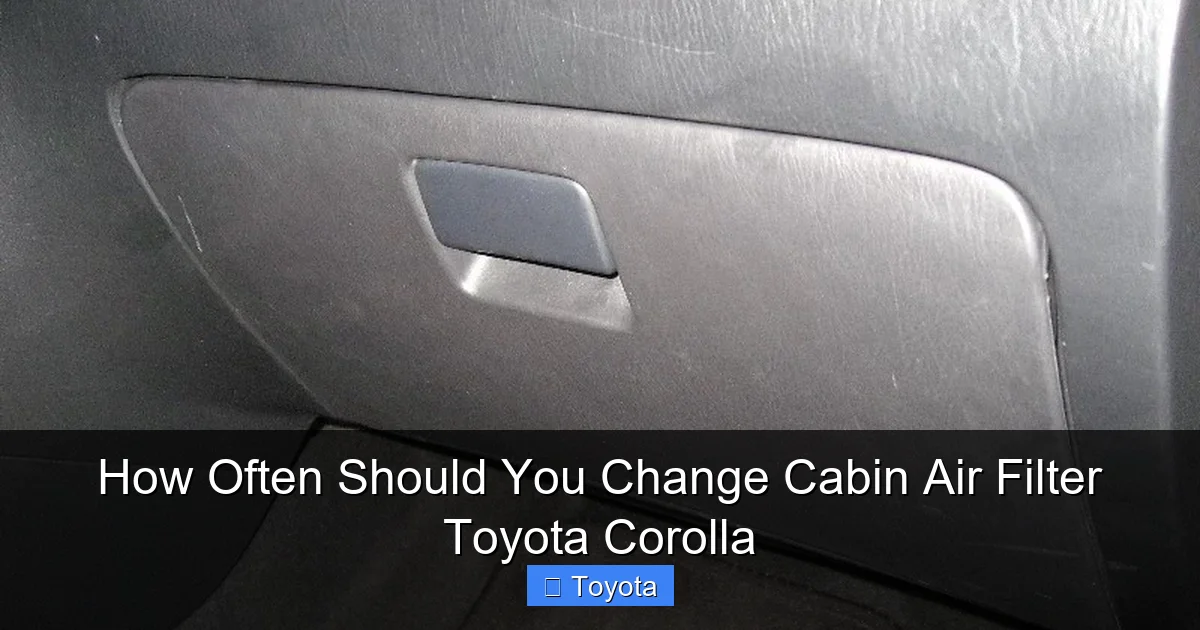
- Access the Filter: Open the glovebox fully. On most Corollas, you’ll find two or three plastic pins or clips on the top of the glovebox that limit its travel. Gently push these clips inward or pull them upward to release them. The glovebox will now drop down completely, revealing a rectangular plastic access panel behind it.
- Remove the Old Filter: Unclip or unscrew the access panel. You’ll see the filter housing. Note the orientation of the old filter—which side is facing up? There is usually an arrow printed on the filter frame indicating airflow direction (this arrow should point toward the cabin, i.e., down or toward you when installed). Gently slide the old filter out. It will likely be full of debris.
- Clean and Install: Before installing the new filter, use a vacuum cleaner with a brush attachment to clean out any loose leaves, dirt, or debris from the filter housing and the ductwork. This prevents old contaminants from immediately clogging your new filter. Insert the new filter, ensuring the airflow arrow points in the correct direction (toward the cabin).
- Reassemble: Snap the access panel back in place, then lift the glovebox back up and re-engage the limiting clips. Double-check that it opens and closes smoothly. Close the glovebox.
For some model years or trims, the filter may be located under the hood, behind the cowl panel. This involves removing a few plastic clips and the cowl cover. The process is still simple but requires working outside. Always confirm the location for your specific year and trim using your manual or a trusted online guide. For a visual, step-by-step guide specific to a similar Toyota model like the RAV4, which shares many design similarities, can be extremely helpful.
Essential Tips for a Flawless DIY Job
- Buy the Correct Filter First: Never assume. Use your VIN or exact year/make/model to look up the part number. Stores like AutoZone, O’Reilly, or Toyota’s parts department will get you the right one. Genuine Toyota filters are high quality, but brands like Purolator, K&N, and Fram also make excellent replacements.
- Note the Arrow: The airflow direction arrow is critical. Installing it backward severely reduces its effectiveness and can even damage the filter media over time.
- Don’t Just Swap, Clean: Taking the extra five minutes to vacuum the housing is a game-changer. It maximizes the life of your new filter and keeps your ducts clean.
- Consider an Upgrade: If you suffer from allergies, invest in a high-quality charcoal-impregnated filter. K&N also makes washable, reusable cabin filters that can last the life of the car with proper cleaning.
- Set a Reminder: Once you’ve done it, note the date and mileage in your maintenance log or phone calendar. Setting an annual reminder is a great habit.
The Tangible Benefits: Why This $20 Job Matters So Much
Sticking to a regular cabin air filter replacement schedule isn’t just about checking a box on a maintenance list. It delivers concrete, noticeable benefits that affect your wallet, your health, and your driving pleasure.
- Health and Allergy Relief: This is the biggest win. A clean filter effectively removes 99%+ of pollen, dust mites, mold spores, and particulate pollution (PM2.5). For allergy sufferers, this can mean the difference between a sneeze-free commute and a miserable one. It also reduces the overall pollutant load on your respiratory system.
- Superior HVAC Performance: Your heater and air conditioner will work as intended. Airflow will be strong, cooling will be faster, and the system will reach the desired temperature more quickly. This reduces strain on the blower motor and AC compressor, potentially extending their service life.
- Elimination of Musty Odors: A fresh filter, especially one with charcoal, will absorb and prevent the musty, mildew smells that plague many cars. Your car’s interior will simply smell cleaner.
- Clearer Windshields: With proper airflow, your defroster and defogger systems can work efficiently, keeping your visibility optimal in cold or humid conditions—a major safety benefit.
- Fuel Efficiency (Minor but Real):strong> A severely clogged filter creates a significant restriction for the HVAC system. The blower motor has to work harder, drawing more power from the electrical system, which in turn places a tiny additional load on the alternator and engine. While the MPG gain is small (often less than 1%), every little bit helps, and it’s a side benefit of a primary health and comfort task.
When you consider the cost of a new filter ($15-$40) and the 20 minutes of your time, versus the cost of a blower motor replacement ($300-$600+), a professional HVAC cleaning ($100-$200), or the health cost of poor air quality, the value proposition is overwhelmingly clear. This is high-impact, low-cost preventive maintenance.
Professional vs. DIY: When to Call a Mechanic
For the vast majority of Corolla owners, this is a perfect DIY project. However, there are scenarios where a professional touch is warranted:
- If the filter housing is broken or damaged. A technician can source and install the correct plastic clips or housing.
- If the musty odor persists after multiple filter changes. This indicates mold growth deep in the evaporator core or ducts, requiring specialized antimicrobial cleaning.
- If you are uncomfortable accessing the filter. Some later-model vehicles have more complex interior trim removal. If the glovebox removal in your specific Corolla seems daunting (consult a YouTube video for your exact year), a quick service at a dealership or shop will take them 15 minutes and cost $50-$100 in labor.
- During a major service. If you’re already having your car serviced for an oil change or coolant flush, adding a cabin filter replacement for a small labor fee is efficient.
But for the confident DIYer, this task is a rite of passage and a fantastic way to connect with your vehicle and save money.
Frequently Asked Questions
Can I drive my Toyota Corolla without a cabin air filter?
Technically, yes, the car will run. However, you should never do this. Driving without the filter allows all dust, pollen, bugs, and debris to enter the HVAC housing, clogging the evaporator core and blower motor. This will cause expensive damage, create terrible odors, and fill your cabin with pollutants you would normally be protected from. Always reinstall a filter immediately.
Can I clean and reuse my cabin air filter instead of replacing it?
For standard disposable paper filters, no. They are not designed to be cleaned. Vacuuming can remove some loose debris but won’t restore airflow or filtration capacity. Washing will ruin the filter media and cause mold. However, if you have a specifically marketed washable, reusable filter (like some K&N models), you can follow the manufacturer’s cleaning instructions (usually a gentle wash with mild soap, thorough drying). For most, replacement is the correct and more hygienic option.
Is a cheaper aftermarket filter as good as a genuine Toyota filter?
Often, yes. Many reputable aftermarket brands (Purolator, WIX, Fram, Bosch) manufacture filters that meet or exceed OEM specifications. The key is buying from a trusted brand and ensuring the part number is an exact match for your Corolla’s year and model. Some premium aftermarket filters even add features like extra layers of media or better charcoal. Genuine Toyota parts guarantee a perfect fit but are typically the most expensive option.
Will changing the cabin filter fix my weak AC airflow?
If the weak airflow is occurring in fresh air mode (outside air intake), then yes, a clogged cabin filter is the most likely cause and replacement will fix it. However, if the airflow is weak in all modes, including recirculate, the problem lies elsewhere—likely with the blower motor itself or a failed blower motor resistor. Use the recirculate mode test to diagnose.
Should I change the cabin filter more often during pollen season?
Absolutely. If you have seasonal allergies, consider changing your cabin air filter at the very start of high-pollen seasons (spring for tree pollen, late summer/fall for ragweed). You might even change it mid-season if you notice symptoms returning quickly. During these periods, the filter can become saturated with pollen in just a few weeks of heavy driving.
My Corolla’s glovebox won’t stay open after I removed the clips. Did I break it?
Probably not. The glovebox is designed to drop down completely for filter access. The two (or sometimes three) small plastic pins or clips on the top of the glovebox are simply travel limiters. You need to push them in or pull them up to release them. Once you’ve removed the filter and reassembled, make sure you re-engage these clips properly. They should click back into their original position, allowing the glovebox to open and close normally again. Refer to a model-specific guide if you’re unsure of the mechanism.