How Often Should I Change the Oil on a 2015 Toyota Highlander?

Contents
- 1 Key Takeaways
- 2 📑 Table of Contents
- 3 Introduction: Your Highlander’s Lifeline
- 4 The Factory Blueprint: What Does Toyota Recommend?
- 5 The Synthetic Oil Advantage: Why 0W-20 is Non-Negotiable
- 6 Reading Your Highlander’s Mind: The Maintenance Required Light
- 7 The DIY vs. Professional Decision: Weighing Your Options
- 8 Beyond the Oil Change: A Holistic View of Highlander Maintenance
- 9 Real-World Scenarios: Tailoring the Schedule to Your Life
- 10 Conclusion: Your Action Plan for a Healthy Highlander
- 11 Frequently Asked Questions

Tire Repair Kit

Tire Pressure Monitoring System (TPMS)

Torque Wrench Set

Multipurpose Lubricant Spray
For a 2015 Toyota Highlander, the standard oil change interval is every 7,500 miles or 12 months when using synthetic oil under normal driving conditions. However, severe driving conditions (like frequent short trips, extreme temperatures, or towing) may require changes every 3,750 to 5,000 miles. Always consult your owner’s manual and monitor your vehicle’s maintenance light, which is programmed for the factory-recommended schedule.
Key Takeaways
- Standard Interval: With synthetic oil and normal driving, change the oil every 7,500 miles or 12 months, whichever comes first.
- Severe Service Requires More Frequent Changes: If you regularly tow, drive in very hot/cold climates, or make many short trips, change oil every 3,750-5,000 miles.
- Oil Type is Critical: The 2015 Highlander requires full synthetic oil (0W-20) for optimal performance and to meet the extended interval schedule.
- The Maintenance Light is Your Friend: The vehicle’s computer calculates optimal change intervals based on your driving. When it illuminates, change the oil within one month or 1,000 miles.
- Never Ignore the “Severe” Definition: Toyota’s “normal” schedule is for ideal conditions. Most drivers’ real-world habits fall into the “severe” category, necessitating more frequent changes.
- DIY vs. Professional: You can change the oil yourself to save money, but ensure you use the correct oil, filter, and follow proper disposal procedures. A professional service includes a multi-point inspection.
- Other Fluids Matter Too: Consistent oil changes are part of a larger maintenance picture. Don’t neglect other vital fluids like transmission fluid, which has its own service schedule.
📑 Table of Contents
- Introduction: Your Highlander’s Lifeline
- The Factory Blueprint: What Does Toyota Recommend?
- The Synthetic Oil Advantage: Why 0W-20 is Non-Negotiable
- Reading Your Highlander’s Mind: The Maintenance Required Light
- The DIY vs. Professional Decision: Weighing Your Options
- Beyond the Oil Change: A Holistic View of Highlander Maintenance
- Real-World Scenarios: Tailoring the Schedule to Your Life
- Conclusion: Your Action Plan for a Healthy Highlander
Introduction: Your Highlander’s Lifeline
Let’s talk about the heart of your 2015 Toyota Highlander: its engine. Keeping that heart pumping strong and clean is one of the simplest, yet most critical, responsibilities you have as a vehicle owner. We’re talking about engine oil. That golden (or sometimes darker) liquid is the unsung hero, lubricating countless moving parts, reducing friction, cooling the engine, and preventing harmful sludge and deposits from building up. But here’s the big question that keeps many Highlander owners up at night: how often should you actually change the oil?
The answer isn’t as simple as “every 3,000 miles” anymore. Modern engines, especially those paired with synthetic oil like your Highlander’s, are designed for much longer intervals. However, that doesn’t mean you can set it and forget it. The “right” interval depends on a mix of manufacturer recommendations, your driving style, your local climate, and the type of oil you use. Getting this wrong can lead to accelerated engine wear, poor performance, and costly repairs down the road. Getting it right ensures your 3.5L V6 or 2.0L turbocharged four-cylinder (if equipped) purrs smoothly for years to come. This guide will cut through the confusion and give you a clear, actionable plan for oil changes in your specific 2015 Toyota Highlander.
The Factory Blueprint: What Does Toyota Recommend?
Your first and most authoritative stop is the owner’s manual that came with your Highlander. Toyota engineers designed the engine and tested it exhaustively to determine optimal maintenance intervals. For the 2015 model year, Toyota’s official recommendation for the 3.5L V6 engine (the most common) is as follows:

Visual guide about How Often Should I Change the Oil on a 2015 Toyota Highlander?
Image source: engineoiil-capacity.com
- Normal Driving Conditions: Change the oil and filter every 10,000 miles or 12 months when using Toyota Genuine Motor Oil or an equivalent meeting Toyota’s specification (0W-20 full synthetic).
- Severe Driving Conditions: Change the oil and filter every 5,000 miles or 6 months.
Now, before you pat yourself on the back for having a “normal” driving pattern, let’s dive into what Toyota *actually* means by “severe.” It’s a much broader category than you might think.
Decoding “Normal” vs. “Severe” Service
Toyota’s definition of “normal” is quite narrow. It essentially means consistent, moderate-speed highway driving in mild climates. The “severe” schedule, which is far more applicable to the average driver, includes:
- Frequent Short Trips: Driving less than 5-10 miles in cold weather, or less than 10-15 miles in normal temperatures, where the oil rarely gets up to full operating temperature. This leads to fuel dilution and moisture buildup.
- Extreme Temperatures: Consistent driving in very hot (above 100°F/38°C) or very cold (below 0°F/-18°C) conditions. Heat thins oil; cold thickens it.
- Stop-and-Go Traffic: Extensive idling or driving in heavy city traffic where the engine is under constant low-speed load.
- Heavy Loads & Towing: Carrying maximum cargo weight or regularly towing a trailer. This puts extreme stress and heat on the engine.
- Dusty/Sandy Conditions: Driving on dirt roads or in areas with a lot of airborne particulate matter, which can contaminate the oil faster.
- mountainous Areas: Extended driving in hilly or mountainous terrain where the engine works harder.
Practical Takeaway: If your daily commute involves school drop-offs, grocery runs, and city errands, you are almost certainly operating under the “severe” schedule. For most Highlander owners, the 5,000-mile/6-month interval for severe service is the more realistic and protective guideline. Many mechanics and automotive experts even suggest a middle ground of 7,500 miles or 12 months for synthetic oil under mixed conditions, which is a safe and common practice.
The Synthetic Oil Advantage: Why 0W-20 is Non-Negotiable
Your 2015 Highlander was designed from the ground up to run on 0W-20 full synthetic oil. This isn’t just a suggestion; it’s a requirement for achieving the factory-recommended drain intervals and protecting the engine’s advanced components. Here’s why this specific oil is so important:

Visual guide about How Often Should I Change the Oil on a 2015 Toyota Highlander?
Image source: diycarexpert.com
- Flow at Cold Starts: The “0W” rating means it flows like a very thin oil in cold weather (the “W” stands for winter). This ensures critical engine parts get lubricated immediately upon startup, preventing the most wear-prone period.
- Stability at High Temperatures: The “20” indicates its viscosity at operating temperature. Full synthetic base stocks resist thermal breakdown much better than conventional oil, maintaining their protective film even under the high heat of a V6 engine in a 3-row SUV.
- Extended Drain Capability: Synthetic oils have superior additive packages and base stock quality that resist oxidation, sludge, and varnish formation for much longer periods.
- Fuel Economy: The lower viscosity reduces internal engine friction, which can contribute to slightly better MPG—a key factor for a family hauler like the Highlander.
Using a conventional 5W-30 oil, for example, would be a step backward. It would likely not last 7,500 miles without breaking down and could cause long-term damage. Always use an oil that meets Toyota’s specification, which you can identify by looking for the API “starburst” symbol and the ILSAC “snowflake” symbol on the bottle, and specifically states it meets Toyota’s requirements. Major brands like Mobil 1, Pennzoil Platinum, and Castrol EDGE all make 0W-20 formulations that are excellent choices.
What About the 2.0L Turbo Engine?
If your 2015 Highlander has the optional 2.0L turbocharged four-cylinder (available on the LE and XLE trims), the same 0W-20 synthetic oil requirement applies. Turbochargers run extremely hot and create immense stress. Using the correct oil and changing it at the recommended intervals is even more crucial here to prevent turbocharger bearing failure and oil coking.
Reading Your Highlander’s Mind: The Maintenance Required Light
Your 2015 Highlander is smarter than you might think. It doesn’t just blindly tell you to change the oil every 5,000 miles. Instead, it uses a sophisticated engine oil maintenance reminder system. This system monitors engine speed, coolant temperature, vehicle speed, and driving patterns to calculate the actual degradation of the oil in your sump.

Visual guide about How Often Should I Change the Oil on a 2015 Toyota Highlander?
Image source: i.ytimg.com
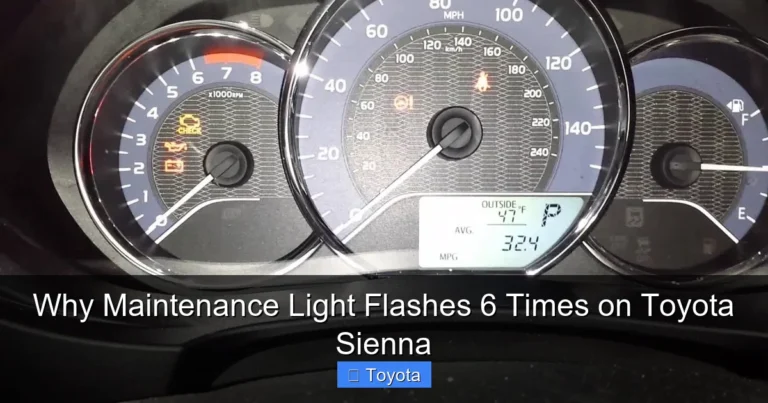
When the system determines the oil has reached the end of its useful life, the “MAINTENANCE REQUIRED” light will illuminate on your dashboard. This is not a warning light (like the oil pressure light); it’s a scheduled service reminder. When you see it, you should plan to change the oil and reset the light within the next 1,000 miles or one month.
How to Reset the Maintenance Required Light
After you (or your mechanic) changes the oil, you must reset the system. If you don’t, the light will continue to illuminate. The process is simple and can be done at home:
- Turn the ignition to the “ON” position (do not start the engine).
- Use the odometer/trip meter button on the instrument cluster to display the “ODO” (odometer) reading.
- Turn the ignition “OFF.”
- Press and hold the trip meter reset button (the same button) while turning the ignition back to the “ON” position.
- Continue holding the button until the odometer display shows “000000” or “MAINT REQ” blinks and goes out (this takes about 5-10 seconds).
- Release the button. The light should be reset.
Note: If your Highlander has a multi-information display, the steps might vary slightly. Always consult your owner’s manual for the exact procedure. For a visual guide on resetting maintenance lights on various Toyota models, including Highlanders, resources like our article on how to reset the maintenance light on a Toyota Highlander can be very helpful.
Relying on this system is a great way to personalize your oil change schedule, but it’s still based on Toyota’s programming for “severe” conditions. If your driving is truly mild, you might stretch it slightly, but never exceed 10,000 miles or 12 months.
The DIY vs. Professional Decision: Weighing Your Options
Now that you know the “when,” let’s talk about the “who.” Changing the oil on a Highlander is a straightforward task for a competent DIYer with basic tools. But is it right for you?
The Case for Doing It Yourself
- Cost Savings: You only pay for the oil and filter (approx. $40-$60 for 6-7 quarts of synthetic and a quality filter). A shop will charge $80-$120+ for the same service, with a significant portion being labor.
- Control: You choose the exact oil brand and filter you want. You can inspect the old oil for metal shavings (a potential red flag) and the undercarriage for leaks or damage.
- Convenience: Do it on your schedule in your driveway or garage.
DIY Checklist: You’ll need a socket/wrench for the drain plug, an oil filter wrench, a drain pan, funnel, jack and jack stands (or ramps), new crush washer for the drain plug, and gloves/eyewear. Most importantly, you must dispose of the used oil and filter properly at a designated recycling center (auto parts stores often take used oil).
The Case for Professional Service
- Multi-Point Inspection: A good technician will check your tires, brakes, fluid levels (coolant, transmission, power steering, washer), belts, hoses, and look for leaks. This is invaluable for catching small problems before they become big ones.
- Convenience & Speed: You drop the car off and go. Many shops offer comfortable waiting areas or shuttle services. The job is done in under an hour by a pro.
- Warranty & Documentation: Keeping receipts from a reputable shop provides a clear service history, which is beneficial for warranty claims and future resale.
- No Mess, No Hassle: You avoid lying under the car, dealing with hot oil, and finding disposal methods.
Pro Tip: If you DIY, keep a meticulous logbook of dates, mileage, oil type, and filter used. If you go to a shop, ensure they document the exact oil viscosity and brand on your receipt. This is crucial for your vehicle’s history.
Beyond the Oil Change: A Holistic View of Highlander Maintenance
An oil change isn’t an isolated event; it’s the cornerstone of a comprehensive maintenance regimen. While you’re under the car or at the shop, it’s the perfect time to think about other fluids and systems that keep your Highlander running reliably.
Transmission Fluid: The Often-Forgotten Cousin
Your Highlander’s 6-speed automatic (or 8-speed in later models) transmission also requires fluid maintenance. Unlike older cars that needed changes every 30,000 miles, the 2015 Highlander’s transmission fluid is often considered “lifetime” by Toyota. However, “lifetime” typically means the life of the warranty (60,000-100,000 miles). Many transmission experts strongly recommend a fluid and filter change every 60,000 to 80,000 miles as preventative maintenance, especially if you do any towing or severe driving. Fresh transmission fluid ensures smooth shifts and prevents premature wear. For more details on this specific service, you can read our in-depth guide on how often to change transmission fluid in a Toyota Highlander.
Other Key Fluids and Filters
- Engine Air Filter: Check every oil change. Replace every 15,000-30,000 miles, or sooner if dirty/dusty. A clogged filter kills fuel economy and performance.
- Cabin Air Filter: Replace every 15,000-30,000 miles. This filter keeps pollen, dust, and pollutants out of your HVAC system and is critical for air quality inside your family hauler.
- Coolant (Antifreeze): Toyota’s long-life pink coolant should be replaced every 100,000 miles or 10 years. It’s crucial for preventing overheating and corrosion.
- Brake Fluid: This is hygroscopic (absorbs water). Test it every two years and replace as needed, typically every 3 years, to maintain braking performance.
Sticking to a disciplined schedule for all these items, centered around your oil changes, will give you the greatest return on your investment in your Highlander and help it easily surpass 200,000 miles.
Real-World Scenarios: Tailoring the Schedule to Your Life
Let’s make this concrete with a few common driver profiles. Where do you fit?
- The Urban Commuter & Family Shuttle: You drive 12 miles to work in stop-and-go traffic, then run kids to practice, soccer games, and the grocery store. All trips are under 15 miles. Your Interval: Severe Service. Change oil every 5,000 miles or 6 months. Your engine rarely gets fully warmed up, leading to fuel and water contamination.
- The Highway Cruiser: You have a 50-mile daily commute, mostly on open highway at 65+ mph. You take one long road trip per month. Your Interval: You could likely stretch to the factory “normal” interval of 10,000 miles or 12 months, but 7,500 miles is a very safe and common middle ground.
- The Towing & Hauling Enthusiast: You regularly pull a boat, camper, or utility trailer, or you pack the Highlander to the roof with gear for weekend adventures. Your Interval: Extreme Severe Service. Consider changing oil every 3,750 to 5,000 miles. The added load and heat significantly increase thermal stress on the oil.
- The Cold-Climate Dweller: You live in Minnesota or Canada, where winters are long and brutally cold. Your Interval: Severe Service. The 0W-20 oil is essential, but change it every 5,000-7,500 miles because cold starts are the most damaging to an engine.
When in doubt, lean toward the more conservative interval. The cost of an extra oil change is minuscule compared to an engine rebuild.
Conclusion: Your Action Plan for a Healthy Highlander
So, how often should you change the oil on your 2015 Toyota Highlander? The definitive, practical answer is this: If you use full synthetic 0W-20 oil and your driving is mostly highway, aim for every 7,500 miles or 12 months. If your driving involves lots of city miles, short trips, towing, or extreme temperatures, change it every 5,000 miles or 6 months. Never, under any circumstances, exceed 10,000 miles or 12 months.
Respect the maintenance reminder light—it’s a helpful tool, not the sole authority. Choose the correct oil religiously. Whether you DIY or go to a trusted professional, keep impeccable records. And remember, oil is just one part of the puzzle. Pair your diligent oil change habit with attention to transmission fluid, filters, and other fluids, and your 2015 Toyota Highlander will reward you with countless miles of dependable, comfortable, and safe family transportation. It’s a simple act of love for your vehicle that pays massive dividends in reliability and peace of mind.
Frequently Asked Questions
Can I use conventional oil in my 2015 Toyota Highlander?
No. Toyota specifically requires 0W-20 full synthetic oil for the 2015 Highlander. Using conventional oil will not provide adequate protection and will void your ability to use the extended drain intervals. It could also cause long-term engine damage.
What happens if I go over the recommended oil change interval?
As oil ages, it loses its lubricating properties, becomes contaminated with fuel, water, and metal particles, and turns into sludge. This increases friction, causes excessive wear, and can lead to overheating, deposits on critical parts, and eventually, catastrophic engine failure. The cost of a new engine far exceeds the cost of regular oil changes.
My Highlander has the maintenance required light on. How do I reset it after an oil change?
With the ignition in the “ON” position (engine off), use the odometer button to display the “ODO” reading. Turn the ignition “OFF.” Then, press and hold the same button while turning the ignition back to “ON.” Hold until the display shows “000000” or the light blinks out (about 5-10 seconds). Release the button. The light is reset. For model-specific variations, check your owner’s manual.
Is it better to change oil based on mileage or time?
You must follow whichever comes first. Oil degrades over time due to oxidation and moisture absorption, even if the car isn’t driven much. If you only drive 3,000 miles a year, you should still change the oil annually.
Does towing a trailer affect my oil change interval?
Yes, significantly. Towing is classified as “severe” service by Toyota. The added load increases engine temperature and stress, causing oil to break down faster. If you tow regularly, you should change your oil every 3,750 to 5,000 miles, even if using synthetic oil.
My Highlander uses very little oil between changes. Is that normal?
Yes, it’s a sign of a healthy engine. Modern engines like the Highlander’s are designed to consume a small amount of oil during normal operation (often up to a quart every 1,000-1,500 miles can be considered within spec by some manufacturers). However, if you notice a steady, significant drop in oil level between changes, have it checked by a mechanic for potential leaks or internal consumption issues.