
How Much Is an Alternator for a 2000 Toyota Camry

If you’re wondering how much is an alternator for a 2000 Toyota Camry, expect to pay between $150 and $400 for the part alone, with total replacement costs ranging from $300 to $700 depending on labor and quality. This guide breaks down pricing, replacement tips, and how to avoid common pitfalls.
If your 2000 Toyota Camry is showing signs of electrical trouble—like dimming headlights, a dead battery, or that dreaded battery warning light on the dashboard—you might be facing an alternator issue. The alternator is one of the most critical components in your car’s electrical system. It keeps the battery charged and powers everything from your radio to your headlights while the engine runs. When it fails, your car won’t start, or worse, it might leave you stranded.
So, how much is an alternator for a 2000 Toyota Camry? The short answer: it depends. Prices vary based on whether you choose a new, remanufactured, or used alternator, where you buy it, and whether you install it yourself or pay a mechanic. But don’t worry—we’re here to walk you through every detail so you can make an informed decision without overspending or getting ripped off.
In this guide, we’ll break down the cost of alternators for the 2000 Toyota Camry, explain what affects pricing, compare OEM vs. aftermarket options, and give you practical tips for replacement. Whether you’re a DIY enthusiast or planning to visit a trusted mechanic, this article will help you understand what you’re paying for and how to get the best value.
Key Takeaways
- Alternator cost varies by quality: A new OEM alternator for a 2000 Toyota Camry typically costs $250–$400, while remanufactured units range from $150–$250, and used parts can be under $100.
- Labor adds $100–$300: Professional installation usually takes 1–2 hours, with labor rates varying by location and shop type (dealership vs. independent mechanic).
- Total replacement cost averages $300–$700: This includes both the alternator and labor, with higher-end shops or OEM parts pushing the price toward the upper end.
- DIY can save money: If you have basic tools and mechanical know-how, replacing the alternator yourself can cut costs by $100–$300.
- Signs of a failing alternator: Dim headlights, battery warning light, strange noises, or electrical issues often indicate it’s time for a replacement.
- Warranty matters: Remanufactured and new alternators often come with 1–3 year warranties, offering peace of mind and protection against early failure.
- Use quality parts: While cheap alternators may save money upfront, they often fail sooner—investing in a reliable brand ensures longer performance and fewer headaches.
📑 Table of Contents
- Understanding the 2000 Toyota Camry Alternator
- How Much Is an Alternator for a 2000 Toyota Camry? Breaking Down the Costs
- Labor Costs: What to Expect When Paying a Mechanic
- Total Replacement Cost: What You’ll Actually Pay
- Choosing the Right Alternator: OEM vs. Aftermarket vs. Remanufactured
- Tips to Save Money and Avoid Scams
- Conclusion: Making the Right Choice for Your Camry
Understanding the 2000 Toyota Camry Alternator
Before diving into costs, it’s helpful to understand what the alternator does and why it’s so important in your 2000 Toyota Camry. The alternator is essentially the heart of your car’s charging system. While the battery provides the initial power to start the engine, the alternator takes over once the engine is running. It generates electricity to recharge the battery and power all the electrical components—lights, wipers, radio, power windows, and more.
The 2000 Toyota Camry typically comes with a 12-volt alternator, and depending on the engine (2.2L 4-cylinder or 3.0L V6), the output can range from 80 to 100 amps. This is enough to handle the electrical load of most standard features, but if you’ve added aftermarket accessories like high-powered audio systems or LED light bars, your alternator may be working harder than designed.
Over time, alternators wear out. Common causes include worn brushes, damaged diodes, or a failing voltage regulator. Heat, vibration, and age all contribute to degradation. Most alternators last between 7 to 10 years or 100,000 to 150,000 miles, but driving habits, climate, and electrical load can shorten that lifespan.
Signs Your Alternator Is Failing
Knowing when to replace your alternator can save you from being stranded. Here are the most common warning signs:
– Dim or flickering headlights: If your headlights seem weaker than usual, especially at idle, the alternator may not be producing enough power.
– Battery warning light: This light on your dashboard (often shaped like a battery or labeled “ALT” or “GEN”) indicates a charging system problem.
– Electrical issues: Slow power windows, malfunctioning radio, or interior lights that dim when you turn on the AC could point to alternator trouble.
– Strange noises: A whining or grinding noise from the engine bay may indicate worn bearings inside the alternator.
– Dead battery: If your battery keeps dying despite being relatively new, the alternator might not be recharging it properly.
If you notice any of these symptoms, it’s wise to test your alternator with a multimeter or have a mechanic check it. Many auto parts stores offer free charging system diagnostics, so take advantage of that before replacing anything.
How Much Is an Alternator for a 2000 Toyota Camry? Breaking Down the Costs
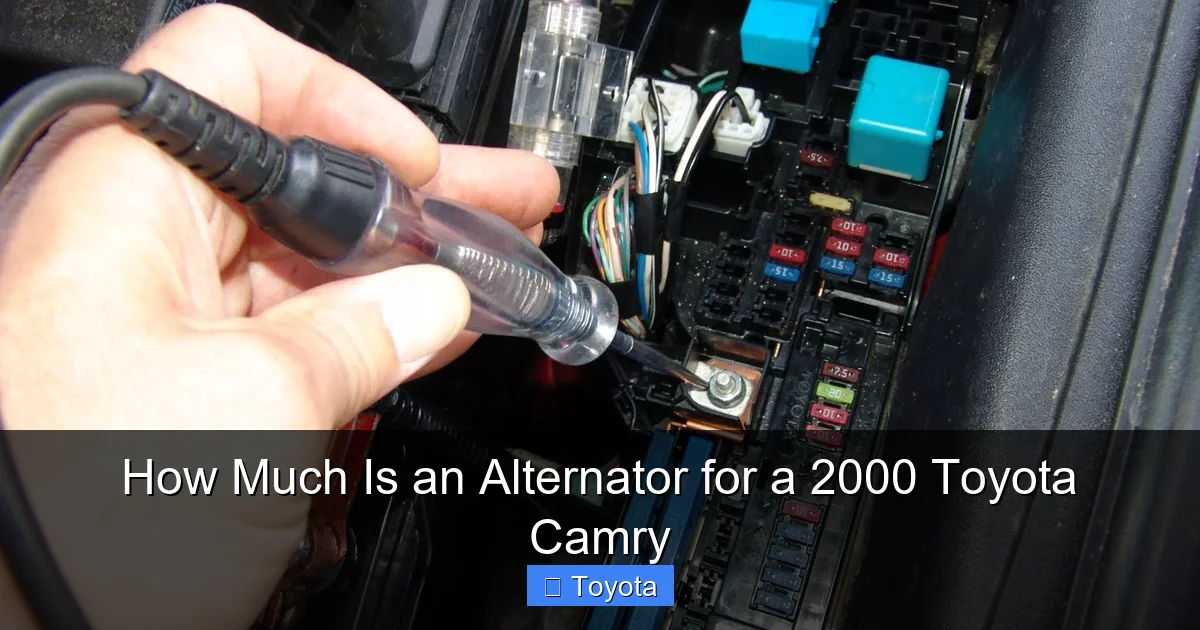
Visual guide about How Much Is an Alternator for a 2000 Toyota Camry
Image source: 1.bp.blogspot.com
Now, let’s get to the heart of the question: how much is an alternator for a 2000 Toyota Camry? The price depends on several factors, including the type of alternator, where you buy it, and whether you install it yourself. Here’s a detailed breakdown.
New OEM Alternator
OEM stands for Original Equipment Manufacturer, meaning the part is made by the same company that supplied it to Toyota. A new OEM alternator for the 2000 Camry typically costs between $250 and $400. These parts are built to the exact specifications of your vehicle and often come with a warranty of 1 to 3 years.
For example, a genuine Toyota alternator (part number 27060-0A110) might retail for around $320–$380 online. While this is the most expensive option, it offers the best reliability and peace of mind. If you plan to keep your Camry for several more years, investing in an OEM part can be worth it.
Remanufactured Alternator
A remanufactured alternator is a used unit that has been rebuilt with new internal components like brushes, bearings, and diodes. These are tested to meet or exceed original performance standards. Remanufactured alternators for the 2000 Camry usually cost between $150 and $250.
Brands like ACDelco, Bosch, and Denso offer high-quality remanufactured units. For instance, a Bosch remanufactured alternator might cost around $180–$220 and come with a 2-year warranty. This is a great middle-ground option—more affordable than OEM but still reliable and backed by a warranty.
Used or Salvage Alternator
If you’re on a tight budget, a used alternator from a junkyard or online salvage marketplace might cost under $100—sometimes as low as $50. However, there are risks. Used alternators may have hidden damage or a short remaining lifespan. They rarely come with warranties, and you won’t know the full history of the part.
For example, a used alternator from a local salvage yard might cost $75, but if it fails within a few months, you’ll end up paying for another replacement plus labor again. This option is best for temporary fixes or if you’re experienced with diagnosing used parts.
Aftermarket Alternators
Aftermarket alternators are made by third-party companies and are not OEM. They can be new or remanufactured and often cost less than OEM parts. Prices range from $120 to $300, depending on the brand and quality.
Brands like Denso (which actually supplies alternators to Toyota), ACDelco, and Cardone offer solid aftermarket options. A Denso first-time fit alternator might cost around $200–$250 and perform just as well as an OEM unit. Just make sure to check reviews and warranty terms before buying.
Labor Costs: What to Expect When Paying a Mechanic
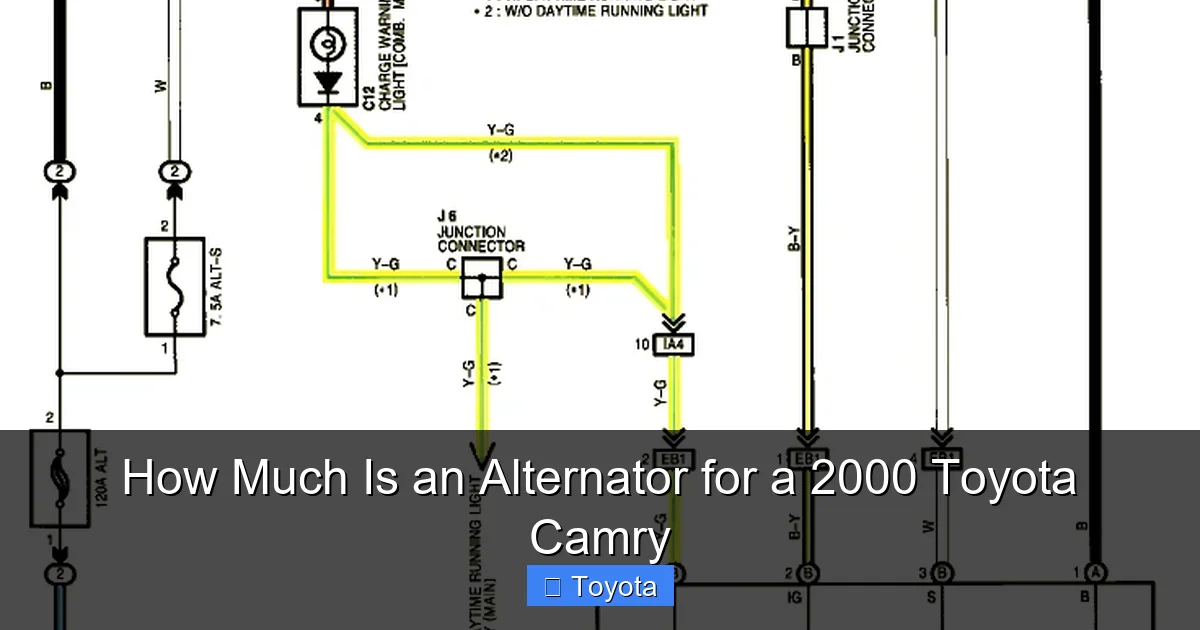
Visual guide about How Much Is an Alternator for a 2000 Toyota Camry
Image source: ww2.justanswer.com
The alternator itself is only part of the total cost. Labor is the other major factor. Most mechanics charge between $100 and $300 to replace an alternator, depending on location, shop type, and how long the job takes.
How Long Does It Take?
Replacing an alternator in a 2000 Toyota Camry typically takes 1 to 2 hours for a professional mechanic. The process involves disconnecting the battery, removing the serpentine belt, unbolting the alternator, disconnecting electrical connectors, and installing the new unit. It’s not overly complex, but it does require some mechanical skill and the right tools.
Dealership vs. Independent Mechanic
– Dealership: Expect to pay $200–$300 in labor. Dealerships often charge higher rates but use OEM parts and have technicians specifically trained for Toyota vehicles.
– Independent mechanic: Labor usually costs $100–$200. Many independent shops offer competitive pricing and may use high-quality aftermarket or remanufactured parts.
– Chain repair shops (e.g., Midas, Pep Boys): Labor rates fall in the middle, around $150–$250. These shops can be convenient but vary in quality.
Geographic Location Matters
Labor costs also depend on where you live. In major cities or high-cost areas like New York, Los Angeles, or San Francisco, labor rates can be 20–30% higher than in rural or mid-sized towns. Always get a written estimate before agreeing to any work.
Total Replacement Cost: What You’ll Actually Pay

Visual guide about How Much Is an Alternator for a 2000 Toyota Camry
Image source: i.ytimg.com
Now that we’ve covered parts and labor, let’s look at the total cost of replacing an alternator in a 2000 Toyota Camry.
– Low end: $300 (used alternator at $75 + $225 labor)
– Mid range: $450 (remanufactured alternator at $200 + $250 labor)
– High end: $700 (OEM alternator at $380 + $320 labor)
So, the average total cost is between $400 and $600. This includes both the part and professional installation.
DIY Replacement: Save $100–$300
If you’re comfortable working on your car, replacing the alternator yourself can save a significant amount of money. You’ll only pay for the part and any tools you might need (like a serpentine belt tool or socket set).
For example:
– Remanufactured alternator: $200
– Basic tools (if you don’t have them): $50
– Total DIY cost: ~$250
That’s a savings of $150–$450 compared to professional installation. Plus, you gain valuable experience and the satisfaction of doing it yourself.
Tools and Tips for DIY Replacement
Here’s what you’ll need:
– Socket wrench set
– Serpentine belt tool or breaker bar
– Screwdrivers
– Multimeter (to test the new alternator)
– Safety gloves and glasses
Steps:
1. Disconnect the negative battery cable.
2. Remove the serpentine belt using the tensioner.
3. Unbolt the alternator (usually 2–3 bolts).
4. Disconnect the electrical connectors.
5. Install the new alternator and reconnect everything.
6. Reinstall the belt and reconnect the battery.
7. Start the engine and test the charging system.
Always consult your owner’s manual or a repair guide (like Haynes or Chilton) for specific instructions. And don’t forget to torque the bolts to the correct specification.
Choosing the Right Alternator: OEM vs. Aftermarket vs. Remanufactured
With so many options, how do you choose the right alternator for your 2000 Camry? Here’s a comparison to help you decide.
OEM Alternator
Pros:
– Exact fit and performance
– Longest lifespan
– Full warranty coverage
– Peace of mind
Cons:
– Most expensive
– May be overkill for older vehicles
Best for: Owners who plan to keep the car long-term or want maximum reliability.
Remanufactured Alternator
Pros:
– High quality at a lower price
– Often comes with 1–3 year warranty
– Environmentally friendly (recycles old parts)
Cons:
– Slightly less reliable than new OEM
– Limited availability for some models
Best for: Most drivers looking for a balance of cost and quality.
Aftermarket Alternator
Pros:
– Wide variety of brands and prices
– Often comparable to OEM performance
– Available at most auto parts stores
Cons:
– Quality varies by brand
– May not last as long as OEM
Best for: Budget-conscious buyers who research brands and read reviews.
Used Alternator
Pros:
– Cheapest option
– Immediate availability at salvage yards
Cons:
– No warranty
– Risk of early failure
– Unknown history
Best for: Temporary fixes or experienced DIYers who can test the part.
Tips to Save Money and Avoid Scams
Replacing an alternator doesn’t have to break the bank. Here are some smart tips to save money and avoid common pitfalls.
Shop Around
Don’t settle for the first quote you get. Compare prices at dealerships, independent mechanics, and online retailers. Use websites like RockAuto, Amazon, or AutoZone to check part prices. For labor, call a few local shops and ask for estimates.
Use Coupons and Discounts
Many auto parts stores offer coupons (10–20% off) or free installation with purchase. Check their websites or sign up for email newsletters. Some credit cards also offer cash back on auto repairs.
Beware of “Too Good to Be True” Prices
If an alternator is listed for $50 online, it’s likely used or low-quality. Similarly, if a mechanic quotes $150 for a full replacement, ask what kind of part they’re using. Cheap parts often fail quickly, costing you more in the long run.
Check the Warranty
Always ask about the warranty on the alternator. A good warranty (1–3 years) shows the manufacturer stands behind the product. Avoid parts with no warranty or only 90-day coverage.
Test Before You Replace
Don’t assume the alternator is the problem. Have your battery and charging system tested first. A weak battery or bad connection can mimic alternator failure. Many auto parts stores do this for free.
Conclusion: Making the Right Choice for Your Camry
So, how much is an alternator for a 2000 Toyota Camry? The answer isn’t one-size-fits-all, but now you have the tools to make an informed decision. Whether you choose a $150 remanufactured unit or a $400 OEM part, the key is balancing cost, quality, and your long-term plans for the vehicle.
If you’re handy with tools, DIY replacement can save you hundreds. If not, a trusted mechanic with fair labor rates will get the job done right. And no matter what, always opt for a part with a solid warranty—your wallet (and your Camry) will thank you.
Remember, the alternator is essential to your car’s operation. Skimping on quality might save money today but could lead to breakdowns and extra costs tomorrow. Invest wisely, stay informed, and keep your 2000 Toyota Camry running smoothly for miles to come.
Frequently Asked Questions
How much is an alternator for a 2000 Toyota Camry?
The alternator itself costs between $150 and $400, depending on whether it’s new, remanufactured, or used. Total replacement cost, including labor, typically ranges from $300 to $700.
Can I drive with a bad alternator?
You can drive for a short time, but not safely. A failing alternator won’t recharge the battery, so your car may stall or leave you stranded. It’s best to replace it as soon as possible.
How long does an alternator last on a 2000 Camry?
Most alternators last 7 to 10 years or 100,000 to 150,000 miles. Driving conditions, electrical load, and maintenance can affect lifespan.
Is it worth replacing the alternator myself?
Yes, if you have basic mechanical skills and tools. DIY can save $100–$300 in labor costs. Just follow a repair guide and take safety precautions.
What’s the difference between OEM and aftermarket alternators?
OEM parts are made by the original manufacturer and meet exact specifications. Aftermarket parts are made by third parties and vary in quality—some are just as good as OEM, others less so.
Will a bad alternator damage my battery?
Yes. If the alternator isn’t charging the battery, it can become deeply discharged, shortening its lifespan. Replacing the alternator promptly helps protect the battery.