
How Much Is a Used 2010 Honda Civic Worth?

The average price of a used 2010 Honda Civic ranges from $5,000 to $9,000, depending on mileage, condition, trim, and location. This reliable compact car remains a top choice for budget-conscious buyers seeking fuel efficiency and low maintenance costs.
[FEATURED_IMAGE_PLACEOLDER]
If you’re in the market for a reliable, fuel-efficient compact car that won’t break the bank, the 2010 Honda Civic might just be your perfect match. Even over a decade after its release, this model continues to earn praise for its durability, low cost of ownership, and strong resale value. Whether you’re a first-time car buyer, a college student, or someone looking to downsize without sacrificing quality, the 2010 Civic offers a compelling blend of practicality and value.
But here’s the real question: How much is a used 2010 Honda Civic actually worth in today’s market? The answer isn’t a simple number—it depends on a variety of factors, including mileage, trim level, overall condition, and even where you live. While some Civics from this year are still cruising with under 60,000 miles and fetching prices near $9,000, others with high mileage or mechanical issues may sell for as little as $4,000. Understanding these variables is key to making a smart purchase or getting a fair price if you’re selling.
In this comprehensive guide, we’ll break down everything you need to know about the 2010 Honda Civic’s current market value. We’ll explore pricing trends, examine what affects resale value, compare trim levels, and offer practical tips for buyers and sellers alike. By the end, you’ll have a clear picture of what to expect—and how to get the best deal possible.
Key Takeaways
- Average Price Range: Most used 2010 Honda Civics sell for between $5,000 and $9,000, with lower-mileage models commanding higher prices.
- Mileage Matters: Vehicles with under 80,000 miles typically cost $1,000–$2,000 more than those with over 120,000 miles.
- Trim Level Impact: Higher trims like the EX and Si can add $1,000–$2,500 to the base LX model’s value.
- Condition Is Crucial: A well-maintained Civic with service records can fetch up to 20% more than a neglected one.
- Geographic Variation: Prices may be 10–15% higher in urban areas or regions with harsh winters due to demand and rust concerns.
- Private vs. Dealer Sales: Private sellers often offer better deals, but dealerships provide warranties and certified inspections.
- Market Trends: As of 2024, used car prices have stabilized, making it a good time to buy or sell a 2010 Civic.
📑 Table of Contents
Understanding the 2010 Honda Civic’s Market Value
The 2010 Honda Civic was part of the eighth generation of this iconic compact car, which ran from 2006 to 2011. Known for its reliability, fuel efficiency, and comfortable ride, the 2010 model year introduced minor updates over its predecessor, including improved interior materials and enhanced safety features. It came in several body styles—sedan and coupe—and multiple trim levels, each offering different features and performance options.
When determining how much a used 2010 Honda Civic is worth, it’s important to start with baseline pricing data. According to Kelley Blue Book (KBB), Edmunds, and NADA Guides, the average retail price for a 2010 Civic in good condition with around 100,000 miles ranges from $6,500 to $8,000. However, this is just a starting point. The actual price you’ll pay—or receive—can vary significantly based on several key factors.
One of the biggest influences on value is the vehicle’s mileage. Lower-mileage examples (under 80,000 miles) are increasingly rare and highly sought after, especially among buyers who plan to keep the car for many more years. These low-mileage Civics often sell for $8,000–$9,000, particularly if they’ve been well maintained. On the other hand, high-mileage models (over 130,000 miles) may drop to $4,500–$6,000, depending on condition.
Another major factor is the trim level. The 2010 Civic was available in several trims: LX, EX, EX-L, Si, and the hybrid version. The base LX model offers essential features like air conditioning, power windows, and a basic audio system. The EX adds a sunroof, upgraded audio, and cruise control, while the EX-L includes leather upholstery and heated front seats. The sporty Si trim comes with a more powerful engine, sport-tuned suspension, and unique styling cues. Each step up in trim can add $1,000–$2,500 to the vehicle’s value.
How Location Affects Pricing
Believe it or not, where you live can impact how much a used 2010 Honda Civic is worth. In urban areas with high demand for compact, fuel-efficient cars—like New York, Los Angeles, or Seattle—prices tend to be 10–15% higher than the national average. This is due to population density, traffic congestion, and the popularity of smaller vehicles in city driving.
Conversely, in rural areas or regions with lower population density, prices may be slightly lower due to reduced demand. However, one important regional consideration is climate. In areas with harsh winters and heavy road salt use—such as the Midwest or Northeast—rust and corrosion can become issues over time. A 2010 Civic from Minnesota might show more undercarriage wear than one from Arizona, which can lower its value by $500–$1,000 even if the mileage is similar.
Additionally, local market trends play a role. For example, if gas prices spike in your area, demand for fuel-efficient cars like the Civic may increase, pushing prices up. Similarly, if there’s a shortage of used inventory in your region, you might see higher prices across the board.
Factors That Influence a 2010 Honda Civic’s Worth
Visual guide about How Much Is a Used 2010 Honda Civic Worth?
Image source: executiveautori.com
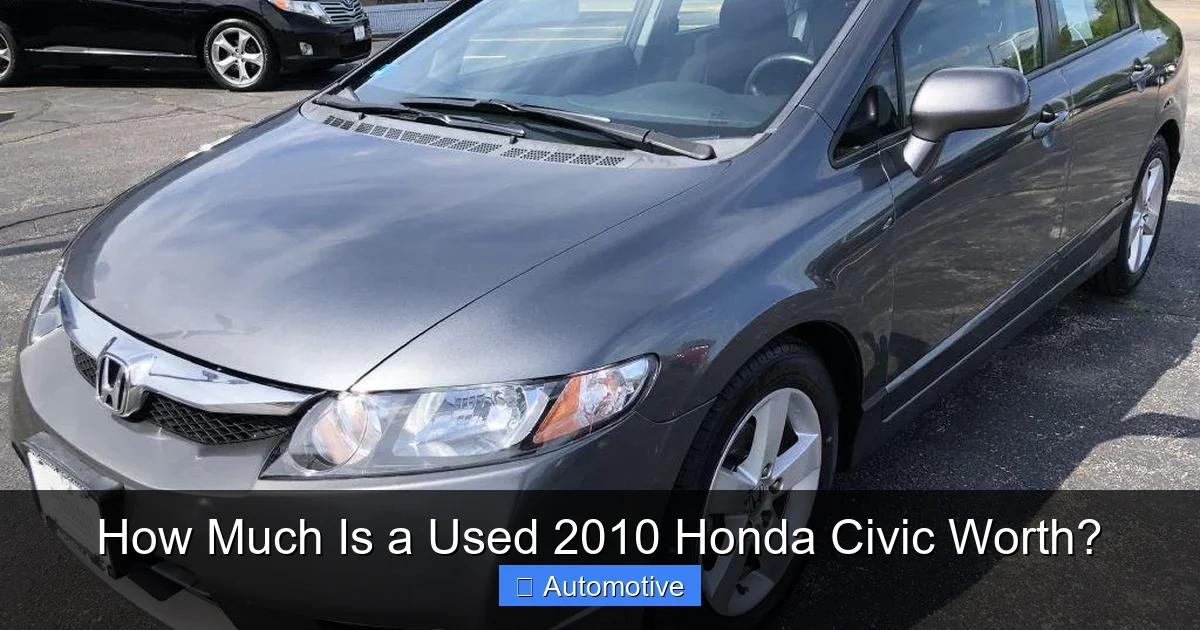
When evaluating a used 2010 Honda Civic, it’s not just about the odometer reading or the trim level. Several other factors can significantly affect its market value. Understanding these can help you make a smarter buying decision or price your car competitively if you’re selling.
Vehicle Condition and Maintenance History
Perhaps the most important factor is the car’s overall condition. A 2010 Civic with 120,000 miles that has been regularly serviced, has clean body panels, and runs smoothly can easily be worth more than a lower-mileage example that’s been neglected. Buyers are willing to pay a premium for vehicles with documented maintenance records, especially if major services like timing belt replacements, brake jobs, or transmission fluid changes have been performed.
For example, a Civic with 90,000 miles and a full service history from a Honda dealership might sell for $7,800, while a similar-mileage car with no records and visible wear might only fetch $6,200. That’s a $1,600 difference—just for maintenance transparency.
Rust, dents, scratches, and interior wear also impact value. A car with a clean interior, intact upholstery, and minimal exterior damage will always command a higher price. Even small things like working air conditioning, functional power locks, and a clean title (not salvage or rebuilt) can make a big difference.
Accident History and Title Status
A vehicle’s accident history is a major red flag for buyers—and rightly so. A 2010 Civic that’s been in a moderate to severe accident, even if repaired properly, may be worth 15–25% less than a comparable model with a clean history. This is because accidents can affect structural integrity, alignment, and long-term reliability.
Always check the vehicle history report using services like Carfax or AutoCheck. Look for signs of frame damage, airbag deployment, or flood damage. A salvage title—indicating the car was declared a total loss by an insurance company—can reduce value by 30% or more, even if the car has been repaired and is roadworthy.
Transmission Type
The 2010 Honda Civic was available with either a 5-speed manual or a 5-speed automatic transmission. While both are reliable, the automatic is more common and often preferred by daily drivers. However, the manual transmission—especially in the sporty Si trim—can be more desirable to enthusiasts and may hold its value slightly better.
That said, automatics dominate the used market, so if you’re buying for everyday use, you’ll have more options. Just be aware that automatic transmissions in older Civics can develop issues over time, such as rough shifting or slipping, so have them inspected by a mechanic before purchase.
Hybrid vs. Gas Models
The 2010 Honda Civic Hybrid is a unique variant that uses a 1.3-liter gasoline engine paired with an electric motor for improved fuel economy—up to 44 mpg on the highway. While environmentally friendly and efficient, the hybrid version tends to have a lower resale value than gas models due to concerns about battery life and replacement costs.
Hybrid batteries typically last 8–10 years or 100,000–150,000 miles. If the battery in a 2010 Civic Hybrid hasn’t been replaced, it may be nearing the end of its life, which can deter buyers. As a result, hybrid models often sell for $1,000–$1,500 less than comparable gas-powered Civics, even with similar mileage and condition.
Trim Levels and Their Impact on Price
Visual guide about How Much Is a Used 2010 Honda Civic Worth?
Image source: familyautoofanderson.com
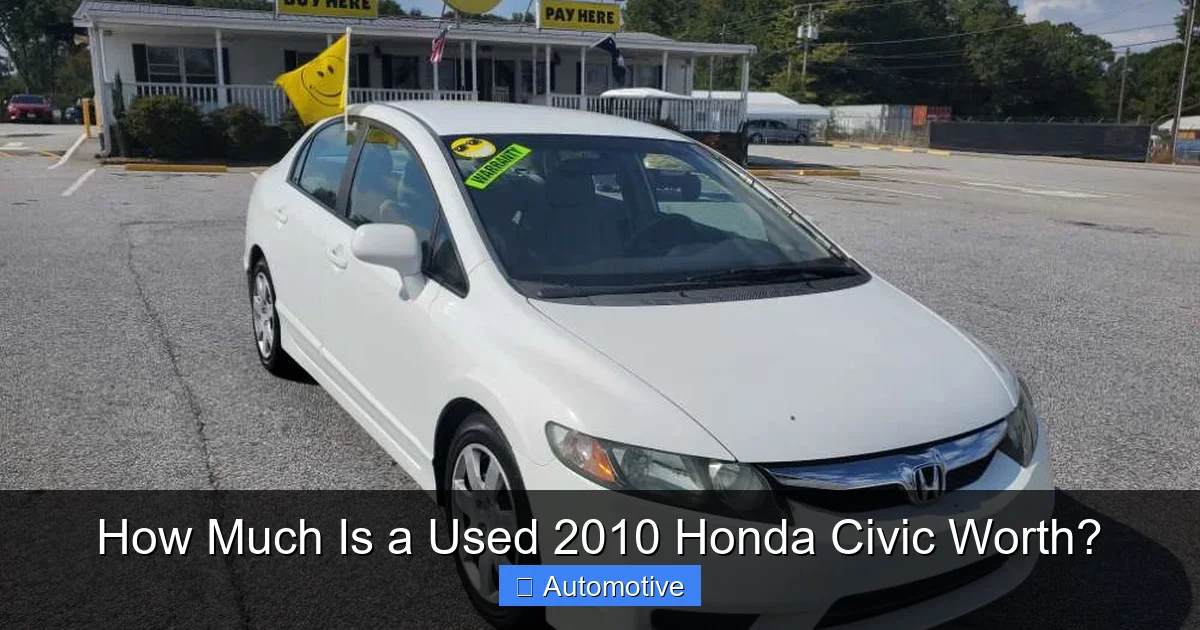
The 2010 Honda Civic was offered in several trim levels, each catering to different budgets and preferences. Understanding the differences can help you determine which model offers the best value for your needs—and how much you should expect to pay.
LX: The Base Model
The LX is the most basic trim and the most common on the used market. It comes with a 1.8-liter 4-cylinder engine producing 140 horsepower, paired with either a 5-speed manual or automatic transmission. Standard features include air conditioning, power windows and locks, a 4-speaker audio system, and a tilt/telescoping steering wheel.
Because of its simplicity and affordability, the LX is popular among budget buyers. A well-maintained 2010 Civic LX with 100,000 miles might sell for $6,000–$7,000. It’s a great choice if you want reliability without extra frills.
EX and EX-L: Mid-Range Comfort
The EX trim adds several desirable features, including a power sunroof, upgraded 6-speaker audio system with USB input, cruise control, and rear disc brakes. The EX-L includes all EX features plus leather-trimmed seats, heated front seats, and automatic climate control.
These trims are ideal for buyers who want more comfort and convenience without stepping into sporty or hybrid territory. A 2010 Civic EX with 90,000 miles could cost $7,500–$8,500, while an EX-L might reach $8,000–$9,000, especially if it’s in excellent condition.
Si: The Sporty Option
For driving enthusiasts, the Si trim is the way to go. It features a 2.0-liter engine with 197 horsepower, a 6-speed manual transmission, sport-tuned suspension, 17-inch alloy wheels, and unique interior and exterior styling. The Si also includes performance upgrades like a limited-slip differential and larger brakes.
Because of its performance credentials, the Si holds its value better than other trims. A low-mileage 2010 Civic Si in good condition can easily sell for $8,500–$10,000, making it one of the most valuable versions of this model year.
Hybrid: Efficiency at a Cost
As mentioned earlier, the Hybrid model offers excellent fuel economy but comes with trade-offs. While it’s great for commuters and eco-conscious drivers, the potential cost of battery replacement and lower demand mean it typically sells for less. A 2010 Civic Hybrid with 100,000 miles might go for $5,500–$7,000, depending on battery health.
Where to Buy or Sell a Used 2010 Honda Civic

Visual guide about How Much Is a Used 2010 Honda Civic Worth?
Image source: carpursuits.com
Once you have a sense of how much a used 2010 Honda Civic is worth, the next step is deciding where to buy or sell. Each option has its pros and cons, so it’s important to choose the one that best fits your needs.
Private Sellers
Buying from a private seller often yields the best prices. Since there’s no dealership markup, you can typically save $500–$1,500 compared to buying from a dealer. Private sellers may also be more flexible on price, especially if they’re motivated to sell quickly.
However, private sales come with risks. There’s no warranty, and you’ll need to handle all paperwork, inspections, and financing yourself. Always meet in a safe location, bring a friend, and have the car inspected by a trusted mechanic before finalizing the deal.
Dealerships
Buying from a dealership offers more security and convenience. Many dealers offer certified pre-owned (CPO) programs, extended warranties, and financing options. They also handle title transfers and inspections, making the process smoother.
The downside is cost. Dealerships need to make a profit, so their prices are usually higher. However, you’re paying for peace of mind, especially if the car comes with a warranty or return policy.
Online Marketplaces
Websites like Craigslist, Facebook Marketplace, Autotrader, and Cars.com are popular platforms for buying and selling used cars. They offer a wide selection and allow you to filter by price, mileage, location, and trim.
When using online platforms, be cautious of scams. Avoid deals that seem too good to be true, never wire money, and always inspect the car in person before paying.
Selling Your 2010 Civic
If you’re selling, pricing your car correctly is crucial. Start by researching similar listings in your area using tools like KBB’s “Private Party Value” or Edmunds’ “True Market Value.” Adjust your price based on your car’s condition, mileage, and features.
Take high-quality photos, write a detailed description, and highlight any recent repairs or upgrades. Be honest about flaws—buyers appreciate transparency. Consider getting a pre-sale inspection to boost buyer confidence.
Tips for Getting the Best Deal
Whether you’re buying or selling, a few smart strategies can help you get the best possible deal on a 2010 Honda Civic.
For Buyers:
- Get Pre-Approved: Secure financing before you start shopping. This gives you negotiating power and helps you stick to your budget.
- Inspect Thoroughly: Hire a mechanic to perform a pre-purchase inspection. It may cost $100–$150, but it can save you thousands in repairs.
- Negotiate Based on Data: Use pricing guides and comparable listings to justify your offer. Don’t be afraid to walk away if the price isn’t right.
- Check for Recalls: Visit the NHTSA website to see if your Civic has any open recalls. Honda has issued several for this model, including issues with airbags and fuel pumps.
For Sellers:
- Clean and Detail: A clean car makes a great first impression. Wash, wax, vacuum, and remove personal items.
- Gather Documentation: Have your service records, owner’s manual, and title ready. This builds trust with buyers.
- Price Competitively: Don’t overprice. A car that’s too expensive will sit on the market, and buyers may assume something is wrong.
- Be Responsive: Answer inquiries quickly and schedule test drives promptly. Serious buyers move fast.
Conclusion: Is the 2010 Honda Civic Still a Good Buy?
So, how much is a used 2010 Honda Civic worth? The short answer is: it depends. But with average prices ranging from $5,000 to $9,000, this model remains one of the most affordable and reliable options in the used car market.
Despite being over a decade old, the 2010 Civic continues to deliver excellent value. It’s fuel-efficient, low-maintenance, and built to last. Whether you’re looking for a daily commuter, a first car for your teen, or a reliable backup vehicle, the Civic is a smart choice.
Just remember to do your homework. Check the vehicle history, inspect the car thoroughly, and compare prices in your area. By understanding the factors that affect value—mileage, trim, condition, and location—you’ll be well-equipped to make a confident decision.
In today’s used car market, where prices have stabilized after recent volatility, the 2010 Honda Civic stands out as a practical, economical, and dependable option. With proper care, it can easily serve you well for another 50,000 miles or more. So if you find one in good condition at a fair price, don’t hesitate—this classic compact car still has plenty of life left.
Frequently Asked Questions
What is the average price of a used 2010 Honda Civic?
The average price ranges from $5,000 to $9,000, depending on mileage, condition, trim, and location. Lower-mileage, well-maintained models typically cost more.
Is a 2010 Honda Civic reliable?
Yes, the 2010 Honda Civic is known for its reliability and longevity. With regular maintenance, many owners report driving over 200,000 miles without major issues.
Which trim is the best value?
The EX trim offers the best balance of features and price, including a sunroof, upgraded audio, and cruise control, typically costing $7,500–$8,500.
Should I buy a 2010 Civic with high mileage?
It depends on condition and maintenance history. A high-mileage Civic with good records can be a great buy, but have it inspected by a mechanic first.
Are 2010 Honda Civics expensive to maintain?
No, they are relatively inexpensive to maintain. Common repairs like brakes and tires are affordable, and parts are widely available.
Can I still get parts for a 2010 Honda Civic?
Yes, parts are still readily available through Honda dealers, auto parts stores, and online retailers, making repairs and maintenance easy and affordable.