
How Much Is a 2017 Honda Civic?

Wondering how much is a 2017 Honda Civic? Prices typically range from $14,000 to $20,000 depending on trim, mileage, and condition. This reliable, fuel-efficient sedan remains a top pick for used car buyers seeking value and performance.
If you’re in the market for a dependable, fuel-efficient, and stylish used car, the 2017 Honda Civic should be at the top of your list. This model year marked a major redesign for the Civic, introducing a sleeker exterior, a more refined interior, and advanced technology features that rivaled much more expensive vehicles. Whether you’re a first-time buyer, a college student, or someone looking to downsize without sacrificing quality, the 2017 Civic offers an impressive blend of value, performance, and reliability.
So, how much is a 2017 Honda Civic in today’s used car market? The answer isn’t one-size-fits-all. Prices vary significantly based on several key factors: trim level, mileage, condition, body style, and even where you live. On average, you can expect to pay between $14,000 and $20,000 for a well-maintained 2017 Civic. But to truly understand what you’re getting—and what you should pay—it’s important to dig deeper into the details. This guide will walk you through everything you need to know to make an informed decision, from pricing trends to negotiation tips and long-term ownership costs.
Key Takeaways
- Price Range: The 2017 Honda Civic typically sells between $14,000 and $20,000, with lower-mileage models commanding higher prices.
- Trim Levels Matter: LX, EX, EX-T, EX-L, and Touring trims affect pricing, with Touring models often exceeding $19,000.
- Mileage Impact: Civics with under 60,000 miles are priced higher, while those over 100,000 miles may drop below $15,000.
- Body Style Options: Sedans are generally more affordable than coupes or hatchbacks, which can add $1,000–$2,000 to the price.
- Certified Pre-Owned (CPO) Value: Honda CPO models offer extended warranties and inspections, often priced $1,500–$3,000 above private sales.
- Regional Variations: Prices can vary by up to $2,000 based on local demand, weather, and inventory levels.
- Reliability Pays Off: The 2017 Civic’s strong resale value and low maintenance costs make it a smart long-term investment.
📑 Table of Contents
Understanding the 2017 Honda Civic’s Market Value
When evaluating how much is a 2017 Honda Civic, it’s essential to start with a clear picture of its current market position. The 2017 model year was a pivotal one for Honda, as it introduced the 10th generation of the Civic. This redesign brought a bold new look, improved safety features, and a more powerful yet efficient engine lineup. As a result, the 2017 Civic quickly gained popularity and has maintained strong resale value over the years.
According to data from Kelley Blue Book (KBB), Edmunds, and Autotrader, the average retail price for a 2017 Honda Civic in good condition ranges from $15,500 to $18,500. However, this is just a starting point. Private sellers may list their Civics for less—sometimes as low as $13,500—while dealerships, especially those offering certified pre-owned (CPO) vehicles, often price them higher due to added benefits like warranties and inspections.
One of the reasons the 2017 Civic holds its value so well is its reputation for reliability. Honda has long been known for building long-lasting vehicles, and the 2017 Civic is no exception. With proper maintenance, many owners report driving their Civics well beyond 200,000 miles. This durability makes it a favorite among used car buyers who want a vehicle that won’t leave them stranded—or bankrupt—down the road.
Another factor influencing price is demand. The 2017 Civic appeals to a wide audience: young professionals appreciate its modern tech and fuel economy, families value its safety ratings and spacious interior, and commuters love its smooth ride and low operating costs. This broad appeal keeps demand steady, which in turn supports higher resale values compared to less popular models.
Factors That Influence Pricing
Several variables can push the price of a 2017 Honda Civic up or down. Understanding these factors will help you spot a fair deal and avoid overpaying.
First and foremost is mileage. As a general rule, lower mileage means a higher price. A 2017 Civic with 40,000 miles might sell for $18,000, while one with 100,000 miles could drop to $14,500 or less. However, it’s not just about the number on the odometer—how the car was driven matters too. A Civic that’s been used for long highway commutes may be in better shape than one that’s spent years in stop-and-go city traffic.
Condition is another critical factor. A well-maintained Civic with a clean service history, no accidents, and minimal wear and tear will command a premium. Look for vehicles with records of regular oil changes, tire rotations, and brake inspections. Cars with aftermarket modifications—like loud exhausts or lowered suspensions—may be cheaper upfront but could signal neglect or aggressive driving.
Location also plays a role. In urban areas with high demand for compact cars, prices may be slightly higher. Conversely, in rural regions or areas with harsh winters (where road salt can cause rust), prices might dip. Additionally, states with higher sales taxes or registration fees may see slightly inflated prices due to overall cost of ownership.
Finally, the presence of a warranty can affect pricing. Honda’s Certified Pre-Owned program adds value by including a 7-year/100,000-mile powertrain warranty and a 12-month/12,000-mile comprehensive warranty. CPO Civics often cost $1,500 to $3,000 more than non-certified models, but many buyers find the peace of mind worth the extra cost.
Trim Levels and Their Impact on Price
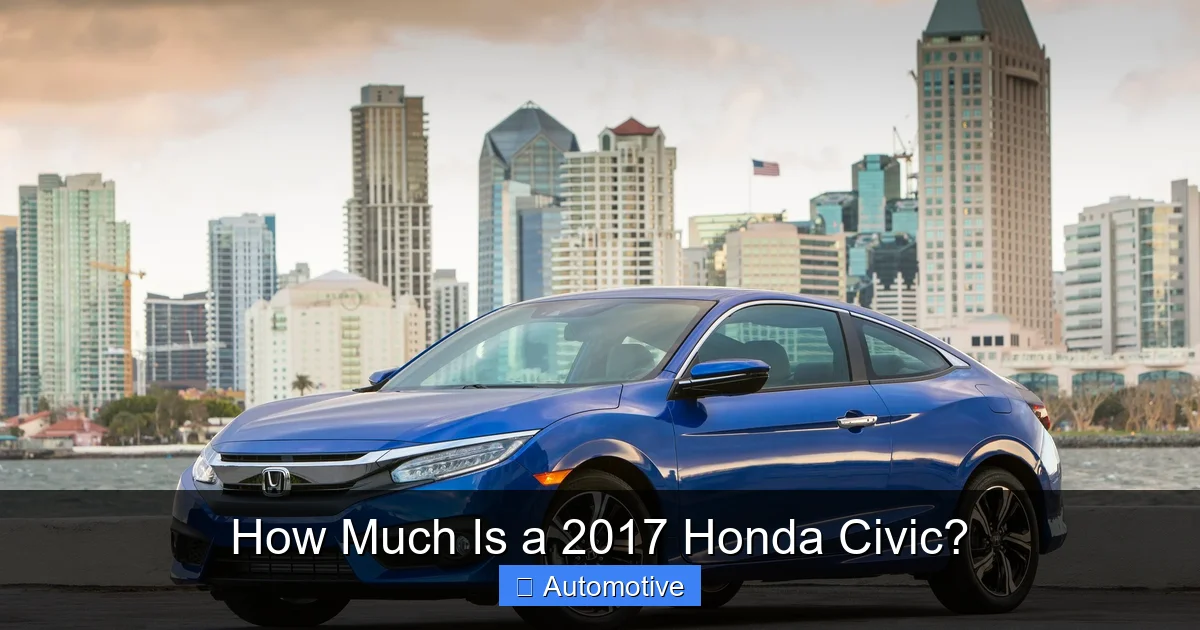
Visual guide about How Much Is a 2017 Honda Civic?
Image source: i.gaw.to
One of the biggest determinants of how much is a 2017 Honda Civic is the trim level. Honda offered the 2017 Civic in several trims, each with different features, engine options, and price points. Knowing the differences can help you choose the right balance of affordability and functionality.
The base model is the LX trim. Starting around $14,000 to $16,000, the LX comes with a 2.0-liter four-cylinder engine producing 158 horsepower. Standard features include a 5-inch display screen, Bluetooth connectivity, a rearview camera, and Honda Sensing safety suite (on most models). While it lacks some of the premium amenities, the LX is a solid choice for budget-conscious buyers who prioritize reliability and fuel economy.
Stepping up to the EX trim adds more value. Priced between $16,000 and $18,000, the EX includes a 7-inch touchscreen, Apple CarPlay and Android Auto, a sunroof, and upgraded cloth seats. It also features a more responsive infotainment system and improved interior materials. The EX is often considered the sweet spot for many buyers, offering a great mix of features and affordability.
The EX-T trim introduces a turbocharged 1.5-liter engine, boosting horsepower to 174. This version, priced from $17,000 to $19,000, appeals to drivers who want a bit more pep in their step without sacrificing fuel efficiency. It includes all EX features plus dual-zone automatic climate control and a turbocharged engine that delivers 162 lb-ft of torque.
For those seeking luxury, the EX-L adds leather-trimmed seats, a power-adjustable driver’s seat, and heated front seats. This trim typically ranges from $18,000 to $20,000 and is ideal for buyers who want a more premium feel without stepping into luxury brand territory.
At the top of the lineup is the Touring trim. With a starting price of $19,000 to $21,000, the Touring includes everything from the EX-L plus LED headlights, a premium audio system, navigation, and rain-sensing wipers. It’s the most feature-rich option and often the most expensive, but it’s also the most future-proof in terms of technology and comfort.
Body Style Differences
The 2017 Honda Civic was available in three body styles: sedan, coupe, and hatchback. Each has its own pricing nuances.
The sedan is the most common and typically the most affordable. Its practical four-door design appeals to families and commuters, making it the best-selling version. Sedans usually start around $14,500 for base models and go up to $20,000 for high-end trims.
The coupe, while stylish and sporty, is less practical due to its two-door design and smaller rear seat. However, it often commands a slight premium—around $500 to $1,000 more than a comparable sedan—due to its niche appeal and lower production numbers.
The hatchback, introduced in 2017, offers the best of both worlds: the sporty look of the coupe with the cargo space of an SUV. It’s powered by the turbocharged 1.5-liter engine and comes in EX and Touring trims. Hatchbacks are the most expensive, often starting at $18,000 and going up to $21,000 or more. Their versatility and modern design have made them increasingly popular, especially among younger buyers.
New vs. Used: Why Buy a 2017 Civic Now?
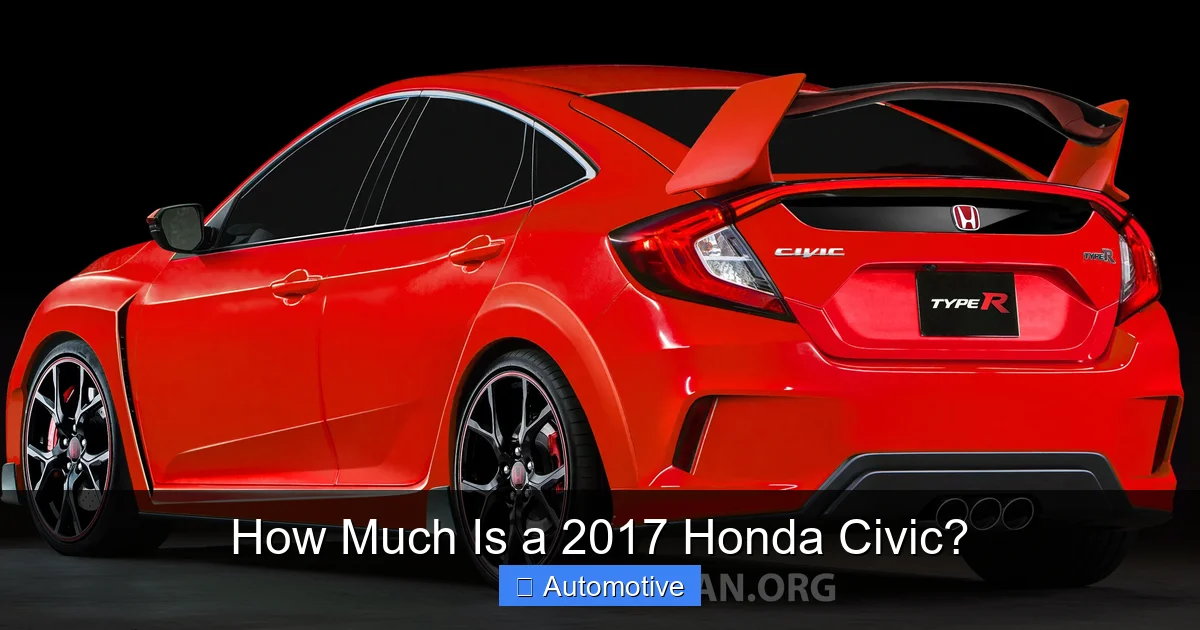
Visual guide about How Much Is a 2017 Honda Civic?
Image source: s1.paultan.org
You might be wondering: why buy a 2017 Honda Civic when newer models are available? The answer lies in value. While the 2023 or 2024 Civic offers the latest tech and safety features, it also comes with a much higher price tag—often $25,000 or more for a new base model. In contrast, a 2017 Civic delivers nearly the same driving experience at a fraction of the cost.
Moreover, the 2017 model already includes many of the features that make newer Civics appealing: Honda Sensing (Honda’s suite of driver-assist technologies), a user-friendly infotainment system, and excellent fuel economy (up to 32 mpg city / 42 mpg highway with the turbo engine). For buyers who don’t need the absolute latest gadgets, the 2017 Civic offers exceptional value.
Another advantage is depreciation. New cars lose value the moment they’re driven off the lot—often 20% in the first year. By buying a 2017 model, you avoid that initial depreciation hit. Instead, you benefit from a vehicle that has already taken the biggest value drop and is now in a more stable phase of its lifecycle.
Additionally, insurance and registration costs are typically lower for older models. While the difference may seem small, it adds up over time, especially for young drivers or those on a tight budget.
Certified Pre-Owned vs. Private Sale
When shopping for a 2017 Honda Civic, you’ll likely encounter two main options: certified pre-owned (CPO) vehicles from dealerships and private sales from individual owners.
CPO Civics come with significant benefits. They undergo a rigorous 182-point inspection, come with extended warranties, and often include perks like roadside assistance and loaner cars. These added assurances make CPO models more expensive—typically $1,500 to $3,000 above private sale prices—but many buyers find the peace of mind worth the cost.
Private sales, on the other hand, offer lower prices and the chance to negotiate directly with the owner. However, they come with more risk. There’s no warranty, no inspection guarantee, and no recourse if something goes wrong after the sale. To protect yourself, always get a pre-purchase inspection from a trusted mechanic and check the vehicle’s history report using services like Carfax or AutoCheck.
For most buyers, a CPO vehicle is the safer choice, especially if you’re not mechanically inclined or don’t have time to thoroughly vet a private seller. But if you’re confident in your ability to assess a car’s condition and want to save money, a private sale can be a great option.
Negotiating the Best Price
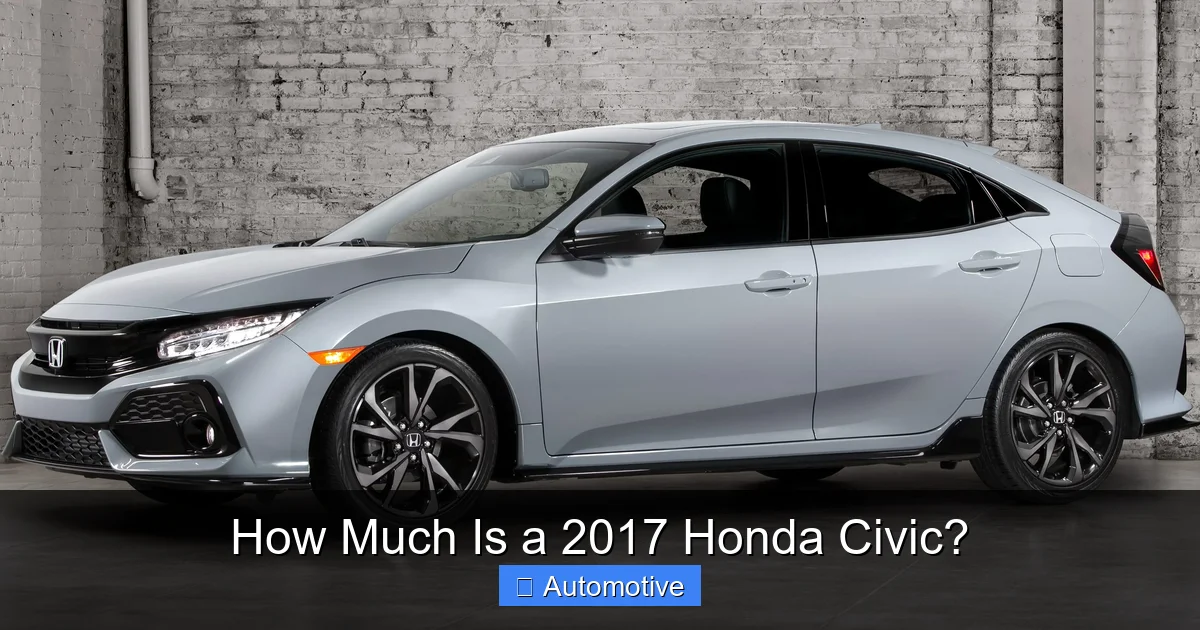
Visual guide about How Much Is a 2017 Honda Civic?
Image source: s1.paultan.org
Once you’ve found a 2017 Honda Civic you like, the next step is negotiation. Even if the listed price seems fair, there’s usually room to negotiate—especially at dealerships.
Start by researching the car’s value using tools like KBB, Edmunds, or NADA Guides. These resources provide fair market ranges based on trim, mileage, and location. Use this data to justify your offer.
When negotiating, focus on the out-the-door price, not the monthly payment. Dealers may try to stretch the loan term to lower payments, but this increases the total cost. Aim to pay as close to the fair market value as possible.
Don’t be afraid to walk away. If the seller isn’t willing to budge, there are plenty of other Civics on the market. Patience pays off—waiting for the right deal can save you hundreds or even thousands.
Finally, consider timing. Dealerships often offer better deals at the end of the month, quarter, or year when they’re trying to meet sales targets. Shopping during these periods can give you extra leverage.
Long-Term Ownership Costs
While the purchase price is important, it’s not the only cost to consider. The 2017 Honda Civic is known for its low cost of ownership, but it’s still wise to budget for maintenance, insurance, and fuel.
Routine maintenance is affordable and straightforward. Oil changes cost around $40–$60, and major services like brake jobs or timing belt replacements are reasonably priced thanks to the Civic’s widespread availability and simple design.
Fuel economy is another strong point. The base 2.0-liter engine delivers 32 mpg city and 42 mpg highway, while the turbocharged 1.5-liter version offers similar efficiency with more power. At current gas prices, you can expect to spend about $1,200 to $1,500 per year on fuel, depending on your driving habits.
Insurance costs vary by driver, but the Civic is generally cheaper to insure than sportier or luxury vehicles. Its strong safety ratings and low theft rates help keep premiums down.
Final Thoughts: Is the 2017 Honda Civic Worth It?
So, how much is a 2017 Honda Civic? The answer depends on your needs, budget, and priorities. But one thing is clear: this model offers exceptional value in the used car market. With prices ranging from $14,000 to $20,000, it’s an affordable entry into reliable, efficient, and stylish transportation.
Whether you choose the practical LX, the well-equipped EX, or the luxurious Touring, the 2017 Civic delivers a driving experience that’s hard to beat at this price point. Its strong resale value, low maintenance costs, and widespread availability make it a smart choice for anyone looking to get the most bang for their buck.
Before you buy, do your homework. Compare prices, check vehicle history, and take a test drive. And remember—while the sticker price matters, the total cost of ownership is what truly defines value. With the 2017 Honda Civic, you’re not just buying a car. You’re investing in years of dependable, enjoyable driving.
Frequently Asked Questions
How much is a 2017 Honda Civic with low mileage?
A 2017 Honda Civic with under 60,000 miles typically costs between $17,000 and $20,000, depending on trim and condition. Lower mileage means less wear and tear, which justifies the higher price.
Is the 2017 Honda Civic a reliable car?
Yes, the 2017 Honda Civic is highly reliable. It consistently earns top marks from J.D. Power and Consumer Reports for dependability, with many owners reporting trouble-free driving beyond 150,000 miles.
What’s the difference between the EX and EX-T trims?
The EX comes with a 2.0-liter naturally aspirated engine, while the EX-T features a turbocharged 1.5-liter engine with more horsepower and torque. The EX-T also includes dual-zone climate control and a more responsive infotainment system.
Should I buy a CPO 2017 Honda Civic?
A CPO 2017 Honda Civic is a great choice if you want added peace of mind. It includes a warranty, thorough inspection, and roadside assistance, making it ideal for buyers who prioritize safety and reliability.
How does the 2017 Civic compare to newer models?
The 2017 Civic offers nearly the same features and performance as newer models but at a significantly lower price. While it lacks some of the latest tech, it remains a strong value for budget-conscious buyers.
Can I negotiate the price of a used 2017 Honda Civic?
Yes, negotiation is common when buying a used car. Use pricing guides to support your offer, focus on the out-the-door price, and don’t hesitate to walk away if the deal isn’t right.
