
How Much Does It Cost to Wrap a Car?

Car wrapping is an affordable way to change your vehicle’s look without a paint job. Costs range from $2,000 to $6,000+, depending on size, material, and complexity. Understanding the factors helps you budget and choose the right wrap.
So, you’re thinking about giving your car a fresh new look—but you don’t want to commit to a full repaint. Maybe you’ve seen those sleek, glossy vehicles rolling down the street with bold colors or eye-catching designs and thought, “That could be me.” Welcome to the world of car wrapping.
Car wrapping has exploded in popularity over the past decade. It’s no longer just for race cars or promotional vehicles. Everyday drivers are using wraps to personalize their rides, protect their paint, or even test out a new color before making a permanent change. But one question always comes up: How much does it cost to wrap a car?
The short answer? It depends. A lot. From the type of vinyl you choose to the size of your vehicle and the complexity of the design, several factors influence the final price. But don’t worry—we’re going to break it all down so you can make an informed decision without blowing your budget.
In this guide, we’ll walk you through everything you need to know about car wrap pricing. We’ll cover the average costs, what affects them, the different types of wraps available, and tips to get the best value. Whether you’re wrapping a compact hatchback or a full-size truck, this article will help you understand what you’re paying for—and why it might be worth every penny.
Key Takeaways
- Cost Range: Most car wraps cost between $2,000 and $6,000, with luxury or full custom designs reaching $10,000+.
- Vehicle Size Matters: Larger vehicles like SUVs and trucks cost more due to more material and labor.
- Wrap Material Quality: Vinyl quality varies—premium films last longer and look better but cost more upfront.
- Design Complexity: Simple solid colors are cheaper; custom graphics, textures, or color shifts increase price.
- Labor and Installation: Professional installation is essential—DIY kits save money but risk damage and poor results.
- Longevity and Maintenance: A well-maintained wrap lasts 5–7 years, making it a cost-effective alternative to repainting.
- Resale Value: A wrap protects your original paint, potentially increasing resale value when removed properly.
📑 Table of Contents
What Is a Car Wrap?
Before we dive into costs, let’s clarify what a car wrap actually is. A car wrap is a large sheet of adhesive vinyl film that’s applied to the exterior of your vehicle. It covers the original paint, transforming the look of your car without permanent changes. Think of it like a giant sticker—but way more durable and professionally installed.
Car wraps come in a variety of finishes: matte, gloss, satin, chrome, carbon fiber, and even color-shifting or textured options. They can be solid colors, custom graphics, or even full photo prints. Some people use wraps for branding (like food trucks or delivery vans), while others just want a unique style.
One of the biggest advantages of a wrap is that it’s reversible. When you’re ready for a change—or when you sell the car—you can have the wrap removed, revealing the original paint underneath (as long as it was in good condition to begin with). This makes wraps a smart choice for lease vehicles or anyone who likes to switch things up.
Types of Car Wraps
Not all wraps are created equal. The type of wrap you choose will significantly impact the cost. Here are the most common options:
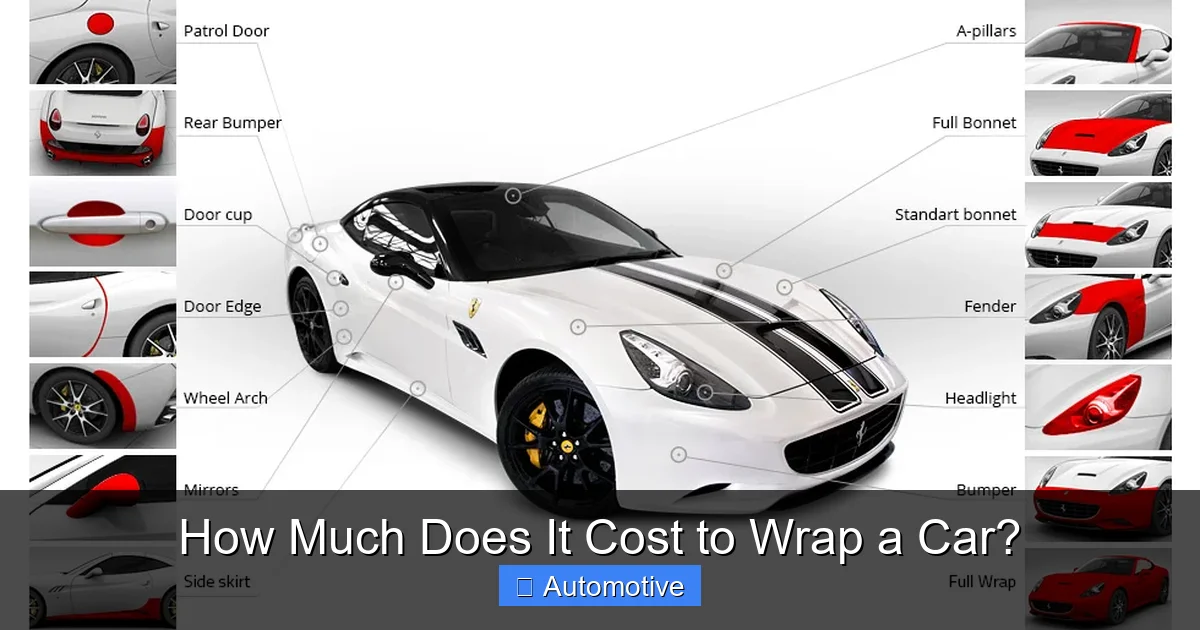
Full Wrap: Covers the entire vehicle—roof, hood, doors, bumpers, and sometimes even mirrors and trim. This is the most expensive option but offers the most dramatic transformation. Ideal for people who want a complete color change or custom design.
Partial Wrap: Covers only certain sections, like the hood, roof, or side panels. This is a budget-friendly way to add style without wrapping the whole car. Great for accents or racing stripes.
Custom Wrap: Features unique designs, logos, or artwork. These are often used for business promotions or personal expression. Custom wraps require more design time and precision, so they cost more.
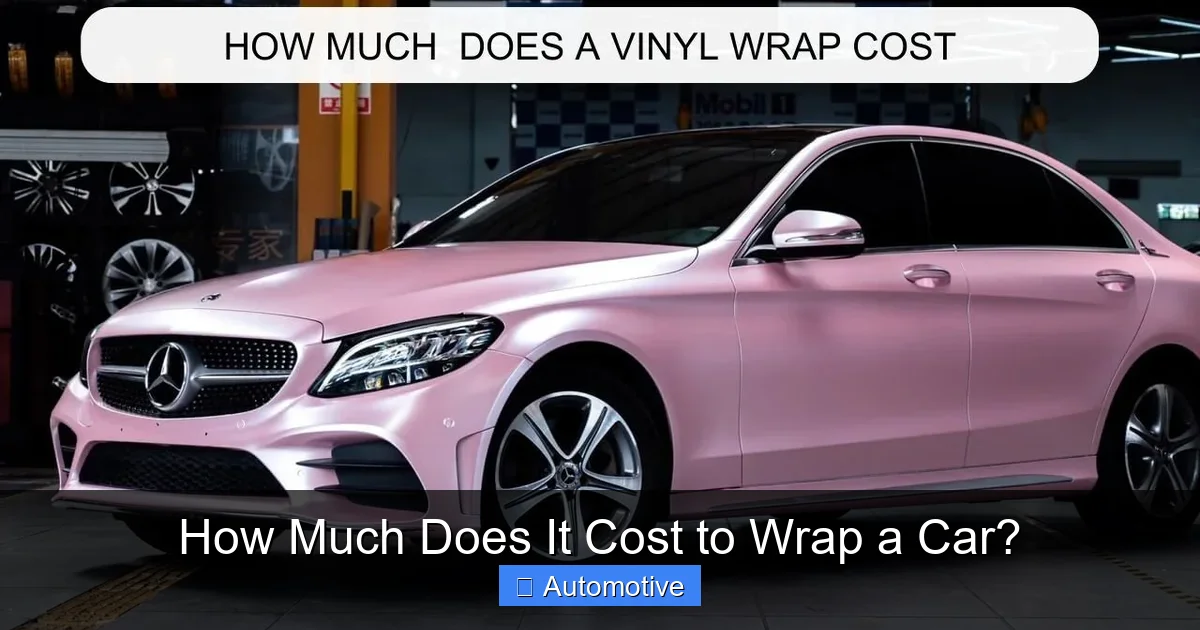
Color Change Wrap: A solid color applied over the entire vehicle. This is the most popular type for personal use. It’s less expensive than custom designs but still offers a bold new look.
Paint Protection Film (PPF): While not technically a “wrap” in the traditional sense, PPF is a clear vinyl film applied to high-impact areas (like the front bumper, hood, and mirrors) to protect against rock chips and scratches. It’s often used alongside color wraps for added durability.
Average Cost to Wrap a Car
Visual guide about How Much Does It Cost to Wrap a Car?
Image source: provinyl.com.au
So, how much does it cost to wrap a car? Let’s get into the numbers.
On average, a full car wrap costs between $2,000 and $6,000. That’s a wide range—and for good reason. A basic wrap on a small car with standard vinyl might cost around $2,000. But a full custom wrap on a large SUV with premium materials and intricate design could easily hit $8,000 or more.
Here’s a quick breakdown by vehicle type:
- Compact Cars (e.g., Honda Civic, Toyota Corolla): $2,000–$3,500
- Sedans (e.g., BMW 3 Series, Mercedes C-Class): $2,500–$4,500
- SUVs and Crossovers (e.g., Honda CR-V, Ford Explorer): $3,500–$6,000
- Trucks and Large Vehicles (e.g., Ford F-150, Chevy Silverado): $4,000–$7,000+
- Luxury or Exotic Cars (e.g., Porsche, Lamborghini): $6,000–$10,000+
These prices typically include materials and professional installation. DIY kits are cheaper—starting around $500–$1,000—but we’ll talk more about why that’s usually not the best idea later.
Why the Big Price Range?
You might be wondering why there’s such a difference in cost. It all comes down to three main factors: vehicle size, wrap material, and labor. Let’s break them down.
Vehicle Size: Bigger cars need more vinyl. A compact car might use 50–60 square feet of film, while a full-size truck could need 100+ square feet. More material means higher costs.
Material Quality: Not all vinyl is the same. Budget films are thinner and less durable. Premium brands like 3M, Avery Dennison, and KPMF offer better color retention, flexibility, and longevity. They also come with longer warranties—often 5–7 years.
Labor and Installation: Wrapping a car isn’t just slapping on a sticker. It requires skill, precision, and time. A professional installer will prep the surface, remove trim pieces, apply the film carefully, and trim edges. This process can take 1–3 days, depending on complexity.
Factors That Affect Car Wrap Pricing
Visual guide about How Much Does It Cost to Wrap a Car?
Image source: carlawrap.com
Now that you know the average costs, let’s dig deeper into what drives the price up or down. Understanding these factors will help you budget and make smart choices.
1. Vehicle Size and Shape
As mentioned, larger vehicles cost more to wrap. But it’s not just about size—shape matters too. Cars with complex curves, deep contours, or lots of trim (like grilles, mirrors, and door handles) are harder to wrap. More time and skill are needed to avoid wrinkles, bubbles, or misalignment.
For example, wrapping a boxy SUV like a Jeep Wrangler might be easier than wrapping a sleek sports car with tight curves and recessed panels. The more intricate the design, the higher the labor cost.
2. Type and Quality of Vinyl
Vinyl quality is a major cost driver. Here’s a quick comparison:
- Budget Vinyl ($20–$40 per roll): Thin, less durable, prone to fading and cracking. Often used for short-term wraps or DIY projects.
- Mid-Range Vinyl ($50–$80 per roll): Better color options and flexibility. Lasts 3–5 years with proper care.
- Premium Vinyl ($100+ per roll): High-end brands with superior adhesion, UV resistance, and longevity. Ideal for long-term wraps and harsh climates.
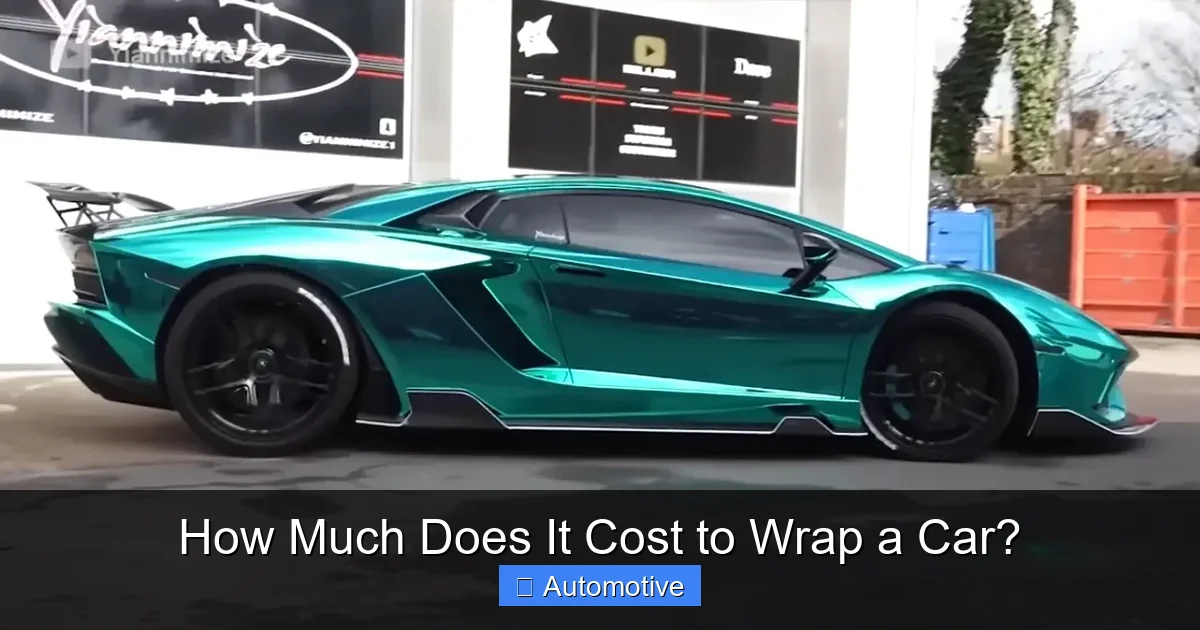
Premium films also offer unique finishes like metallic, chrome, or color-shifting effects. These specialty wraps can add $500–$2,000 to the total cost.
3. Design Complexity
A simple solid-color wrap is the most affordable option. But if you want custom graphics, gradients, or intricate patterns, expect to pay more. Design work takes time—both in creation and application.
For example, a full-wrap design with a flame pattern or company logo might require:
– A graphic designer ($200–$500)
– Custom printing ($300–$800)
– Extra installation time due to alignment and precision
Custom wraps can easily add $1,000–$3,000 to your total cost.
4. Labor and Installation Expertise
This is where many people underestimate the cost. A professional wrap isn’t just about applying film—it’s an art. Skilled installers know how to stretch, heat, and mold the vinyl without damaging it or the car’s surface.
Labor costs vary by location and shop reputation. In major cities like Los Angeles, New York, or Miami, you might pay $100–$150 per hour. In smaller towns, it could be $60–$90. A full wrap typically takes 15–30 hours of labor.
Cheap shops might cut corners—using lower-quality film, skipping surface prep, or rushing the job. This can lead to peeling, bubbling, or premature fading. In the long run, paying more for quality installation saves you money and frustration.
5. Additional Services
Some shops offer add-ons that increase the total cost but improve the final result:
- Surface Prep: Cleaning, clay barring, and polishing the paint before wrapping. Essential for adhesion and longevity. ($100–$200)
- Trim Removal: Taking off door handles, mirrors, and emblems for a seamless look. Adds $200–$500.
- Paint Correction: Fixing scratches or swirls before wrapping. Makes the wrap look smoother. ($300–$800)
- Warranty: Many shops offer 3–7 year warranties on materials and labor. Worth the extra cost for peace of mind.
DIY vs. Professional Installation
Visual guide about How Much Does It Cost to Wrap a Car?
Image source: vinylwrapro.com
You’ve probably seen DIY car wrap kits online for under $1,000. So why pay thousands for a professional job? Let’s compare.
DIY Car Wraps: Pros and Cons
Pros:
– Lower upfront cost ($500–$1,500)
– Fun project for car enthusiasts
– Full control over design and timeline
Cons:
– Steep learning curve—mistakes are common
– Risk of damaging paint or vinyl
– Poor adhesion leads to peeling and bubbling
– No warranty or professional support
– Time-consuming (can take days or weeks)
Most DIYers end up frustrated. Without the right tools (like heat guns, squeegees, and application fluids), even simple wraps can go wrong. And if you ruin the film, you’ve wasted money and time.
Professional Installation: Why It’s Worth It
Yes, it costs more—but you’re paying for expertise, quality, and results. Here’s what you get:
- Experience: Professionals have wrapped hundreds of cars. They know how to handle tricky areas and avoid common pitfalls.
- Quality Materials: Reputable shops use premium vinyl with strong adhesives and UV protection.
- Proper Tools: Heat guns, precision knives, and application fluids ensure a smooth, bubble-free finish.
- Warranty: Most shops offer 3–7 year warranties. If the wrap peels or fades, they’ll fix it for free.
- Time Savings: A pro can wrap your car in 1–3 days. DIY could take weeks.
In short: if you want a flawless, long-lasting wrap, go professional. The extra cost is an investment in quality.
How Long Does a Car Wrap Last?
One of the biggest questions people ask is: “How long will this last?” The answer depends on the material, installation, and how you care for it.
On average, a high-quality car wrap lasts 5–7 years. Premium films from brands like 3M can last even longer—up to 10 years with proper maintenance.
Factors That Affect Longevity
- UV Exposure: Sunlight breaks down vinyl over time. Cars parked outside daily will fade faster than garaged vehicles.
- Climate: Extreme heat or cold can cause cracking or peeling. Humidity also affects adhesion.
- Washing Habits: Harsh chemicals, automatic car washes, and abrasive brushes can damage the wrap. Hand washing with mild soap is best.
- Physical Damage: Scratches, rock chips, and road debris can tear the film. PPF can help protect high-impact areas.
Maintenance Tips
To get the most out of your wrap:
– Wash your car every 2–4 weeks with pH-neutral soap.
– Avoid waxing—most wraps don’t need it, and some waxes can damage the film.
– Use a microfiber cloth to dry.
– Park in the shade or use a car cover when possible.
– Address scratches or tears immediately to prevent further damage.
With good care, your wrap will look great for years—and protect your original paint underneath.
Is a Car Wrap Worth the Cost?
Now for the big question: is it worth it?
For many people, the answer is yes. Here’s why:
Cost vs. Repainting
A full repaint can cost $3,000–$10,000, depending on the shop and finish. It’s permanent, time-consuming, and can reduce resale value if not done perfectly. A wrap offers a similar visual transformation for less money—and it’s reversible.
Protection for Your Paint
A wrap acts like a shield. It protects your original paint from UV rays, minor scratches, and environmental damage. When you remove the wrap, your paint looks like new—great for resale.
Customization and Flexibility
Want to try a bold color like electric blue or matte black? A wrap lets you experiment without commitment. Change it in a few years when you’re ready for something new.
Business and Branding Opportunities
For business owners, wraps are a mobile billboard. A branded wrap on a delivery van or service truck can generate thousands of impressions daily—far more cost-effective than traditional advertising.
Resale Value
A well-maintained wrap can actually increase your car’s resale value. Buyers appreciate the protected paint and unique style. Just make sure the wrap is in good condition and professionally removed.
Tips to Save Money on a Car Wrap
Wrapping a car is an investment—but you don’t have to overspend. Here are some smart ways to save:
- Choose a Solid Color: Skip custom designs and go for a classic matte or gloss finish. It’s cheaper and timeless.
- Wrap During Off-Peak Seasons: Many shops offer discounts in winter when business is slower.
- Bundle Services: Some shops offer package deals—like wrap + PPF + paint correction—at a reduced rate.
- Get Multiple Quotes: Prices vary widely. Compare at least 3–5 shops to find the best value.
- Ask About Warranties: A longer warranty means better materials and confidence in the work.
- Maintain Your Wrap: Proper care extends its life, so you won’t need a replacement as soon.
Conclusion
So, how much does it cost to wrap a car? The answer isn’t one-size-fits-all. But with the right information, you can make a smart decision that fits your budget and goals.
Most car wraps cost between $2,000 and $6,000, with luxury or custom options going higher. The price depends on your vehicle size, the quality of vinyl, design complexity, and labor. While DIY kits are cheaper, professional installation delivers better results and longer life.
A car wrap is more than just a cosmetic upgrade—it’s a protective layer, a branding tool, and a way to express your personality. With proper care, it can last 5–7 years and even boost your car’s resale value.
If you’re ready to transform your ride, start by researching local wrap shops, reading reviews, and getting quotes. Don’t just go for the cheapest option—look for experience, quality materials, and a solid warranty.
In the end, a car wrap is an investment in style, protection, and peace of mind. And for many drivers, that’s worth every penny.
Frequently Asked Questions
How much does it cost to wrap a car?
The average cost to wrap a car ranges from $2,000 to $6,000, depending on vehicle size, wrap type, and material quality. Custom designs or luxury vehicles can cost $8,000 or more.
Is it cheaper to wrap or repaint a car?
Wrapping is usually cheaper than repainting. A full repaint can cost $3,000–$10,000 and is permanent, while a wrap offers similar results for less money and is reversible.
Can I wrap my car myself?
Yes, but it’s not recommended. DIY kits cost $500–$1,500, but mistakes can ruin the film or damage your paint. Professional installation ensures a flawless, long-lasting result.
How long does a car wrap last?
A high-quality car wrap lasts 5–7 years with proper care. Premium films and good maintenance can extend that to 10 years.
Will a car wrap damage my paint?
No—when applied and removed correctly, a wrap protects your original paint. In fact, it can prevent scratches, UV damage, and fading.
Can I wash my wrapped car?
Yes, but avoid automatic car washes and harsh chemicals. Hand wash with mild soap and a microfiber cloth to preserve the wrap’s finish.
