
How Much Does It Cost to Replace the Auxiliary Battery on a Mercedes Benz

Replacing the auxiliary battery on a Mercedes Benz typically costs between $200 and $400, including parts and labor. Prices vary by model, location, and whether you go to a dealership or independent mechanic. Understanding the role of the auxiliary battery and knowing when to replace it can save you from unexpected breakdowns.
If you drive a Mercedes Benz, you already know it’s more than just a car—it’s a statement of luxury, performance, and engineering excellence. But even the most refined machines need maintenance, and one component that often gets overlooked is the auxiliary battery. Unlike the main starter battery, the auxiliary battery plays a quiet but critical role in powering your vehicle’s electronics when the engine is off. From keeping your infotainment system alive to supporting key fob communication and security systems, this small battery punches well above its weight.
So, how much does it cost to replace the auxiliary battery on a Mercedes Benz? The short answer: between $200 and $400. But like most things in life, the real cost depends on several factors—your car’s model year, where you live, whether you go to a dealership or an independent mechanic, and the type of battery your Mercedes requires. In this guide, we’ll walk you through everything you need to know about auxiliary battery replacement, from understanding what it does to getting the best value for your money.
Whether you’re driving a sleek C-Class sedan, a rugged GLE SUV, or a high-performance AMG model, this information will help you make an informed decision. We’ll also share practical tips to extend your battery’s life and avoid unnecessary expenses. Because when it comes to luxury vehicles, prevention is always better—and cheaper—than cure.
Key Takeaways
- Cost Range: Expect to pay $200–$400 for a Mercedes auxiliary battery replacement, depending on model and service provider.
- Dealership vs. Independent Shop: Dealerships charge more but offer OEM parts and warranty; independent shops are often cheaper and just as reliable.
- Battery Type Matters: Most modern Mercedes models use AGM (Absorbent Glass Mat) batteries, which are more expensive but longer-lasting.
- Location Affects Price: Labor rates vary by region—urban areas and high-cost-of-living cities tend to have higher service fees.
- Signs of Failure: Dim lights, slow engine crank, warning messages, or frequent jump-starts indicate a failing auxiliary battery.
- DIY Not Recommended: Due to complex electrical systems and coding requirements, professional installation is strongly advised.
- Preventive Maintenance: Regular inspections during service visits can help catch battery issues early and avoid costly repairs.
📑 Table of Contents
- What Is an Auxiliary Battery and Why Does Your Mercedes Need One?
- Average Cost to Replace the Auxiliary Battery on a Mercedes Benz
- Factors That Influence the Replacement Cost
- Signs You Need to Replace the Auxiliary Battery
- Can You Replace the Auxiliary Battery Yourself?
- Tips to Extend the Life of Your Auxiliary Battery
- Conclusion: Is It Worth the Cost?
What Is an Auxiliary Battery and Why Does Your Mercedes Need One?
Before diving into costs, it’s important to understand what the auxiliary battery actually does. In most modern Mercedes Benz vehicles, there are two batteries: the main starter battery (usually located in the trunk or under the rear seat) and the auxiliary battery (often found under the hood or in the engine bay). While the main battery starts the engine and powers high-draw systems, the auxiliary battery supports low-voltage electronics when the engine isn’t running.
Primary Functions of the Auxiliary Battery
The auxiliary battery keeps essential systems active even when the car is off. This includes the central locking system, alarm, key fob communication, infotainment memory, and climate control settings. It also helps maintain power to the vehicle’s control modules during startup, ensuring smooth communication between electronic components.
For example, if you walk up to your Mercedes with the key fob and the doors don’t unlock, or if your navigation system resets every time you turn off the car, the auxiliary battery might be the culprit. These systems rely on a steady trickle of power, and without a healthy auxiliary battery, they can’t function properly.
How It Differs from the Main Battery
Many drivers confuse the auxiliary battery with the main battery, but they serve different purposes. The main battery is larger, delivers high cranking amps to start the engine, and is typically a traditional lead-acid or AGM (Absorbent Glass Mat) type. The auxiliary battery, on the other hand, is smaller and designed for low-power, continuous use. It’s often a maintenance-free AGM battery as well, but it’s not meant to handle heavy loads.
Because of this difference, replacing the auxiliary battery is generally less expensive than replacing the main battery—but it’s still a job that requires precision. Modern Mercedes models use complex electrical architectures, and improper handling can trigger error codes or disable key systems.
Average Cost to Replace the Auxiliary Battery on a Mercedes Benz
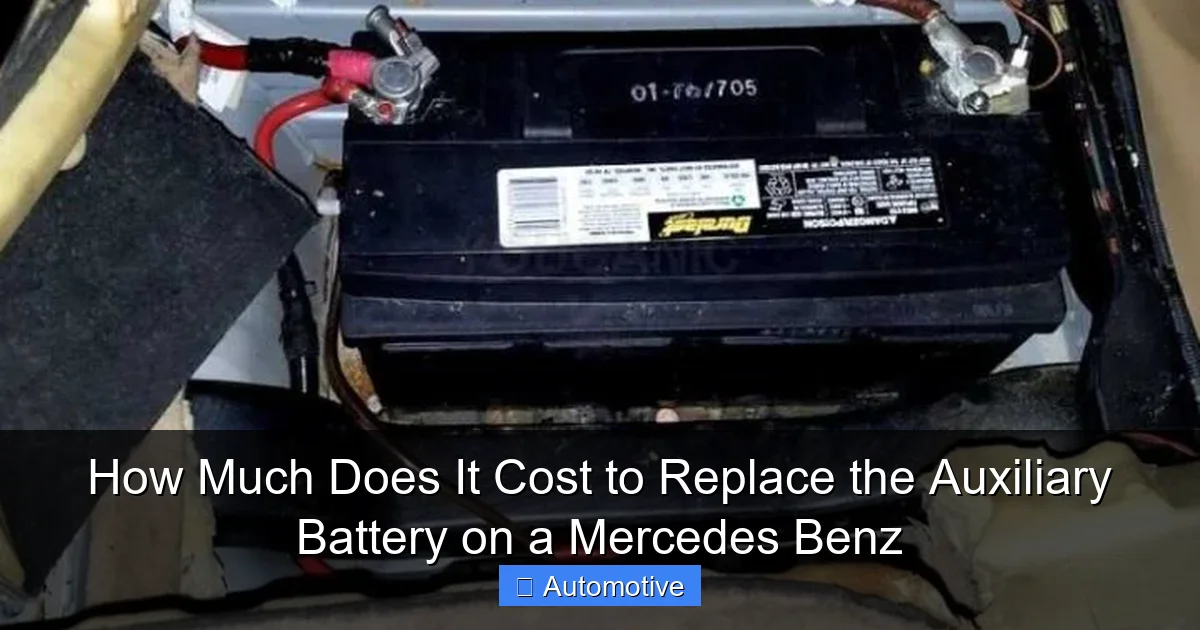
Visual guide about How Much Does It Cost to Replace the Auxiliary Battery on a Mercedes Benz
Image source: trucksauthority.com
So, how much will it actually cost you to replace the auxiliary battery? The national average in the U.S. ranges from $200 to $400, but this can vary significantly based on several factors. Let’s break it down.
Parts Cost: $100–$250
The price of the battery itself depends on the type and brand. Most newer Mercedes models (2015 and later) use AGM auxiliary batteries, which are more durable and efficient than traditional flooded batteries. A genuine Mercedes-Benz OEM (Original Equipment Manufacturer) AGM battery typically costs between $150 and $250. Aftermarket options from reputable brands like Bosch, Varta, or Optima can be slightly cheaper, ranging from $100 to $200.
While aftermarket batteries can save you money, it’s important to ensure compatibility. Some models require specific voltage, capacity (Ah), and physical dimensions. Using the wrong battery can lead to poor performance or damage to the vehicle’s electrical system.
Labor Cost: $100–$150
Labor is where costs can really differ. At a Mercedes dealership, you can expect to pay $120–$150 for labor, which usually takes about 30 to 60 minutes. Independent shops and specialized European car mechanics often charge less—typically $80–$120—for the same job.
Why the difference? Dealerships use factory-trained technicians and have access to proprietary diagnostic tools. They also perform a battery registration or coding process using Mercedes’ STAR Diagnostic system, which ensures the new battery is properly recognized by the car’s computer. This step is crucial because without it, the vehicle may not charge the battery correctly, leading to premature failure.
Independent shops may not have the same level of equipment, but many experienced mechanics are well-versed in Mercedes systems and can perform the job just as effectively—often at a lower price.
Total Cost Breakdown by Service Type
Here’s a quick comparison of total replacement costs:
- Mercedes Dealership: $270–$400 (OEM battery + labor + coding)
- Independent European Specialist: $200–$320 (quality aftermarket or OEM battery + labor + coding)
- General Mechanic (not recommended): $150–$250 (may skip coding, risking system errors)
While general mechanics might seem like a bargain, skipping the coding step can cause issues down the road. The car’s Battery Management System (BMS) needs to know a new battery has been installed to adjust charging rates and monitor health. Without proper registration, you could end up with a dead battery sooner than expected.
Factors That Influence the Replacement Cost
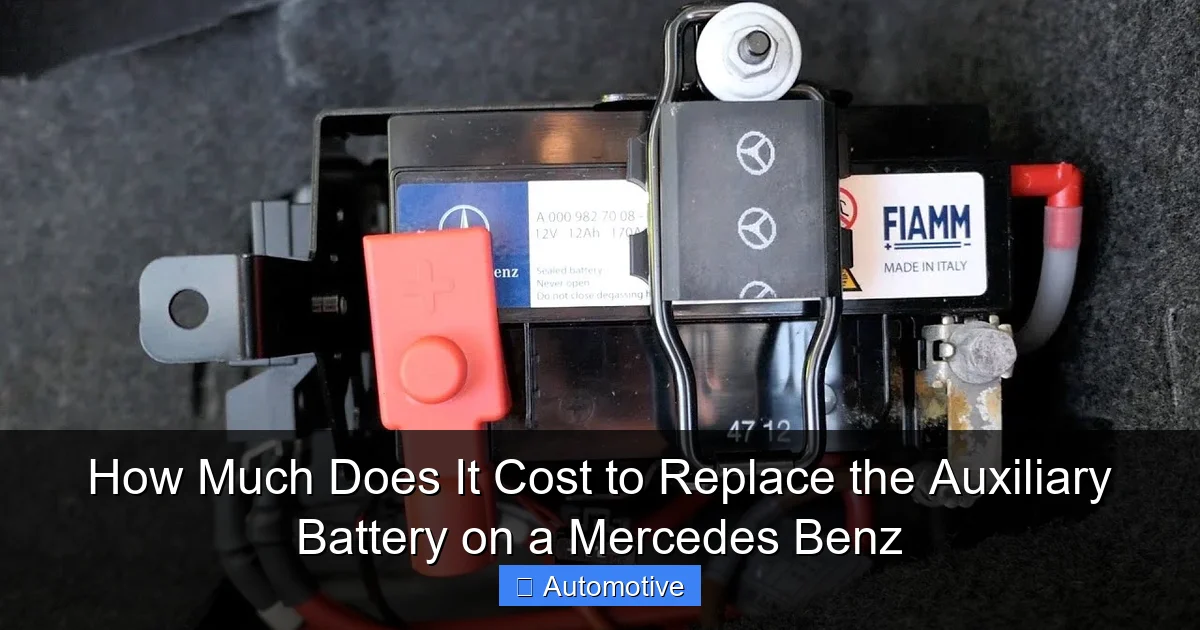
Visual guide about How Much Does It Cost to Replace the Auxiliary Battery on a Mercedes Benz
Image source: i.ytimg.com
Several variables can affect how much you’ll pay to replace your Mercedes auxiliary battery. Understanding these can help you budget and make smarter decisions.
Vehicle Model and Year
Newer Mercedes models, especially those with advanced driver-assistance systems (ADAS) and high-end infotainment, tend to have more complex electrical systems. This can make battery replacement slightly more involved. For example, replacing the auxiliary battery on a 2020 Mercedes S-Class may require more diagnostic steps than on a 2012 C-Class.
Additionally, some models have the auxiliary battery tucked away in hard-to-reach locations, increasing labor time. In the GLE or GLS SUVs, for instance, the battery may be located under the passenger-side fender liner, requiring partial disassembly.
Geographic Location
Labor rates vary widely across the U.S. In cities like New York, Los Angeles, or San Francisco, you might pay 20–30% more for the same service compared to rural areas or the Midwest. A dealership in Manhattan could charge $150 for labor, while one in Des Moines might charge $100.
It’s always worth calling a few shops in your area to compare quotes. Even within the same city, prices can differ significantly.
OEM vs. Aftermarket Batteries
Choosing between an OEM and aftermarket battery is a common dilemma. OEM batteries are made by Mercedes’ approved suppliers and are guaranteed to meet factory specifications. They often come with a 2-year warranty and are the safest choice for maintaining your vehicle’s integrity.
Aftermarket batteries can be a good value, especially if you’re on a budget. Brands like Bosch and Varta actually supply batteries to Mercedes, so their aftermarket versions are often identical to OEM—just without the Mercedes logo. However, be cautious with no-name brands or extremely cheap options, as they may not last as long or perform reliably.
Warranty and Service Plans
If your Mercedes is still under warranty or you have an extended service plan, battery replacement might be covered—especially if the failure is due to a defect. Check your warranty terms or contact your dealer to see if you’re eligible for a free or discounted replacement.
Even out of warranty, some dealerships offer loyalty discounts or service promotions that can reduce the cost.
Signs You Need to Replace the Auxiliary Battery
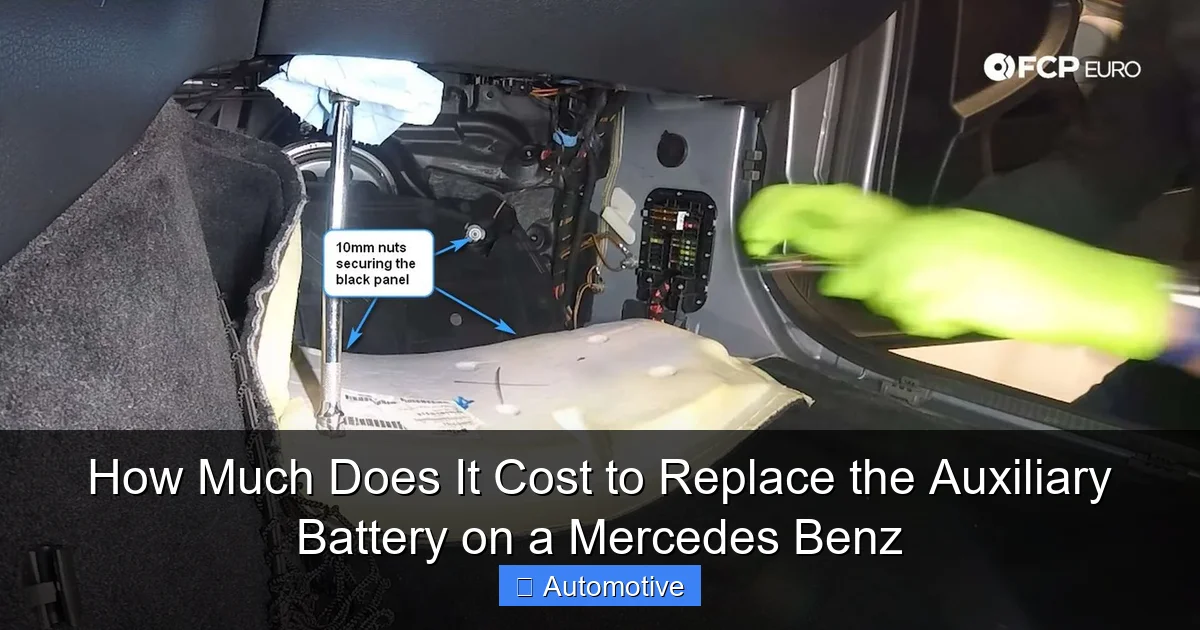
Visual guide about How Much Does It Cost to Replace the Auxiliary Battery on a Mercedes Benz
Image source: images.contentstack.io
Knowing when to replace your auxiliary battery can save you from being stranded or dealing with frustrating electrical issues. Here are the most common warning signs:
Slow or Failed Key Fob Response
If your key fob takes longer to unlock the doors or doesn’t work unless you’re right next to the car, the auxiliary battery may be weak. This battery powers the receiver that communicates with the key fob, so a drop in voltage can disrupt the signal.
Infotainment System Resets
Does your radio presets, navigation history, or climate settings reset every time you turn off the car? That’s a classic sign the auxiliary battery isn’t holding a charge. These systems rely on constant power to retain memory.
Warning Messages on the Dashboard
Modern Mercedes vehicles will often display a message like “Auxiliary Battery Malfunction” or “Electrical System Fault” when the battery is failing. Don’t ignore these alerts—they’re your car’s way of saying something’s wrong.
Dim Interior or Exterior Lights
While this can also indicate a problem with the main battery or alternator, dim lights when the engine is off often point to a weak auxiliary battery. If the lights brighten when you start the engine, the auxiliary battery is likely the issue.
Frequent Jump-Starts or Battery Drain
If you find yourself needing jump-starts more often, or if the car won’t start even with a full main battery, the auxiliary battery might not be supporting the startup sequence properly.
Age of the Battery
Most auxiliary batteries last 3 to 5 years. If your car is older than that and you’ve never replaced the auxiliary battery, it’s probably time. Even if it seems to be working, preventive replacement can avoid unexpected failures.
Can You Replace the Auxiliary Battery Yourself?
With the rise of DIY car maintenance, you might be tempted to replace the auxiliary battery yourself to save money. While it’s technically possible, it’s generally not recommended—especially on modern Mercedes models.
Why DIY Is Risky
Mercedes vehicles use sophisticated electrical systems that require precise handling. Simply disconnecting and reconnecting the battery without proper procedure can trigger error codes, disable safety systems, or even damage the ECU (Engine Control Unit).
Additionally, most models require battery registration using a diagnostic tool. Without this step, the car won’t recognize the new battery, leading to improper charging and reduced lifespan.
Tools and Knowledge Required
To do it safely, you’d need:
- A compatible AGM battery
- Basic hand tools (wrenches, screwdrivers)
- A Mercedes-compatible diagnostic scanner (like an Autel MaxiCOM or Launch X431)
- Access to the vehicle’s service manual
Even then, one wrong move—like reversing polarity or over-tightening terminals—can cause serious damage.
When DIY Might Make Sense
If you’re an experienced mechanic with the right tools and knowledge, and your model has a straightforward battery location (like some older C-Class models), DIY could save you $100 or more. But for most drivers, the risk isn’t worth the reward.
Tips to Extend the Life of Your Auxiliary Battery
Prevention is key when it comes to battery longevity. Here are some practical tips to help your auxiliary battery last as long as possible:
Limit Short Trips
Frequent short drives don’t give the alternator enough time to fully recharge the batteries. Over time, this can lead to gradual discharge and reduced lifespan. If possible, take longer drives occasionally to keep the system charged.
Avoid Excessive Electronics Use When Engine Is Off
Leaving the radio, lights, or climate control on while the engine is off drains the auxiliary battery quickly. Try to minimize this, especially if you’re parked for extended periods.
Use a Battery Maintainer
If you don’t drive your Mercedes regularly (e.g., it’s a weekend car), consider using a smart battery maintainer or trickle charger. These devices keep the battery at optimal charge without overcharging.
Keep the Battery Clean and Secure
Dirt, corrosion, and loose connections can reduce efficiency. Inspect the battery terminals during oil changes and clean any corrosion with a baking soda and water solution.
Schedule Regular Inspections
Ask your mechanic to check the auxiliary battery during routine service visits. Many shops offer free battery tests that can detect early signs of failure.
Conclusion: Is It Worth the Cost?
Replacing the auxiliary battery on a Mercedes Benz is a necessary maintenance task that ensures your vehicle’s electronics function smoothly. While the cost—typically $200 to $400—might seem steep compared to a standard car battery, it’s a small price to pay for the reliability and luxury your Mercedes delivers.
By choosing the right service provider, understanding the signs of failure, and practicing good battery care, you can avoid unexpected breakdowns and extend the life of your vehicle’s electrical system. Whether you go to a dealership for peace of mind or an independent shop for savings, the key is to act before problems arise.
Remember, your Mercedes is designed to perform at the highest level—and that includes its electrical components. Don’t let a failing auxiliary battery dim your driving experience. Stay proactive, stay informed, and keep your luxury ride running like new.
Frequently Asked Questions
How often should I replace the auxiliary battery in my Mercedes?
Most auxiliary batteries last 3 to 5 years. If your car is older than that or you notice electrical issues, it’s time for a replacement. Regular inspections can help catch problems early.
Can I use a regular car battery instead of an AGM battery?
No. Modern Mercedes models require AGM (Absorbent Glass Mat) batteries for the auxiliary system. Using a traditional flooded battery can lead to poor performance and damage.
Will replacing the auxiliary battery reset my infotainment system?
Not if done correctly. A professional replacement with proper coding should preserve your settings. However, if the battery is disconnected improperly, you may lose presets and preferences.
Does the main battery affect the auxiliary battery?
Indirectly, yes. If the main battery is weak or the alternator isn’t charging properly, the auxiliary battery may not receive enough power to stay charged, leading to premature failure.
Can I drive my Mercedes with a dead auxiliary battery?
You may be able to start and drive the car, but key functions like keyless entry, infotainment memory, and alarm systems may not work. It’s best to replace it as soon as possible.
Is battery replacement covered under Mercedes warranty?
It depends. If the battery fails due to a defect and your vehicle is under warranty, it may be covered. Check your warranty terms or contact your dealer for details.
