
How Much Does It Cost to Paint a Toyota Tundra?

Painting a Toyota Tundra typically costs between $300 and $5,000, depending on quality, location, and whether you DIY or hire a pro. From basic touch-ups to full custom repaints, understanding your options helps you choose the best value for your budget and truck’s condition.
Key Takeaways
- Cost Range: Expect to pay $300–$5,000+ to paint a Toyota Tundra, with most owners spending $1,500–$3,500 for a quality job.
- DIY vs. Professional: DIY painting saves money but requires skill, tools, and time; pros offer durability and finish quality.
- Paint Types Matter: Basecoat/clearcoat, single-stage, and ceramic coatings affect price and longevity.
- Preparation is Key: Sanding, priming, and masking can add $200–$800 to labor costs but ensure a smooth, lasting finish.
- Color & Customization: Factory colors are cheaper; custom colors, wraps, or two-tone designs increase cost significantly.
- Location & Shop Rates: Urban areas and high-end shops charge more; get multiple quotes to compare.
- Maintenance Pays Off: Regular washing and waxing protect your paint job and extend its life.
📑 Table of Contents
- How Much Does It Cost to Paint a Toyota Tundra?
- Why Repaint Your Toyota Tundra?
- Factors That Affect the Cost to Paint a Toyota Tundra
- DIY vs. Professional Paint Jobs: Pros and Cons
- Average Cost Breakdown for Painting a Toyota Tundra
- Tips to Save Money on Your Tundra Paint Job
- How Long Does a Paint Job Last?
- Conclusion: Is It Worth It to Repaint Your Tundra?
How Much Does It Cost to Paint a Toyota Tundra?
So, you’ve got a Toyota Tundra—tough, reliable, and built for the long haul. But over time, maybe the paint is fading, chipping, or just not turning heads like it used to. Whether it’s sun damage, road debris, or you’re ready for a fresh new look, repainting your Tundra might be on your radar. But here’s the big question: how much does it actually cost to paint a Toyota Tundra?
The short answer? It depends. A lot. From the type of paint you choose to whether you do it yourself or hire a pro, the price can swing wildly. But don’t worry—we’re breaking it all down so you can make an informed decision without blowing your budget.
In this guide, we’ll walk you through every factor that affects the cost of painting your Tundra, from basic touch-ups to full custom jobs. Whether you’re looking to restore your truck’s original shine or go full custom with a matte black finish, we’ve got you covered. By the end, you’ll know exactly what to expect—and how to get the best value for your money.
Why Repaint Your Toyota Tundra?
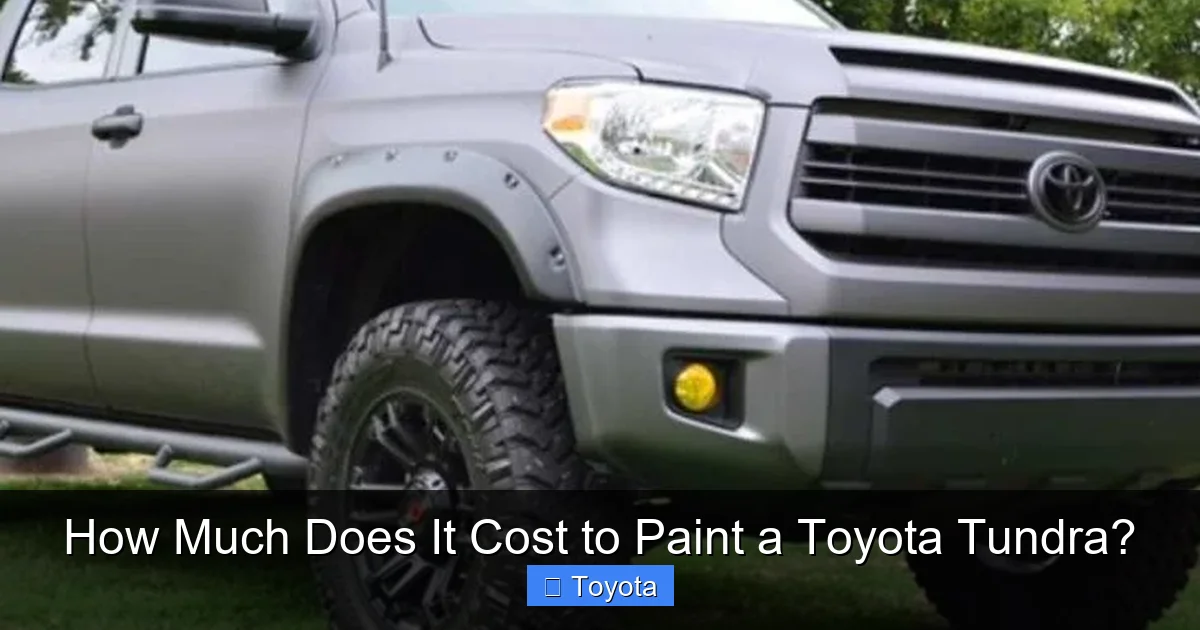
Visual guide about How Much Does It Cost to Paint a Toyota Tundra?
Image source: trucksauthority.com
Before we dive into costs, let’s talk about why you might want to repaint your Tundra in the first place. It’s not just about looks—though let’s be honest, a fresh paint job can make your truck feel brand new.
One of the most common reasons is wear and tear. The Tundra is a workhorse. It’s built to handle tough jobs, off-road adventures, and long commutes. But all that exposure to sun, rain, salt, and road grime takes a toll. Over time, the paint can fade, oxidize, or develop fine scratches and chips—especially on the hood, roof, and fenders.
Another reason? Resale value. A well-maintained exterior can boost your truck’s resale price by hundreds, even thousands of dollars. Buyers notice paint condition, and a clean, uniform finish signals that the vehicle has been cared for.
Then there’s personalization. Maybe you’ve always wanted a different color—something bolder than the standard white, black, or silver. Or perhaps you’re into off-roading and want a rugged, military-inspired matte green. Custom paint lets you express your style and make your Tundra stand out.
And let’s not forget repairs. If your truck has been in a minor fender bender or has rust spots, repainting those areas (or the whole truck) can restore its appearance and prevent further damage.
Common Paint Issues on the Toyota Tundra
The Tundra is known for its durability, but no vehicle is immune to paint problems. Here are some of the most common issues owners face:
– Fading: Prolonged sun exposure, especially in southern or desert climates, can cause the paint to lose its vibrancy. Darker colors like black and red are especially prone to fading.
– Chipping: The front end of the truck takes a beating from rocks, gravel, and debris. Over time, this leads to paint chips that can expose the metal underneath.
– Rust: If chips aren’t repaired, moisture can seep in and cause rust. This is more common in areas with snow and road salt.
– Oxidation: Older paint can develop a chalky, dull appearance due to oxidation—a chemical reaction between the paint and oxygen.
– Scratches: From car washes to parking lot encounters, scratches are inevitable. While minor ones can be buffed out, deeper ones may require repainting.
Addressing these issues early can prevent bigger, more expensive problems down the road. And repainting—whether partial or full—is often the best solution.
Factors That Affect the Cost to Paint a Toyota Tundra
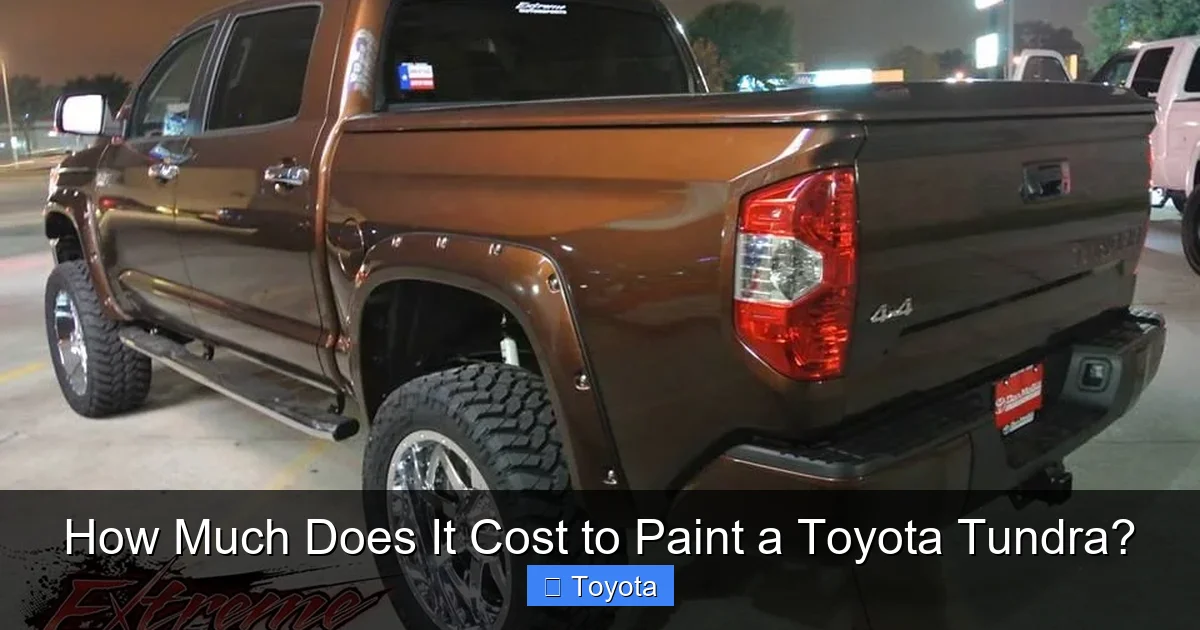
Visual guide about How Much Does It Cost to Paint a Toyota Tundra?
Image source: i.pinimg.com
Now, let’s get into the nitty-gritty: what actually determines how much it costs to paint your Tundra? There are several key factors, and understanding them will help you budget wisely.
Type of Paint Job
This is the biggest cost driver. Not all paint jobs are created equal. Here’s a breakdown of the main types:
– Touch-Up Paint: For small chips and scratches, you can buy a touch-up pen or bottle for $20–$50. This is the cheapest option but only works for minor damage.
– Partial Repaint: If only certain panels (like the hood or doors) need work, a partial repaint might cost $300–$1,200. This is common for trucks with localized damage.
– Full Repaint: A complete repaint of the entire truck typically ranges from $1,500 to $5,000+. This includes sanding, priming, painting, and clearcoating all exterior surfaces.
– Custom Paint Job: If you want a unique color, metallic finish, or artistic design, costs can soar to $5,000–$15,000 or more. This includes specialty paints, airbrushing, and extra labor.
Paint Quality and Type
Not all paint is the same. Higher-quality paints last longer and look better, but they come at a premium.
– Basecoat/Clearcoat: This is the most common type used on modern vehicles, including the Tundra. It involves applying a colored base layer followed by a protective clearcoat. It’s durable and gives a glossy finish. Expect to pay more for high-end brands like PPG or DuPont.
– Single-Stage Paint: Older systems where color and protection are combined in one layer. It’s less common today but can be cheaper. However, it’s harder to match and less durable.
– Ceramic Coatings: While not paint, ceramic coatings are often applied after repainting for extra protection. They repel water, dirt, and UV rays. A professional ceramic coating can add $500–$1,500 to your total cost.
Labor and Shop Rates
Labor is a huge part of the cost. Professional auto body shops charge anywhere from $50 to $150 per hour, depending on location and reputation.
A full repaint on a Tundra can take 20–40 hours, including prep, painting, and drying time. That means labor alone could cost $1,000–$6,000. But many shops offer package deals that include materials and labor.
Preparation Work
This is where many people underestimate costs. A quality paint job isn’t just about slapping on new paint. It requires thorough prep work:
– Sanding: Old paint must be sanded down to create a smooth surface. This can take hours, especially if there’s rust or deep scratches.
– Priming: A primer is applied to help the new paint adhere and prevent rust. This adds time and material cost.
– Masking: Windows, trim, lights, and other parts must be carefully masked off to avoid overspray. This is labor-intensive.
– Body Repairs: If there’s dents, rust, or structural damage, those must be fixed first. This can add $200–$1,000+ depending on severity.
Skipping prep might save money upfront, but it leads to a poor finish that won’t last.
Location and Shop Type
Where you live and where you get the work done matters. Shops in big cities or affluent areas charge more due to higher overhead. A repaint in Los Angeles or New York might cost 20–30% more than in a rural area.
Also, consider the type of shop:
– Dealerships: Often the most expensive, but they use OEM (original equipment manufacturer) paint and have trained technicians.
– Independent Body Shops: Usually more affordable and can offer competitive quality. Look for shops with good reviews and certifications (like ASE).
– Mobile Paint Services: Some companies come to you. Convenient, but may not offer the same level of finish as a full shop.
Color and Customization
Sticking with your truck’s original factory color is usually cheaper because the paint is readily available and easy to match. But if you want a custom color—say, a deep metallic blue or a matte finish—it can cost significantly more.
Custom colors require special mixing, which adds time and material cost. Matte finishes also require different techniques and are harder to maintain. And if you’re going for a two-tone or stripe design, expect to pay extra for the extra labor.
DIY vs. Professional Paint Jobs: Pros and Cons
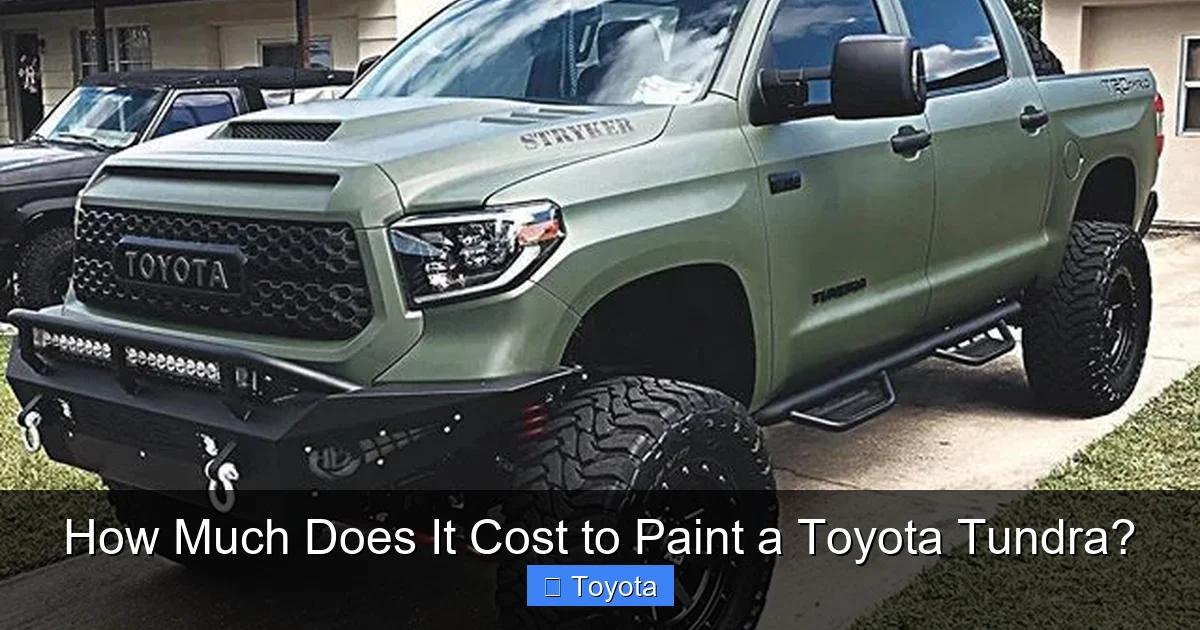
Visual guide about How Much Does It Cost to Paint a Toyota Tundra?
Image source: i.pinimg.com
One of the biggest decisions you’ll make is whether to tackle the paint job yourself or hire a pro. Both options have their place, but they come with very different costs and outcomes.
DIY Painting: Save Money, But Know the Risks
If you’re handy and have some experience, DIY painting can save you thousands. A basic DIY kit—including sandpaper, primer, paint, and clearcoat—can cost $200–$600. Add in tools like a spray gun, compressor, and safety gear, and you might spend $500–$1,000 total.
But here’s the catch: DIY painting is hard. Really hard. It requires:
– A dust-free, climate-controlled space (like a garage with good ventilation)
– Proper safety gear (respirator, gloves, goggles)
– Skill in mixing and applying paint evenly
– Patience—rushing leads to drips, bubbles, and orange peel texture
And even if you do everything right, a DIY job rarely matches the smoothness and durability of a professional finish. It’s great for touch-ups or if you’re on a tight budget, but for a full repaint, most experts recommend going pro.
Professional Painting: Pay More, Get Better Results
Hiring a professional ensures a high-quality, long-lasting finish. Pros have the tools, experience, and environment to do the job right. They also often offer warranties—some up to 5 years—on their work.
The downside? Cost. As mentioned, a professional full repaint can run $1,500–$5,000+. But when you factor in the value of your time, the risk of mistakes, and the resale value of a pro job, it’s often worth the investment.
Hybrid Option: Partial DIY
Some owners choose a middle ground: do the prep work themselves (sanding, priming, masking) and hire a pro just for the painting. This can save $500–$1,000 on labor while still getting a professional finish. Just make sure the shop is okay with this arrangement—some prefer to do the entire job themselves.
Average Cost Breakdown for Painting a Toyota Tundra
Let’s put it all together with a realistic cost breakdown. These are average estimates based on industry standards and real-world quotes.
Touch-Up Paint (DIY)
– Cost: $20–$50
– Best for: Small chips and scratches
– Time: 1–2 hours
– Tools needed: Touch-up pen, rubbing compound, wax
Partial Repaint (Professional)
– Cost: $300–$1,200
– Includes: 1–3 panels (e.g., hood, door, fender)
– Time: 1–3 days
– Best for: Localized damage or fading
Full Repaint (Professional, Standard Quality)
– Cost: $1,500–$3,500
– Includes: Full sanding, priming, basecoat, clearcoat, reassembly
– Time: 3–7 days
– Best for: Restoring a truck with moderate wear
Full Repaint (Professional, High-End)
– Cost: $3,500–$5,000+
– Includes: Premium paint, extra prep, ceramic coating, warranty
– Time: 5–10 days
– Best for: Show trucks, high resale value, or long-term ownership
Custom Paint Job
– Cost: $5,000–$15,000+
– Includes: Custom color, airbrushing, special finishes (matte, pearl, etc.)
– Time: 1–3 weeks
– Best for: Enthusiasts, off-road builds, or personal expression
Tips to Save Money on Your Tundra Paint Job
Painting your Tundra doesn’t have to break the bank. Here are some practical tips to keep costs down without sacrificing quality.
Get Multiple Quotes
Don’t settle for the first estimate you get. Contact at least 3–5 local body shops and compare prices, services, and reviews. Ask for detailed breakdowns so you can see where the money is going.
Choose the Right Time
Many shops offer discounts during slower seasons (like winter). Also, avoid holidays and weekends when labor rates may be higher.
Do Some Prep Work Yourself
If you’re comfortable with sanding and masking, doing this part yourself can save $200–$500. Just make sure you do it properly—poor prep ruins even the best paint.
Stick to Factory Colors
Custom colors are fun, but they’re expensive. If you’re on a budget, choose a standard color that’s easy to match.
Consider a Paint Protection Film (PPF)
Instead of a full repaint, you might opt for a clear PPF on high-impact areas like the hood and front bumper. It’s cheaper ($500–$1,500) and protects against chips and scratches.
Maintain Your Paint
Once your truck is painted, keep it looking great with regular washing, waxing, and garage storage. This extends the life of the paint and reduces the need for future repaints.
How Long Does a Paint Job Last?
A quality paint job on a Toyota Tundra can last 10–15 years or more with proper care. Factors that affect longevity include:
– Quality of paint and prep work
– Climate (UV exposure, humidity, salt)
– Maintenance (washing, waxing, garage use)
– Driving conditions (off-roading, highway use)
High-end jobs with ceramic coatings can last even longer. But even the best paint will eventually fade or chip—so regular upkeep is key.
Conclusion: Is It Worth It to Repaint Your Tundra?
So, is repainting your Toyota Tundra worth the cost? For most owners, the answer is yes—especially if your truck has significant paint damage or you’re planning to keep it for years.
A fresh paint job not only improves appearance but also protects the metal underneath, boosts resale value, and gives you pride of ownership. Whether you go DIY or hire a pro, the key is to choose the right option for your budget, skill level, and goals.
Remember: cheap paint jobs often look cheap. Investing in quality materials and workmanship pays off in the long run. And with the average cost to paint a Toyota Tundra ranging from $300 to $5,000+, there’s an option for every budget.
So go ahead—give your Tundra the makeover it deserves. Whether it’s a simple touch-up or a full custom transformation, a new paint job can make your truck feel like new again.
Frequently Asked Questions
How much does it cost to paint a Toyota Tundra?
The cost to paint a Toyota Tundra ranges from $300 for a DIY touch-up to $5,000+ for a professional full repaint. Most owners spend between $1,500 and $3,500 for a quality job that includes prep, paint, and clearcoat.
Can I paint my Tundra myself?
Yes, you can paint your Tundra yourself, but it requires skill, the right tools, and a clean workspace. DIY kits cost $200–$600, but the finish may not match a professional job. It’s best for small repairs or if you’re experienced.
How long does a professional paint job take?
A professional paint job on a Toyota Tundra typically takes 3–7 days, depending on the shop’s workload and the extent of prep work. Custom jobs or high-end finishes may take longer.
Does insurance cover paint damage?
Comprehensive insurance may cover paint damage from accidents, vandalism, or weather. However, normal wear and tear or fading is usually not covered. Check your policy details.
What’s the difference between basecoat/clearcoat and single-stage paint?
Basecoat/clearcoat uses two layers—color and protective clear—giving a glossy, durable finish. Single-stage combines both in one layer, is less common today, and harder to repair. Most modern trucks, including the Tundra, use basecoat/clearcoat.
How can I protect my Tundra’s new paint?
Wash your truck regularly, apply wax every 3–6 months, and consider a ceramic coating or paint protection film. Store it in a garage when possible to shield it from UV rays and weather.