How Much Does Auto Window Tint Cost

Contents
- 1 Key Takeaways
- 2 📑 Table of Contents
- 3 How Much Does Auto Window Tint Cost? A Complete Guide
- 4 Factors That Affect Auto Window Tint Cost
- 5 Average Cost Breakdown by Film Type
- 6 DIY vs. Professional Installation: Which Is Right for You?
- 7 Legal Considerations and State Tint Laws
- 8 Tips to Save Money on Auto Window Tinting
- 9 What to Expect During Installation
- 10 Conclusion: Is Auto Window Tinting Worth It?
- 11 Frequently Asked Questions

Liquid Car Polish

Anti-Slip Dashboard Mat
Power Steering Fluid

Car Seat Organizer
Auto window tint cost typically ranges from $100 to $600, depending on film type, vehicle size, and installation quality. While DIY kits seem cheaper, professional installation ensures durability, legality, and better heat rejection.
Key Takeaways
- Cost Range: Most car owners pay between $150 and $400 for professional auto window tinting, with luxury or full-coverage jobs reaching $600+.
- Film Type Matters: Dyed films are cheapest ($100–$200), while ceramic and carbon films offer superior performance at $300–$600.
- Vehicle Size Impacts Price: Larger vehicles like SUVs and trucks cost 20–40% more due to more glass surface area.
- DIY vs. Professional: DIY kits cost $20–$80 but risk bubbles, peeling, and legal issues—professionals offer warranties and precision.
- Legal Limits Vary: Tint darkness laws differ by state; always check local regulations to avoid fines.
- Long-Term Value: High-quality tint reduces heat, protects interiors, and improves privacy—worth the investment.
- Warranty & Maintenance: Premium films often include 5–10 year warranties; proper care extends lifespan.
📑 Table of Contents
- How Much Does Auto Window Tint Cost? A Complete Guide
- Factors That Affect Auto Window Tint Cost
- Average Cost Breakdown by Film Type
- DIY vs. Professional Installation: Which Is Right for You?
- Legal Considerations and State Tint Laws
- Tips to Save Money on Auto Window Tinting
- What to Expect During Installation
- Conclusion: Is Auto Window Tinting Worth It?
How Much Does Auto Window Tint Cost? A Complete Guide
So, you’re thinking about getting your car windows tinted. Maybe you’re tired of feeling like you’re baking inside your vehicle during summer, or perhaps you just want a little more privacy and style. Whatever your reason, one question always comes up first: *How much does auto window tint cost?*
The short answer? It depends. But don’t worry—we’re here to break it all down so you can make an informed decision without breaking the bank. From the type of film you choose to the size of your vehicle and whether you go DIY or hire a pro, several factors influence the final price. In this guide, we’ll walk you through everything you need to know about auto window tinting costs in 2024, including real-world examples, money-saving tips, and what to expect during installation.
Whether you drive a compact sedan or a full-size SUV, understanding the pricing structure will help you avoid overpaying or ending up with a subpar job. Let’s dive in.
Factors That Affect Auto Window Tint Cost
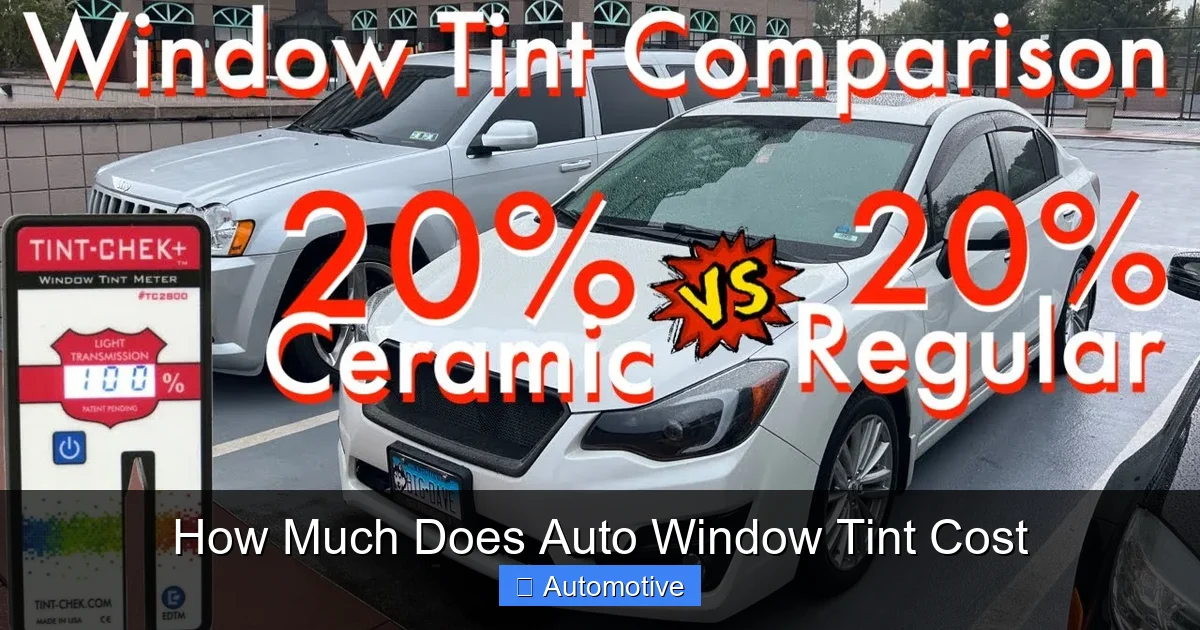
Visual guide about How Much Does Auto Window Tint Cost
Image source: i.ytimg.com
When it comes to pricing, auto window tinting isn’t one-size-fits-all. Several key factors determine how much you’ll pay, and knowing them can help you budget wisely.
Type of Window Film
The biggest cost driver is the type of tint film you choose. There are four main categories: dyed, metalized, carbon, and ceramic. Each offers different levels of heat rejection, durability, and clarity.
Dyed films are the most affordable, typically costing between $100 and $200 for a full car installation. They use a layer of dye between adhesive and protective layers to block light. While they reduce glare and offer privacy, they don’t reject heat as effectively as other types and may fade over time.
Metalized films add tiny metallic particles to the dye, improving heat rejection and durability. These usually run $150 to $250. They’re stronger and reflect more infrared rays, but the metal content can interfere with GPS, cell signals, and keyless entry systems.
Carbon films contain carbon particles that block infrared light without metal. They offer excellent heat reduction, don’t interfere with electronics, and have a sleek, non-reflective finish. Prices range from $200 to $350.
Ceramic films are the top-tier option. Made with advanced ceramic nanoparticles, they provide superior heat rejection (up to 99% infrared blockage), UV protection, and clarity. They’re also the most durable and don’t interfere with signals. Expect to pay $300 to $600 or more for ceramic tinting.
Vehicle Size and Window Count
Larger vehicles mean more glass—and higher costs. A compact car like a Honda Civic has about 20–25 square feet of glass, while an SUV like a Toyota Highlander can have 35–40 square feet or more.
Most shops charge per window or by the square foot. For example:
– Front side windows: $40–$80 each
– Rear side windows: $50–$90 each
– Rear windshield: $80–$150
– Windshield (strip only): $30–$60
So, a full tint job on a sedan might cost $200, while the same job on an SUV could run $300–$400. Some shops offer package deals (e.g., “5-window tint for $250”), which can save you money.
Installation Quality and Labor
Labor is a major part of the cost. Professional installers spend 2–4 hours per vehicle, carefully cleaning, measuring, cutting, and applying the film to avoid bubbles, creases, or peeling.
DIY kits are tempting—they cost $20–$80—but they come with risks. Without proper tools and experience, you might end up with uneven edges, air bubbles, or film that peels after a few months. Plus, many states have strict tint laws, and a DIY job might not meet legal standards.
Professional installation ensures precision, compliance, and often includes a warranty. Labor rates vary by region and shop reputation, but expect to pay $100–$300 for labor alone, depending on complexity.
Geographic Location
Where you live also affects pricing. Shops in major cities like Los Angeles, New York, or Miami often charge more due to higher overhead and demand. In contrast, rural areas or smaller towns may offer lower rates.
For example, a full ceramic tint job might cost $500 in San Francisco but only $350 in Des Moines. Always get at least three quotes from local shops to compare.
Additional Services and Upgrades
Some shops offer extras that can increase the total cost:
– **UV protection upgrade:** Most high-end films include this, but some budget options don’t.
– **Scratch-resistant coating:** Adds $20–$50.
– **Lifetime warranty:** Often included with ceramic films.
– **Tint removal:** If you’re replacing old tint, removal can add $50–$100.
Also, some shops charge extra for hard-to-reach windows (like rear windshields with defrosters) or vehicles with curved glass.
Average Cost Breakdown by Film Type
Visual guide about How Much Does Auto Window Tint Cost
Image source: tintsolutions.co
Let’s look at real-world pricing based on film type and vehicle size.
Dyed Film (Budget Option)
– **Sedan (e.g., Toyota Camry):** $120–$180
– **SUV (e.g., Ford Explorer):** $180–$250
– **Luxury car (e.g., BMW 3 Series):** $150–$220
Best for: Drivers on a tight budget who want basic privacy and glare reduction. Not ideal for hot climates.
Metalized Film (Mid-Range)
– **Sedan:** $160–$240
– **SUV:** $220–$320
– **Luxury car:** $200–$280
Best for: Those who want better heat rejection and durability without the premium price of ceramic.
Carbon Film (High-Performance)
– **Sedan:** $220–$320
– **SUV:** $300–$420
– **Luxury car:** $280–$380
Best for: Drivers in sunny areas who want excellent heat control and a modern look.
Ceramic Film (Premium)
– **Sedan:** $350–$500
– **SUV:** $450–$650
– **Luxury car:** $400–$600+
Best for: Anyone who wants the best protection, clarity, and longevity. Ideal for luxury vehicles and extreme climates.
DIY vs. Professional Installation: Which Is Right for You?

Visual guide about How Much Does Auto Window Tint Cost
Image source: techvigas.com
This is a common dilemma: save money with a DIY kit or pay more for a professional job?
DIY Window Tinting
Pros:
– **Cost-effective:** Kits start at $20.
– **Convenience:** You can do it at home.
– **Satisfaction:** Some enjoy the DIY challenge.
Cons:
– **Skill required:** Mistakes are common (bubbles, wrinkles).
– **No warranty:** If it fails, you’re on your own.
– **Legal risk:** Hard to ensure compliance with state laws.
– **Time-consuming:** Can take 4–6 hours for a beginner.
Real example: John bought a $40 dyed film kit for his Honda Accord. After three attempts, he got a decent result—but the rear window had a small bubble that wouldn’t go away. He later learned his state limits rear window tint to 35% VLT (visible light transmission), and his DIY job was at 20%, making it illegal.
Professional Installation
Pros:
– **Expertise:** Trained technicians ensure a flawless finish.
– **Warranty:** Most shops offer 5–10 year warranties.
– **Compliance:** Professionals know local laws and can recommend legal options.
– **Time-saving:** Done in 2–4 hours.
Cons:
– **Higher cost:** $150–$600 depending on film and vehicle.
– **Scheduling:** You’ll need to drop off your car.
Real example: Maria paid $380 for a full ceramic tint on her Tesla Model Y. The shop included a 7-year warranty, UV protection, and a free re-tint if any issues arose. She also got a certificate proving her tint was legal in California.
When to Choose DIY
– You’re on a very tight budget.
– You enjoy hands-on projects and have steady hands.
– You’re tinting a small area (like a windshield strip).
When to Go Professional
– You want long-term value and performance.
– You live in a hot or sunny climate.
– You drive a luxury or high-end vehicle.
– You want peace of mind and legal compliance.
Legal Considerations and State Tint Laws
Before you tint, know the rules. Every state has laws regulating how dark your windows can be, especially on the front side windows and windshield.
Understanding VLT (Visible Light Transmission)
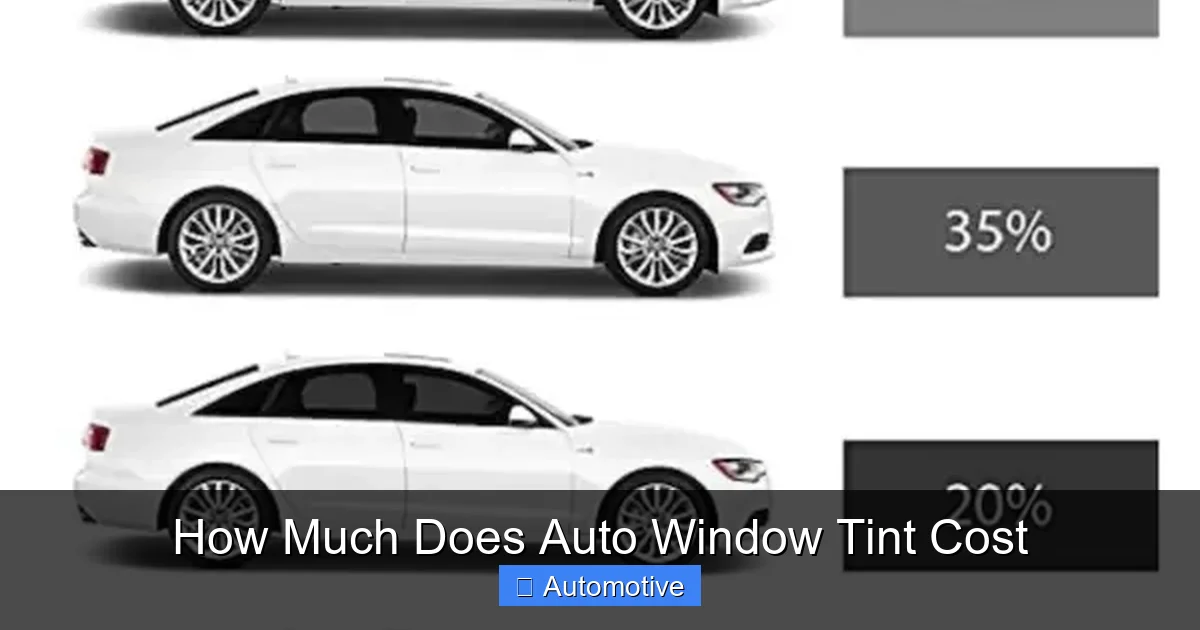
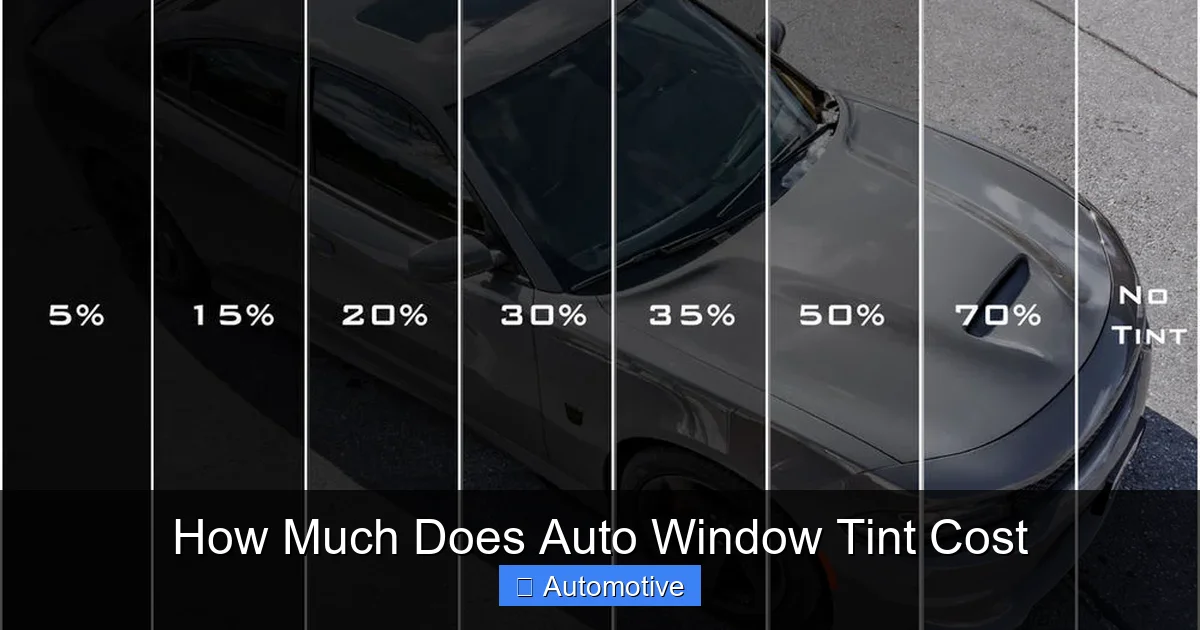
VLT measures how much light passes through the glass. A 5% tint lets in only 5% of visible light—very dark. A 50% tint is much lighter.
Most states allow:
– **Windshield:** Non-reflective tint on the top 4–6 inches (strip).
– **Front side windows:** Must allow more light than rear windows (e.g., 35% vs. 15%).
– **Rear side and back windows:** Can be darker, often 5–20%.
For example:
– **California:** Front side windows must be 70% VLT or higher. Rear windows can be any darkness.
– **Texas:** Front side windows must be 25% VLT or higher. Rear windows can be 25% or darker.
– **New York:** Front side windows must be 70% VLT. Rear windows can be 15% or darker.
Penalties for Illegal Tint
Getting pulled over for illegal tint can result in:
– Fines ($50–$500+)
– Required removal at your expense
– Points on your license (in some states)
Tip: Always ask your installer for a VLT certificate. Many shops provide this for free and can help you choose a legal option.
Medical Exemptions
Some states allow darker tint with a doctor’s note for conditions like lupus or photosensitivity. Check your state’s DMV website for details.
Tips to Save Money on Auto Window Tinting
You don’t have to overpay. Here’s how to get the best value:
Get Multiple Quotes
Call at least three local shops and ask for detailed quotes. Include:
– Type of film
– Number of windows
– Warranty details
– Any additional fees
Example: Shop A quotes $300 for carbon film with a 5-year warranty. Shop B offers the same for $270 but only a 2-year warranty. Shop C charges $320 but includes free removal of old tint. Compare apples to apples.
Look for Promotions
Many shops run seasonal deals—especially in spring and summer. Look for:
– “Buy 4 windows, get 1 free”
– 10–15% off first-time customers
– Package deals (e.g., full car + windshield strip)
Choose the Right Film for Your Needs
You don’t need ceramic film if you live in a mild climate. A quality carbon film may be more than enough. Save $100–$200 by skipping the top tier unless you need maximum heat rejection.
Avoid the Cheapest Option
A $100 tint job might use low-quality film that fades in a year. Spending $250 on a reputable shop with a warranty gives you better long-term value.
Maintain Your Tint
Proper care extends lifespan:
– Wait 3–5 days before rolling windows down.
– Use ammonia-free cleaners (ammonia can damage film).
– Avoid abrasive scrubbers.
What to Expect During Installation
Knowing the process helps you prepare and ensures a smooth experience.
Before Installation
– Wash your car thoroughly.
– Remove personal items from windows.
– Inform the shop of any existing tint.
During Installation
– The technician will clean each window inside and out.
– Film is measured and cut (often using a plotter for precision).
– The window is sprayed with a slip solution, and film is applied.
– Excess water and bubbles are squeegeed out.
– Edges are sealed, and the film is left to cure.
After Installation
– Avoid rolling windows down for 3–5 days.
– Small bubbles or haze are normal and will disappear as the film cures.
– Schedule a follow-up if issues persist.
Conclusion: Is Auto Window Tinting Worth It?
So, how much does auto window tint cost? On average, expect to pay between $150 and $400 for a quality professional job. While it’s an upfront investment, the benefits—reduced heat, UV protection, privacy, and style—make it worthwhile for most drivers.
Cheaper isn’t always better. A $100 DIY job might save you money now but cost more in the long run if it peels or fails inspection. Investing in a reputable shop with high-quality film ensures durability, legality, and performance.
Whether you choose dyed, carbon, or ceramic, the key is to match the film to your needs, vehicle, and climate. And always check your state’s tint laws to stay legal.
In the end, auto window tinting isn’t just about looks—it’s about comfort, safety, and protecting your car’s interior. With the right choice, you’ll enjoy a cooler, more private ride for years to come.
Frequently Asked Questions
How much does it cost to tint all windows on a car?
The cost to tint all windows on a car typically ranges from $150 to $400, depending on the vehicle size and film type. Sedans are usually on the lower end, while SUVs and trucks cost more due to larger glass areas.
Is it cheaper to tint windows yourself?
DIY kits cost $20–$80, but professional installation is often worth the extra cost. DIY jobs risk bubbles, peeling, and legal issues, while pros offer warranties and ensure compliance with local laws.
What is the most expensive type of window tint?
Ceramic window tint is the most expensive, costing $300–$600 or more. It offers the best heat rejection, UV protection, and clarity, making it ideal for luxury vehicles and hot climates.
Can I tint my windshield?
Most states allow a tinted strip on the top 4–6 inches of the windshield. Full windshield tinting is usually illegal due to visibility and safety concerns. Always check local regulations.
How long does window tint last?
High-quality tint can last 5–10 years or more with proper care. Dyed films may fade faster, while ceramic and carbon films offer greater durability and often come with long-term warranties.
Will window tint reduce heat inside my car?
Yes, especially with carbon or ceramic films. These can block up to 99% of infrared heat, significantly reducing cabin temperature and improving comfort during hot weather.