How Much a Car Battery Cost
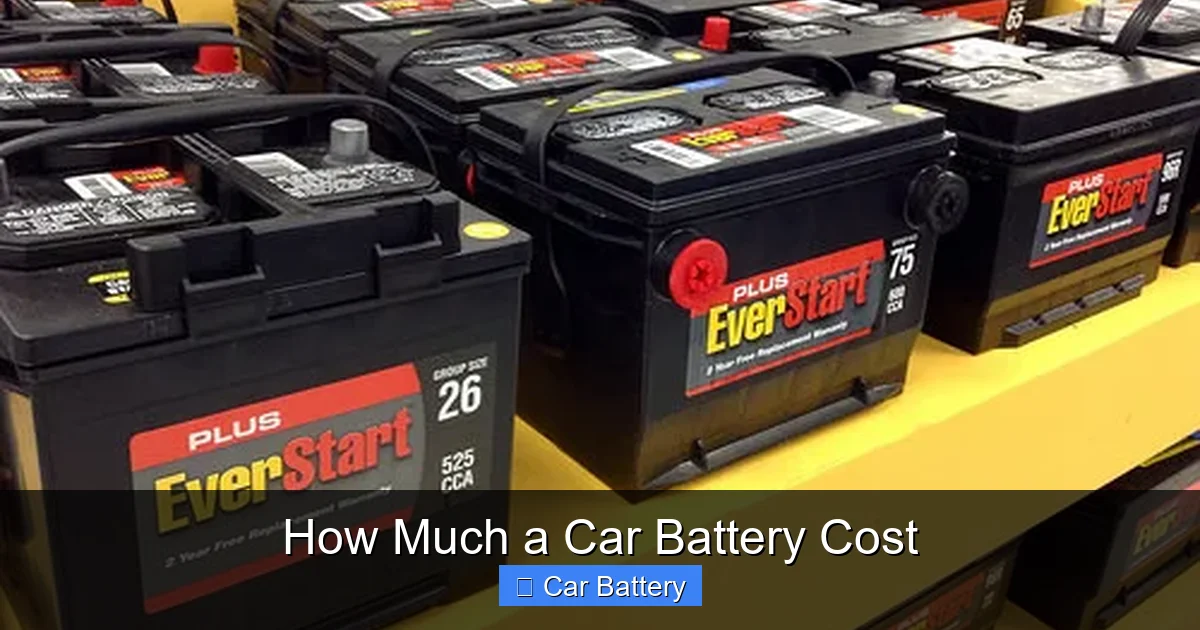
Car battery prices typically range from $100 to $300+, depending on type, brand, and vehicle needs. Labor and installation fees can add $20–$100, but many retailers offer free installation. Knowing what affects cost helps you make a smart, budget-friendly choice.
In This Article
- 1 Key Takeaways
- 2 📑 Table of Contents
- 3 How Much Does a Car Battery Really Cost?
- 4 Understanding Car Battery Types and Their Price Ranges
- 5 Factors That Influence Car Battery Pricing
- 6 Where to Buy a Car Battery and What It Costs
- 7 Installation Costs: DIY vs. Professional Service
- 8 Tips to Save Money on Your Next Car Battery
- 9 Conclusion: Making the Smart Choice
- 10 Frequently Asked Questions
Key Takeaways
- Average car battery cost: Most car batteries cost between $120 and $250 for the part alone, with premium options reaching $300 or more.
- Type matters: Standard lead-acid batteries are cheapest, while AGM and lithium-ion batteries cost more but last longer and perform better.
- Vehicle compatibility: Luxury, hybrid, and electric vehicles often require specialized batteries, increasing the overall price.
- Installation fees: Professional installation typically adds $20–$100, though many auto shops and retailers include it for free with purchase.
- Warranty coverage: Longer warranties (3–5 years) often justify higher upfront costs by reducing long-term replacement expenses.
- DIY vs. professional install: Replacing a battery yourself saves labor costs but requires caution and the right tools.
- Seasonal timing: Buying in fall or early winter can prevent emergency replacements during cold months when batteries are more likely to fail.
📑 Table of Contents
- How Much Does a Car Battery Really Cost?
- Understanding Car Battery Types and Their Price Ranges
- Factors That Influence Car Battery Pricing
- Where to Buy a Car Battery and What It Costs
- Installation Costs: DIY vs. Professional Service
- Tips to Save Money on Your Next Car Battery
- Conclusion: Making the Smart Choice
How Much Does a Car Battery Really Cost?
Let’s be honest—nobody wants to deal with a dead car battery. It’s one of those automotive surprises that always seems to happen at the worst possible time: you’re running late for work, it’s freezing outside, or you’re stuck in a parking lot with no jumper cables in sight. When your car won’t start, the first thing that comes to mind is, “How much is this going to cost me?”
The truth is, the cost of a car battery isn’t a one-size-fits-all number. It depends on several factors, including your vehicle type, the battery technology, where you buy it, and whether you install it yourself or pay a professional. On average, you can expect to spend anywhere from $100 to $300 for a new car battery. But that’s just the beginning. Add in installation, taxes, and potential recycling fees, and the final price tag might surprise you.
In this guide, we’ll break down everything you need to know about how much a car battery costs. We’ll look at different battery types, compare prices across brands and retailers, explore installation options, and share smart tips to help you save money. Whether you’re driving a compact sedan, a rugged pickup truck, or a luxury SUV, this guide will help you make an informed decision without overpaying.
Understanding Car Battery Types and Their Price Ranges
Visual guide about How Much a Car Battery Cost
Image source: thepowerall.com
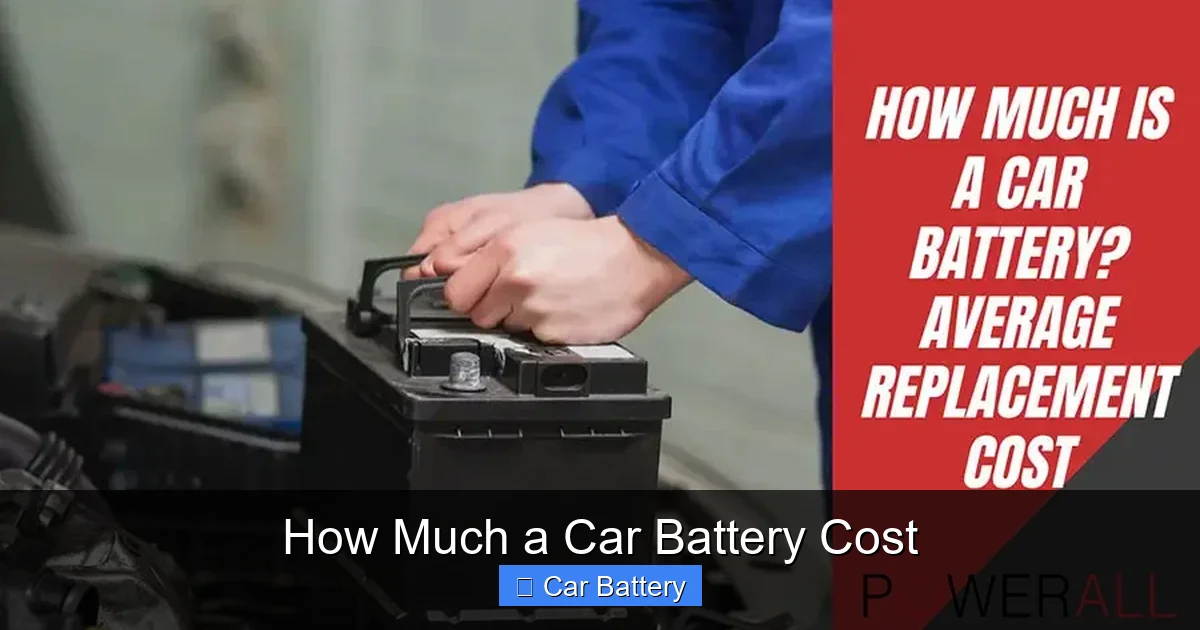
Not all car batteries are created equal. The type of battery your vehicle uses plays a major role in determining how much a car battery costs. Let’s take a closer look at the most common types and what you can expect to pay for each.
Standard Lead-Acid Batteries (Flooded)
These are the most common and affordable car batteries on the market. Also known as flooded or wet-cell batteries, they’ve been the standard in vehicles for decades. They use a liquid electrolyte solution and require periodic maintenance, like checking water levels.
Price range: $100–$180
These batteries are ideal for older vehicles or daily drivers that don’t demand high electrical loads. If you drive a basic sedan or compact car and don’t use a lot of electronics while the engine is off, a standard lead-acid battery is a solid, budget-friendly choice.
For example, a typical Honda Civic or Toyota Corolla usually runs on a standard 12-volt lead-acid battery. You can find reliable options from brands like EverStart (sold at Walmart), DieHard, or AC Delco in this price range. While they’re cheaper upfront, keep in mind that they typically last 3–5 years and may not perform as well in extreme temperatures.
Absorbent Glass Mat (AGM) Batteries
AGM batteries are a step up in performance and durability. Instead of a liquid electrolyte, they use a fiberglass mat to absorb the acid, making them spill-proof and more resistant to vibration. They’re commonly used in modern vehicles with start-stop technology, advanced electronics, or high power demands.
Price range: $180–$300+
AGM batteries are more expensive because they offer better performance, longer life (often 5–7 years), and faster recharging. They’re also maintenance-free and can handle deeper discharge cycles without damage.
If you drive a newer Ford, BMW, or any vehicle with automatic start-stop features, your car likely requires an AGM battery. For instance, replacing the battery in a 2020 Toyota Camry with start-stop might cost around $220–$280 for the AGM unit alone. While the upfront cost is higher, the longevity and reliability often make it worth the investment.
Enhanced Flooded Batteries (EFB)
EFB batteries are a middle ground between standard lead-acid and AGM. They’re designed for vehicles with mild start-stop systems and higher electrical demands than traditional cars but don’t require the full performance of AGM.
Price range: $130–$200
These are often found in entry-level European cars like the Volkswagen Golf or some Hyundai models with basic start-stop functionality. EFBs are more durable than standard batteries and can handle more charge cycles, but they’re not as robust as AGM.
Lithium-Ion Batteries
Lithium-ion batteries are the newest and most advanced option, commonly used in hybrid and electric vehicles. They’re lightweight, have high energy density, and can last much longer than traditional batteries.
Price range: $200–$600+
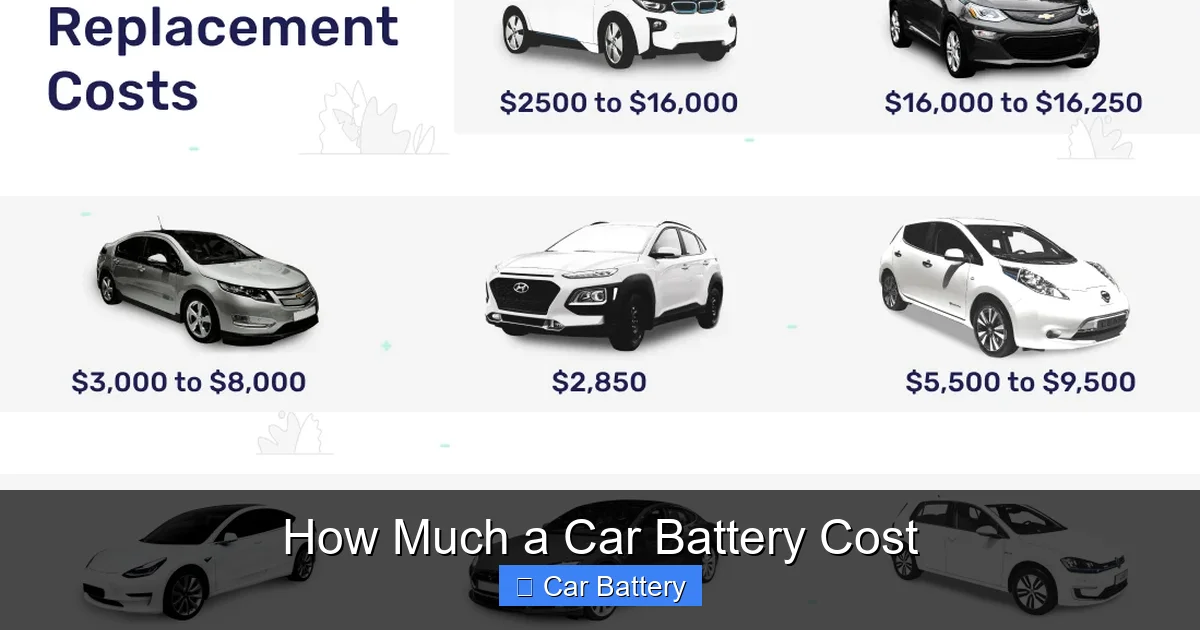
While lithium-ion batteries are becoming more common, they’re still significantly more expensive. For example, replacing the 12V auxiliary battery in a Toyota Prius might cost $250–$400, while the main high-voltage battery pack can run into the thousands.
Most gasoline-powered cars don’t use lithium-ion for their primary battery, but some high-performance or luxury vehicles are starting to adopt them. If you’re considering an upgrade, be sure your vehicle’s charging system is compatible—lithium-ion batteries require specific voltage management.
Factors That Influence Car Battery Pricing
Visual guide about How Much a Car Battery Cost
Image source: assets-global.website-files.com
Now that you know the different types, let’s explore the key factors that affect how much a car battery costs. Understanding these will help you avoid overpaying and choose the right battery for your needs.
Battery Group Size and Compatibility
Car batteries come in different “group sizes,” which refer to their physical dimensions and terminal placement. Using the wrong size can lead to installation issues or electrical problems.
Why it matters: A battery that fits your car’s tray and connects properly is essential. Group sizes range from 24 to 96, with common ones like 35, 47, 48, and 65. Your owner’s manual or an online battery finder tool can help you identify the correct size.
Price impact: While group size doesn’t directly affect cost, batteries for larger vehicles (like trucks or SUVs) often cost more due to higher capacity and durability needs. For example, a group 31 battery for a diesel truck might cost $200–$350, while a group 24 for a compact car could be under $150.
Brand Reputation and Quality
Not all batteries are created equal—even within the same type. Premium brands like Optima, Odyssey, and Bosch often charge more because they use higher-quality materials and offer better performance and longevity.
Example: A standard EverStart battery from Walmart might cost $120, while an Optima RedTop AGM battery with similar specs could be $250. The Optima offers superior vibration resistance, longer life, and better cold-cranking amps (CCA), which can be crucial in cold climates.
Tip: Don’t always go for the cheapest option. A slightly more expensive battery from a trusted brand can save you money in the long run by lasting longer and requiring fewer replacements.
Cold Cranking Amps (CCA) and Reserve Capacity
These are two key performance ratings that affect price:
– Cold Cranking Amps (CCA): Measures how well a battery can start your engine in cold weather. Higher CCA means better performance in winter.
– Reserve Capacity (RC): Indicates how long the battery can power your car if the alternator fails.
Why it matters: If you live in a cold climate, a battery with at least 600–800 CCA is recommended. Batteries with higher CCA and RC ratings typically cost more.
For example, a battery with 700 CCA might cost $150, while one with 900 CCA could be $220. If you’re in Minnesota or Alaska, the extra cost is worth it to avoid being stranded in sub-zero temperatures.
Warranty Length and Coverage
Battery warranties are a big deal. Most come with a free replacement period (e.g., 2–3 years) and a prorated period after that. Longer warranties often indicate higher quality and can justify a higher price.
Example: A $130 battery with a 3-year free replacement warranty might be a better deal than a $110 battery with only a 1-year warranty. If it fails in year 2, you save $130 with the better warranty.
Look for batteries with at least a 3-year free replacement and a 5-year total warranty. Premium brands like Odyssey offer up to 4-year free replacement, which can be a major selling point.
Where to Buy a Car Battery and What It Costs
Visual guide about How Much a Car Battery Cost
Image source: s.yimg.com
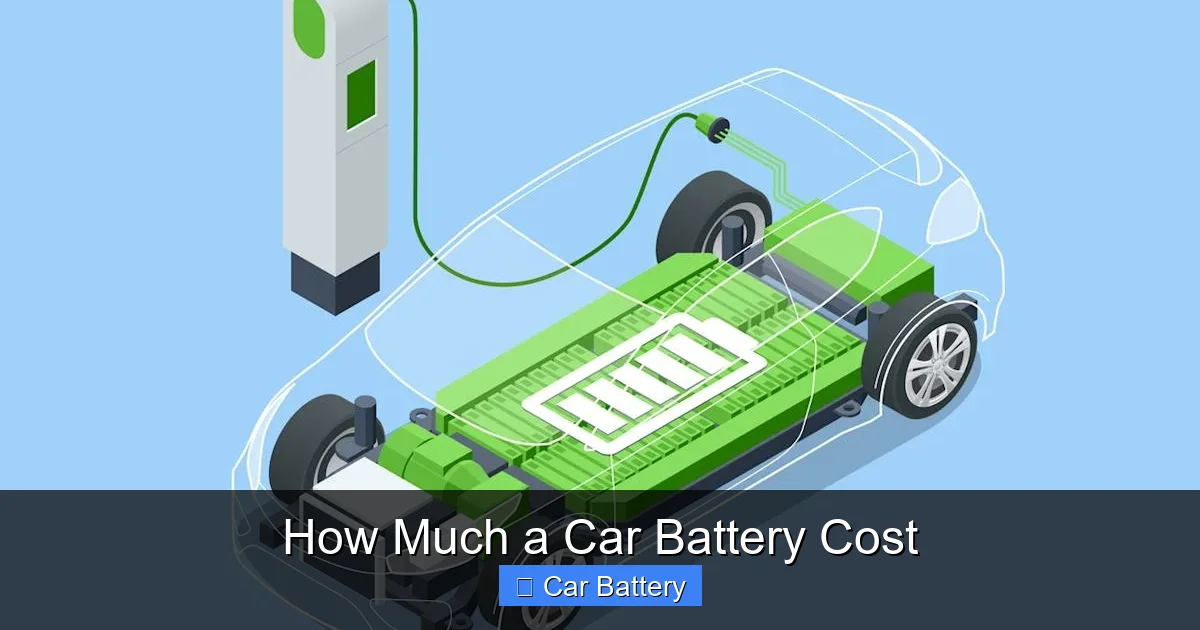
The retailer you choose can significantly impact how much a car battery costs—including installation and added services. Here’s a breakdown of popular options.
Auto Parts Stores (AutoZone, O’Reilly, Advance Auto Parts)
These are the most common places to buy a car battery. They offer a wide selection, competitive pricing, and often include free installation and battery testing.
Average cost: $120–$280 (part only), often with free installation
Pros:
– Free battery testing to check if you really need a replacement
– Free installation (in most cases)
– Recycling of old battery (required by law in many states)
– In-store warranties and easy returns
Example: At AutoZone, a standard DieHard Gold battery might cost $160 with free installation. If it fails within the warranty period, you can get a free replacement.
Big-Box Retailers (Walmart, Costco)
Walmart and Costco offer budget-friendly options, especially for standard lead-acid batteries. Walmart’s EverStart brand is known for low prices and decent quality.
Average cost: $100–$200 (part only), installation may cost extra
Pros:
– Lowest prices for basic batteries
– Convenient locations
– Membership perks at Costco (e.g., free battery installation for members)
Cons:
– Limited selection of AGM or lithium-ion batteries
– Installation may not be free (check store policy)
Tip: Walmart often charges $15–$25 for installation, but it’s still cheaper overall than some auto shops.
Dealerships
Buying from your car’s dealership ensures you get an OEM (original equipment manufacturer) battery, which matches the exact specs of your vehicle.
Average cost: $200–$400+ (part and installation)
Pros:
– Exact fit and compatibility
– Often includes professional programming (needed for some modern cars)
– Strong warranty support
Cons:
– Most expensive option
– May not offer the best value for older vehicles
Example: A Toyota dealership might charge $320 for a new battery in a Camry, including installation and programming. While reliable, you could save $100+ by buying the same battery elsewhere.
Online Retailers (Amazon, RockAuto, BatteryMart)
Buying online can save money, especially if you’re comfortable installing the battery yourself.
Average cost: $100–$250 (part only), plus shipping
Pros:
– Often lower prices than in-store
– Wide selection of brands and types
– Customer reviews to guide your choice
Cons:
– No free installation
– Shipping delays possible
– Must recycle old battery yourself (check local regulations)
Tip: Look for free shipping and check return policies. Some online sellers offer “core charge” refunds if you return your old battery.
Installation Costs: DIY vs. Professional Service
One of the biggest variables in how much a car battery costs is installation. You can either do it yourself or pay a professional. Here’s what to expect.
Professional Installation
Most auto parts stores and service centers offer installation for $20–$100. Many include it for free with purchase.
What’s included:
– Removal of old battery
– Installation of new battery
– Testing of charging system
– Recycling of old battery
When to choose professional:
– You’re not comfortable working under the hood
– Your car requires battery registration or programming (common in European and luxury vehicles)
– You want peace of mind and warranty support
Example: At O’Reilly Auto Parts, installation is usually free. At a local mechanic, it might cost $50–$80.
DIY Installation
Replacing a car battery yourself is easier than most people think—and it saves money.
Tools needed: Wrench (usually 10mm or 13mm), gloves, safety glasses, and a memory saver (optional, to preserve radio settings).
Steps:
1. Turn off the engine and remove keys.
2. Disconnect the negative (black) cable first, then the positive (red).
3. Remove the battery hold-down clamp.
4. Lift out the old battery (they’re heavy—use proper lifting technique).
5. Clean the tray and terminals with a baking soda solution if corroded.
6. Place the new battery in the tray, secure it, and reconnect cables (positive first, then negative).
7. Start the car and check for proper operation.
Cost savings: $20–$100 in labor fees
Tip: Some modern cars (like BMWs and Fords) require battery registration via a scan tool after replacement. If you don’t have one, professional installation may be necessary.
Tips to Save Money on Your Next Car Battery
Replacing a car battery doesn’t have to break the bank. With a little planning and smart shopping, you can save significantly.
Buy Before You Need It
Don’t wait until your battery dies. Most batteries last 3–5 years. If your car is sluggish to start or the battery is over 4 years old, consider replacing it proactively—especially before winter.
Why it helps: Emergency replacements often mean paying full price and limited options. Planning ahead lets you compare prices and wait for sales.
Look for Sales and Rebates
Many retailers offer seasonal promotions, especially in fall and winter.
Example: AutoZone often runs “Buy One, Get One 50% Off” deals on batteries. Walmart sometimes offers $20 off with installation.
Check store websites or sign up for email alerts to catch these deals.
Recycle Your Old Battery
Most states require retailers to accept old batteries for recycling, and many offer a “core charge” refund—typically $10–$20—when you return your old battery.
Tip: Even if you buy online, take your old battery to a local store to get the core refund.
Choose the Right Battery for Your Needs
Don’t overpay for features you don’t need. If you drive a basic car in a mild climate, a standard lead-acid battery is sufficient. Save AGM for vehicles with high electrical demands.
Check Your Warranty
If your battery is still under warranty, you might get a free or discounted replacement. Even prorated warranties can save you 30–50% off the retail price.
Conclusion: Making the Smart Choice
So, how much does a car battery cost? The answer depends on your vehicle, your driving habits, and your budget. On average, expect to spend $120–$250 for the battery itself, with installation adding $0–$100 depending on where you go.
The key is to balance upfront cost with long-term value. A cheaper battery might save you $50 today but cost you more in the long run if it fails early. Investing in a quality AGM battery with a strong warranty can provide better performance, longer life, and fewer headaches.
Whether you buy from a big-box store, an auto parts chain, or online, take the time to compare options, read reviews, and understand your vehicle’s needs. And if you’re handy, DIY installation is a great way to save money.
Remember: a car battery is a small part of your vehicle, but it plays a huge role in your daily life. Spending a little extra now can prevent a lot of stress later. So don’t wait until your car won’t start—be proactive, do your research, and choose wisely.
Your car (and your wallet) will thank you.
Frequently Asked Questions
How much does a car battery cost on average?
The average cost of a car battery ranges from $120 to $250 for the part alone. Premium AGM or lithium-ion batteries can cost $300 or more, depending on the vehicle and brand.
Is it cheaper to install a car battery myself?
Yes, DIY installation can save you $20–$100 in labor fees. However, some modern vehicles require battery programming, which may need professional tools.
Do auto parts stores charge for battery installation?
Most major auto parts stores like AutoZone, O’Reilly, and Advance Auto Parts offer free installation when you purchase a battery from them.
What affects the price of a car battery?
Factors include battery type (lead-acid, AGM, lithium-ion), brand, cold cranking amps (CCA), warranty length, and vehicle compatibility.
Can I use a cheaper battery in my car?
You can, as long as it matches your vehicle’s group size, voltage, and electrical requirements. However, cheaper batteries may not last as long or perform as well in extreme conditions.
How often should I replace my car battery?
Most car batteries last 3–5 years. If your car is slow to start, the battery is over 4 years old, or you notice corrosion, it’s time to consider a replacement.