
How Long Should Brakes Last on a Subaru Outback

Brakes on a Subaru Outback typically last between 30,000 and 70,000 miles, depending on driving habits, terrain, and maintenance. Regular inspections and quality parts can extend their lifespan and keep your Outback safe on the road.
Key Takeaways
- Brake lifespan varies widely: Most Subaru Outback owners can expect brake pads to last between 30,000 and 70,000 miles, with rotors lasting longer—often 60,000 to 100,000 miles.
- Driving habits matter most: Aggressive braking, stop-and-go city driving, and towing reduce brake life significantly compared to highway cruising.
- Subaru’s AWD system affects wear: All-wheel drive distributes braking force across all four wheels, which can lead to more even—but sometimes faster—wear.
- Regular maintenance is crucial: Inspecting brake fluid, pads, and rotors every 10,000 to 15,000 miles helps catch issues early and prolongs component life.
- Use OEM or high-quality aftermarket parts: Subaru recommends genuine parts for optimal performance, but trusted aftermarket brands like Akebono or Bosch also work well.
- Listen for warning signs: Squealing, grinding, or a soft brake pedal are red flags that shouldn’t be ignored.
- Climate and terrain play a role: Hilly areas, snowy conditions, and salted roads accelerate brake wear due to increased use and corrosion.
📑 Table of Contents
- How Long Should Brakes Last on a Subaru Outback?
- Understanding Brake Components in the Subaru Outback
- Factors That Affect Brake Life on a Subaru Outback
- Signs It’s Time to Replace Your Brakes
- How to Extend the Life of Your Subaru Outback Brakes
- OEM vs. Aftermarket Brake Parts: What’s Best for Your Outback?
- Conclusion: Brake Smart, Drive Safe
How Long Should Brakes Last on a Subaru Outback?
So, you’ve got a Subaru Outback—maybe it’s your trusty weekend adventurer, your daily commuter, or the family hauler for school runs and road trips. No matter how you use it, one thing’s for sure: you rely on your brakes. But here’s the million-dollar question: how long should brakes last on a Subaru Outback?
The short answer? Most Outback owners can expect their brake pads to last anywhere from 30,000 to 70,000 miles. Rotors? They often go 60,000 to 100,000 miles before needing replacement. But that’s just the average. The real story is in the details—your driving style, where you live, how you maintain your vehicle, and even the type of brake parts you use all play a role.
Think of your brakes like the shoes on your feet. If you’re always running uphill in the rain, they’re going to wear out faster than someone strolling on a flat sidewalk. The same goes for your Outback. City drivers who stop frequently at traffic lights will likely need new brakes sooner than highway cruisers. And if you tow a trailer or drive in mountainous regions, you’re putting extra strain on your braking system.
In this guide, we’ll dive deep into what affects brake life on your Subaru Outback, how to maximize it, and when it’s time to visit the mechanic. Whether you’re a DIY enthusiast or prefer leaving it to the pros, this article will help you make smart decisions about your brakes—so you can keep driving safely, confidently, and without surprise repair bills.
Understanding Brake Components in the Subaru Outback
Before we get into how long your brakes should last, it helps to understand what’s actually stopping your Outback. The braking system is a team effort, and each part plays a key role.
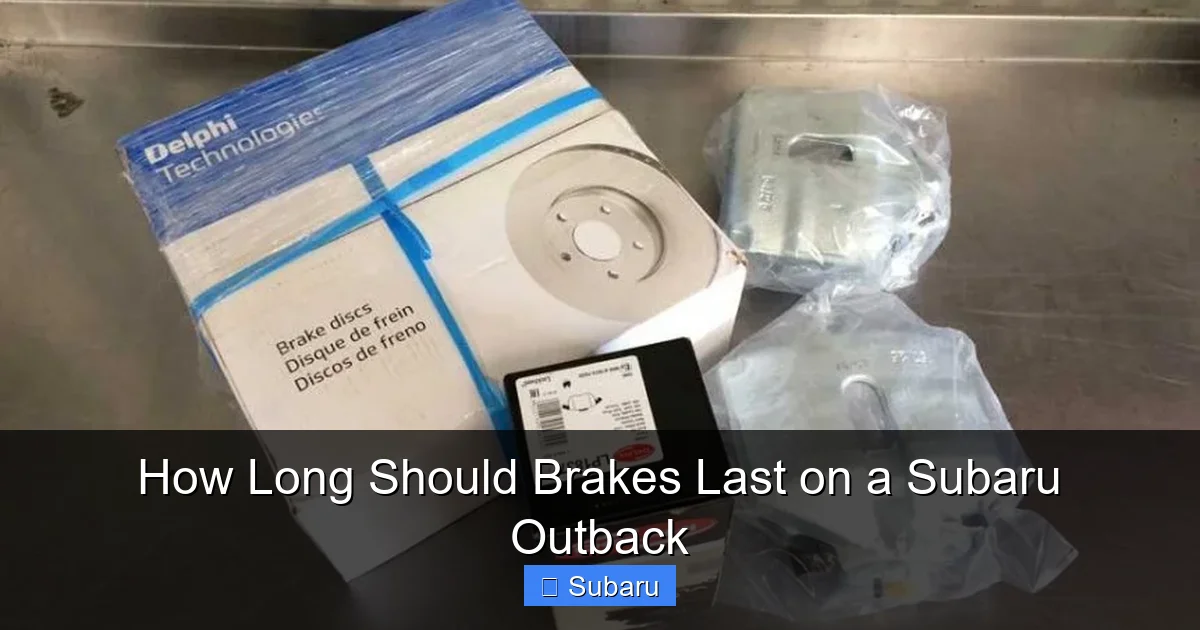
Visual guide about How Long Should Brakes Last on a Subaru Outback
Image source: rustyautos.com
Brake Pads: The Friction Heroes
Brake pads are the parts that clamp down on your rotors when you press the brake pedal. Made of friction material bonded to a metal backing plate, they create the resistance needed to slow or stop your vehicle. In the Outback, you’ve got pads on all four wheels—front and rear.
Most Outbacks come with semi-metallic or ceramic brake pads from the factory. Semi-metallic pads are durable and great for heavy use, but they can be noisy and wear rotors faster. Ceramic pads, on the other hand, are quieter, produce less dust, and offer consistent performance—though they’re usually more expensive.
Brake Rotors: The Spinning Discs
Rotors (or discs) are the round metal discs that the pads squeeze to create friction. They’re mounted to your wheels and spin with them. When you brake, the pads press against the rotors, converting kinetic energy into heat—which is why you might see smoke after hard braking (don’t panic, it’s normal… sometimes).
Subaru Outbacks typically use vented rotors on the front and solid or vented rotors on the rear. Vented rotors have internal vanes that help dissipate heat, making them better for high-stress driving. Over time, rotors can warp, crack, or wear thin—especially if you ignore worn pads.
Caliper and Brake Fluid: The Hidden Players
The caliper houses the brake pads and uses hydraulic pressure (from brake fluid) to squeeze them against the rotor. It’s like a clamp that tightens when you press the pedal. Brake fluid is the lifeblood of this system—it transfers force from the pedal to the calipers.
Over time, brake fluid absorbs moisture, which lowers its boiling point and can lead to spongy brakes or even failure under heavy use. Subaru recommends flushing the brake fluid every 30,000 miles or two years, whichever comes first.
ABS and AWD: Subaru’s Safety Edge
The Outback comes standard with all-wheel drive (AWD) and an anti-lock braking system (ABS). AWD means all four wheels are powered, which also means all four wheels are involved in braking. This can lead to more even wear across the system—but also faster overall wear if you’re aggressive with the pedal.
ABS prevents wheel lockup during hard stops, helping you maintain steering control. It’s a lifesaver in emergencies, but it also means your brakes are working harder in panic situations, which can accelerate wear.
Factors That Affect Brake Life on a Subaru Outback
Now that you know what’s under the hood (or under the wheels), let’s talk about what makes those parts wear out faster or slower. Brake life isn’t just about mileage—it’s about how you use your Outback.
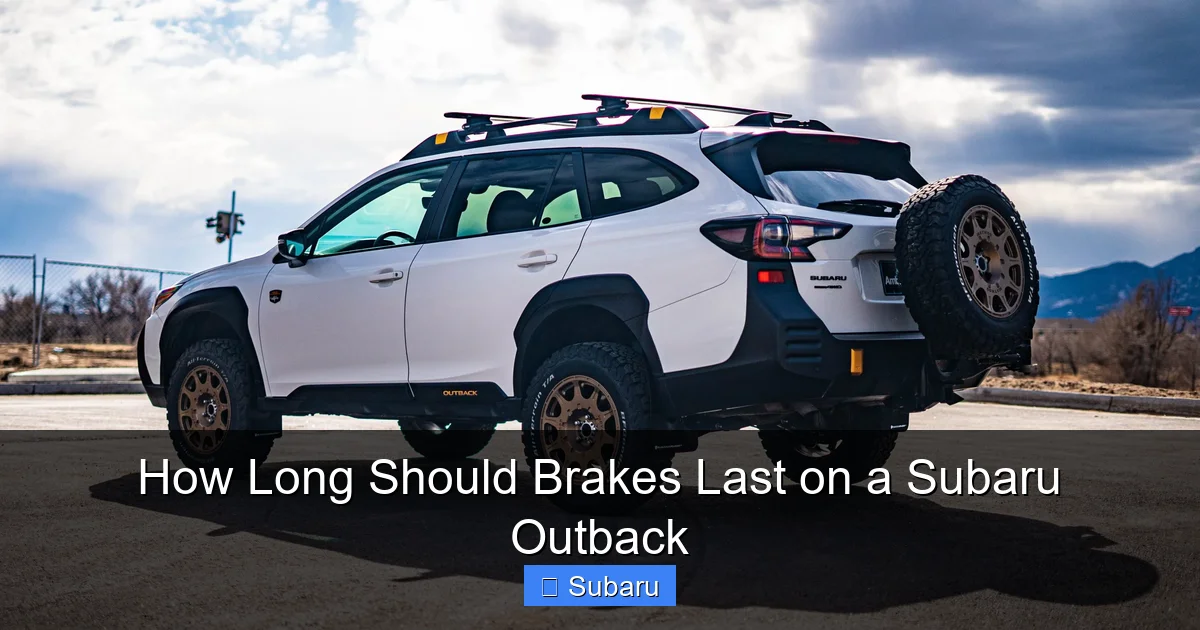
Visual guide about How Long Should Brakes Last on a Subaru Outback
Image source: sococustoms.com
Driving Habits: The #1 Influence
Your driving style has the biggest impact on brake longevity. If you’re the type who slams on the brakes at every red light, you’re going to burn through pads quickly. Aggressive driving—like rapid acceleration followed by hard braking—puts constant stress on the system.
On the flip side, smooth, anticipatory driving can double your brake life. Instead of waiting until the last second to stop, start slowing down early. This “coasting” technique reduces friction and heat, helping your pads and rotors last longer.
For example, imagine two Outback owners: Sarah drives 40 miles a day on the highway, mostly at steady speeds. Tom drives the same distance but in heavy city traffic, stopping 20 times per trip. Even if they both drive 15,000 miles a year, Tom will likely need new brakes in 2–3 years, while Sarah might make it 4–5 years.
Terrain and Climate: Mountains, Snow, and Salt
Where you live matters—a lot. If you drive in hilly or mountainous areas, you’re constantly using your brakes to control speed on descents. This repeated braking generates heat and wears down pads faster.
Snowy or icy conditions also take a toll. You might use your brakes more cautiously, but the added weight of snow tires, roof racks, or trailers increases the load. Plus, road salt used in winter can corrode brake components over time, especially if you don’t rinse your undercarriage regularly.
Even coastal areas with high humidity can accelerate rust on rotors and calipers. If you live near the ocean or in a rainy climate, consider washing your car (including the wheels) more often to remove salt and debris.
Towing and Load Carrying
The Outback is known for its versatility—many owners use it to tow trailers, campers, or boats. But towing adds significant weight, which means your brakes have to work harder to stop the combined load.
If you frequently tow, expect your brake pads to wear out 20–30% faster than average. Subaru recommends using a weight-distributing hitch and checking your brakes more often when towing. Also, consider upgrading to heavy-duty brake pads if you’re a regular tower.
Even carrying heavy loads in the cargo area—like gear for a camping trip or moving furniture—can increase brake wear. The more weight your Outback carries, the more force is needed to stop it.
Quality of Brake Parts
Not all brake pads are created equal. Subaru offers genuine OEM (original equipment manufacturer) parts, which are designed specifically for your Outback. These tend to last longer and perform better, but they’re also more expensive.
Aftermarket options can be a good value, but quality varies. Brands like Akebono, Bosch, and Power Stop are well-regarded and often used by mechanics. Avoid cheap, no-name pads—they may save you money upfront but can wear out in half the time and damage your rotors.
Rotors should also be replaced with care. Resurfacing (or “turning”) old rotors can save money, but only if they’re thick enough and not warped. If your rotors are cracked, deeply grooved, or below the minimum thickness spec, replacement is the only safe option.
Brake Maintenance and Inspections
Regular maintenance is the secret to long-lasting brakes. Subaru recommends inspecting your brakes every 10,000 to 15,000 miles. This includes checking pad thickness, rotor condition, brake fluid level, and looking for leaks or unusual noises.
Many owners skip this step, assuming “if it ain’t broke, don’t fix it.” But brakes are a safety-critical system—ignoring them can lead to costly repairs or dangerous failures.
During an inspection, a technician will measure your pad thickness. Most pads start at around 12mm. When they wear down to 3mm or less, it’s time for replacement. Some pads have built-in wear indicators—a small metal tab that squeals when the pad is too thin. If you hear a high-pitched squeal when braking, don’t ignore it.
Signs It’s Time to Replace Your Brakes
Even with great driving habits and regular maintenance, brakes don’t last forever. Knowing when to replace them is key to staying safe and avoiding damage to other parts.
Visual guide about How Long Should Brakes Last on a Subaru Outback
Image source: pictures.dealer.com
Squealing or Screeching Noises
The most common warning sign is a high-pitched squeal when you press the brake pedal. This is usually the wear indicator—a small metal shim designed to alert you when the pad is worn down.
Don’t wait to get this checked. If you ignore the noise, the metal backing plate can grind against the rotor, causing deep grooves and requiring rotor replacement—which costs significantly more than just new pads.
Grinding or Growling Sounds
If the squealing turns into a grinding or growling noise, your pads are likely completely worn out. At this point, the metal caliper is rubbing directly on the rotor. This can destroy the rotor in just a few hundred miles and compromise braking performance.
Grinding is a red flag—stop driving and get your brakes inspected immediately.
Soft or Spongy Brake Pedal
If your brake pedal feels soft, sinks to the floor, or requires more pressure than usual, there could be air in the brake lines or a leak in the system. This is often related to low brake fluid or a failing master cylinder.
A spongy pedal reduces stopping power and can be dangerous in emergencies. Have it checked right away.
Vibration or Pulsation When Braking
If you feel a pulsing sensation in the brake pedal or steering wheel when braking, your rotors may be warped. This happens when rotors overheat and lose their flat surface.
Warped rotors can usually be resurfaced if caught early. But if the vibration persists after resurfacing, replacement is needed.
Dashboard Warning Lights
The Outback has a brake warning light on the dashboard. If it comes on, it could indicate low brake fluid, a problem with the ABS system, or worn pads (if your model has electronic sensors).
Don’t ignore this light. Even if your brakes feel fine, there could be an underlying issue that needs attention.
Reduced Stopping Power
If your Outback takes longer to stop than usual, or you feel like you’re “pumping” the brakes to slow down, something is wrong. This could be due to worn pads, contaminated brake fluid, or a failing brake booster.
Reduced braking performance is a serious safety concern. Get it inspected immediately.
How to Extend the Life of Your Subaru Outback Brakes
The good news? You can do a lot to make your brakes last longer. A few smart habits and regular care can add thousands of miles to their lifespan.
Drive Smoothly and Anticipate Stops
The single best thing you can do is drive more smoothly. Instead of accelerating quickly and then slamming on the brakes, try to maintain a steady speed and anticipate traffic flow.
For example, if you see a red light ahead, ease off the gas early and let the car coast. This reduces the need for hard braking and saves wear on your pads.
Highway driving is easier on brakes than city driving. If possible, use cruise control on long trips to maintain consistent speed.
Use Engine Braking on Hills
When driving downhill, especially in mountainous areas, use lower gears to help slow the vehicle. This is called engine braking, and it reduces the load on your brakes.
In an automatic Outback, you can shift to “L” or “S” mode to keep the engine in a lower gear. This helps control speed without constant braking.
Avoid Riding the Brake Pedal
Some drivers rest their foot on the brake pedal while driving, especially on long descents. This is called “brake riding,” and it causes unnecessary friction and heat.
Even light pressure can wear down pads over time. Keep your foot off the pedal unless you need to slow down.
Keep Your Outback Clean
Brake dust, dirt, and road salt can build up on your wheels and brakes, leading to corrosion and reduced performance. Wash your car regularly, especially the wheels and undercarriage.
Use a wheel cleaner designed for your wheel type (alloy, steel, etc.) and rinse thoroughly. This helps prevent rust and keeps your brakes functioning properly.
Flush Brake Fluid Regularly
Brake fluid absorbs moisture over time, which can lead to corrosion inside the brake lines and reduced braking efficiency. Subaru recommends a brake fluid flush every 30,000 miles or two years.
This is a simple service that can prevent bigger problems down the road. It’s especially important if you drive in wet or humid climates.
Inspect Brakes During Oil Changes
Many owners get their oil changed every 5,000 to 7,500 miles. Use this opportunity to have your brakes inspected. A quick visual check can catch worn pads or leaking calipers before they become serious issues.
Some shops include a free brake inspection with oil changes—take advantage of it!
Upgrade to Longer-Lasting Pads
If you’re replacing your brakes, consider upgrading to ceramic or low-metallic pads. These materials last longer and produce less dust than standard semi-metallic pads.
Ceramic pads are quieter and perform well in all conditions, making them a great choice for daily drivers. Just be sure to pair them with quality rotors for the best results.
OEM vs. Aftermarket Brake Parts: What’s Best for Your Outback?
When it’s time to replace your brakes, you’ll face a choice: go with Subaru’s OEM parts or choose aftermarket alternatives. Both have pros and cons.
OEM Brake Pads and Rotors
OEM parts are made by Subaru or their suppliers and are designed specifically for your Outback. They offer consistent performance, reliability, and often come with a warranty.
The downside? They’re usually more expensive. For example, a set of OEM front brake pads might cost $150–$200, while aftermarket options can be half that price.
If you plan to keep your Outback for many years or want the peace of mind that comes with factory parts, OEM is a solid choice.
Aftermarket Brake Options
Aftermarket parts are made by third-party companies and can offer great value. Brands like Akebono, Bosch, and Power Stop are known for high-quality brake components that often meet or exceed OEM standards.
Many aftermarket pads are designed to last longer, produce less noise, and reduce dust. Some even come with lifetime warranties.
Just be cautious with no-name or ultra-cheap parts. They may not meet safety standards and can wear out quickly or damage your rotors.
Can You Mix OEM and Aftermarket?
Yes, but it’s not always recommended. Mixing different types of pads or rotors can lead to uneven wear or reduced performance. For best results, replace all four pads (or both rotors) at the same time and use matching components.
If you’re unsure, consult a trusted mechanic or Subaru dealer. They can help you choose the right parts for your driving needs.
Conclusion: Brake Smart, Drive Safe
So, how long should brakes last on a Subaru Outback? The answer isn’t one-size-fits-all. With proper care and smart driving, you can easily get 50,000 to 70,000 miles out of your brake pads—and even longer if you’re gentle on the pedal.
Remember, your brakes are your first line of defense in an emergency. Don’t wait for a warning light or a scary noise to take action. Regular inspections, quality parts, and smooth driving habits will keep your Outback stopping safely for years to come.
Whether you’re cruising down the highway, exploring backroads, or hauling gear for your next adventure, your brakes should never be an afterthought. Treat them well, and they’ll return the favor—mile after mile.
Frequently Asked Questions
How often should I check my Subaru Outback brakes?
It’s recommended to inspect your brakes every 10,000 to 15,000 miles or during routine oil changes. Regular checks help catch wear early and prevent costly repairs.
Can I drive with squealing brakes?
Squealing is usually a warning that your brake pads are worn. You can drive short distances, but get them inspected as soon as possible to avoid rotor damage.
Do Subaru Outbacks have brake wear sensors?
Some newer Outback models have electronic brake wear sensors that trigger a dashboard warning light. Older models rely on mechanical squealers or visual inspection.
Is it safe to resurface rotors instead of replacing them?
Resurfacing is safe if the rotors are thick enough and not warped or cracked. If they’re below the minimum thickness, replacement is required for safety.
How much does it cost to replace brakes on a Subaru Outback?
Costs vary, but expect to pay $200–$400 for front pads and rotors at a dealership. Independent shops may charge less, especially with aftermarket parts.
Can I replace my own brakes on a Subaru Outback?
Yes, if you have basic mechanical skills and tools. Many Outback owners DIY brake jobs to save money. Just follow a reliable guide and use quality parts.
