How Long Does It Take to Charge Dead Car Battery
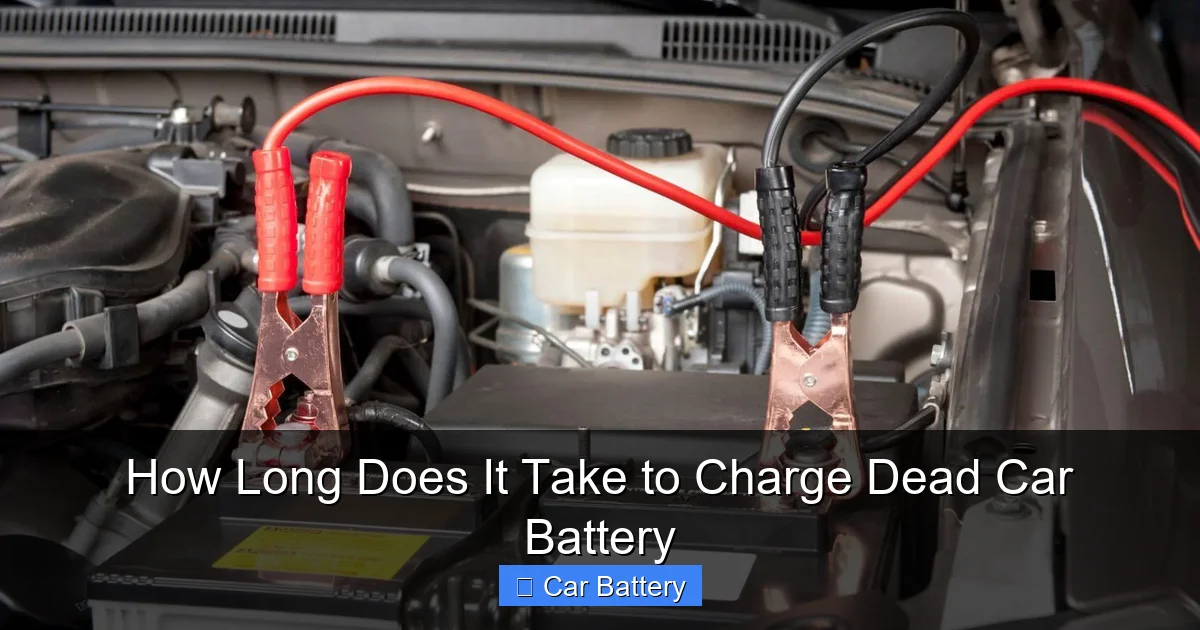
Charging a dead car battery typically takes 4 to 24 hours, depending on the charger type, battery condition, and remaining charge. Using a smart charger can speed up the process safely, while trickle charging is slower but gentler on older batteries.
In This Article
- 1 Key Takeaways
- 2 📑 Table of Contents
- 3 How Long Does It Take to Charge a Dead Car Battery?
- 4 Factors That Affect Charging Time
- 5 Types of Car Battery Chargers and Their Charging Times
- 6 Step-by-Step Guide to Charging a Dead Car Battery
- 7 How to Speed Up the Charging Process
- 8 When Charging Won’t Work: Signs You Need a New Battery
- 9 Preventing Future Dead Batteries
- 10 Conclusion
- 11 Frequently Asked Questions
- 11.1 Can I charge a dead car battery while it’s still in the car?
- 11.2 How long does it take to charge a car battery at 10 amps?
- 11.3 Is it bad to charge a car battery too fast?
- 11.4 Can a completely dead battery be recharged?
- 11.5 Should I charge my car battery overnight?
- 11.6 What’s the difference between a trickle charger and a smart charger?
Key Takeaways
- Charging time varies by charger type: Trickle chargers take 24+ hours, while smart chargers can recharge in 4–12 hours.
- Battery age and condition matter: Old or damaged batteries may not hold a charge and could require replacement.
- Partial vs. fully dead batteries: A partially drained battery charges faster than one completely dead.
- Temperature affects charging speed: Cold weather slows chemical reactions, increasing charge time.
- Use the right charger: Match charger amperage to your battery size for safe, efficient charging.
- Safety first: Always disconnect the battery, wear protective gear, and charge in a well-ventilated area.
- Prevention is key: Regular maintenance and short-trip driving habits can prevent future dead batteries.
📑 Table of Contents
- How Long Does It Take to Charge a Dead Car Battery?
- Factors That Affect Charging Time
- Types of Car Battery Chargers and Their Charging Times
- Step-by-Step Guide to Charging a Dead Car Battery
- How to Speed Up the Charging Process
- When Charging Won’t Work: Signs You Need a New Battery
- Preventing Future Dead Batteries
- Conclusion
How Long Does It Take to Charge a Dead Car Battery?
You’re ready to head out, turn the key, and… nothing. Just a faint click or a dim dashboard light. Your car battery is dead. Now what? One of the first questions that comes to mind is: how long does it take to charge a dead car battery? The answer isn’t one-size-fits-all. It depends on several factors, including the type of charger you’re using, the battery’s age and health, how dead it actually is, and even the weather outside.
Understanding the charging process can save you time, money, and frustration. Whether you’re dealing with a battery that’s just slightly drained from leaving the lights on or one that’s completely flat after sitting idle for weeks, knowing what to expect helps you plan accordingly. In this guide, we’ll break down everything you need to know about charging a dead car battery—from average timeframes to pro tips for faster, safer results. By the end, you’ll be equipped to handle a dead battery like a seasoned driver, not a stranded one.
Factors That Affect Charging Time
Before we dive into specific timeframes, it’s important to understand what influences how long it takes to charge a dead car battery. Think of your car battery like a water tank. The time it takes to fill depends on the size of the tank, how empty it is, and the flow rate of the hose. Similarly, charging a battery depends on its capacity, current state of charge, and the charger’s output.
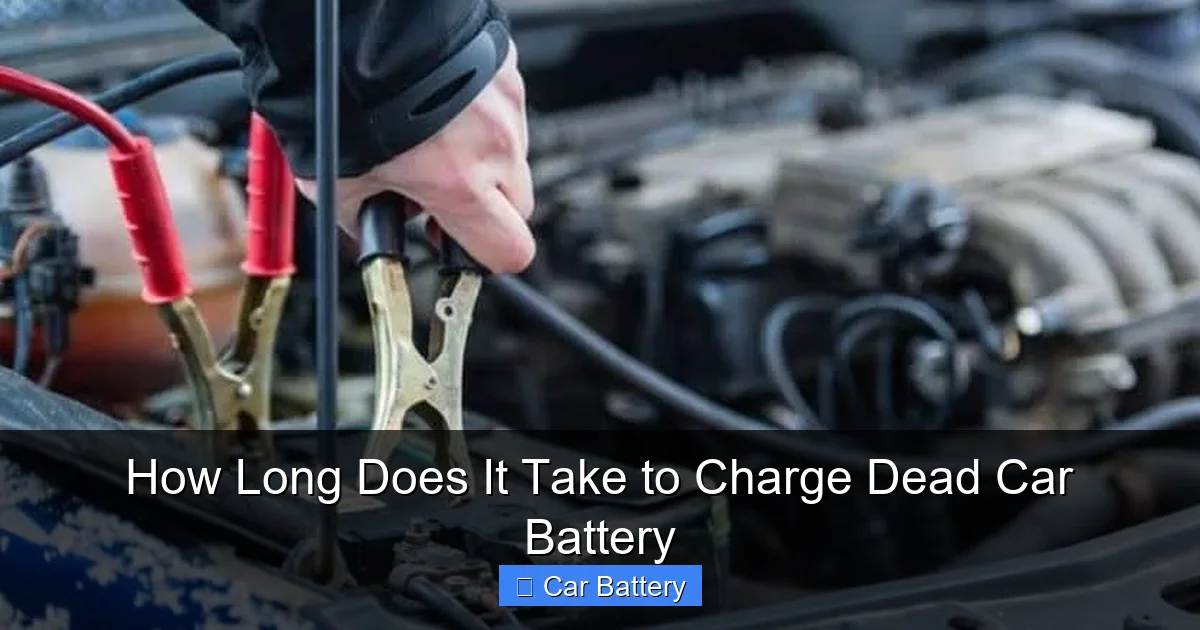
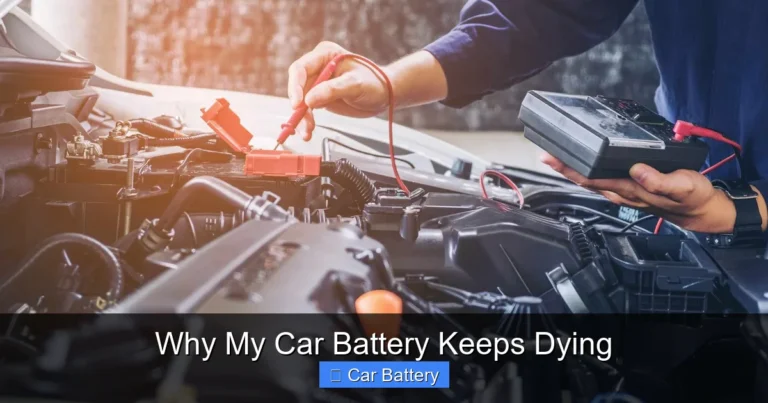
Visual guide about How Long Does It Take to Charge Dead Car Battery
Image source: roadsumo.com
Battery Capacity and Size
Car batteries are rated in ampere-hours (Ah), which tells you how much charge they can store. Most standard car batteries range from 40Ah to 70Ah. A larger battery (say, 70Ah) will naturally take longer to charge than a smaller one (40Ah), assuming both are equally depleted. For example, a 60Ah battery that’s completely dead will require more energy—and thus more time—to recharge than a 45Ah battery in the same condition.
State of Charge (How Dead Is It?)
Not all “dead” batteries are created equal. A battery that’s only slightly discharged—maybe from leaving the interior lights on overnight—might be at 50% charge. That’s a quick fix. But a battery that’s been sitting unused for a month in cold weather could be near 0% and deeply sulfated, making it much harder to revive. The deeper the discharge, the longer the charging process.
Charger Type and Amperage
This is a big one. The type of charger you use directly impacts how long it takes to charge a dead car battery. A 2-amp trickle charger might take over 24 hours to fully recharge a dead battery, while a 10-amp smart charger could do it in 6–8 hours. Higher amperage means faster charging, but only up to a point. Most car batteries can safely handle up to 10–15 amps. Going beyond that can overheat the battery and cause damage.
Battery Age and Health
An old or damaged battery may not accept a charge efficiently—or at all. Over time, lead-acid batteries develop sulfate buildup on their plates, which reduces their ability to hold a charge. If your battery is more than 4–5 years old and frequently dies, it might be time for a replacement rather than repeated charging attempts.
Ambient Temperature
Cold weather slows down the chemical reactions inside a battery, making it harder to charge. In freezing conditions, charging can take significantly longer. Conversely, moderate temperatures (around 70°F or 21°C) are ideal for efficient charging. If you’re charging in winter, consider bringing the battery indoors or using a charger with temperature compensation.
Types of Car Battery Chargers and Their Charging Times
Not all chargers are the same. Choosing the right one can mean the difference between waiting a day and getting back on the road in a few hours. Here’s a breakdown of the most common types of car battery chargers and how long they typically take to charge a dead battery.
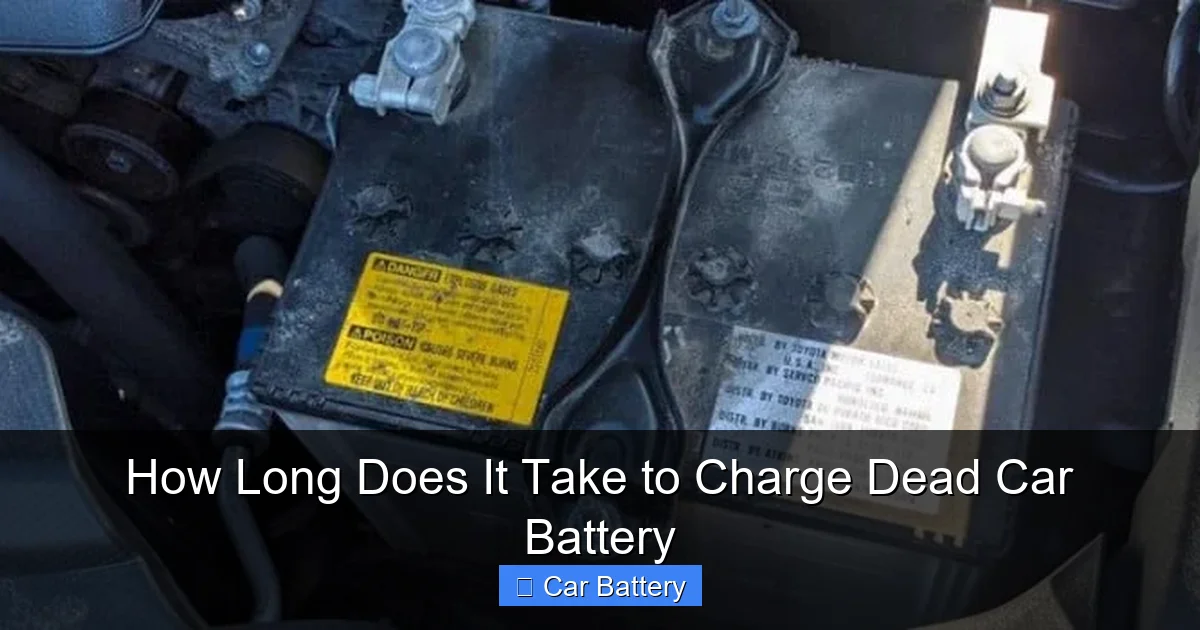
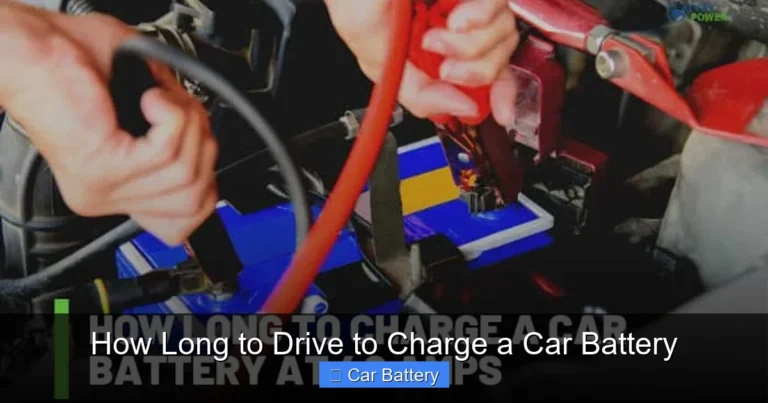
Visual guide about How Long Does It Take to Charge Dead Car Battery
Image source: youcanic.com
Trickle Chargers (2–4 Amps)
Trickle chargers are the slowest but safest option. They deliver a low, steady current—usually 2 to 4 amps—over a long period. These are ideal for maintaining a battery’s charge during storage or for gently reviving a slightly dead battery. However, if your battery is completely dead, a trickle charger could take 24 to 48 hours to fully recharge it. For example, a 2-amp charger would take about 30 hours to recharge a 60Ah battery from 0% to 100% (60Ah ÷ 2A = 30 hours). While slow, trickle chargers are great for older batteries or long-term maintenance.
Standard Chargers (6–10 Amps)
These are the most common household chargers and offer a good balance of speed and safety. A 6-amp charger might take 10–12 hours to recharge a dead 60Ah battery, while a 10-amp charger could do it in 6–8 hours. These chargers are suitable for most drivers who need a reliable, reasonably fast charge. Just remember: higher amperage means faster charging, but always check your battery’s specifications to avoid overloading it.
Smart Chargers (4–15 Amps with Auto Features)
Smart chargers are the modern solution. They automatically adjust the charging rate based on the battery’s condition and can detect when the battery is fully charged, preventing overcharging. Many also include desulfation modes to help revive older batteries. Depending on the model, a smart charger can recharge a dead battery in 4 to 12 hours. Some high-end models even have fast-charge modes that can bring a battery to 80% in just 2–3 hours. These are ideal for people who want efficiency and peace of mind.
Jump Starters with Built-in Chargers
Portable jump starters with charging capabilities are great for emergencies. While they’re primarily designed to jump-start a dead battery, many newer models include USB ports and 12V outputs to slowly recharge a battery over time. However, these aren’t meant for full recharging—they’re best used to give a battery enough juice to start the car, after which the alternator takes over. Charging a dead battery solely with a jump starter could take 12+ hours and isn’t recommended for regular use.
Step-by-Step Guide to Charging a Dead Car Battery
Charging a dead car battery isn’t just about plugging in a charger and waiting. Doing it safely and correctly ensures you get the best results without damaging your battery or risking injury. Here’s a simple, step-by-step guide to help you through the process.
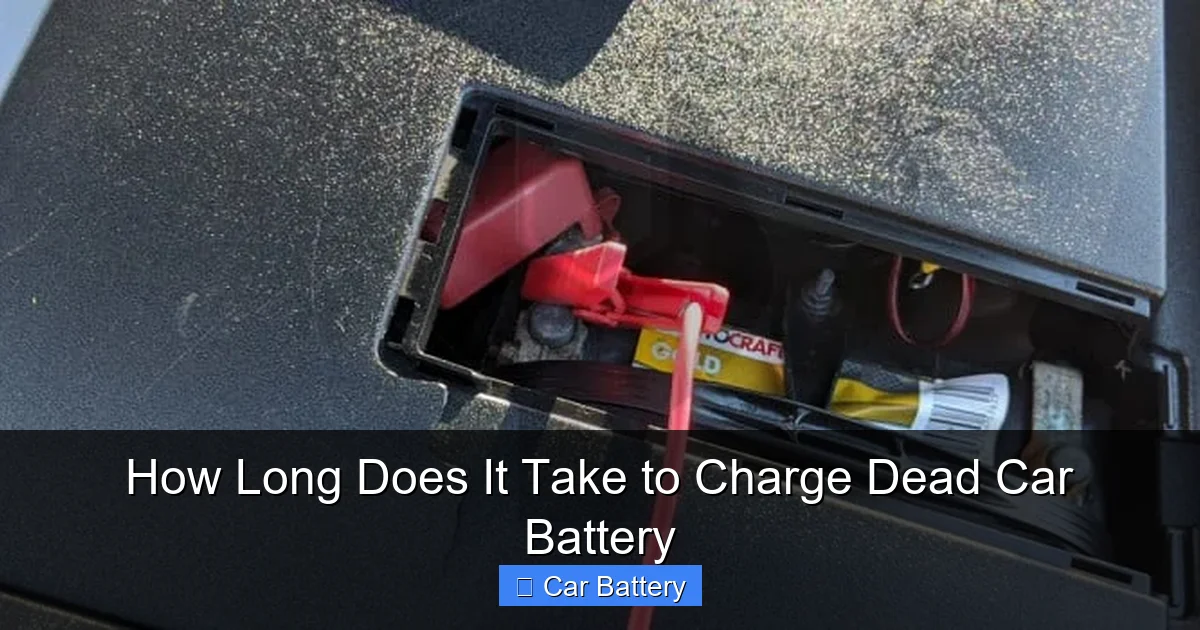
Visual guide about How Long Does It Take to Charge Dead Car Battery
Image source: youcanic.com
1. Safety First
Before you touch anything, put on safety goggles and gloves. Car batteries contain sulfuric acid and can produce explosive hydrogen gas, especially when charging. Work in a well-ventilated area, away from open flames or sparks. Turn off the car and remove the keys.
2. Locate and Inspect the Battery
Open the hood and find the battery. Look for signs of damage—cracks, leaks, or bulging. If you see any, do not charge it. Replace the battery instead. Also, check the terminals for corrosion (a white, powdery substance). If present, clean them with a mixture of baking soda and water and a wire brush before charging.
3. Disconnect the Battery (Recommended)
While some chargers allow you to charge the battery while it’s still in the car, it’s safer and more effective to remove it. Disconnect the negative (black) terminal first, then the positive (red) terminal. This prevents short circuits and protects your car’s electrical system.
4. Connect the Charger
Attach the charger’s red clamp to the positive terminal and the black clamp to the negative terminal. Make sure the connections are secure. Double-check that the charger is set to the correct voltage (usually 12V for most cars) and amperage.
5. Start Charging
Plug in the charger and turn it on. If you’re using a smart charger, it will usually begin with a diagnostic phase. Monitor the process, especially in the first hour. If the battery gets hot or starts to swell, stop charging immediately—it could be damaged.
6. Monitor and Maintain
Check the battery periodically. Most chargers have indicator lights or displays showing charge progress. Avoid leaving the charger unattended for long periods, especially with high-amperage units. If the charger has a maintenance or float mode, use it once the battery is fully charged to keep it topped up.
7. Reconnect and Test
Once fully charged, disconnect the charger (black clamp first, then red). Reinstall the battery in the car, connecting the positive terminal first, then the negative. Start the engine to confirm it’s working. If the car starts easily, you’re good to go. If not, the battery may be beyond repair.
How to Speed Up the Charging Process
Waiting hours—or even days—for a dead battery to charge can be frustrating. While you can’t break the laws of physics, there are several ways to speed up the process safely and effectively.
Use a Higher-Amperage Charger (Safely)
Switching from a 2-amp to a 10-amp charger can cut charging time dramatically. Just make sure your battery can handle the higher current. Most modern car batteries are designed for 10–15 amp charging, but always check the manufacturer’s recommendations. Avoid using chargers above 15 amps unless you’re certain the battery can handle it.
Warm Up the Battery
Cold batteries charge slower. If possible, bring the battery indoors or place it in a warmer area before charging. You can also use a battery warmer or insulation blanket. Just don’t use open flames or heaters directly on the battery—this is a fire hazard.
Charge in Short Bursts with Rest Periods
Some experts recommend charging in 2–3 hour intervals with 30-minute breaks. This allows the battery to cool and the chemicals to stabilize, which can improve overall charging efficiency. This method works well with older or deeply discharged batteries.
Use a Smart Charger with Fast-Charge Mode
Many smart chargers have a fast-charge or boost mode that delivers higher amperage initially to quickly raise the voltage, then switches to a slower, safer rate. This can reduce total charging time by 30–50% compared to standard chargers.
Ensure Clean Connections
Loose or corroded connections create resistance, slowing down the charging process. Clean the terminals and clamps thoroughly before connecting the charger. Tighten all connections to ensure maximum current flow.
When Charging Won’t Work: Signs You Need a New Battery
Sometimes, no matter how long you charge, a dead battery just won’t come back to life. This is often a sign that the battery has reached the end of its lifespan. Here are some red flags that indicate it’s time to replace rather than recharge.
Battery Won’t Hold a Charge
If the battery charges quickly but dies again within hours or days, it’s likely sulfated or has internal damage. This is common in batteries older than 4–5 years.
Swollen or Leaking Battery Case
A bulging battery case indicates internal pressure buildup, often due to overcharging or extreme temperatures. This is a serious safety hazard and means the battery must be replaced immediately.
Slow Cranking Even After Charging
If the engine turns over slowly or struggles to start even after a full charge, the battery may no longer deliver enough cold cranking amps (CCA). This is especially noticeable in cold weather.
Frequent Jump-Starts Needed
If you’re jump-starting your car more than once a month, your battery is likely failing. Repeated deep discharges shorten battery life and indicate it’s time for a replacement.
Old Age
Most car batteries last 3–5 years. If yours is approaching or exceeding that age, it’s wise to replace it proactively—even if it still works. A new battery prevents unexpected breakdowns.
Preventing Future Dead Batteries
The best way to deal with a dead battery is to avoid it altogether. A little maintenance goes a long way in keeping your battery healthy and your car reliable.
Drive Regularly
Short trips don’t give the alternator enough time to fully recharge the battery. Aim for at least 20–30 minutes of driving a few times a week to keep the battery topped up.
Turn Off Accessories When Idling
Leaving lights, radio, or air conditioning on while the engine is off drains the battery quickly. Make it a habit to turn everything off before exiting the car.
Use a Battery Maintainer
If you don’t drive often (e.g., seasonal vehicles), use a trickle charger or battery maintainer to keep the charge level stable. These devices plug into a wall outlet and provide a low, steady charge to prevent discharge.
Check Battery Health Annually
Most auto parts stores offer free battery testing. Have yours checked once a year, especially before winter. This helps catch problems early.
Keep Terminals Clean
Corrosion on terminals increases resistance and reduces charging efficiency. Clean them every 6 months with a baking soda solution and wire brush.
Conclusion
So, how long does it take to charge a dead car battery? The short answer: anywhere from 4 to 24 hours, depending on your charger, battery condition, and environment. A smart charger can get you back on the road in under 12 hours, while a trickle charger might take a full day or more. But speed isn’t everything—safety and battery health matter just as much.
By understanding the factors that affect charging time and following best practices, you can revive a dead battery efficiently and avoid future surprises. Remember to choose the right charger, maintain your battery, and know when it’s time to replace it. With these tips, you’ll never be left stranded for long.
Frequently Asked Questions
Can I charge a dead car battery while it’s still in the car?
Yes, you can charge a dead car battery without removing it, but it’s safer and more effective to disconnect it first. Charging in the car risks damaging the vehicle’s electrical system if there’s a power surge.
How long does it take to charge a car battery at 10 amps?
A 10-amp charger typically takes 6 to 8 hours to fully recharge a completely dead 60Ah car battery. Actual time may vary based on battery condition and temperature.
Is it bad to charge a car battery too fast?
Yes, charging too fast with high amperage can overheat the battery, cause electrolyte loss, and damage internal components. Stick to chargers under 15 amps for safety.
Can a completely dead battery be recharged?
It depends. A battery that’s deeply discharged but not damaged can often be recharged. However, if it’s old or sulfated, it may not hold a charge and will need replacement.
Should I charge my car battery overnight?
Only if you’re using a smart charger with automatic shutoff. Leaving a standard charger on overnight can overcharge the battery, leading to damage or failure.
What’s the difference between a trickle charger and a smart charger?
A trickle charger delivers a constant low current and must be monitored to avoid overcharging. A smart charger adjusts the charge rate automatically and stops when the battery is full, making it safer and more efficient.