
How Long Does a Subaru Battery Last?

A Subaru battery typically lasts 3 to 5 years, depending on driving habits, climate, and maintenance. With proper care—like regular inspections, clean terminals, and avoiding short trips—you can maximize its life and avoid unexpected breakdowns.
Key Takeaways
- Average lifespan: Most Subaru batteries last between 3 and 5 years under normal conditions.
- Climate impact: Extreme heat or cold can shorten battery life significantly.
- Driving habits matter: Frequent short trips prevent full recharging, reducing battery longevity.
- Regular maintenance helps: Cleaning terminals and checking voltage can extend battery life.
- Warning signs to watch: Slow engine crank, dim lights, or warning lights mean it’s time for a check.
- Replacement timing: Don’t wait for total failure—replace proactively around the 4-year mark.
- Use genuine parts: OEM or high-quality aftermarket batteries ensure better fit and performance.
📑 Table of Contents
How Long Does a Subaru Battery Last?
If you own a Subaru—whether it’s a rugged Outback, a sporty WRX, or a family-friendly Forester—you probably appreciate its reliability, all-wheel drive capability, and long-term value. But like any vehicle, your Subaru relies on a healthy battery to start the engine, power electronics, and keep everything running smoothly. So, how long does a Subaru battery last?
The short answer? Most Subaru batteries last between **3 and 5 years**. But that’s just the average. The real lifespan depends on a mix of factors, including where you live, how you drive, and how well you maintain your vehicle. Some drivers get only 2 years out of a battery, while others stretch it to 6 or more with good habits and favorable conditions.
Understanding your Subaru’s battery life isn’t just about avoiding a dead car in the morning. It’s about knowing when to act, how to care for your vehicle, and when to invest in a replacement before you’re stranded. In this guide, we’ll break down everything you need to know—from what affects battery life to practical tips for extending it, signs it’s time for a swap, and how to choose the right replacement.
What Affects Subaru Battery Lifespan?
Visual guide about How Long Does a Subaru Battery Last?
Image source: techcult.com
Your Subaru’s battery doesn’t just wear out on a fixed schedule. Its lifespan is influenced by several key factors. Let’s look at the biggest ones.
Climate and Weather Conditions
One of the most significant factors affecting battery life is climate. Both extreme heat and extreme cold are tough on car batteries.
In hot climates—like Arizona, Texas, or Florida—high temperatures accelerate chemical reactions inside the battery. While that might sound good, it actually causes the battery to degrade faster. Heat can evaporate the electrolyte fluid, corrode internal components, and reduce overall capacity. Studies show that a battery in a hot climate may last only 2 to 3 years.
On the flip side, cold weather—like in Minnesota, Maine, or upstate New York—slows down the chemical reactions needed to generate power. This is why your Subaru might struggle to start on a freezing winter morning. Cold doesn’t necessarily shorten the battery’s life directly, but it increases the strain during startup. Repeated cold starts with a weak battery can lead to premature failure.
So, if you live in an area with temperature extremes, expect your battery to wear out faster than someone in a mild climate like California or Oregon.
Driving Habits and Usage Patterns
How you drive plays a huge role in battery health. Short trips—like driving to the grocery store, school drop-offs, or quick errands—don’t give your alternator enough time to fully recharge the battery after starting the engine.
Every time you start your Subaru, the battery delivers a big burst of power. The alternator then recharges it while the engine runs. But if you’re only driving for 5 or 10 minutes, the battery may not get back to full charge. Over time, this leads to a condition called “deep cycling,” where the battery is repeatedly drained and not fully recharged. This wears it out faster.
Longer drives—30 minutes or more—are much better for battery health. They allow the alternator to restore the charge and keep the system balanced.
Another factor? How often you use electronics when the engine is off. Listening to the radio, using the infotainment system, or leaving lights on while parked can drain the battery. Even small drains add up over time.
Vehicle Age and Electrical Load
Newer Subarus come packed with advanced electronics—touchscreens, navigation, heated seats, adaptive cruise control, and more. All these features draw power, even when the car is off. This increased electrical load puts more stress on the battery.
Older vehicles with simpler systems tend to be easier on the battery. But even if your Subaru is a few years old, modern safety and convenience features can still contribute to faster battery wear.
Also, as your car ages, other components like the alternator or starter motor may begin to wear. A failing alternator won’t charge the battery properly, leading to repeated low-charge states and early battery death.
Battery Quality and Maintenance
Not all batteries are created equal. Subaru vehicles are designed to work best with high-quality batteries that meet OEM (Original Equipment Manufacturer) specifications. Using a cheap or incompatible battery can lead to poor performance and shorter life.
Regular maintenance also makes a difference. Corroded terminals, loose connections, or a dirty battery case can interfere with electrical flow and cause problems. Cleaning the terminals with a baking soda and water solution and tightening connections can help maintain performance.
Signs Your Subaru Battery Is Failing

Visual guide about How Long Does a Subaru Battery Last?
Image source: upgradedvehicle.com
You don’t have to wait for your car to refuse to start to know the battery is going bad. There are several warning signs to watch for.
Slow Engine Crank
This is one of the most common signs. When you turn the key or push the start button, the engine turns over more slowly than usual. It might sound like it’s “struggling” to start. This happens because the battery doesn’t have enough power to spin the starter motor quickly.
If you notice this, especially on cold mornings, it’s a strong indicator that the battery is weakening.
Dim or Flickering Lights
Headlights, dashboard lights, or interior lights that appear dimmer than usual—or that flicker when you accelerate or idle—can signal a weak battery. The electrical system isn’t getting enough power, so lights dim to compensate.
This is especially noticeable at night or when using multiple electronics at once.
Check Engine or Battery Warning Light
Modern Subarus have a battery or charging system warning light on the dashboard. It looks like a battery symbol or says “ALT” or “CHG.” If this light comes on, it means the alternator isn’t charging the battery properly—or the battery itself is failing.
Don’t ignore this light. It could mean the battery is about to die, or the alternator is failing and draining the battery.
Electrical Issues and Malfunctions
A weak battery can cause odd electrical problems. For example:
– Power windows moving slowly
– Radio or infotainment system resetting
– Key fob not working reliably
– Seat heaters or defrosters not working well
These issues happen because the battery can’t supply consistent power to all systems.
Swollen or Leaking Battery Case
If you pop the hood and notice the battery case looks bloated or distorted, that’s a red flag. Swelling usually means the battery has overheated or been overcharged, causing gas buildup inside. This can lead to leaks or even explosion in rare cases.
Leaking acid is also dangerous and can damage engine components. If you see corrosion (a white or green powdery substance) around the terminals, it’s a sign of leakage.
Old Age
Even if your Subaru starts fine, age alone is a reason to consider replacement. Most batteries are rated for 3–5 years. If yours is approaching the 4-year mark, it’s wise to get it tested—even if it seems fine.
Think of it like a smoke detector: just because it hasn’t gone off doesn’t mean it’s still working properly.
How to Extend the Life of Your Subaru Battery
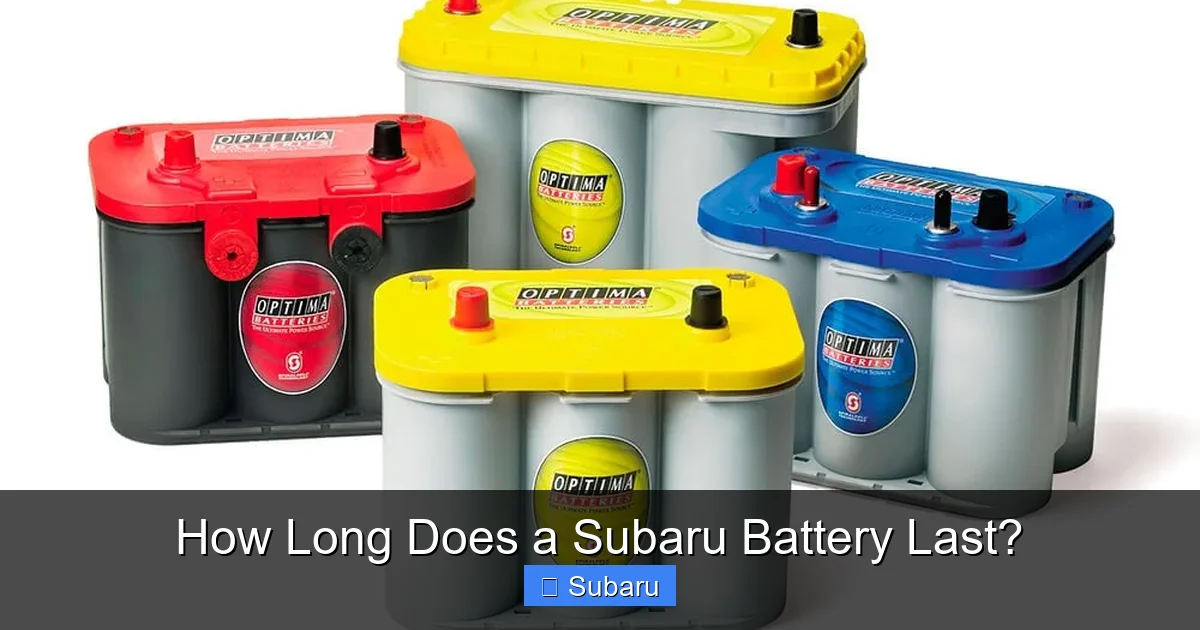
Visual guide about How Long Does a Subaru Battery Last?
Image source: bestfordriver.com
The good news? You can take steps to help your Subaru battery last as long as possible. Here’s how.
Drive Regularly and Take Longer Trips
As mentioned earlier, short trips are hard on the battery. Try to combine errands into one longer drive whenever possible. If you mostly drive short distances, consider taking a 20–30 minute highway drive once a week to help recharge the battery fully.
If your Subaru sits unused for days or weeks (like a second car or seasonal vehicle), use a battery maintainer or trickle charger. These devices keep the battery charged without overcharging it.
Keep the Battery Clean and Secure
Dirt, grease, and corrosion can interfere with electrical connections. Every few months, inspect the battery terminals. If you see white or green buildup, clean it with a mixture of baking soda and water. Use a wire brush to scrub the terminals and cable clamps, then rinse with water and dry thoroughly.
Also, make sure the battery is securely mounted. Vibration from driving can damage internal components over time.
Minimize Electrical Load When Engine Is Off
Avoid using electronics—like the radio, lights, or climate control—when the engine isn’t running. Even a few minutes of idling with the AC on can drain the battery, especially if it’s already weak.
If you’re parked and want to listen to music, consider using a portable speaker or your phone instead.
Protect Your Battery from Extreme Temperatures
In hot climates, park in the shade or use a sunshade to reduce under-hood heat. In cold climates, use a battery blanket or park in a garage if possible. These small steps can reduce stress on the battery.
Some Subaru owners in very cold areas install a block heater, which warms the engine and makes starting easier—reducing the load on the battery.
Get Regular Battery Tests
Most auto parts stores (like AutoZone, O’Reilly, or Advance Auto Parts) offer free battery testing. They can check the voltage, cold cranking amps (CCA), and overall health.
Have your battery tested once a year, especially as it approaches the 3-year mark. This helps you catch problems early and plan for replacement.
Replace Before It Fails
Don’t wait for a dead battery to replace it. If your battery is 4 years old and showing any warning signs, consider replacing it proactively. A new battery costs $100–$250, but towing and emergency service can cost much more.
Replacing it before failure also ensures your Subaru starts reliably, especially in winter.
When and How to Replace Your Subaru Battery
Eventually, every battery reaches the end of its life. Knowing when and how to replace it is key to avoiding trouble.
When to Replace
Replace your Subaru battery if:
– It’s more than 4 years old
– You notice slow cranking or dim lights
– The battery test shows low CCA or voltage
– You’ve had to jump-start the car more than once
Even if the battery seems fine at 4 years, consider replacing it before winter or a long trip.
Choosing the Right Replacement Battery
Subaru recommends using a battery that meets OEM specifications. Look for one with:
– The correct group size (e.g., Group 35 or Group 24F, depending on your model)
– At least 600 Cold Cranking Amps (CCA)
– A warranty of 3 years or more
Popular brands include:
– Subaru OEM batteries (available at dealerships)
– Optima
– Interstate
– DieHard
– Bosch
Avoid the cheapest options—they often use lower-quality materials and fail sooner.
DIY vs. Professional Installation
Replacing a Subaru battery is relatively easy and can be done at home with basic tools. However, some newer models have advanced electrical systems that require a “battery reset” or coding after replacement. This ensures the car recognizes the new battery and adjusts charging rates.
If you’re not comfortable with this, or if your Subaru has a start-stop system, it’s best to have a professional install it. Dealerships and many repair shops can do it quickly and correctly.
Proper Disposal
Car batteries contain lead and acid, so they must be recycled. Most auto parts stores will take your old battery for free when you buy a new one. Never throw it in the trash.
Subaru Battery Myths and Misconceptions
There’s a lot of misinformation about car batteries. Let’s clear up a few common myths.
Myth: You Should Replace the Battery Every Year
False. Most batteries last 3–5 years. Replacing them annually is a waste of money unless there’s a specific problem.
Myth: Jump-Starting Damages the Battery
Not necessarily. Jump-starting is safe if done correctly. However, frequent jump-starts may indicate a deeper issue—like a failing alternator or parasitic drain.
Myth: All Batteries Are the Same
No. Quality varies widely. A premium battery with better materials and construction will last longer and perform better than a cheap one.
Myth: You Can’t Test a Battery at Home
You can! Use a multimeter to check voltage. A healthy battery should read 12.6 volts or higher when the car is off. Below 12.4 volts may indicate a weak battery.
Conclusion
So, how long does a Subaru battery last? On average, **3 to 5 years**—but that number depends on your driving habits, climate, and maintenance. Extreme temperatures, short trips, and electrical loads can shorten its life, while regular driving, clean terminals, and proactive testing can help it last longer.
The key is to stay informed and act before problems arise. Watch for warning signs like slow cranking or dim lights, test your battery annually, and consider replacement around the 4-year mark—especially if you live in a harsh climate.
By taking care of your Subaru’s battery, you’re not just avoiding a dead car. You’re ensuring reliable starts, protecting your electrical system, and getting the most out of your vehicle. Whether you drive an Outback through mountain passes or a Crosstrek around town, a healthy battery keeps you moving with confidence.
Invest in quality, maintain regularly, and replace when needed. Your Subaru—and your peace of mind—will thank you.
Frequently Asked Questions
How often should I replace my Subaru battery?
Most Subaru batteries last 3 to 5 years. Replace it proactively around the 4-year mark, or sooner if you notice warning signs like slow cranking or dim lights.
Can I replace the battery myself?
Yes, if you’re comfortable with basic tools. However, some newer Subarus require a battery reset after replacement, so professional installation may be safer.
What causes a Subaru battery to die quickly?
Common causes include extreme temperatures, frequent short trips, electrical drains, and poor maintenance. A failing alternator can also drain the battery.
How can I test my Subaru battery at home?
Use a multimeter to check voltage. A reading below 12.4 volts when the engine is off may indicate a weak battery. Many auto stores also offer free testing.
Should I buy an OEM Subaru battery?
OEM batteries are designed for your specific model and often come with a strong warranty. High-quality aftermarket brands like Optima or Interstate are also good options.
What happens if I ignore a failing battery?
You risk being stranded with a dead car, especially in cold weather. It can also strain the alternator and damage other electrical components over time.