How Long Can You Go Past Your Oil Change in a Toyota

Contents
- 1 Key Takeaways
- 2 📑 Table of Contents
- 3 Toyota’s Official Oil Change Recommendations: The Baseline
- 4 Factors That Affect Oil Life in Your Toyota: It’s Not Just Miles
- 5 What Happens When You Exceed the Oil Change Interval? The Domino Effect of Damage
- 6 Warning Signs Your Toyota Needs an Oil Change NOW
- 7 Practical Tips for Staying on Top of Your Toyota’s Oil Changes
- 8 Conclusion: Protecting Your Investment is a Choice
- 9 Frequently Asked Questions

Diesel Fuel Additive

Car Hydraulic Jack

Side Window Sunshade

Car Bumper Protector
Going past your Toyota’s recommended oil change interval is a gamble with your engine’s health. While modern Toyotas with synthetic oil and intelligent monitoring systems provide more flexibility, consistently exceeding the manufacturer’s mileage or time limits leads to accelerated wear, sludge buildup, and potentially catastrophic engine failure. The exact “safe” buffer depends entirely on your driving conditions, oil type, and specific model year. This guide breaks down Toyota’s official recommendations, the real risks of delay, and practical tips to protect your investment.
Let’s be honest: we’ve all seen that little maintenance required light pop on and thought, “Just a few more miles.” Maybe you’re busy, or the service center is out of the way, or you’re simply trying to get every last drop of value from your last oil change. But when it comes to your Toyota, that “few more miles” can be a slippery slope. The question “How long can you go past your oil change in a Toyota?” doesn’t have a single, simple answer. It’s a complex equation involving your specific vehicle, your driving habits, and the type of oil in your engine. This guide will cut through the guesswork, giving you the Toyota-specific knowledge you need to make a smart, informed decision and keep your engine running smoothly for years to come.
Key Takeaways
- Toyota’s recommendations are the starting point, not a suggestion. Your owner’s manual provides the definitive interval based on your engine type, oil specification, and model year.
- Synthetic oil extends the interval, but not infinitely. Even with Toyota Genuine Synthetic Oil or a high-quality equivalent, the 10,000-mile/12-month maximum is a hard limit for most modern models.
- Severe driving conditions cut your oil life in half. Frequent short trips, extreme temperatures, towing, or dusty environments mean you should change oil more often than the standard interval.
- The maintenance required light is a warning, not a deadline. When it illuminates, you have a limited buffer (often 500-1,000 miles) before oil degradation becomes critical.
- Old oil turns from lubricant to abrasive. As oil breaks down, it loses its ability to clean, cool, and protect, turning into sludge that clogs passages and grinds engine components.
- Checking your oil level monthly is non-negotiable. Even with long intervals, engines can consume oil. A low oil level between changes is a separate, immediate danger.
- Pushing your luck is a false economy. The cost of a single oil change is minimal compared to the thousands required for an engine rebuild or replacement due to neglect.
📑 Table of Contents
- Toyota’s Official Oil Change Recommendations: The Baseline
- Factors That Affect Oil Life in Your Toyota: It’s Not Just Miles
- What Happens When You Exceed the Oil Change Interval? The Domino Effect of Damage
- Warning Signs Your Toyota Needs an Oil Change NOW
- Practical Tips for Staying on Top of Your Toyota’s Oil Changes
- Conclusion: Protecting Your Investment is a Choice
Toyota’s Official Oil Change Recommendations: The Baseline
Before we talk about going “past” anything, we must first establish the official finish line. Toyota’s engineers spend countless hours determining the optimal oil change intervals for each engine they produce. This isn’t arbitrary; it’s based on rigorous testing of oil degradation under various conditions. Your single most authoritative source is the owner’s manual for your specific model and year.
The Standard Interval: 10,000 Miles / 12 Months
For the vast majority of modern Toyotas (model years 2015 and newer) using 0W-20 synthetic oil, the factory recommendation is every 10,000 miles or 12 months, whichever comes first. This applies to popular models like the Camry, Corolla, RAV4, and Tacoma with their standard gasoline engines. This interval represents the maximum distance Toyota believes the oil can effectively protect the engine under normal driving conditions. It’s a testament to the quality of modern synthetic oils and Toyota’s engine design.
Exceptions to the Rule: When the Interval is Shorter
Not all Toyotas or driving situations fit the “standard” mold. You must check your manual, but here are common scenarios that require more frequent changes:
- Older Vehicles (Pre-2015): Many earlier models with conventional oil or older synthetic formulations recommend changes every 5,000 to 7,500 miles.
- Specific Engine Types: Some performance engines, older V6 models, or those with turbochargers (like the 2.0L Turbo in the GR Supra) may have different, often more frequent, requirements.
- “Severe” or “Extreme” Service: Your manual will define this, but it typically includes: frequent short trips (under 5 miles in cold weather), extended idling, driving in extremely hot or cold climates, dusty/sandy conditions, towing a trailer, or sustained high-speed driving. For these conditions, Toyota often recommends changing oil every 5,000 miles or 6 months.
Ignoring the “severe service” clause is one of the most common ways drivers unknowingly abuse their engine. If your driving pattern fits any of these descriptions, you should be using the shorter interval, regardless of what the maintenance light says.
Factors That Affect Oil Life in Your Toyota: It’s Not Just Miles
Think of your engine oil as a working fluid with a job description: lubricate, cool, clean, seal, and protect. Every mile you drive, and every condition you drive under, chips away at its ability to do that job. Understanding these factors helps you judge your personal “buffer zone” beyond the recommended interval.

Visual guide about How Long Can You Go Past Your Oil Change in a Toyota
Image source: roadsumo.com
The Culprits of Oil Breakdown
Several forces work against your oil’s longevity:
- Heat: This is the number one enemy. Your engine operates at high temperatures, and heat accelerates the oxidation of oil, causing it to thicken and form sludge. Stop-and-go traffic, towing, or a hot climate drastically increases thermal stress.
- Fuel Dilution: Unburned fuel can leak past piston rings and mix with the oil, particularly during frequent short trips where the engine never fully warms up. This dilutes the oil, reducing its viscosity and protective film strength.
- Contaminants: Soot from combustion, metal particles from wear, and water vapor (from combustion byproducts) all contaminate oil. The oil filter catches the solids, but the liquids and chemicals remain, breaking down the oil’s chemical structure.
- Additive Depletion: Modern oils contain a complex cocktail of additives for detergency, anti-wear, and rust prevention. These additives are consumed over time. Once they’re depleted, the oil can no longer perform its critical functions.
Your Driving Style is Your Oil’s Destiny
Two drivers with identical Toyotas can have wildly different oil life. The driver who commutes 30 miles on a highway each way is putting far less stress on their oil than the driver who makes a dozen 2-mile trips around town, with the engine never reaching its optimal operating temperature. The latter’s oil is being contaminated with fuel and water vapor constantly and isn’t burning off these impurities efficiently. This is precisely why the “severe service” schedule exists. To learn more about how your specific habits affect your vehicle, understanding how often you should change the oil in your car based on your usage is a critical step many owners skip.
The Oil Itself: Synthetic vs. Conventional
The type of oil in your crankcase is the single biggest factor determining the maximum interval. Fully synthetic oil, like Toyota Genuine Motor Oil or a high-quality equivalent meeting Toyota’s specifications (e.g., API SP, ILSAC GF-6), is engineered to resist thermal breakdown much longer than conventional oil. Its superior molecular structure and advanced additive package allow for the 10,000-mile interval. Using a cheaper, non-specified oil can void your warranty and significantly shorten the oil’s effective life. If you’re curious about the exact capabilities of modern synthetics, you can dig deeper into how long can synthetic oil last in a car under ideal conditions, but always defer to Toyota’s recommendation for your specific engine.
What Happens When You Exceed the Oil Change Interval? The Domino Effect of Damage
So you’ve gone 1,000, 3,000, or even 7,000 miles past your due date. What’s actually happening inside your Toyota’s engine? It’s not an instant failure; it’s a slow, grinding process of wear that begins the moment the oil’s additives are exhausted.

Visual guide about How Long Can You Go Past Your Oil Change in a Toyota
Image source: low-offset.com
Stage 1: Reduced Protection (The Silent Phase)
Once the oil’s detergent and dispersant additives are depleted, it stops cleaning. Microscopic soot and metal particles from normal engine wear are no longer kept in suspension. They begin to settle and form sludge in oil passages, on piston skirts, and around valve train components. Simultaneously, the anti-wear additives (like zinc and phosphorus) are used up. The oil’s ability to form a protective film between metal surfaces diminishes. You are now running with increased metal-on-metal contact. This is happening right now, with no warning light or noise.
Stage 2: Sludge and Varnish Buildup
As oxidized oil thickens and contaminants accumulate, sludge forms. This gummy substance can clog the tiny oil passages that feed the camshaft, timing chain, and other critical components. A blocked oil passage means that area is starved of lubrication. Varnish, a harder, lacquer-like deposit, forms on hotter surfaces like piston tops and cylinder heads. This acts as an insulator, trapping more heat and making the problem worse. Sludge is the primary killer of high-mileage engines that have been neglected. To understand the full spectrum of problems this causes, it’s helpful to review what happens to your car when you need an oil change—it’s precisely this cascade of events.
Stage 3: Accelerated Wear and Component Failure
With sludge restricting flow and oil lacking protective additives, wear rates spike. Bearings (main and rod), cam lobes, and piston rings begin to wear faster than designed. You might start to notice increased oil consumption as worn rings allow more oil to burn in the combustion chamber. Eventually, bearing clearances become too large, leading to low oil pressure, knocking noises, and ultimately, catastrophic bearing failure. A timing chain or VVT-i system starved of clean oil can stretch or fail, leading to a very expensive repair. The cost of this damage is always, always greater than 100 oil changes.
Warning Signs Your Toyota Needs an Oil Change NOW
Your Toyota is trying to tell you something. Pay attention to these signals, especially if you’re running late on your service.

Visual guide about How Long Can You Go Past Your Oil Change in a Toyota
Image source: i.ytimg.com
The Maintenance Required Light / Oil Change Indicator
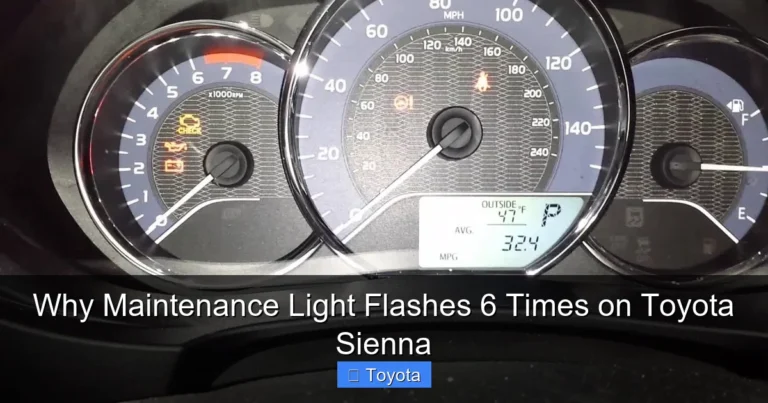
This is your primary electronic reminder. In most modern Toyotas, this light illuminates based on a complex algorithm that calculates oil life based on engine revolutions, temperature, and driving patterns. When it comes on, you should plan your oil change within the next 500-1,000 miles. It is not a “you have 5,000 miles left” indicator; it’s a “your oil is now significantly degraded” warning. Ignoring it for several thousand miles is asking for trouble. If your model has an oil percentage monitor (like many RAV4s, Tacomas, and newer models), treat 15-20% remaining as your “get it done soon” alert.
Physical and Performance Symptoms
Don’t rely on the light alone. Be alert for:
- Excessive Exhaust Smoke: Blue-ish smoke means your engine is burning oil, a sign of worn seals or rings, often exacerbated by old, thin oil.
- Ticking or Tapping Noises: From the top end (valvetrain). This can indicate low oil pressure or insufficient lubrication of hydraulic lifters, which is sensitive to oil viscosity and cleanliness.
- Oil That Looks Dirty: Check your dipstick. Fresh synthetic oil is amber and translucent. If it’s pitch black, gritty, or sludgy-looking when wiped on a paper towel, it’s long past its prime.
- Reduced Performance or Fuel Economy: Sludge and friction rob power and efficiency. You might notice your Toyota feels a bit sluggish or is drinking more gas.
- Oil Level Dropping Quickly: Check your oil level at least once a month. If it’s more than a quart low between changes, you have a consumption issue (which needs diagnosis) or you’re simply going too long between changes.
Practical Tips for Staying on Top of Your Toyota’s Oil Changes
Knowledge is power, but a system is better. Here’s how to make oil changes a no-brainer part of your car care routine.
Embrace Technology and Reminders
Your Toyota’s maintenance light is a great tool, but don’t trust it blindly if you drive in severe conditions. Use your phone’s calendar or a dedicated car maintenance app to set a recurring alert one month before your 12-month anniversary and at your 9,000-mile mark if you have a 10k interval. This creates a buffer so you’re not scrambling when the light finally comes on.
Choose a Trusted Service Provider and Stick to Schedule
Whether it’s a Toyota dealership, a reputable independent shop, or you doing it yourself, consistency is key. A good shop will record your service in a system and may even send you a pre-emptive reminder. They’ll also reset your maintenance light properly. If you do it yourself, you must reset the light (procedure varies by model—check your manual) to keep the system accurate.
Know How to Check Your Oil Properly
This is a fundamental skill. Park level, engine off but warm (after a short drive), wait a few minutes, pull the dipstick, wipe clean, reinsert fully, then pull and read. Check both the level and the condition. This monthly check tells you about consumption and gross contamination. For models with an electronic oil level indicator (like some newer RAV4s), learn how to access and interpret it. You can find specific instructions for your model, such as how to check oil percentage in a Toyota RAV4 or your Tacoma, in your owner’s manual or through reputable online guides.
When in Doubt, Consult the Bible: Your Owner’s Manual
Pull it out. Find the “Maintenance and Care” or “Specifications” section. It will have the definitive chart for your exact VIN. It will also explain what constitutes “severe” conditions for your vehicle. This document trumps any internet advice, including this one, for your specific car.
Conclusion: Protecting Your Investment is a Choice
The question of how long you can go past your oil change in a Toyota ultimately has a responsible answer: as little as possible, and never beyond the severe service interval outlined in your manual. Your Toyota’s remarkable reliability isn’t magic; it’s the result of disciplined engineering and proper maintenance. That 10,000-mile interval is a maximum ceiling, not a target to exceed. The small, regular expense and minor inconvenience of an oil change is the single most effective and cost-efficient way to protect your engine, ensure your safety, maintain your vehicle’s value, and avoid a Breakdown On The Side Of The Road that will cost you a fortune. Don’t gamble with the heart of your Toyota. When the light comes on, make the appointment. Your future self, and your wallet, will thank you.
Frequently Asked Questions
Is it okay to drive a few hundred miles after my Toyota’s maintenance light comes on?
Yes, this is generally acceptable. The light illuminates when the oil life calculation reaches a low threshold, typically giving you a 500-1,000 mile buffer. Use this time to schedule a service appointment promptly, but avoid pushing it much further.
Can I just add oil instead of changing it if I’m low?
Adding oil to top off the level is a separate, emergency action to prevent immediate damage from low oil. It does not replace an oil change. The old, degraded oil remains in the engine, full of contaminants and depleted additives. You must still change the oil and filter to restore full protection.
Does the type of oil I use change how long I can go?
Drastically. Toyota’s 10,000-mile interval is approved only when using Toyota Genuine Motor Oil or a high-quality synthetic oil that meets the exact specifications (like 0W-20 with the correct API/ILSAC ratings). Using conventional oil or a low-quality synthetic can reduce the safe interval to 5,000 miles or less.
How do I reset my Toyota’s maintenance required light after an oil change?
The procedure varies by model year. It often involves turning the ignition on (not starting), navigating the odometer display to “Settings” or “Maintenance,” and holding a button (usually the trip meter reset) until the light blinks and goes off. Always consult your owner’s manual for the exact steps for your vehicle.
Should I change my oil more often if my Toyota is older or has high mileage?
Yes. As engines age, they can develop minor leaks and increased internal wear, leading to higher oil consumption and faster contamination. For vehicles with over 100,000 miles, consider moving to a 5,000-7,500 mile interval even if the manual says 10,000, especially if you notice the oil getting dirty or dark very quickly.
What’s the absolute worst that can happen if I ignore my oil change for too long?
Complete engine failure. As oil turns to sludge and loses its lubricating properties, metal parts weld together, bearings seize, and the engine locks up. This results in a catastrophic failure requiring a full engine replacement or rebuild, costing thousands of dollars—far more than the car’s value in many cases.