How Long Can a Toyota Corolla Go Between Oil Changes

Contents
- 1 Key Takeaways
- 2 📑 Table of Contents
- 3 The Official Word: Toyota’s Maintenance Minder System
- 4 Normal vs. Severe Driving: Which One Are You Doing?
- 5 Synthetic vs. Conventional Oil: The Great Divide
- 6 The Critical Role of the Oil Filter
- 7 What *Really* Happens If You Go Too Long?
- 8 Your Action Plan: Smart Oil Change Habits for Your Corolla
- 9 Frequently Asked Questions


The Toyota Corolla is designed for reliability, but its oil change interval isn’t one-size-fits-all. Under ideal conditions with synthetic oil, you can typically go 7,500 to 10,000 miles. However, severe driving or conventional oil shortens this to 3,000-5,000 miles. Always trust your vehicle’s Maintenance Minder system over generic mileage numbers, as it accounts for your actual driving habits to protect your engine’s longevity.
You’re cruising down the highway in your trusty Toyota Corolla, the miles are adding up, and a thought creeps in: “When exactly do I need to change the oil?” It’s one of the most common questions for any Corolla owner, and the answer has evolved far beyond the old “every 3,000 miles” rule of thumb. Understanding the true oil change interval for your specific Corolla is one of the simplest yet most impactful things you can do for its long-term health and your wallet. Let’s break down everything you need to know, from factory recommendations to real-world driving habits.
Key Takeaways
- Official Toyota Guidance: Toyota recommends oil changes based on a “Maintenance Minder” system that calculates oil life, not a fixed mileage, with a typical range of 5,000-10,000 miles for synthetic oil.
- Oil Type is Critical: Synthetic oil lasts significantly longer than conventional oil, allowing for extended intervals (up to 10,000 miles) due to superior resistance to breakdown and contaminants.
- “Severe” Driving Shortens Intervals: Short trips, extreme temperatures, heavy loads, and dusty conditions are considered severe service and can cut your recommended oil change interval in half.
- Trust the Maintenance Minder: Your Corolla’s computer tracks engine revolutions, temperature, and time to calculate oil life. The “Service Due” light or “Oil” percentage on the dash is your most accurate indicator.
- Skipping Changes Risks Costly Damage: Delaying an oil change leads to sludge, increased wear, and potential engine failure. The cost of an oil change is minimal compared to a new engine.
- Check Your Oil Monthly: Even with long intervals, manually checking the oil level and condition with the dipstick is a crucial, free habit that can catch leaks or consumption issues early.
- Your Owner’s Manual is the Final Authority: For your specific model year and engine type (2.0L, 1.8L, etc.), the manufacturer’s manual provides the definitive schedule and oil specification.
📑 Table of Contents
The Official Word: Toyota’s Maintenance Minder System
Gone are the days of a simple sticker on your windshield. Modern Toyota Corollas (roughly 2008 and newer) come equipped with a sophisticated Maintenance Minder system. This isn’t just a mileage counter; it’s an algorithm that actively monitors your engine’s operating conditions.
How Does the Maintenance Minder Work?
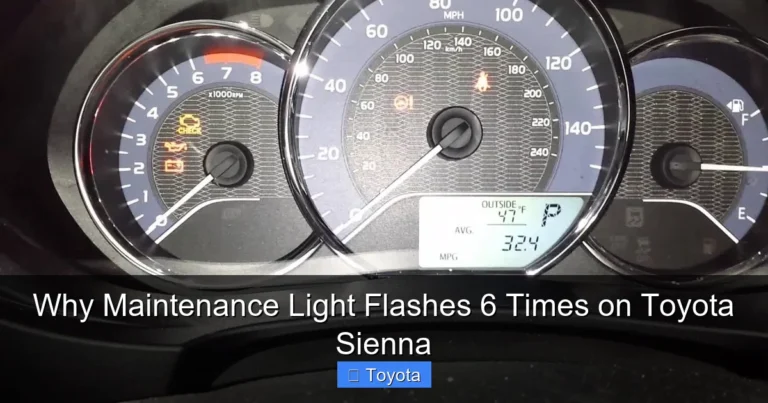
The system tracks data like engine speed, coolant temperature, and driving time. It uses this information to calculate the actual degradation of your engine oil. A long highway road trip at steady speeds is much easier on oil than constant stop-and-go city driving. The Maintenance Minder accounts for this. When your oil life drops to a predetermined threshold (usually around 15%), a “Service Required” or “Oil” message will appear on your multi-information display, often accompanied by a wrench icon. This is your car telling you it’s time for service, not just that you’ve hit a random number on the odometer.
For models without the digital system, Toyota still provides flexible interval guidelines in the owner’s manual. For example, for a newer Corolla using 0W-16 synthetic oil, the “normal” driving schedule might recommend an oil change every 7,500 to 10,000 miles. But what defines “normal”?
Normal vs. Severe Driving: Which One Are You Doing?
This is the most critical distinction. Toyota defines severe driving conditions as anything other than steady highway cruising. If your driving matches most of these scenarios, you should shorten your oil change interval by 30-50%.
Visual guide about How Long Can a Toyota Corolla Go Between Oil Changes
Image source: imgv2-1-f.scribdassets.com
- Frequent Short Trips: Driving less than 5-10 miles in cold weather, or trips where the engine doesn’t fully warm up. This causes fuel dilution and moisture to build up in the oil.
- Extreme Temperatures: Consistently driving in very hot (above 90°F/32°C) or very cold (below 10°F/-12°C) climates.
- Heavy Loads & Towing: Regularly carrying heavy cargo or towing a trailer puts extra stress and heat on the engine.
- Dusty/Sandy Conditions: Driving on dirt roads or in areas with a lot of airborne particulates introduces contaminants that the oil filter must catch.
- Extensive Idling: Taxis, delivery vehicles, or frequent long periods of idling.
- Stop-and-Go Traffic: The classic city commute with constant acceleration and braking.
Practical Example: If your owner’s manual says 10,000 miles for normal driving, a driver in severe conditions should plan for an oil change every 5,000 to 7,000 miles, even with synthetic oil. Your Corolla’s Maintenance Minder is designed to adjust for some of this, but it’s wise to be proactive.
Synthetic vs. Conventional Oil: The Great Divide
The type of oil you use is the single biggest factor determining your oil change interval. Almost all new Toyota Corollas from the last decade require or strongly recommend synthetic oil (like 0W-16). Why does it matter so much?

Visual guide about How Long Can a Toyota Corolla Go Between Oil Changes
Image source: static5.businessinsider.com
The Science of Longevity
Conventional oil is refined from crude oil. It’s effective but breaks down faster under heat and shear stress. Its additives deplete more quickly, and it’s more prone to forming sludge if intervals are stretched. The old 3,000-mile rule was born from this oil’s limitations.
Full synthetic oil is engineered molecule-by-molecule. It has a higher viscosity index (thickens less when hot, thins less when cold), superior resistance to thermal breakdown, and better detergent/dispersant properties to keep sludge at bay. This stability allows for dramatically longer drain intervals—often 7,500 to 10,000 miles, or even 1 year, as specified by the manufacturer and oil producers. For the specific capacity of your Corolla’s engine, you can reference guides on how much oil a Toyota Corolla takes, which also typically lists the recommended oil type and viscosity.
Important Note: If your older Corolla (pre-2010) has been using conventional oil for its life, switching to synthetic is generally safe and beneficial, but you might not immediately gain the full interval benefit if the engine has accumulated sludge. A “switch” oil change with a high-quality flush can help.
The Critical Role of the Oil Filter
Oil isn’t changing alone. The oil filter is its partner in engine protection. A high-quality filter traps metal shavings, dirt, and other abrasive particles. Using a cheap, low-capacity filter can negate the benefits of expensive synthetic oil. A clogged filter restricts oil flow, causing wear and potentially triggering the pressure relief valve to bypass filtration entirely—sending dirty oil through your engine.

Visual guide about How Long Can a Toyota Corolla Go Between Oil Changes
Image source: mbclinic.com
When you get your oil changed, ensure a reputable filter is used. OEM (Toyota) filters or premium brands like Mobil 1, Wix XP, or Fram Titanium are excellent choices. The filter change interval should always match the oil change interval. Never reuse an old filter with new oil.
What *Really* Happens If You Go Too Long?
It’s not just about a warning light. Delaying an oil change initiates a cascade of damaging events inside your engine.
The Path to Sludge and Wear
As oil ages, its additives are depleted. Its ability to suspend soot and metal particles diminishes. These particles clump together and begin to form sludge—a thick, abrasive paste that coats internal passages, oil galleries, and valve train components. Sludge blocks oil flow to critical parts like the camshaft bearings and piston rings, causing localized starvation and extreme wear.
Simultaneously, the oil’s viscosity changes. It may thin out too much under high heat (shear), failing to maintain a protective film between moving parts like the crankshaft and rod bearings. This results in metal-on-metal contact, scoring, and ultimately, catastrophic bearing failure. The cost of replacing an engine or rebuilding a bottom end can easily exceed $5,000, making a $60 oil change seem like a bargain.
You might also notice symptoms like increased oil consumption, poor fuel economy, a ticking noise from the valvetrain, or the Check Engine Light illuminating with codes for variable valve timing (VVT) components, which are highly sensitive to oil quality and pressure.
Your Action Plan: Smart Oil Change Habits for Your Corolla
So how do you translate all this into simple, actionable steps? Follow this checklist.
- Find Your Maintenance Schedule: Open your owner’s manual. Find the section on “Maintenance/Maintenance Requirements” or “Scheduled Maintenance.” This is your bible. Note the intervals for “Severe” and “Normal” service.
- Identify Your Oil Specification: Look for the required oil viscosity (e.g., 0W-16, 5W-30). Using the correct oil is non-negotiable for modern engines designed for specific friction characteristics.
- Check the Dipstick Monthly: Regardless of the interval, get in the habit of checking your oil level once a month on level ground. Look for the level between the marks and assess the color. Fresh oil is amber and translucent. Dark brown or black is normal; if it’s gritty, sludgy, or smells of gasoline, it’s time for a change, regardless of mileage.
- Reset the Maintenance Minder: After a professional oil change, ensure the shop resets the Maintenance Minder system. If you do it yourself, follow the manual’s procedure (usually involves turning the key on and using the odometer/trip meter buttons).
- Choose Quality Parts & Service: Use the recommended oil grade and a filter that meets or exceeds Toyota specifications. If you’re not doing it yourself, choose a reputable shop that uses quality products. You can also learn how long an oil change at a Toyota dealership typically takes to plan your schedule.
For older Corollas, especially those with high mileage (over 150,000 miles), consider using a high-mileage synthetic oil. These formulations contain seal conditioners and extra anti-wear additives that can help reduce minor leaks and consumption.
Frequently Asked Questions
Can I go 10,000 miles without an oil change in my Corolla?
Only if you use full synthetic oil and drive almost exclusively on long, steady highway trips under mild conditions (Toyota’s “Normal” schedule). For most drivers with mixed or “Severe” driving, 5,000-7,500 miles is a safer maximum with synthetic oil. Always let your Maintenance Minder system be your primary guide.
What happens if I ignore the oil change light?
Ignoring the light means you’re running on depleted, contaminated oil. This leads to accelerated engine wear, sludge buildup, and significantly increases the risk of a costly engine failure. The light is a critical warning, not a suggestion.
Is it okay to change my oil more often than recommended?
Yes. Changing your oil more frequently (e.g., every 5,000 miles with synthetic) is not harmful. It simply costs more and may be environmentally less friendly due to increased waste oil. The only downside is unnecessary expense. The real danger is changing it less often.
Does the “Oil Life” percentage on my dash mean I have that percent of oil left?
No. It’s a calculated estimate of the oil’s remaining service life based on engine operating conditions, not a direct measurement of oil quantity or quality. At 15%, it’s time to schedule your service. Never wait until it reads 0% for an extended period.
My Corolla burns oil. Does this change the interval?
Yes. If you are regularly adding a quart or more of oil between changes, you have an issue that needs diagnosis (worn seals, piston rings, etc.). You must check the oil level more frequently—as often as every 1,000 miles—to prevent running low, which is extremely damaging. The change interval is based on time/mileage, but oil level must be maintained separately.
What oil filter should I use for my Corolla?
Use a high-quality filter that meets Toyota’s specifications. OEM (Toyota) filters are designed specifically for your engine. Excellent aftermarket options include Mobil 1, Wix XP, Fram Titanium, or Purolator PureOne. Never use a cheap, low-capacity filter. For specific details on your model’s oil capacity and compatible filters, resources like how much oil a 2010 Toyota Corolla takes often list the correct filter part number.