
How Hot Can a Car Get in the Sun?

On a sunny 70°F day, a parked car’s interior can soar past 115°F within an hour—hot enough to cause serious harm. This article breaks down the science behind car heat buildup, real-world risks, and practical ways to protect yourself, your passengers, and your vehicle from extreme temperatures.
Have you ever opened your car door on a sunny day and been hit by a wave of heat so intense it feels like stepping into an oven? You’re not imagining things. Even when the outside temperature seems pleasant—say, 75°F or 80°F—the inside of a parked car can become dangerously hot in a matter of minutes. This phenomenon isn’t just uncomfortable; it’s a serious safety hazard that affects everyone from children and pets to electronics and vehicle components.
Understanding how hot a car can get in the sun is more than a curiosity—it’s a matter of life and death. Every year, dozens of children and pets die from heatstroke after being left in parked vehicles. These tragedies are almost always preventable, yet they continue to happen because many people underestimate how quickly and severely a car’s interior can heat up. The science behind this heat buildup is rooted in basic physics: sunlight enters through the windows, gets absorbed by surfaces inside the car, and then radiates as heat that can’t easily escape. This creates a greenhouse effect, trapping heat and driving temperatures sky-high.
In this article, we’ll explore the real numbers behind car heat, the science that drives it, the risks it poses, and—most importantly—what you can do to stay safe. Whether you’re a parent, pet owner, commuter, or just someone who parks outside, this information could save a life.
Key Takeaways
- Interior temperatures can exceed 120°F even on mild days: A car parked in direct sunlight can heat up rapidly, reaching dangerous levels in under an hour.
- Cracking the windows has minimal impact: Slightly opening windows only reduces interior heat by a few degrees and is not a reliable cooling method.
- Children and pets are at high risk: Their bodies heat up 3–5 times faster than adults, making heatstroke a real danger in minutes.
- Dark interiors absorb more heat: Black dashboards, seats, and steering wheels can reach over 200°F, increasing burn risks.
- Sunshades and parking in shade help significantly: Using reflective sunshades and choosing shaded spots can lower cabin temperatures by up to 40°F.
- Never leave anyone unattended in a parked car: Even for a quick errand, the risk of heat-related illness or death is too high.
- Technology can help but isn’t foolproof: Remote start with AC and cabin overheat protection are useful, but should not replace vigilance.
📑 Table of Contents
How Hot Can a Car Really Get?
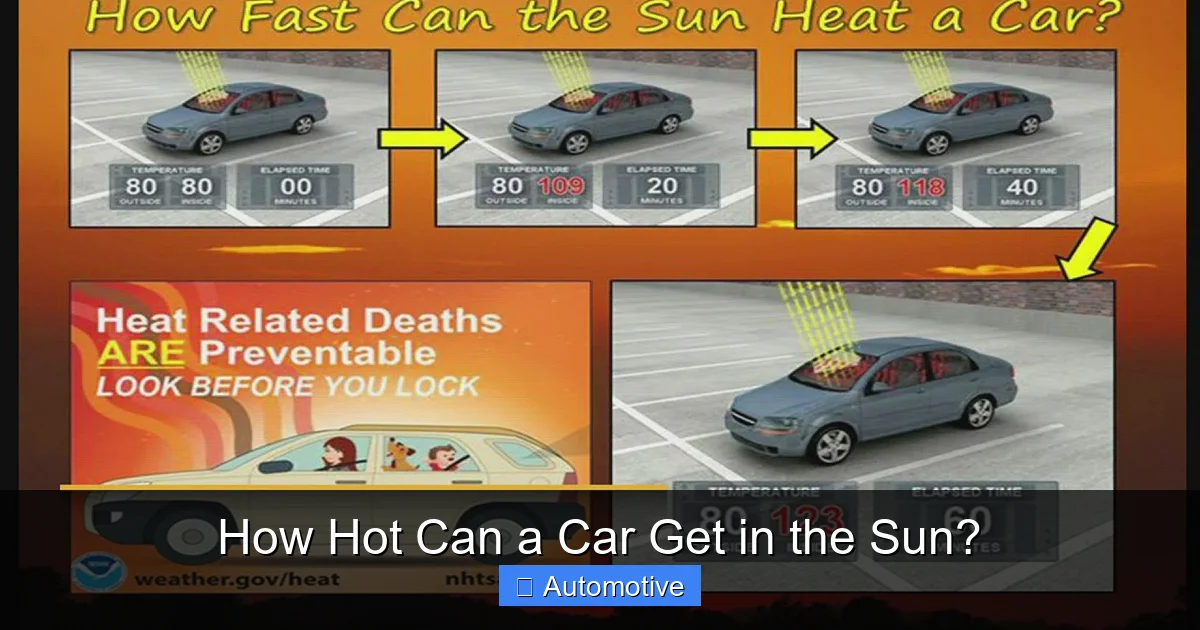
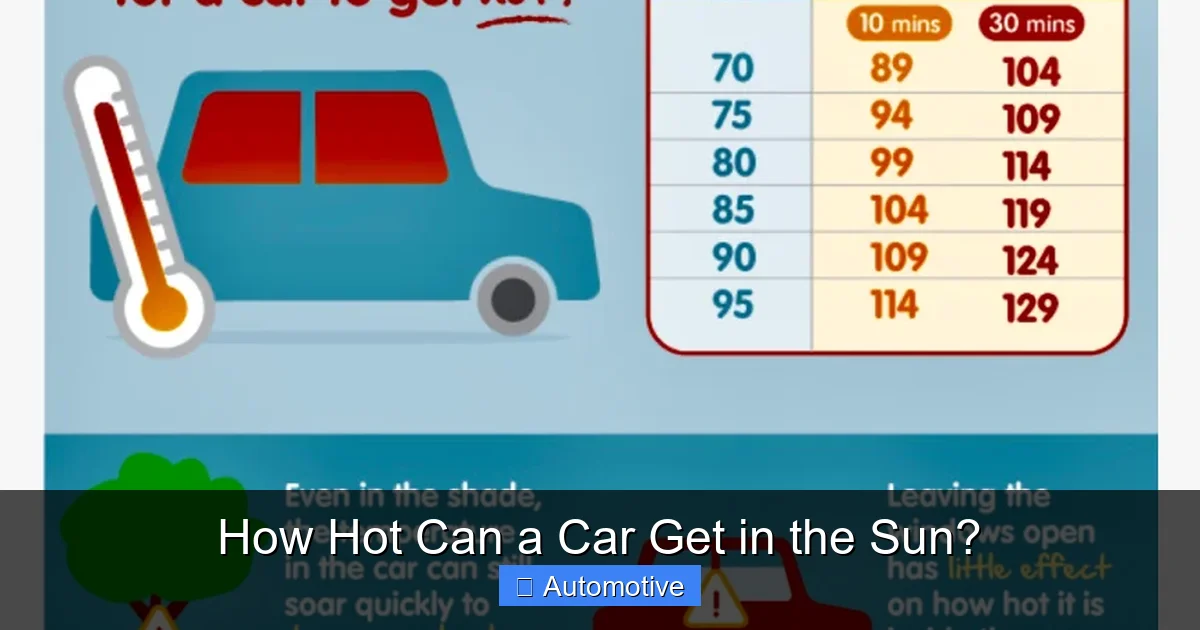
Let’s start with the facts. How hot can a car get in the sun? The answer might surprise you. According to studies by the National Highway Traffic Safety Administration (NHTSA) and researchers at Arizona State University, a car parked in direct sunlight can reach interior temperatures of 110°F to 120°F within just 30 to 60 minutes—even when the outside air temperature is only 70°F.
For example, on a 70°F day, the dashboard of a car can hit 125°F, the steering wheel can reach 120°F, and the seats can climb to 115°F. On a 90°F day, those numbers jump dramatically: the dashboard can exceed 160°F, and the interior air temperature can soar past 125°F. That’s hot enough to cause second-degree burns on skin in just a few seconds of contact.
The rate of heating is especially alarming. Within the first 10 minutes of parking, the interior temperature can rise by 20°F. After 30 minutes, it can increase by 40°F or more. This rapid escalation means that even a quick stop at the store can turn your car into a sauna.
One of the most cited studies on this topic was conducted by Jan Null, a meteorologist and expert on vehicular heatstroke. His research showed that in just one hour, the temperature inside a parked car can rise by an average of 40°F, regardless of whether the windows are cracked. This means that even if you leave the windows slightly open—thinking it will help—it makes almost no difference in slowing down the heat buildup.
These numbers aren’t just theoretical. They’ve been measured in real-world conditions across different climates, vehicle types, and times of day. Whether you’re in Phoenix, Miami, or even a relatively mild climate like Seattle, the greenhouse effect inside a parked car is universal.
The Science Behind the Heat: Why Cars Turn Into Ovens
Visual guide about How Hot Can a Car Get in the Sun?
Image source: pngall.com
So why does a car get so hot so quickly? It all comes down to the greenhouse effect—a natural process that occurs when sunlight enters a closed space and gets trapped as heat.
When sunlight hits your car, about 50% of it passes through the windows as visible light. This light then hits surfaces inside the car—like the dashboard, seats, and floor—and is absorbed. These surfaces convert the light into infrared radiation (heat), which radiates back out. However, the windows, which are transparent to visible light, are much less transparent to infrared radiation. As a result, the heat gets trapped inside, causing temperatures to rise.
This is the same principle that keeps Earth warm and greenhouses growing plants. In a car, it’s amplified by several factors:
- Dark colors absorb more heat: A black dashboard or dark upholstery absorbs up to 90% of sunlight, while lighter colors reflect more. This is why black cars get hotter than white ones.
- Enclosed space traps heat: Unlike outdoor environments where wind and convection help cool things down, a car’s sealed cabin prevents heat from escaping.
- Materials conduct and retain heat: Metal parts like the steering wheel and seat frames conduct heat quickly, while plastics and fabrics retain it, slowly releasing it over time.
Another factor is solar radiation intensity. The sun’s rays are strongest between 10 a.m. and 4 p.m., especially in summer. During this window, the amount of energy hitting your car’s roof and windows is at its peak, accelerating heat buildup.
Interestingly, humidity plays a smaller role than you might think. While humid air feels hotter to humans, it doesn’t significantly affect how hot a car’s interior gets. Dry, sunny climates like Arizona or Nevada can produce some of the most extreme car temperatures because of intense solar radiation and low cloud cover.
Real-World Risks: Heatstroke, Burns, and Damage
Visual guide about How Hot Can a Car Get in the Sun?
Image source: media.kens5.com
The extreme heat inside a parked car isn’t just uncomfortable—it’s dangerous. The risks fall into three main categories: health hazards, physical injuries, and vehicle damage.
Heatstroke and Health Emergencies
Heatstroke is the most serious risk. It occurs when the body’s core temperature rises above 104°F, and the body can no longer cool itself. In a hot car, this can happen in as little as 10 to 15 minutes—especially for children and pets.
Children are particularly vulnerable because their bodies heat up 3 to 5 times faster than adults. Their smaller size and less efficient cooling systems make them more susceptible to rapid temperature increases. According to the NHTSA, over 50% of child heatstroke deaths in cars occur because a caregiver forgot the child was in the back seat.
Pets face similar dangers. Dogs, for example, cool themselves primarily by panting, which is far less effective in a hot, enclosed space. A dog left in a car on an 80°F day can suffer heatstroke in under 30 minutes. Symptoms include excessive panting, drooling, vomiting, lethargy, and seizures. Without immediate treatment, heatstroke can lead to organ failure and death.
Even healthy adults aren’t immune. Elderly individuals, people with chronic illnesses, or those taking certain medications (like antihistamines or antidepressants) may have reduced ability to regulate body temperature. A short nap or phone call in a parked car can quickly turn into a medical emergency.
Burns and Physical Injuries
Beyond internal health risks, the surfaces inside a hot car can cause severe burns. A study by the University of California found that dashboard temperatures can exceed 180°F on a 90°F day. Touching a steering wheel, seatbelt buckle, or gear shift at that temperature can cause second-degree burns in less than a second.
Imagine a child buckling into a car seat with a metal buckle that’s been baking in the sun. The metal can be hot enough to blister skin instantly. Similarly, leather or vinyl seats can become so hot they cause discomfort or minor burns, especially if someone sits down quickly without checking.
These burns aren’t just painful—they can lead to infections, scarring, and long-term skin damage. In extreme cases, they may require medical attention.
Damage to Electronics and Interior
High heat also damages your car’s interior and electronics. Prolonged exposure to temperatures above 120°F can:
- Warp or crack dashboards and trim
- Cause leather seats to dry out and crack
- Damage touchscreens, GPS units, and infotainment systems
- Degrade adhesives and seals, leading to rattles and leaks
- Reduce the lifespan of batteries and other electronic components
Even items left inside the car—like phones, tablets, or medications—can be damaged. Electronics can overheat and shut down permanently, while medications (especially insulin or liquid antibiotics) can lose potency when exposed to high temperatures.
Who Is Most at Risk?
Visual guide about How Hot Can a Car Get in the Sun?
Image source: kindpng.com
While anyone can be affected by extreme car heat, certain groups are at much higher risk.
Children and Infants
Children under 4 are the most vulnerable group. Their bodies are still developing, and they rely on adults to keep them safe. Tragically, more than 900 children have died from vehicular heatstroke in the U.S. since 1998, according to KidsAndCars.org. Most of these deaths occur when a child is accidentally left in a car, often because of a change in routine or distraction.
Even older children aren’t safe. Some kids climb into unlocked cars to play and become trapped, unable to open the doors or call for help. This is why it’s critical to always lock cars and teach children that cars are not play areas.
Pets
Dogs and cats are frequent victims of heatstroke in cars. Unlike humans, they can’t sweat to cool down. A dog’s normal body temperature is around 101°F, and anything above 104°F is dangerous. At 107°F, organ damage begins, and death can occur quickly.
Many people believe that leaving a pet in a car with water and shade is safe, but this is a myth. Shade shifts as the sun moves, and water can spill. Even with precautions, the temperature inside a car can still climb to lethal levels.
Elderly and Medically Vulnerable Individuals
Older adults often have reduced thirst sensation and slower thermoregulation, making them less aware of overheating. Those with heart conditions, diabetes, or neurological disorders may also be at higher risk.
Additionally, people taking certain medications—such as diuretics, beta-blockers, or antipsychotics—may have impaired ability to sweat or regulate body temperature, increasing their risk in hot environments.
How to Keep Your Car Cool and Safe
The good news is that there are effective ways to reduce the heat inside your car and protect yourself and others from harm.
Use a Sunshade
A reflective windshield sunshade can make a big difference. Studies show that using a sunshade can reduce interior temperatures by up to 40°F. Look for shades that cover the entire windshield and are made of reflective material. Some even come with suction cups or foldable designs for easy storage.
Park in the Shade
Whenever possible, park under a tree, in a garage, or in a shaded area. Even a few feet of shade can significantly reduce heat buildup. If shade isn’t available, try to park with the front of the car facing away from the sun to minimize direct sunlight on the dashboard.
Crack the Windows? Not Really
While it’s a common belief that cracking the windows helps, research shows it has minimal impact. In one study, cars with windows cracked an inch showed only a 2–3°F reduction in temperature after an hour. It’s better than nothing, but don’t rely on it as a cooling strategy.
Use Remote Start with AC
Many modern cars come with remote start systems that allow you to turn on the air conditioning before you get in. This can cool the cabin significantly in just a few minutes. Some vehicles even have “cabin overheat protection” that automatically runs the AC if the interior temperature exceeds a certain threshold.
Check Seats and Surfaces Before Sitting
Before getting into your car, especially after it’s been parked in the sun, touch the seat, steering wheel, and seatbelt buckle to check for extreme heat. If they’re too hot to touch, wait a few minutes or use a towel to protect your skin.
Never Leave Anyone Unattended
This cannot be overstated: never leave a child, pet, or vulnerable adult alone in a parked car—even for a minute. If you must leave your car, take everyone with you. Use reminders like placing your phone or purse in the back seat to ensure you don’t forget a child.
Use Technology Wisely
Consider using apps or devices designed to prevent heatstroke. Some car seats now come with sensors that alert your phone if a child is left in the car. Others use motion detectors or weight sensors. While these tools are helpful, they should never replace human vigilance.
Myths and Misconceptions
There are several myths about car heat that persist despite evidence to the contrary.
Myth: “It’s only 80°F outside, so it’s safe.”
False. As we’ve seen, interior temperatures can exceed 120°F even on mild days. Heatstroke can occur at temperatures as low as 80°F if exposure is prolonged.
Myth: “Cracking the windows will cool the car.”
As mentioned earlier, this has almost no effect. The greenhouse effect continues regardless of window position.
Myth: “My pet can handle it—they have fur.”
Fur actually insulates heat, making it harder for animals to cool down. Dogs and cats rely on panting and limited sweat glands, which are ineffective in hot, enclosed spaces.
Myth: “I’ll only be gone for a minute.”
Even a few minutes can be deadly. Heatstroke progresses rapidly, and children or pets can lose consciousness before anyone notices.
Conclusion
So, how hot can a car get in the sun? The answer is clear: dangerously hot—fast. On a sunny day, a parked car can become an oven, reaching temperatures that pose serious risks to health, safety, and vehicle integrity. The science is simple, the dangers are real, and the solutions are within reach.
By understanding how heat builds up inside a car, recognizing the risks, and taking simple precautions, you can protect yourself, your loved ones, and your pets. Use sunshades, park in the shade, never leave anyone unattended, and stay informed. A few small changes can make a life-saving difference.
Remember: when it comes to car heat, it’s not about how hot it feels outside—it’s about how hot it becomes inside. Stay cool, stay safe, and always think twice before leaving anyone in a parked car.
Frequently Asked Questions
How fast does a car heat up in the sun?
A car can increase in temperature by 20°F within the first 10 minutes of being parked in direct sunlight. After one hour, the interior can be 40°F hotter than the outside air—even with windows slightly open.
Can cracking the windows prevent a car from overheating?
No, cracking the windows has minimal effect. Studies show it reduces interior temperature by only 2–3°F, which is not enough to prevent dangerous heat buildup.
What temperature is too hot for a child in a car?
Any temperature above 80°F outside can become dangerous inside a car. A child’s body can overheat in as little as 10–15 minutes, leading to heatstroke at 104°F core body temperature.
Can pets survive in a hot car with water and shade?
No. Shade shifts, water can spill, and pets cool down much slower than humans. Even with precautions, the interior temperature can reach lethal levels in under 30 minutes.
Do sunshades really help keep cars cool?
Yes. Reflective sunshades can reduce interior temperatures by up to 40°F by blocking sunlight from entering through the windshield and heating up surfaces.
Is it safe to leave a car running with AC on for a child or pet?
No. Even with the AC running, there’s a risk of carbon monoxide buildup, mechanical failure, or the child/pet accidentally shifting the car into gear. It’s never safe to leave anyone unattended.