
Can You Use Goof Off on Car Paint?

Using Goof Off on car paint is not recommended due to its harsh chemical composition, which can strip wax, damage clear coats, and dull the finish. While it may remove stubborn stains like tree sap or tar, safer alternatives exist that protect your vehicle’s paint integrity.
Key Takeaways
- Goof Off is too strong for car paint: It contains aggressive solvents like acetone and toluene that can degrade automotive finishes over time.
- Risk of clear coat damage: Prolonged or repeated use can weaken the protective clear coat, leading to oxidation and paint fading.
- Wax and sealant removal: Goof Off strips protective layers, leaving paint vulnerable to UV rays, dirt, and moisture.
- Safe spot testing is essential: If you must use it, test on a hidden area first and limit exposure time.
- Better alternatives available: Products like Goo Gone Automotive, clay bars, or isopropyl alcohol are gentler and paint-safe.
- Professional detailing is safer: For tough stains, consult a detailer to avoid DIY mishaps.
- Prevention beats correction: Regular washing and waxing reduce the need for harsh cleaners.
📑 Table of Contents
Can You Use Goof Off on Car Paint?
So, you’ve got a stubborn spot on your car’s paint—maybe tree sap, tar, or some mysterious sticky residue—and you’re wondering if that bottle of Goof Off in your garage can save the day. It’s a common dilemma. Goof Off is a powerful cleaner known for tackling tough messes on surfaces like glass, metal, and plastic. But when it comes to your car’s paint, the answer isn’t as simple as “spray and wipe.” In fact, using Goof Off on car paint can do more harm than good if you’re not careful.
The short answer? It’s not recommended. While Goof Off can remove certain contaminants, its chemical makeup is too harsh for automotive paint, especially modern clear coat finishes. Car paint isn’t just a layer of color—it’s a carefully engineered system designed to protect the metal underneath while maintaining a glossy, durable appearance. Introducing a solvent as aggressive as Goof Off can compromise that system, leading to long-term damage like dulling, peeling, or even paint failure. But that doesn’t mean it’s never usable. With extreme caution and proper technique, some people have used it in small, controlled amounts. Still, understanding the risks and knowing safer alternatives is key to protecting your vehicle’s value and appearance.
What Is Goof Off and How Does It Work?
Chemical Composition and Strength
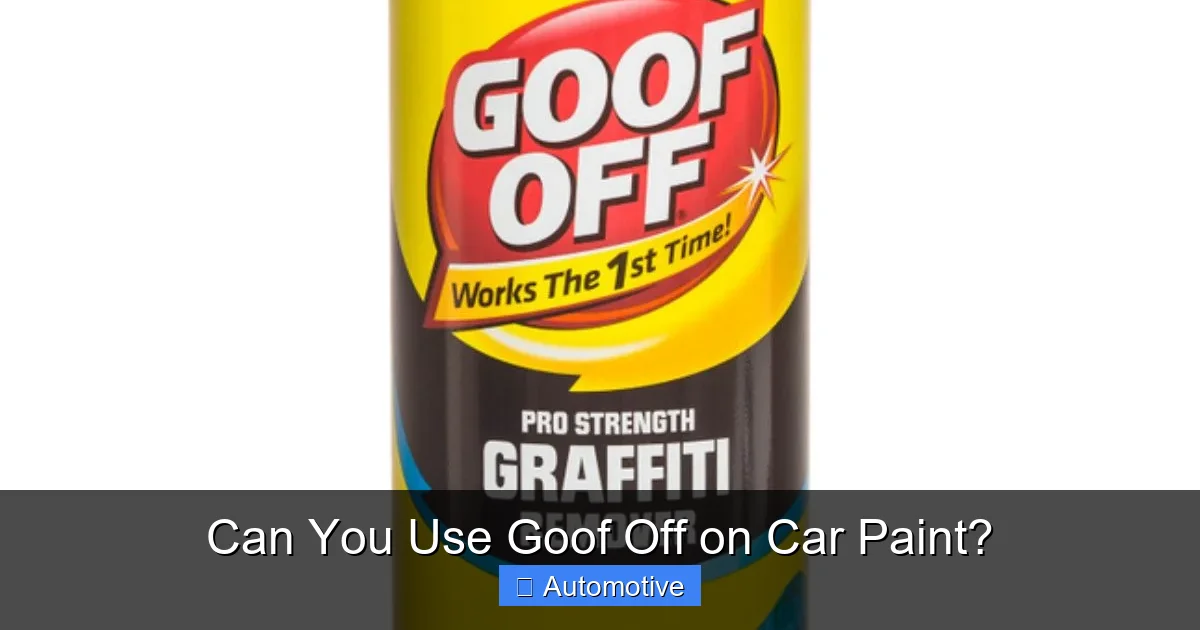
Goof Off is a heavy-duty adhesive remover and cleaner manufactured by the Homax Group. It’s widely used in homes and workshops to remove stickers, glue, paint overspray, and other stubborn residues. The product comes in several formulations, but the most common version contains powerful solvents such as acetone, toluene, and methyl ethyl ketone (MEK). These chemicals are excellent at breaking down adhesives and organic compounds, which is why Goof Off works so well on labels, tape residue, and dried paint.
Visual guide about Can You Use Goof Off on Car Paint?
Image source: jalopytalk.com
However, this same strength is what makes it risky for car paint. Acetone, for example, is a common ingredient in nail polish remover and is known to dissolve certain plastics and coatings. Toluene is a petroleum-based solvent used in paint thinners. While effective, these ingredients can strip away protective waxes, sealants, and even the clear coat if left on too long or used repeatedly. The result? A dull, hazy, or even etched surface that’s more prone to future damage.
Common Uses and Misapplications
Goof Off is often used on non-porous surfaces like glass, metal tools, or concrete. It’s great for removing price tags from windows or cleaning glue off a workbench. But when people see it working so well on hard surfaces, they assume it’s safe for everything—including car paint. This is where the problem begins. Car paint, especially on modern vehicles, is layered: a base coat for color, topped with a clear coat for shine and protection. This clear coat is relatively thin and sensitive to harsh chemicals.
For example, imagine you’re washing your car and notice a glob of tree sap stuck to the hood. You grab Goof Off, spray it on, and wipe it off—problem solved, right? Maybe in the short term. But over time, repeated use in the same spot can cause the clear coat to thin, leading to a patchy appearance or even paint oxidation. In extreme cases, the underlying base coat can be exposed, making the area more vulnerable to rust and corrosion.
The Risks of Using Goof Off on Car Paint
Clear Coat Damage and Oxidation
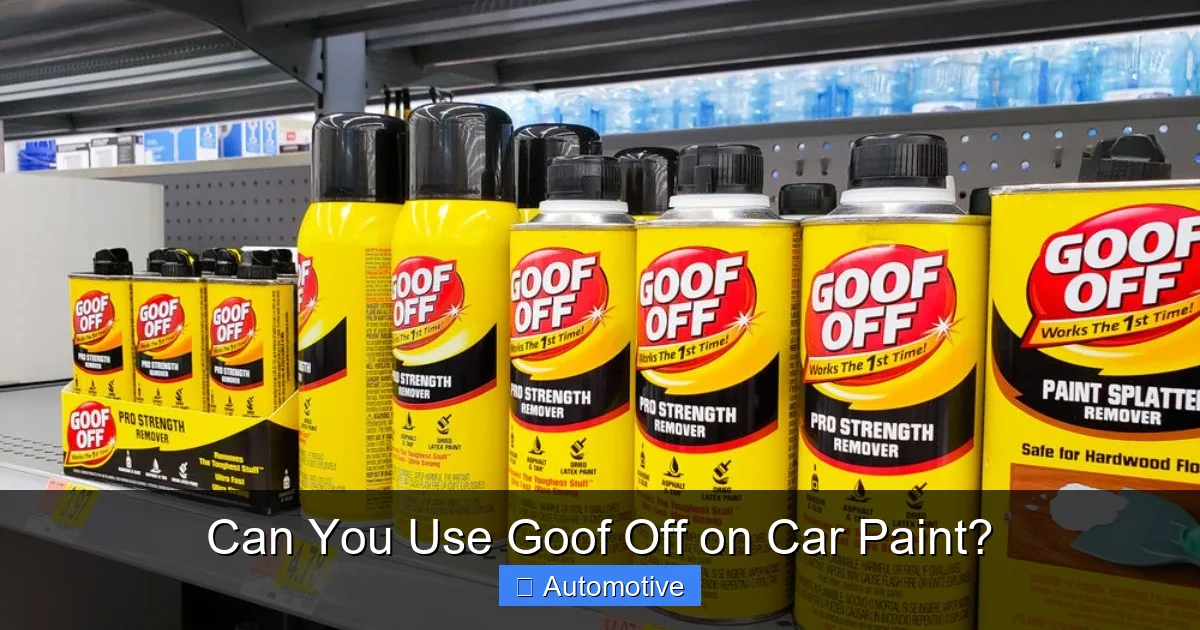
One of the biggest risks of using Goof Off on car paint is damage to the clear coat. The clear coat is the outermost layer of your car’s paint job, and it’s responsible for that glossy, showroom-quality finish. It also protects the colored base coat from UV rays, acid rain, bird droppings, and other environmental hazards. When Goof Off is applied, its solvents can penetrate and weaken this layer, especially if left on for more than a few seconds.
Visual guide about Can You Use Goof Off on Car Paint?
Image source: jalopytalk.com
Signs of clear coat damage include dullness, hazing, or a chalky appearance. In severe cases, the paint may start to peel or flake, revealing the base coat underneath. Once the clear coat is compromised, the base coat is exposed to the elements, accelerating oxidation. Oxidation turns paint a faded, brownish color and can lead to permanent discoloration. Repairing this kind of damage often requires professional repainting, which can cost hundreds or even thousands of dollars.
Stripping of Protective Waxes and Sealants
Most car owners apply wax or sealant to their vehicles to enhance shine and provide an extra layer of protection. These products sit on top of the clear coat and help repel water, dirt, and UV rays. Unfortunately, Goof Off doesn’t discriminate—it will strip away wax and sealant just as easily as it removes tree sap or tar. This leaves your paint exposed and unprotected, increasing the risk of water spots, staining, and long-term wear.
For example, if you’ve just waxed your car and then use Goof Off to remove a bug splatter, you’ll not only remove the bug but also the fresh wax layer. Now your paint is vulnerable until you reapply protection. Over time, this cycle of stripping and reapplication can weaken the paint system and reduce its lifespan.
Potential for Swirl Marks and Scratches
Another often-overlooked risk is the potential for physical damage during the cleaning process. Goof Off is typically applied with a cloth or paper towel, and if you’re not careful, you might rub too hard or use an abrasive material. This can create micro-scratches or swirl marks, especially on dark-colored cars where imperfections are more visible. These swirls not only ruin the shine but can also trap dirt and moisture, leading to further paint degradation.
Additionally, if the residue you’re trying to remove is gritty (like dried mud or sand), rubbing it with a cloth after applying Goof Off can act like sandpaper, scratching the paint. This is why gentle, non-abrasive methods are always preferred when dealing with car surfaces.
When Might Goof Off Be Used (With Caution)?
Spot Testing and Limited Use
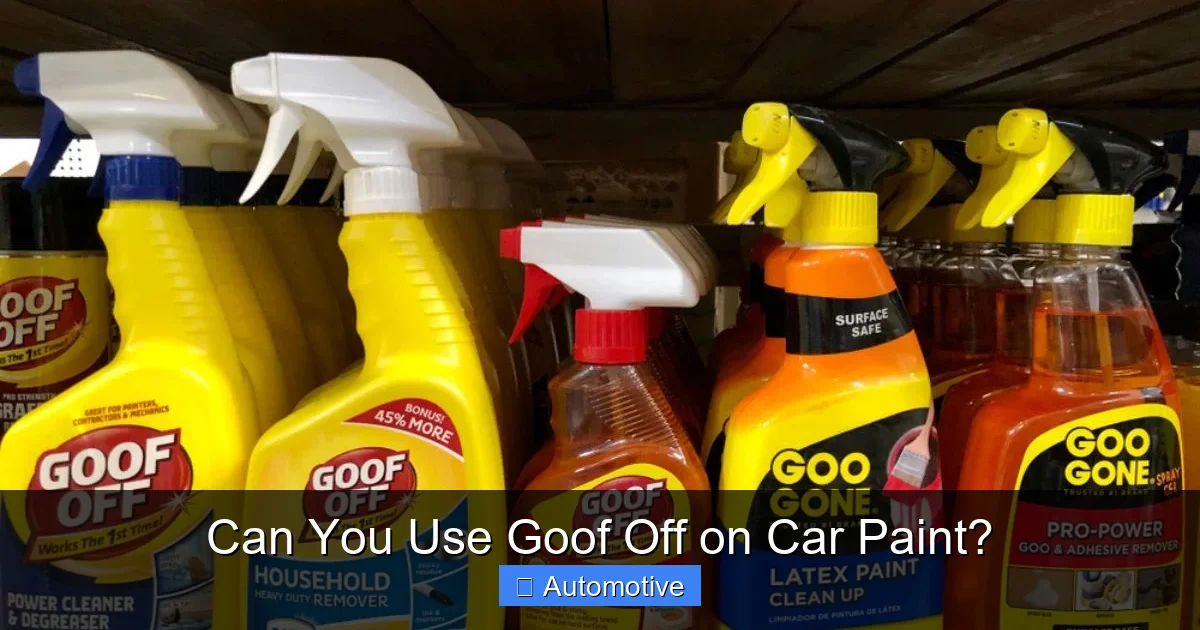
While Goof Off is generally not recommended, there may be rare situations where it’s used as a last resort—such as removing dried spray paint or industrial adhesive that won’t budge with safer methods. In these cases, extreme caution is required. The key is spot testing and minimal exposure.
Visual guide about Can You Use Goof Off on Car Paint?
Image source: jalopytalk.com
Start by testing Goof Off on a small, inconspicuous area—like behind the fuel door or under the trunk lid. Apply a tiny amount to a microfiber cloth (never spray directly on the paint), gently rub the area, and wipe it off immediately. Wait 24 hours to see if there’s any discoloration, hazing, or texture change. If the paint looks normal, you might proceed—but only on the affected spot and only once.
Proper Application Technique
If you decide to use Goof Off, follow these steps to minimize risk:
- Dilute it: Mix one part Goof Off with three parts water to reduce its strength.
- Use a soft microfiber cloth: Avoid paper towels or rough fabrics that can scratch.
- Apply sparingly: Dab, don’t spray. Let it sit for no more than 10–15 seconds.
- Wipe immediately: Use a clean, damp cloth to remove the residue and any cleaner.
- Rinse and wax: Wash the area with car soap and reapply wax or sealant to restore protection.
Even with these precautions, there’s no guarantee of safety. The best approach is to avoid Goof Off altogether and opt for gentler, paint-safe alternatives.
Safer Alternatives to Goof Off for Car Paint
Goo Gone Automotive
Goo Gone Automotive is specifically formulated for use on vehicles. It’s designed to remove adhesives, tar, sap, and bug residue without damaging paint or clear coats. Unlike the original Goo Gone (which can be too strong), the automotive version is pH-balanced and safe for regular use. It’s widely available at auto parts stores and online.
To use Goo Gone Automotive, apply a small amount to a microfiber cloth, gently rub the affected area, and wipe clean. It works quickly and doesn’t require harsh scrubbing. Many detailers recommend it as a go-to solution for sticky residues.
Clay Bars and Lubricants
Clay bars are a favorite among car enthusiasts for removing embedded contaminants like tree sap, industrial fallout, and brake dust. They work by “claying” the surface—lifting contaminants without chemicals. When used with a clay lubricant (a special spray that prevents scratching), clay bars are safe for all paint types.
The process involves spraying the lubricant on the paint, then gently gliding the clay bar back and forth. It feels like polishing, and the results are impressive—smooth, clean paint that’s ready for waxing. Clay bars are reusable and cost-effective, making them a great long-term solution.
Isopropyl Alcohol (70% or Lower)
For light cleaning or removing wax buildup, isopropyl alcohol (rubbing alcohol) can be effective—when used correctly. A solution of 70% alcohol or lower mixed with water (1:1 ratio) is gentle enough for occasional use. It’s great for removing grease, adhesive residue, or old wax before applying a new coat.
However, avoid using high-concentration alcohol (90% or above) frequently, as it can dry out the paint and clear coat over time. Always follow up with wax or sealant to restore protection.
Commercial Tar and Sap Removers
Products like 3M Adhesive Remover or Meguiar’s Bug and Tar Remover are engineered for automotive use. They’re formulated to break down tough residues while being safe for paint, trim, and glass. These products often come with applicator pads or spray bottles for easy use.
They’re especially useful for road trips or areas with heavy tree coverage. Regular use can prevent buildup and make washing easier.
Best Practices for Maintaining Car Paint
Regular Washing and Drying
The best way to avoid the need for harsh cleaners is to maintain your car’s paint regularly. Wash your vehicle every two weeks using a pH-balanced car shampoo and a soft wash mitt. Avoid dish soap, which strips wax and dries out paint.
Always dry your car with a microfiber drying towel to prevent water spots. Pay attention to crevices where dirt and moisture can accumulate.
Waxing and Sealing
Apply a quality car wax or sealant every 3–6 months to protect the paint. Wax adds shine and repels water, while sealants offer longer-lasting protection. Ceramic coatings are a premium option that can last years with proper maintenance.
Regular protection reduces the buildup of contaminants and makes cleaning easier, minimizing the need for aggressive products.
Prompt Stain Removal
The sooner you remove a stain, the easier it is to clean. Tree sap, bird droppings, and bug splatter should be addressed within 24–48 hours. Use a quick detailer spray and a microfiber cloth for light cleaning. For tougher spots, use a dedicated remover rather than reaching for Goof Off.
Keeping a small cleaning kit in your car—with a spray bottle, microfiber cloths, and a sap remover—can help you act fast.
Conclusion
So, can you use Goof Off on car paint? Technically, yes—but it’s not advisable. The risks far outweigh the benefits. Goof Off’s powerful solvents can damage clear coats, strip protective waxes, and leave your paint vulnerable to oxidation and fading. While it might solve a sticky problem in the short term, it could cost you hundreds in paint repairs down the road.
Instead, opt for safer, automotive-specific products like Goo Gone Automotive, clay bars, or commercial tar removers. These are designed to clean without compromising your car’s finish. And remember: prevention is always better than correction. Regular washing, waxing, and prompt stain removal will keep your car looking great—without the need for harsh chemicals.
Your car’s paint is an investment. Treat it with care, and it will reward you with a glossy, head-turning finish for years to come.
Frequently Asked Questions
Can Goof Off remove tree sap from car paint?
Yes, Goof Off can remove tree sap, but it’s not safe for regular use. Its solvents may damage the clear coat over time. Safer alternatives like Goo Gone Automotive or clay bars are recommended.
Will Goof Off strip car wax?
Yes, Goof Off will strip wax, sealant, and any protective coating on your car’s paint. Always reapply wax after using any strong cleaner to restore protection.
Is Goof Off safe for clear coat paint?
No, Goof Off is not safe for clear coat paint. It can weaken or dissolve the clear coat, leading to dullness, hazing, or peeling.
What should I use instead of Goof Off on my car?
Use automotive-safe products like Goo Gone Automotive, Meguiar’s Bug and Tar Remover, or a clay bar with lubricant. These are effective and won’t harm your paint.
Can I use Goof Off on car windows?
Yes, Goof Off is generally safe for glass surfaces. It’s great for removing stickers, glue, or paint overspray from windows. Just avoid getting it on rubber seals or paint.
How do I fix paint damage caused by Goof Off?
Minor damage may be corrected with polishing and waxing. Severe damage, like clear coat failure, requires professional repainting. Consult a detailer or body shop for assessment.
