How Do You Turn Off the Parking Brake on a Toyota Corolla?

Contents
- 1 Key Takeaways
- 2 📑 Table of Contents
- 3 Understanding Your Toyota Corolla’s Parking Brake
- 4 How to Turn Off a Manual Parking Brake (The Lever)
- 5 How to Turn Off an Electronic Parking Brake (The Switch)
- 6 Troubleshooting: What If the Parking Brake Won’t Release?
- 7 Safety Precautions and Best Practices
- 8 When to Seek Professional Help
- 9 Conclusion: Confidence Through Knowledge
- 10 Frequently Asked Questions


Turning off the parking brake on a Toyota Corolla depends on your model’s system. For a manual handbrake, press the button and lower the lever. For an electronic parking brake, press the switch. Always ensure the vehicle is in ‘Park’ (automatic) or in gear (manual) and that the brake is fully released before driving. If the brake sticks or a warning light persists, consult your owner’s manual or a professional.
Key Takeaways
- Two Main Systems: Your Corolla likely has either a traditional manual handbrake lever between the seats or a modern electronic parking brake switch (often labeled “P”). The release method differs significantly.
- Safety First: Always fully release the parking brake before moving the vehicle. Driving with it engaged causes severe brake wear, overheating, and can lead to brake failure.
- The “Park” Gear is Separate: The parking brake (mechanical/electronic) and the transmission’s ‘Park’ (P) setting are two separate systems that work together. You must disengage the parking brake to drive, even if the shifter is in ‘Park’.
- Warning Lights: A illuminated parking brake warning light (usually red, showing an exclamation mark in a circle) indicates the brake is on or there’s a system fault. It should go out after release.
- Sticking Brakes: If the brake doesn’t release, do not force it. For manuals, try gently rocking the vehicle. For electronics, cycle the ignition. Persistent issues require professional diagnosis to avoid damage.
- Consult Your Manual: Your owner’s manual provides the definitive guide for your specific model year and trim, including diagrams and safety warnings specific to your vehicle.
- Electronic Brake Features: Many electronic systems automatically engage when parked and may have an “Auto Hold” feature that keeps the brake applied at stops—know which feature is active.
📑 Table of Contents
- Understanding Your Toyota Corolla’s Parking Brake
- How to Turn Off a Manual Parking Brake (The Lever)
- How to Turn Off an Electronic Parking Brake (The Switch)
- Troubleshooting: What If the Parking Brake Won’t Release?
- Safety Precautions and Best Practices
- When to Seek Professional Help
- Conclusion: Confidence Through Knowledge
Understanding Your Toyota Corolla’s Parking Brake
Let’s start with the absolute basics because knowing exactly what you’re dealing with is half the battle. The parking brake—sometimes called the handbrake or emergency brake—is a crucial secondary braking system. Its primary job is to hold your car securely in place when parked, especially on inclines. But its role is more than just preventing rolls; it’s a vital safety backup if your main hydraulic brakes ever fail.
In a Toyota Corolla, you’ll typically encounter one of two designs. The classic, tried-and-true manual parking brake is a lever located between the driver and front passenger seats. You pull it up to engage and push it down to disengage. The newer, increasingly common design is the electronic parking brake (EPB), which is a small switch, usually on the center console or dashboard, often marked with a “P” inside a circle. You press it to engage, and the system automatically releases it when you drive off (in most cases). Knowing which one you have is the first step to turning it off correctly.
Why does this matter so much? Because improperly releasing the parking brake can lead to dragging brakes. This means the brake pads or shoes are constantly rubbing against the rotors or drums while you drive. It creates a terrible burning smell, drastically reduces fuel economy, and most importantly, destroys your brake components in a very short time, creating a dangerous situation. So, taking those few extra seconds to ensure it’s fully off is a non-negotiable safety habit.
How to Turn Off a Manual Parking Brake (The Lever)
This is the straightforward, mechanical system. If your Corolla is a few years older or a base model, this is likely what you have. The process is simple, but there’s a key detail everyone misses: the button on the lever itself.
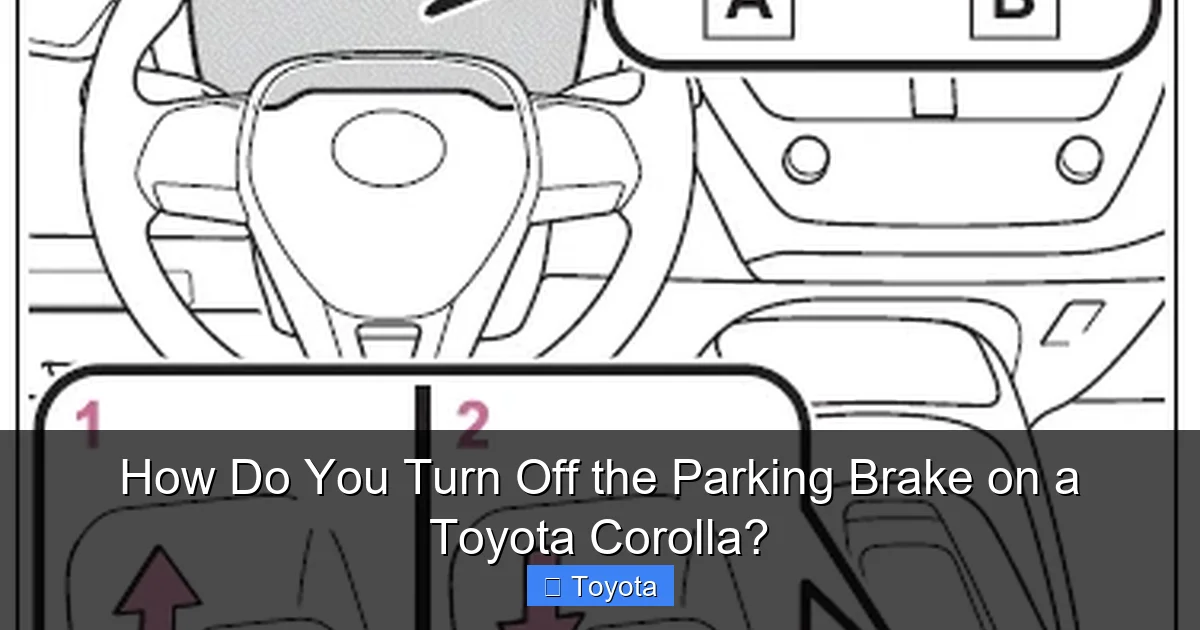
Visual guide about How Do You Turn Off the Parking Brake on a Toyota Corolla?
Image source: i.ytimg.com
The Step-by-Step Process for the Lever
First, make sure your vehicle is ready to move. For an automatic transmission, your foot must be firmly on the brake pedal. Press the brake pedal. Then, shift the gear selector from ‘Park’ (P) into ‘Drive’ (D) or ‘Reverse’ (R), depending on your intended direction. For a manual transmission, press the clutch, shift into first gear or reverse, and prepare to release the clutch slowly.
Now, locate the parking brake lever. You’ll see a button on or near the lever’s handle. This is the release button. You must press and hold this button down while you push the lever all the way down to the floor. If you just push the lever down without pressing the button, it will ratchet and not go fully down, meaning the brake is still partially engaged. You’ll feel and hear a distinct clunk as the brake fully disengages and the lever locks into the down position. That’s your confirmation. The parking brake warning light on your dashboard should immediately go out.
Pro Tip: After pushing the lever down, give it a slight tug upwards to confirm it’s locked in the released position and won’t pop up on its own.
How to Turn Off an Electronic Parking Brake (The Switch)
Modern Corollas, especially from the late 2010s onward and higher trims, feature an electronic parking brake. This system uses an electric motor to engage and release the rear brakes. It’s more convenient but can be confusing if you’re used to a lever. The operation is designed to be simple, but understanding the logic helps.
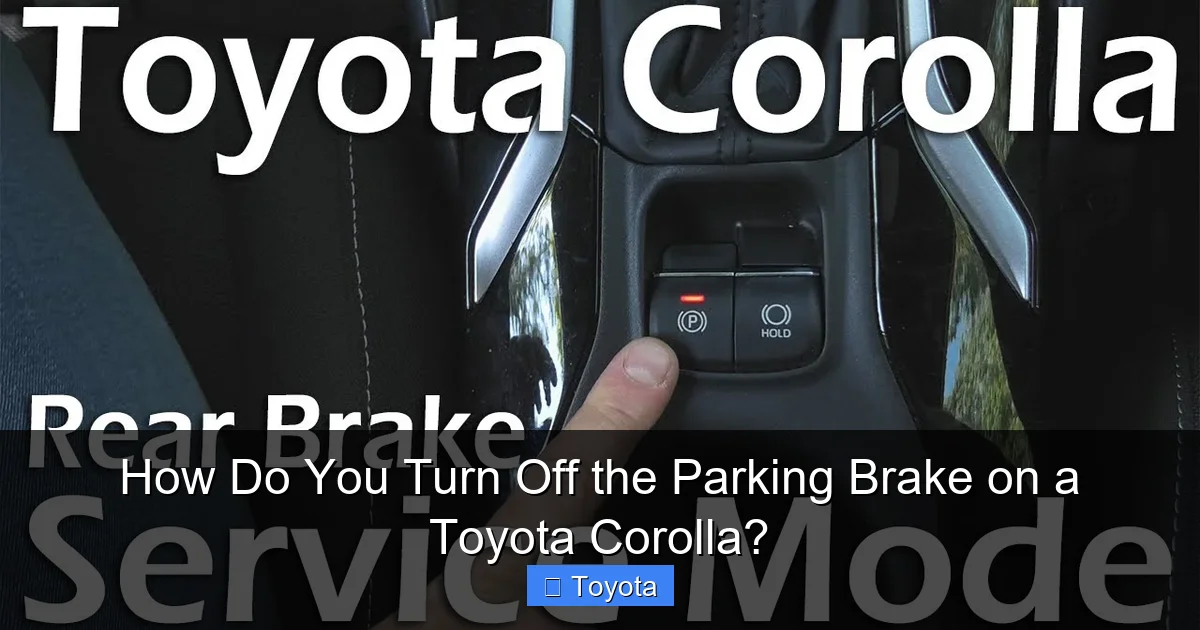
Visual guide about How Do You Turn Off the Parking Brake on a Toyota Corolla?
Image source: i.ytimg.com
The Standard “Press to Release” Method
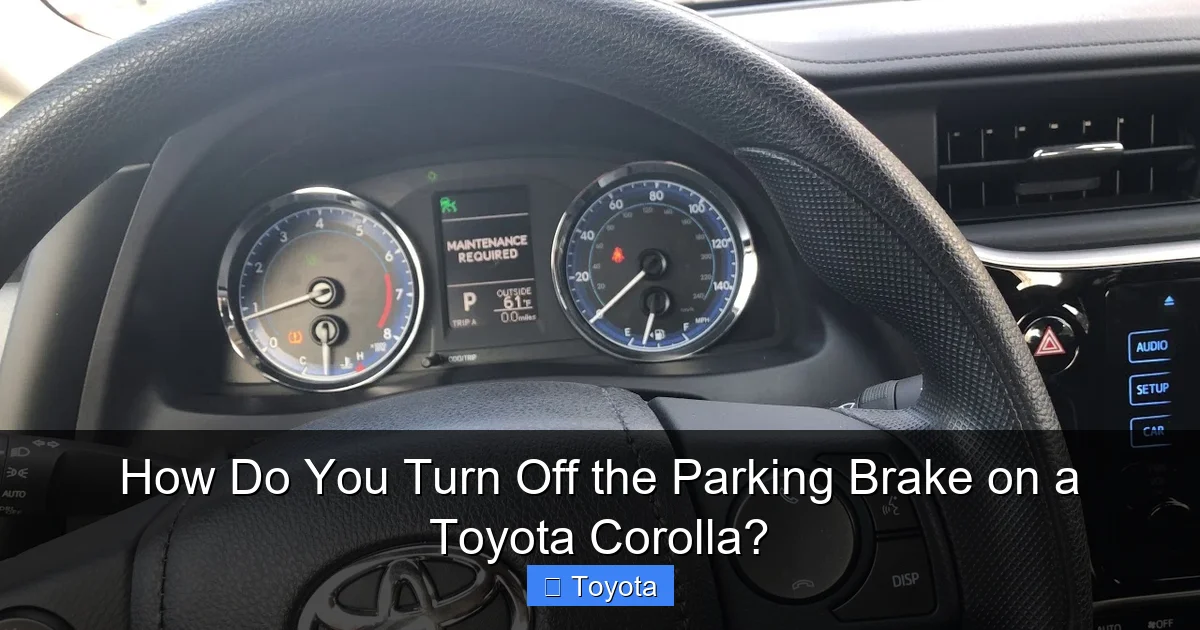
For the vast majority of Toyota electronic parking brake systems, turning it off is incredibly simple. With the vehicle in ‘Park’ (for automatics) and your foot on the brake pedal, simply press the electronic parking brake switch. You’ll often hear a whirring or clicking sound from the rear of the vehicle as the system disengages. The switch may illuminate or change indicator status, and the parking brake warning light on the dash will extinguish. That’s it. You can then shift into ‘Drive’ and proceed.
Many of these systems have an automatic feature: if you buckle your seatbelt, press the accelerator pedal, and have the system in ‘Drive’, the parking brake will automatically release for you. This is a great convenience, but you should still visually confirm the warning light is off before you start moving.
What About the “Auto Hold” Feature?
This is a common point of confusion. Some Corollas have a feature called “Auto Hold” or “Automatic Hold.” This is not the parking brake. Auto Hold is a function that, when activated (usually by a button with a similar “P” or “A” symbol), will automatically apply the parking brake when you come to a complete stop in traffic and release it when you press the accelerator. It’s for stop-and-go driving. The regular parking brake is for when you park the car for an extended period. If you’re trying to move and the car feels held back, check if Auto Hold is engaged. Press the Auto Hold button to deactivate it, then proceed with releasing the main parking brake as described above. If you’re unsure about these features, your owner’s manual is the best resource, or you can find guides on related systems like how to turn off automatic headlights on a Toyota Corolla, which explains other convenience systems.
Troubleshooting: What If the Parking Brake Won’t Release?
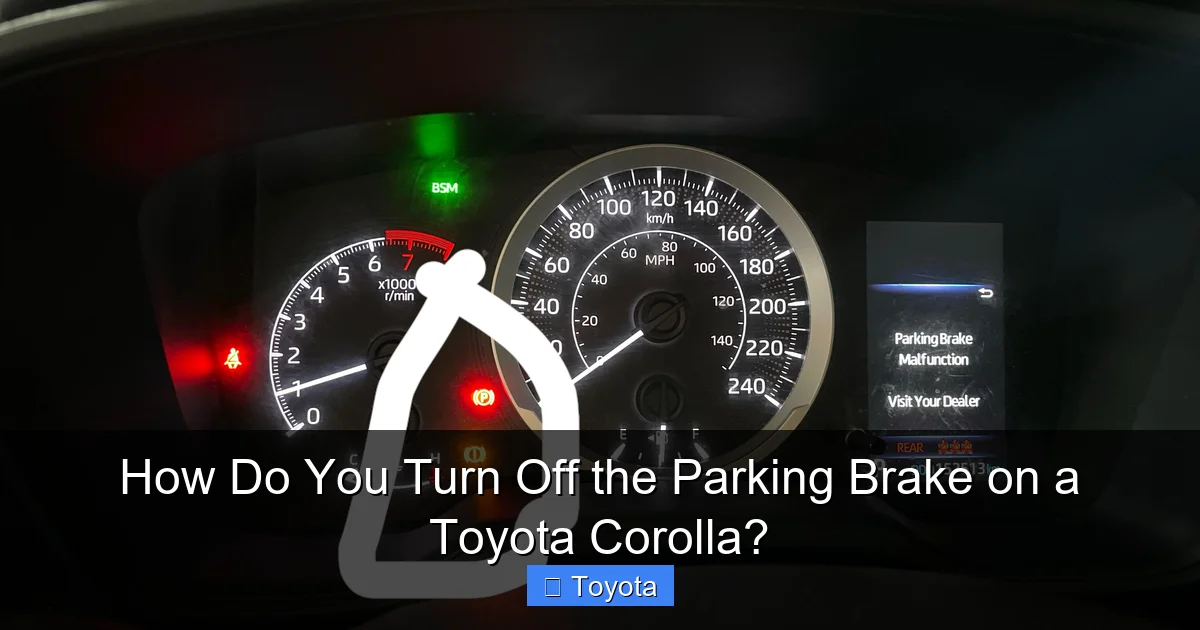
This is a stressful situation. You’ve followed the steps, but the lever is down (manual) or the switch doesn’t seem to work (electronic), and that stubborn red warning light is still on. Don’t panic, and definitely don’t try to force it or drive anyway. Here’s a systematic approach.
Visual guide about How Do You Turn Off the Parking Brake on a Toyota Corolla?
Image source: i.redd.it
For a Manual Lever That’s Stuck
First, ensure you are pressing the release button while pushing down. This is the most common user error. If it’s still stuck, the mechanism may be corroded or frozen, especially in cold climates or if the car hasn’t been driven for a long time. Try gently rocking the vehicle back and forth by shifting between ‘Drive’ and ‘Reverse’ (with the brake pedal firmly pressed each time you shift) to create a tiny amount of movement that might release the tension. Never attempt this on a hill. If the lever still won’t budge, the cable may be seized. This requires lubrication or repair by a mechanic. Forcing it can break the lever or cable.
For an Electronic Switch That’s Unresponsive
Start with the simplest solution: cycle the ignition. Turn the car completely off, remove the key (or press the start/stop button to shut off), wait about 10 seconds, and restart the car. The system’s computer may reset. With the car on and in ‘Park’, try the switch again. If it still doesn’t work, check your owner’s manual for a manual override procedure. Some Toyota models have a small access panel or a procedure involving the ignition and switch. If no override works, the electronic motor, switch, or wiring may have failed. This is a job for a dealer or qualified technician with the proper diagnostic tools.
When the Light Stays On But the Brake is Released
Sometimes, the brake itself releases fine, but the warning light stays illuminated. This indicates a fault in the warning circuit, a faulty switch (manual) or a sensor issue (electronic). It could also mean the brake pads are worn down to the point where the sensor is triggered. First, double-check that the lever is truly at floor level or that the electronic system shows “off.” If it is, you’ll need to have the system scanned for trouble codes. This is similar to diagnosing other warning lights, like the maintenance light on a Toyota, which also requires a specific reset procedure after the underlying issue is addressed.
Safety Precautions and Best Practices
We can’t stress this enough: your parking brake is a life-saving piece of equipment. Treating it with respect ensures it’s there when you really need it.
The Pre-Drive Checklist
Make it an absolute habit. Before you put the car in ‘Drive’ and press the gas, your eyes should flick to two things: 1) The parking brake lever (is it down?) or the electronic switch/indicator (is it off?), and 2) The parking brake warning light on the dashboard (is it illuminated?). If either indicates the brake is on, do not move. It takes two seconds and can save you thousands in brake repairs.
Always come to a complete stop before engaging the parking brake. Never use it as a substitute for slowing down while moving—that’s what your foot brake is for. When parking on a hill, use the parking brake and turn your wheels (away from the curb if facing downhill, toward it if facing uphill) for an extra layer of security.
Regular Maintenance is Key
The parking brake system needs love too. For manual systems, the cables can stretch or corrode over time. Have a mechanic check the adjustment and lubrication during regular services, especially if you notice the lever feels loose or travels too high before engaging. For electronic systems, the mechanism is sealed but the brake pads themselves still wear. The system will alert you via a separate brake pad wear warning light, not the parking brake light. Keeping your entire brake system in top shape is part of responsible car ownership, which includes knowing how to open the hood on a Toyota Corolla to check fluid levels and other components.
When to Seek Professional Help
There are clear boundaries between DIY and “call the expert.” Knowing them keeps you safe and prevents costly mistakes.
Red Flags That Need a Mechanic
If you’ve tried the standard release procedures and the parking brake remains engaged, stop. Forcing it is the worst thing you can do. Other red flags include: a grinding, scraping, or burning smell immediately after driving (sign of dragging brakes), the parking brake warning light flashing intermittently, or the brake pedal feeling unusually hard or soft after releasing the parking brake. Any of these symptoms point to a mechanical failure in the cables, calipers, wheel cylinders, or the electronic actuator itself. Diagnosing and repairing these components requires specialized knowledge and tools. Attempting a fix yourself could lead to a complete brake system failure. Similarly, if other warning lights like the check engine light or ABS light come on in conjunction with a parking brake issue, it’s a sign of a more complex electronic or sensor problem that needs professional scanning.
Conclusion: Confidence Through Knowledge
Turning off the parking brake on your Toyota Corolla is one of those fundamental driving skills that, once mastered, becomes second nature. Whether you’re dealing with the classic lever or the modern switch, the principle is the same: confirm the vehicle is in ‘Park’ or gear, perform the specific release action firmly and completely, and visually verify the dashboard warning light is out. Making this a conscious part of your pre-driving routine is the single most effective way to prevent accidental brake drag and the expensive, dangerous damage it causes.
Remember, your car’s systems are designed to work together. The parking brake, transmission lock, and service brakes all have distinct roles. Respect their individual functions. When in doubt, your owner’s manual is your best friend—it’s written for your exact car. And never hesitate to consult a professional if something feels wrong. A properly functioning parking brake is not just about convenience; it’s a critical component of your safety and the safety of everyone on the road. Now you can get in your Corolla, release that brake with confidence, and drive on.
Frequently Asked Questions
Why does my parking brake warning light stay on even after I release it?
This usually indicates a fault in the system, such as a worn brake pad triggering a sensor, a faulty switch (manual), or a problem with the electronic parking brake actuator or its wiring. It needs to be diagnosed with a scan tool to find the specific cause.
Can I drive my Corolla with the parking brake slightly engaged?
Absolutely not. Even partial engagement causes the brakes to drag, leading to extreme overheating, rapid pad/rotor wear, and potential brake fade or failure. Always ensure the brake is fully released before moving.
Is the electronic parking brake harder on my brake components than a manual one?
No, both systems use the same rear brake components (pads/shoes and rotors/drums). The difference is only in the mechanism that applies them (cable vs. electric motor). Wear and tear depends on usage and driving conditions, not the engagement type.
What’s the difference between the parking brake and the ‘Park’ position on my automatic shifter?
They are separate systems. The ‘Park’ (P) position uses a small mechanical pin inside the transmission to lock the output shaft. The parking brake mechanically or electronically locks the rear wheels. You should always use both when parked on an incline for maximum safety.
My manual parking brake lever is very high and feels loose. What does that mean?
A high lever travel with little resistance typically means the parking brake cables have stretched over time and need adjustment. This is a common maintenance item. Have a mechanic adjust them to ensure the brake engages firmly and releases completely.
My electronic parking brake won’t release after I parked. What should I do?
First, ensure the car is in ‘Park’ and your foot is on the brake. Try pressing the EPB switch again. If that fails, turn the car completely off, wait 10 seconds, and restart. If it still won’t release, consult your owner’s manual for a possible manual override procedure. If no override works or you’re unsure, call for roadside assistance or a tow to a dealer/repair shop.