
Glue for Car Mirror

Reattaching a loose or fallen car mirror doesn’t require a mechanic—just the right glue. With the correct adhesive, you can restore your side mirror quickly, safely, and affordably at home.
Key Takeaways
- Choose the right adhesive: Use high-strength automotive-grade glue like epoxy, polyurethane, or specialized mirror adhesives for lasting results.
- Surface prep is critical: Clean and dry both the mirror and mounting surface thoroughly before applying glue to ensure maximum bond strength.
- Temperature matters: Apply glue in moderate temperatures (50–85°F) for optimal curing; avoid extreme heat or cold during application.
- Allow proper curing time: Most adhesives need 24 hours to fully set—don’t drive or adjust the mirror until then.
- Safety first: Wear gloves and work in a well-ventilated area when handling strong adhesives.
- Test fit before gluing: Dry-fit the mirror to confirm alignment and positioning before applying any adhesive.
- Consider professional help if unsure: If the mirror housing is cracked or electrical components are involved, consult a technician.
📑 Table of Contents
- Why Your Car Mirror Fell Off—And How Glue Can Fix It
- Types of Glue for Car Mirror Repair
- Step-by-Step Guide to Reattaching Your Car Mirror
- Top Products: Best Glue for Car Mirror in 2024
- Common Mistakes to Avoid When Using Glue for Car Mirror
- When to Call a Professional
- Maintenance Tips to Prevent Future Mirror Failures
- Conclusion
Why Your Car Mirror Fell Off—And How Glue Can Fix It
We’ve all been there: you’re driving along, checking your blind spot, and suddenly notice your side mirror is dangling by a wire—or worse, completely detached. It’s not just annoying; it’s a safety hazard. Without a properly functioning side mirror, your visibility drops dramatically, increasing the risk of accidents during lane changes or turns.
Car mirrors can fall off for several reasons. Over time, vibrations from daily driving weaken adhesive bonds. Extreme temperature swings cause materials to expand and contract, loosening mounts. Sometimes, a minor bump or car wash brush does the damage. And in older vehicles, the original mounting hardware may simply wear out.
The good news? In most cases, you don’t need to replace the entire mirror assembly. A strong, purpose-built glue for car mirror reattachment can often do the trick—saving you time, money, and a trip to the auto shop. But not all adhesives are created equal. Using the wrong kind (like household super glue or duct tape) might give you a temporary fix, but it won’t withstand weather, vibration, or long-term use.
That’s why choosing the right glue for car mirror repair is essential. The ideal adhesive must bond securely to both glass and plastic/metal surfaces, resist UV rays and moisture, and stay flexible enough to handle constant movement without cracking. In this guide, we’ll walk you through everything you need to know—from types of adhesives to step-by-step application tips—so you can get your mirror back in place safely and confidently.
Types of Glue for Car Mirror Repair
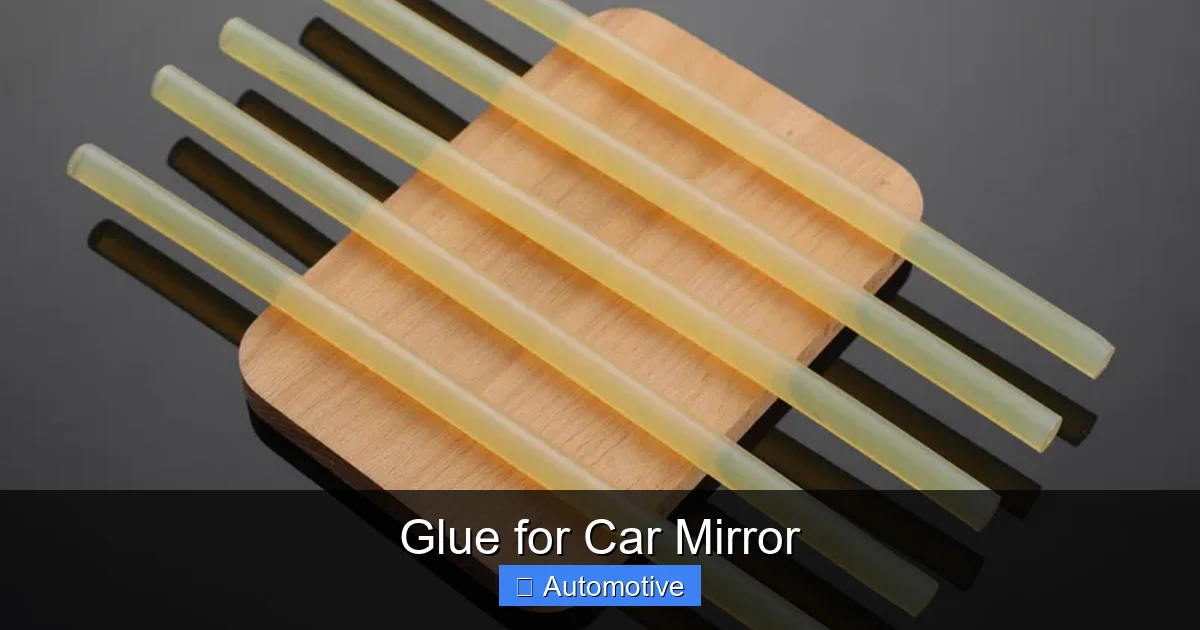
Visual guide about Glue for Car Mirror
Image source: rhadhesive.com
Not all glues are suitable for automotive mirror repair. You need an adhesive that can handle outdoor conditions, temperature fluctuations, and constant vibration. Here are the most effective types of glue for car mirror applications:
Epoxy Adhesives
Epoxy is a two-part adhesive (resin and hardener) that creates an extremely strong, durable bond. It’s ideal for bonding glass to metal or plastic—common in modern mirror assemblies. Once cured, epoxy resists water, heat, and chemicals. However, it can be brittle if not formulated for flexibility, so look for “flexible epoxy” or “automotive epoxy” designed for exterior use.
Polyurethane Adhesives
Polyurethane glue expands slightly as it cures, filling gaps and creating a waterproof seal. It bonds well to uneven surfaces and remains flexible after drying—perfect for mirrors that experience constant vibration. Brands like Gorilla Glue Original (polyurethane-based) are popular choices, but ensure you’re using the clear, non-foaming version to avoid clouding the mirror.
Acrylic Adhesives
These fast-curing adhesives offer excellent clarity and strong bonds on smooth surfaces like glass and polished plastics. They’re less flexible than polyurethane but provide superior resistance to UV light and aging. Some acrylics cure in under 30 seconds, making them great for quick fixes—but they require precise application.
Specialized Mirror Mounting Adhesives
Several brands sell adhesives specifically formulated for car mirrors. These often come in dual-cartridge syringes with mixing tips, ensuring even application. Examples include 3M Super Weatherstrip Adhesive and Permatex Rearview Mirror Adhesive. These products are engineered to meet automotive standards for durability, temperature resistance, and vibration tolerance.
Silicone-Based Adhesives (Use with Caution)
While silicone is waterproof and flexible, most standard silicones don’t bond well to glass without primers. However, specialized automotive silicone adhesives (like those labeled “glass-safe” or “mirror-rated”) can work if applied correctly. Avoid bathroom or kitchen silicones—they’re not designed for high-stress automotive environments.
When selecting glue for car mirror repair, always check the product label for compatibility with glass, plastic, and metal. Look for keywords like “automotive,” “weather-resistant,” and “high-strength.” Avoid cheap craft glues or instant adhesives not rated for outdoor use—they’ll fail quickly under real-world conditions.
Step-by-Step Guide to Reattaching Your Car Mirror
Visual guide about Glue for Car Mirror
Image source: rhadhesive.com
Reattaching a car mirror with glue is simpler than it sounds—if you follow the right steps. Rushing or skipping prep work is the #1 reason DIY mirror repairs fail. Here’s a detailed, foolproof method:
Step 1: Gather Your Tools and Materials
You’ll need:
– The correct glue for car mirror (see previous section)
– Isopropyl alcohol (90% or higher) and lint-free cloths
– Sandpaper (220–400 grit) or a fine-grit sanding block
– Gloves and safety glasses
– Masking tape or clamps (optional, for holding the mirror in place)
– A clean, dry workspace
Step 2: Remove Old Adhesive Residue
If your mirror fell off, there’s likely old glue or mounting foam stuck to both the mirror back and the car’s mounting plate. Use a plastic scraper or razor blade (carefully!) to remove bulk residue. Then, wipe both surfaces with isopropyl alcohol to dissolve any remaining adhesive. Let them dry completely—any moisture will weaken the new bond.
Step 3: Lightly Sand the Bonding Surfaces
Even if surfaces look smooth, lightly sanding them with fine-grit sandpaper creates micro-abrasions that help the glue grip better. Focus on the back of the mirror (the non-reflective side) and the car’s mounting bracket. Wipe away dust with a clean, dry cloth afterward.
Step 4: Test Fit the Mirror
Before applying glue, hold the mirror in place to confirm it aligns correctly with your field of view. Mark the position lightly with a pencil if needed. This prevents misalignment once the adhesive sets.
Step 5: Apply the Glue
Follow the manufacturer’s instructions precisely. For two-part epoxies or acrylics, mix thoroughly. Apply a small bead or dot pattern (not a continuous line) to the back of the mirror or the mounting plate—too much glue can squeeze out and interfere with adjustment. Avoid covering electrical contacts if your mirror has heating or turn signals.
Step 6: Press and Hold
Firmly press the mirror onto the mounting plate, holding it steady for 30–60 seconds. If possible, use masking tape or a mirror-holding tool to keep it in place while the glue begins to set. Don’t adjust or move the mirror during this time.
Step 7: Allow Full Curing Time
This is crucial! Most adhesives require 24 hours to reach full strength. Resist the urge to test it sooner. Keep the car parked in a shaded, dry area during curing. Avoid car washes, rain, or extreme temperatures.
Step 8: Test and Adjust
After 24 hours, gently test the bond. If secure, adjust the mirror angle as needed. If it feels loose, the bond may have failed—repeat the process with fresh adhesive.
Pro tip: On hot days, park in the shade during curing. Heat can cause some adhesives to cure too quickly, trapping air bubbles and weakening the bond.
Top Products: Best Glue for Car Mirror in 2024
Visual guide about Glue for Car Mirror
Image source: rhadhesive.com
With so many adhesives on the market, it’s hard to know which ones truly deliver. Based on performance, user reviews, and automotive suitability, here are our top picks for glue for car mirror repair:
1. 3M Super Weatherstrip Adhesive
A favorite among mechanics, this black adhesive bonds rubber, metal, glass, and plastic. It remains flexible after curing and resists oil, water, and temperature extremes. Easy to apply with a brush applicator, it’s perfect for side mirrors and weatherstripping. Cure time: 24 hours.
2. Permatex Rearview Mirror Adhesive
Specifically designed for rearview and side mirrors, this clear adhesive offers excellent clarity and strong bonding to glass and plastic. It cures in 30 minutes for handling and 24 hours for full strength. Comes with an applicator tip for precise placement.
3. J-B Weld ClearWeld Epoxy
A transparent, two-part epoxy that cures to a glass-like finish. Ideal for visible applications where aesthetics matter. Bonds glass to metal/plastic with high strength and UV resistance. Sets in 5 minutes, fully cures in 15 minutes—great for quick turnarounds.
4. Gorilla Glue Clear (Non-Foaming Formula)
The original Gorilla Glue expands, which can cloud glass—but the “Clear” version is non-foaming and safe for mirrors. Activated by moisture, it creates a waterproof bond. Requires clamping or taping during the 1–2 hour set time.
5. Loctite PL Premium Polyurethane Construction Adhesive
Though marketed for construction, this versatile adhesive works well on automotive glass and metal. It’s waterproof, paintable, and remains flexible. Use sparingly—a little goes a long way. Cure time: 24–72 hours depending on humidity.
Always buy from reputable retailers to avoid counterfeit products. Check expiration dates—old adhesive won’t cure properly. And remember: cheaper isn’t better when safety is on the line.
Common Mistakes to Avoid When Using Glue for Car Mirror
Even with the best glue for car mirror, a repair can fail if you make these common errors:
Skipping Surface Preparation
Dirt, oil, wax, or old adhesive prevents proper bonding. Always clean and lightly sand surfaces. A weak bond due to poor prep is the #1 cause of re-falling mirrors.
Using the Wrong Type of Glue
Household super glue (cyanoacrylate) dries brittle and cracks under vibration. Hot glue melts in summer heat. Wood glue absorbs moisture and swells. Only use adhesives rated for automotive exterior use.
Applying Too Much or Too Little Glue
Too much glue squeezes out, obscures view, and takes longer to cure. Too little won’t create a strong bond. Use a pea-sized amount or a few small dots—enough to fill the gap without overflow.
Not Allowing Full Cure Time
Driving too soon stresses the bond before it’s fully hardened. Wait at least 24 hours, even if the glue feels dry to the touch.
Ignoring Weather Conditions
Applying glue in freezing temperatures or direct sunlight can ruin the cure. Ideal conditions: 50–85°F (10–30°C) with low humidity.
Forgetting Electrical Connections
If your mirror has heating elements or turn signals, ensure wires aren’t pinched or disconnected during reattachment. Test functionality after repair.
Not Wearing Protective Gear
Many adhesives emit fumes or irritate skin. Always wear gloves and work in a ventilated area.
Avoiding these mistakes dramatically increases your chances of a permanent, safe repair.
When to Call a Professional
While glue for car mirror repair works in most cases, some situations require expert help:
Cracked or Damaged Mirror Housing
If the plastic or metal housing is broken, glue alone won’t fix structural integrity. A technician can assess whether the entire mirror assembly needs replacement.
Complex Electrical Systems
Modern mirrors often include heating, auto-dimming, blind-spot monitoring, or turn signals. If you’re uncomfortable handling wiring or suspect damage, seek professional assistance to avoid short circuits or safety system failures.
Windshield-Mounted Rearview Mirrors
These require specialized tools and adhesives (like UV-cure glass bonding kits). Improper installation can obstruct vision or fail at high speeds.
Warranty Concerns
If your vehicle is under warranty, DIY repairs might void coverage. Check your owner’s manual or consult the dealer first.
Repeated Failures
If your mirror keeps falling off despite proper glue application, there may be an underlying issue—like a warped mounting plate or excessive vibration—that needs mechanical correction.
When in doubt, it’s better to spend $50 at a shop than risk a $500 accident due to poor visibility.
Maintenance Tips to Prevent Future Mirror Failures
Once your mirror is securely reattached, take steps to ensure it stays that way:
– Avoid high-pressure car washes, especially direct sprays on the mirror base.
– Park in garages or shaded areas to reduce UV exposure and thermal stress.
– Periodically inspect the mirror for looseness or adhesive degradation.
– Clean the mirror gently with glass cleaner—avoid abrasive pads that could scratch the back surface.
– If you live in an area with extreme temperatures, consider using a higher-grade adhesive rated for wider thermal ranges.
A little prevention goes a long way in keeping your mirrors—and your drives—safe.
Conclusion
A fallen car mirror doesn’t have to mean a costly repair bill or compromised safety. With the right glue for car mirror and proper technique, you can restore full functionality in under an hour. From understanding adhesive types to mastering surface prep and curing, this guide equips you with everything needed for a durable, professional-quality fix.
Remember: not all glues are equal. Invest in an automotive-grade adhesive, follow the steps carefully, and give it time to cure. Your patience will pay off in peace of mind and safer driving.
Whether you’re fixing a side mirror after a parking lot bump or reattaching a rearview mirror knocked loose in a car wash, you now have the knowledge to do it right—the first time.
Frequently Asked Questions
Can I use super glue to fix my car mirror?
No, standard super glue (cyanoacrylate) is not recommended. It dries brittle and can’t handle the constant vibration and temperature changes in a car. Use an automotive-grade adhesive instead for a lasting bond.
How long does it take for mirror glue to fully cure?
Most adhesives require 24 hours to reach full strength. While some may feel dry in minutes, avoid driving or adjusting the mirror until the full cure time has passed.
Will glue damage my car’s paint or the mirror?
If applied correctly, quality automotive adhesives won’t damage paint or glass. Always clean surfaces first and avoid letting excess glue squeeze onto painted areas. Wipe spills immediately with isopropyl alcohol.
Can I reattach a mirror with broken glass?
It’s not safe. Broken glass compromises structural integrity and can shatter further. Replace the entire mirror assembly if the glass is cracked or chipped.
Do heated or powered mirrors require special glue?
Not necessarily special glue, but you must ensure electrical connections remain intact. Use non-conductive adhesives and avoid covering wiring terminals. If unsure, consult a professional.
Is it legal to drive with a missing side mirror?
In most U.S. states, driving without at least one functional side mirror (driver’s side) is illegal and can result in a citation. Always repair or replace a missing mirror promptly for safety and compliance.