
Can Car Gas Freeze?

Car gas doesn’t freeze under normal winter conditions, but it can gel or cause fuel line problems in extreme cold. Understanding how temperature affects gasoline and your vehicle’s fuel system helps prevent cold-weather breakdowns.
Key Takeaways
- Gasoline doesn’t freeze like water: It remains liquid well below typical winter temperatures, but components can thicken or separate.
- Diesel fuel is more prone to gelling: Unlike gasoline, diesel can form wax crystals in cold weather, clogging filters and fuel lines.
- Water in the fuel system is the real culprit: Moisture can freeze and block fuel lines, even if the gas itself stays liquid.
- Ethanol-blended fuels attract moisture: Higher ethanol content increases the risk of water absorption and phase separation.
- Modern vehicles have winterized fuel systems: Most cars today use additives and heated components to prevent cold-weather issues.
- Prevention is key: Keep your tank full, use fuel additives, and park in sheltered areas during extreme cold.
- Signs of fuel problems include hard starts and stalling: These symptoms may indicate water or gelling issues in your fuel system.
📑 Table of Contents
- Can Car Gas Freeze? Understanding the Science Behind Winter Fuel Issues
- What Is Gasoline Made Of? The Chemistry Behind Your Fuel
- Does Gasoline Actually Freeze? The Truth About Cold Weather and Fuel
- Diesel vs. Gasoline: Why Diesel Is More Prone to Cold Weather Issues
- Water in the Fuel System: The Hidden Culprit Behind Winter Engine Problems
- How Modern Vehicles Handle Cold Weather: Fuel System Design and Additives
- Practical Tips to Prevent Cold Weather Fuel Problems
- Signs Your Car Is Having Fuel-Related Cold Weather Issues
- Conclusion: Staying Prepared When the Temperature Drops
Can Car Gas Freeze? Understanding the Science Behind Winter Fuel Issues
You’re bundled up, sipping hot cocoa, and glance out the window at your car covered in frost. A thought pops into your head: “Can car gas freeze?” It’s a fair question—especially if you live in a place where winter temperatures dip well below freezing. After all, water freezes at 32°F (0°C), so it’s natural to wonder if gasoline might do the same.
The short answer? No, car gas doesn’t freeze—at least not in the way you might think. Gasoline doesn’t turn into a solid block like ice. But that doesn’t mean cold weather won’t affect your fuel or your vehicle’s performance. In fact, winter brings a host of fuel-related challenges that can leave you stranded if you’re not prepared.
Understanding how temperature impacts gasoline and your car’s fuel system is essential for safe winter driving. While the fuel itself remains liquid, other factors—like moisture, fuel composition, and the type of fuel you use—can cause serious problems in cold weather. From hard starts to engine stalling, these issues often get blamed on “frozen gas,” but the reality is more nuanced.
In this article, we’ll break down the science behind gasoline and cold weather, explain why your car might struggle in winter, and share practical tips to keep your vehicle running smoothly—even when the mercury plummets.
What Is Gasoline Made Of? The Chemistry Behind Your Fuel
Visual guide about Can Car Gas Freeze?
Image source: thedailyautomotive.com
To understand whether car gas can freeze, it helps to know what gasoline actually is. Gasoline isn’t a single chemical—it’s a complex mixture of hydrocarbons derived from crude oil. These hydrocarbons range in size and structure, which affects how they behave under different temperatures.
Most gasoline contains hundreds of different compounds, including alkanes, cycloalkanes, and aromatic hydrocarbons. These molecules vary in boiling points, volatility, and freezing characteristics. Some components evaporate quickly (which is why you can smell gas), while others are more stable and less likely to vaporize.
One key factor is the presence of additives. Modern gasoline often includes detergents, stabilizers, and oxygenates like ethanol. Ethanol, for example, is added to reduce emissions and increase octane levels. But it also has a major downside in cold weather: it attracts water.
Because gasoline is a blend of many different chemicals, it doesn’t have a single freezing point like water. Instead, it has a range of temperatures at which different components begin to thicken or separate. This is why gasoline doesn’t “freeze” in the traditional sense—it gradually becomes more viscous and less effective as temperatures drop.
For example, some of the heavier hydrocarbons in gasoline can start to gel at temperatures as high as 10°F (-12°C), especially in older fuel blends. This gelling doesn’t turn the fuel into a solid block, but it can clog fuel lines, filters, and injectors, making it harder for your engine to get the fuel it needs.
So while your gas won’t turn into a solid chunk, it can become thick and sluggish—enough to cause performance issues in cold weather.
Does Gasoline Actually Freeze? The Truth About Cold Weather and Fuel
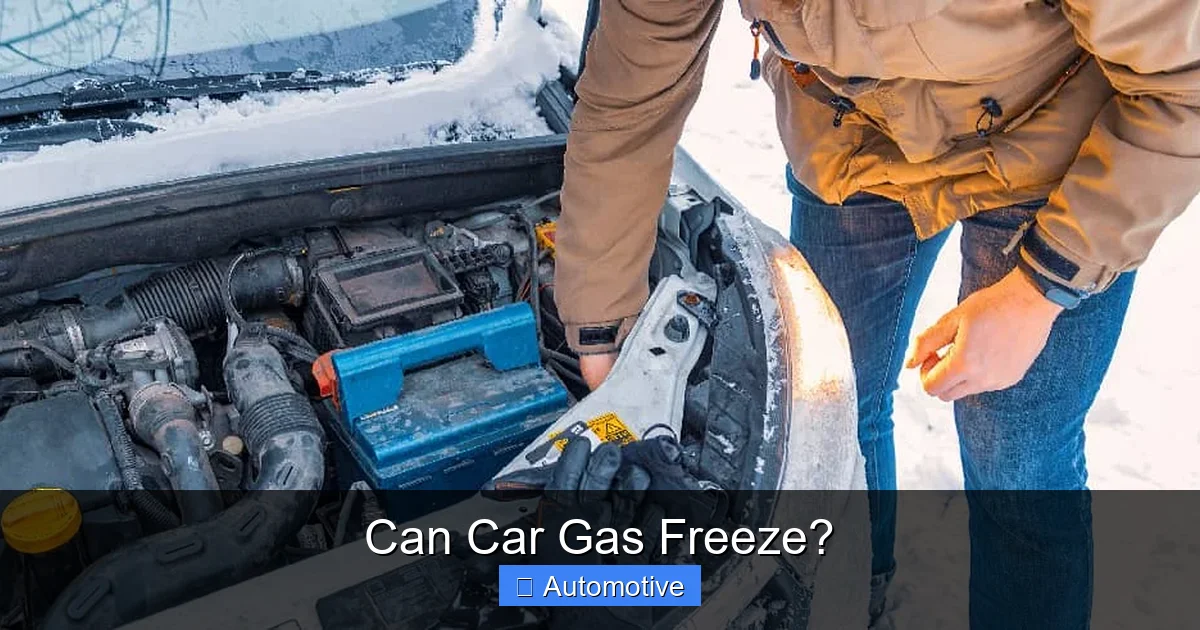
Visual guide about Can Car Gas Freeze?
Image source: tlcautotruck.com
Let’s get straight to the point: gasoline does not freeze under normal winter conditions. The freezing point of pure gasoline is estimated to be around -40°F to -100°F (-40°C to -73°C), depending on its specific composition. These temperatures are far colder than most places on Earth ever experience—even in the coldest Arctic regions.
For context, the coldest temperature ever recorded on Earth was -128.6°F (-89.2°C) in Antarctica. Even then, gasoline wouldn’t fully solidify. Instead, it would become extremely thick and waxy, similar to cold syrup or honey. But again, this is not a common concern for everyday drivers.
So why do so many people believe their gas can freeze? The confusion often comes from confusing gasoline with other substances—like water or diesel fuel—or from experiencing symptoms that mimic frozen fuel.
For instance, if water has entered your fuel tank (a common issue in humid or rainy climates), that water can freeze at 32°F (0°C). Ice crystals can block fuel lines, preventing fuel from reaching the engine. This can cause hard starts, stalling, or even complete engine failure—symptoms that are often misattributed to “frozen gas.”
Another source of confusion is ethanol-blended fuels. Ethanol has a freezing point of around -174°F (-114°C), so it doesn’t freeze either. However, ethanol is hygroscopic, meaning it attracts and absorbs water from the air. Over time, this can lead to phase separation, where water and ethanol separate from the gasoline, forming a layer at the bottom of the tank. This water-rich layer can freeze and cause fuel system blockages.
In short, while gasoline itself won’t freeze, the presence of water or the behavior of fuel components in cold weather can create problems that feel like frozen fuel.
Diesel vs. Gasoline: Why Diesel Is More Prone to Cold Weather Issues
Visual guide about Can Car Gas Freeze?
Image source: endurancewarranty.com
If you drive a diesel-powered vehicle, you’re probably more familiar with cold-weather fuel problems than the average gasoline driver. That’s because diesel fuel behaves very differently in low temperatures.
Unlike gasoline, diesel fuel contains long-chain hydrocarbons that are more prone to gelling. When temperatures drop, these hydrocarbons begin to crystallize, forming a waxy substance that can clog fuel filters and lines. This process is known as “waxing” or “gelling.”
Diesel fuel typically starts to cloud at around 32°F (0°C), a point known as the cloud point. At this stage, wax crystals begin to form, making the fuel look hazy. As temperatures continue to drop, the fuel reaches its pour point—the temperature at which it becomes too thick to flow. For standard diesel, this is usually between 10°F and 15°F (-12°C to -9°C).
In extreme cold, diesel fuel can turn into a gel-like substance that completely blocks fuel flow. This can leave you stranded with an engine that won’t start, no matter how many times you turn the key.
To combat this, diesel fuel is often treated with cold-flow improvers or winterized blends. These additives lower the cloud and pour points, allowing the fuel to remain fluid in colder temperatures. Some diesel vehicles also come equipped with fuel heaters or insulated fuel lines to prevent gelling.
Gasoline, on the other hand, doesn’t contain the same long-chain hydrocarbons, so it’s far less likely to gel. However, gasoline engines can still suffer from cold-weather issues—just for different reasons.
Water in the Fuel System: The Hidden Culprit Behind Winter Engine Problems
One of the most common causes of cold-weather fuel issues isn’t the gas itself—it’s water. Water can enter your fuel system in several ways: through condensation in the fuel tank, from humid air, or even from contaminated fuel at the pump.
When temperatures drop below freezing, this water can turn to ice inside your fuel lines, fuel filter, or fuel injectors. Even a small amount of ice can block fuel flow, preventing your engine from starting or causing it to stall while driving.
This is especially problematic in vehicles with ethanol-blended fuels. Ethanol attracts moisture, and over time, it can pull enough water into the fuel to cause phase separation. When this happens, the ethanol and water sink to the bottom of the tank, forming a corrosive mixture that can damage fuel system components.
Signs of water in your fuel system include:
– Difficulty starting the engine, especially in cold weather
– Engine sputtering or stalling
– Reduced fuel efficiency
– A strong smell of gasoline or ethanol
If you suspect water in your fuel, it’s important to address it quickly. Draining the fuel tank and replacing the fuel filter can help, but prevention is always better than cure.
How Modern Vehicles Handle Cold Weather: Fuel System Design and Additives
Thankfully, modern vehicles are designed with cold-weather performance in mind. Automakers have developed a range of technologies and strategies to prevent fuel-related issues in winter.
One key advancement is the use of fuel additives. Many gasoline blends now include detergents and anti-gel agents that help keep fuel flowing smoothly in cold temperatures. These additives can also help absorb small amounts of water, reducing the risk of ice formation.
Another innovation is the fuel system design itself. Modern fuel lines are often made from materials that resist freezing and cracking. Some vehicles also use heated fuel lines or fuel rail heaters to keep fuel warm during cold starts.
Additionally, fuel tanks are typically located in protected areas of the vehicle, such as under the rear seat or behind the rear axle, to shield them from extreme cold. Many cars also come with insulated fuel tanks or thermal wraps to retain heat.
Electronic fuel injection systems also play a role. Unlike older carbureted engines, modern fuel-injected engines can adjust the air-fuel mixture based on temperature and engine load, making cold starts easier and more reliable.
For diesel vehicles, manufacturers often include fuel filters with built-in water separators and heaters. These systems automatically drain water and warm the fuel to prevent gelling.
While these technologies have greatly improved cold-weather performance, they’re not foolproof. Drivers still need to take precautions—especially in regions with harsh winters.
Practical Tips to Prevent Cold Weather Fuel Problems
Even with modern technology, it’s smart to take extra steps to protect your vehicle in winter. Here are some practical tips to keep your fuel system running smoothly:
Keep your gas tank at least half full. A fuller tank reduces the amount of air space inside, which minimizes condensation. It also ensures you have enough fuel to generate heat if you’re stuck in cold weather.
Use a fuel additive designed for cold weather. Products like HEET or ISO-HEET can help absorb water in your fuel system and prevent ice formation. For diesel vehicles, use a winter diesel additive to lower the gel point.
Park in a garage or sheltered area when possible. Even a simple carport can make a big difference in protecting your vehicle from extreme cold and snow.
Warm up your engine before driving. Letting your car idle for a few minutes can help the engine and fuel system reach optimal operating temperature. However, avoid excessive idling, as it wastes fuel and can lead to carbon buildup.
Check your fuel filter regularly. A clogged fuel filter can restrict fuel flow, especially in cold weather. Replace it according to your vehicle’s maintenance schedule.
Consider using winter-grade fuel. In very cold climates, some gas stations offer winter-blend gasoline with lower volatility, which evaporates more easily and improves cold-start performance.
Inspect your fuel lines and seals. Cracked or damaged fuel lines can allow moisture to enter the system. Have them checked during routine maintenance.
By following these tips, you can reduce the risk of cold-weather fuel problems and keep your vehicle reliable all winter long.
Signs Your Car Is Having Fuel-Related Cold Weather Issues
Even with precautions, cold weather can still cause fuel system problems. Knowing the warning signs can help you address issues before they leave you stranded.
Common symptoms include:
– Hard starting: The engine cranks but takes longer than usual to start, especially in the morning.
– Rough idling: The engine runs unevenly or shakes when idling.
– Stalling: The engine cuts out unexpectedly, particularly after starting or during acceleration.
– Loss of power: The vehicle feels sluggish or struggles to maintain speed.
– Check engine light: A malfunctioning fuel system can trigger warning lights on your dashboard.
If you notice any of these signs, it’s important to have your vehicle inspected by a qualified mechanic. They can check for water in the fuel, clogged filters, or other issues that may be affecting performance.
Conclusion: Staying Prepared When the Temperature Drops
So, can car gas freeze? The answer is no—gasoline doesn’t freeze under normal winter conditions. But that doesn’t mean cold weather won’t affect your vehicle’s fuel system. From water contamination to fuel gelling in diesel engines, winter brings unique challenges that can impact performance and reliability.
The key to avoiding这些问题 is understanding how temperature affects fuel and taking proactive steps to protect your vehicle. By keeping your tank full, using the right additives, and parking in sheltered areas, you can minimize the risk of cold-weather fuel issues.
Modern vehicles are better equipped than ever to handle winter conditions, but no system is perfect. Staying informed and prepared is the best way to ensure your car starts reliably—even on the coldest mornings.
Whether you drive a gasoline or diesel vehicle, a little knowledge and preparation go a long way. So next time you see frost on your windshield, remember: your gas won’t freeze, but your fuel system still needs care. Stay warm, stay safe, and keep rolling through winter.
Frequently Asked Questions
Can gasoline freeze in a car during winter?
No, gasoline does not freeze under normal winter conditions. Its freezing point is far below typical winter temperatures, often below -40°F. However, water in the fuel system can freeze and cause blockages.
What causes a car to not start in cold weather?
Hard starts in cold weather are often due to thickened engine oil, weak batteries, or water freezing in the fuel lines—not frozen gasoline. Ethanol-blended fuels can also attract moisture, leading to phase separation.
Is diesel fuel more likely to freeze than gasoline?
Yes, diesel fuel is more prone to cold-weather issues. It can form wax crystals and gel at temperatures as high as 10°F to 15°F, clogging filters and fuel lines. Gasoline remains liquid at much lower temperatures.
How can I prevent fuel problems in winter?
Keep your gas tank at least half full, use winter fuel additives, park in a garage, and consider using winter-grade fuel. Regular maintenance, like changing the fuel filter, also helps.
What should I do if my car won’t start in the cold?
First, check the battery and ensure it’s fully charged. If the engine cranks but won’t start, it may be due to water in the fuel or a clogged filter. Use a fuel additive or have the system inspected.
Can I use antifreeze in my gas tank?
No, never put antifreeze in your gas tank. Antifreeze is for the cooling system. For fuel-related cold weather issues, use a fuel additive designed to absorb water and prevent gelling.