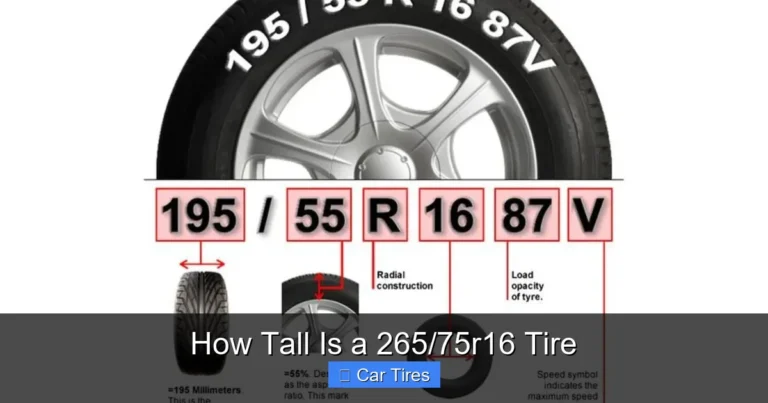
Flat Tire from Hitting Curb
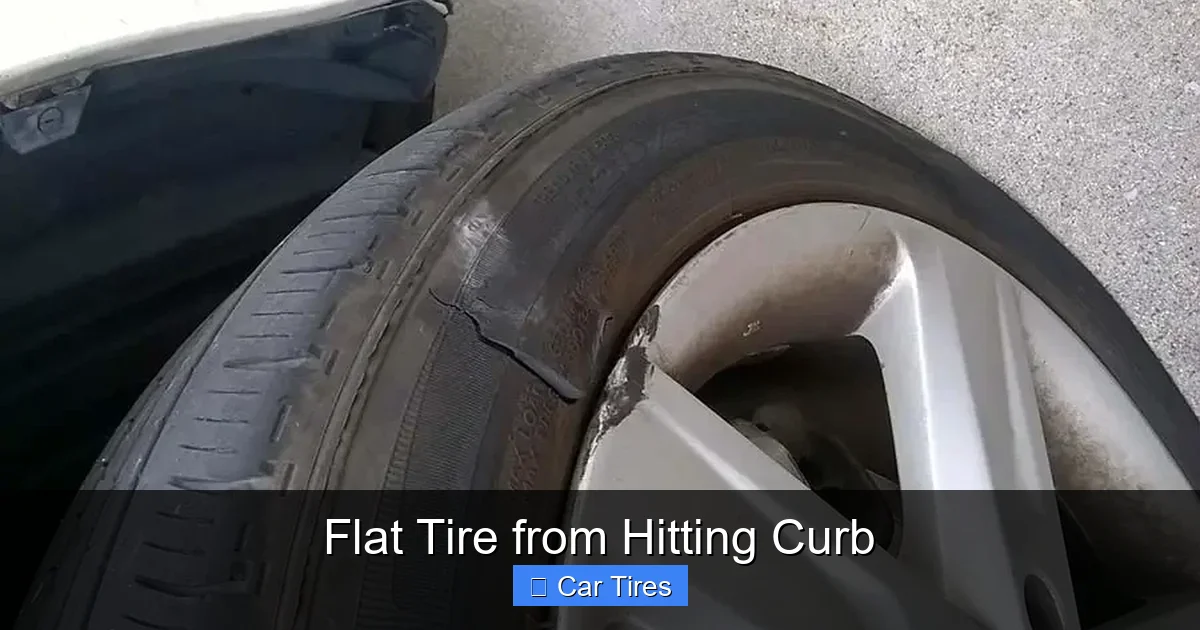
Hitting a curb can cause an instant flat tire due to sidewall impact, bead damage, or rim deformation. Understanding the risks, inspecting your tires, and knowing how to respond can prevent costly repairs and keep you safe on the road.
Picture this: You’re driving down a quiet neighborhood street, maybe checking your GPS or adjusting the radio. You drift slightly to the right—just a little—and suddenly, thud. Your front tire clips the curb. Your heart sinks. You pull over, step out, and there it is: a flat tire from hitting a curb.
It’s a common scenario, but one that can leave even experienced drivers feeling frustrated and worried. A flat tire from hitting a curb isn’t just an inconvenience—it can be a safety hazard, a costly repair, or even a sign of deeper vehicle damage. Whether you’re parallel parking, navigating tight turns, or simply misjudging a corner, curb impacts happen. But why do they so often result in a flat tire? And more importantly, what can you do to prevent it or respond effectively when it does?
In this guide, we’ll walk you through everything you need to know about flat tires caused by curb impacts. From understanding the mechanics of tire damage to practical tips for prevention and repair, we’ve got you covered. Whether you’re a daily commuter, a weekend driver, or someone who just wants to be prepared, this article will help you stay safe, save money, and keep rolling smoothly.
In This Article
- 1 Key Takeaways
- 2 📑 Table of Contents
- 3 Why Hitting a Curb Causes a Flat Tire
- 4 Signs Your Tire Was Damaged by a Curb Impact
- 5 What to Do If You Get a Flat Tire from Hitting a Curb
- 6 How to Prevent Flat Tires from Curb Impacts
- 7 When to Replace a Tire After a Curb Impact
- 8 Conclusion
- 9 Frequently Asked Questions
- 9.1 Can a tire be repaired after hitting a curb?
- 9.2 How fast can I drive on a spare tire after a curb flat?
- 9.3 Will my insurance cover a flat tire from hitting a curb?
- 9.4 Can I drive a short distance on a flat tire to get home?
- 9.5 How often should I check my tire pressure to prevent curb damage?
- 9.6 Is it safe to use tire sealant after hitting a curb?
Key Takeaways
- Sidewall damage is common: The tire’s sidewall is vulnerable when hitting a curb, often leading to bulges, cuts, or blowouts.
- Rim damage affects seal: A bent or cracked wheel rim can break the air seal, causing slow or rapid air loss.
- Bead damage leads to leaks: The tire bead may dislodge from the rim on impact, resulting in a flat tire even if the tread looks fine.
- Immediate inspection is crucial: Even if the tire holds air, internal damage may exist and worsen over time.
- Prevention beats repair: Stay alert, avoid distractions, and maintain proper tire pressure to reduce curb impact risk.
- Know when to replace: Minor scuffs may be safe, but any bulge, crack, or air loss means the tire should be replaced.
- Use a spare or call for help: Always carry a spare tire or roadside assistance plan in case of a flat from curb damage.
📑 Table of Contents
Why Hitting a Curb Causes a Flat Tire
At first glance, it might seem surprising that a simple bump against a curb can flatten a tire. After all, tires are built to handle rough roads, potholes, and debris. But curbs are different. They’re hard, vertical, and often unexpected. When your tire hits one, especially at an angle or with force, the impact can damage critical parts of the tire and wheel assembly in ways that aren’t always visible.
The Sidewall Takes the Hit
The sidewall is the part of the tire that runs from the tread to the rim. It’s flexible but not indestructible. When you hit a curb, the sidewall often bears the brunt of the impact. Unlike the tread, which is designed to absorb road shocks, the sidewall is thinner and more vulnerable. A sharp impact can cause cuts, tears, or internal cord damage. Even if the tire doesn’t go flat immediately, the weakened sidewall can develop a bulge over time—a dangerous condition that can lead to a sudden blowout.
For example, imagine driving too close to the curb while turning into a parking spot. The front passenger-side tire clips the edge of the curb at a 45-degree angle. The force compresses the sidewall, potentially rupturing internal layers. You might not notice anything at first, but days later, you see a soft spot or bulge on the sidewall. That’s a sign of internal damage that could fail at highway speeds.
Bead Damage and Air Loss
The tire bead is the inner edge of the tire that seals against the wheel rim. It’s made of steel wires wrapped in rubber and is critical for maintaining air pressure. When you hit a curb hard, the tire can shift on the rim, causing the bead to lose its seal. This is known as a “bead leak.”
You might hear a hissing sound right after the impact, or notice the tire slowly losing air over several hours. In some cases, the bead doesn’t fully dislodge but creates a tiny gap that allows air to escape gradually. This type of leak is tricky because the tire might still hold enough pressure to drive on—until it doesn’t. Continuing to drive on a underinflated tire increases the risk of a blowout.
Rim Deformation and Cracks
Modern wheels are often made of aluminum or alloy, which look great but can be brittle under stress. A hard curb impact can bend, crack, or chip the rim. Even a small crack near the valve stem or bead seat can allow air to leak out. In severe cases, the rim might deform enough to prevent the tire from seating properly, making it impossible to reinflate.
Let’s say you’re backing out of a tight driveway and misjudge the distance. Your rear tire smacks the curb with enough force to dent the rim. The tire might still hold air initially, but over time, the damaged area weakens, leading to a slow leak or sudden failure. In some cases, the damage is visible—a bent edge or crack—but in others, it’s subtle and requires a professional inspection.
Valve Stem Damage
The valve stem is a small but vital component that allows you to add or release air. It’s located on the rim and extends through the wheel. When you hit a curb, especially at an angle, the valve stem can get pinched, bent, or cracked. This often results in a slow leak that’s hard to detect.
For instance, if your tire hits the curb while the valve stem is at the bottom of its rotation, the stem might scrape against the curb or get compressed. You might not notice the damage until you check your tire pressure and find one tire consistently low. Replacing a valve stem is relatively inexpensive, but if left unchecked, it can lead to a full flat.
Signs Your Tire Was Damaged by a Curb Impact
Not every curb hit results in an immediate flat. Sometimes, the damage is hidden or develops over time. That’s why it’s essential to know the warning signs. Catching damage early can prevent a blowout, improve safety, and save you from more expensive repairs down the road.
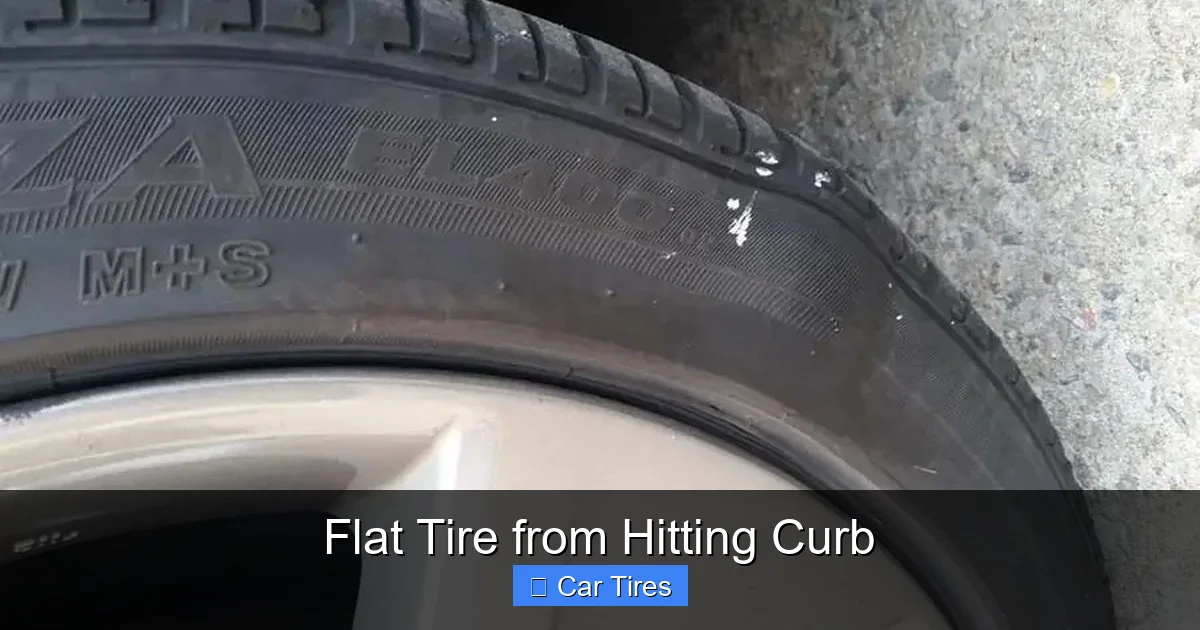
Visual guide about Flat Tire from Hitting Curb
Image source: worldtirereview.com
Visible Bulges or Blisters on the Sidewall
One of the most obvious signs of curb damage is a bulge or blister on the tire’s sidewall. This happens when the internal layers of the tire are damaged, but the outer rubber remains intact. The weakened area expands under pressure, creating a soft spot that looks like a bubble.
If you see a bulge, stop driving immediately. These areas are prone to sudden failure, especially at high speeds. Even if the tire holds air, the structural integrity is compromised. Continuing to drive on a bulging tire is extremely dangerous and could result in a blowout that causes loss of control.
Cracks or Cuts in the Sidewall
Deep cuts, cracks, or gouges in the sidewall are red flags. These can occur when the tire scrapes against the sharp edge of a curb. While small surface cracks might be cosmetic, deeper ones can expose the internal cords to moisture and air, leading to corrosion and failure.
For example, if you frequently park close to curbs or drive on poorly maintained roads, your tires may develop small cracks over time. But a sudden, deep cut after a curb impact is a sign of acute damage that needs attention. Inspect your tires regularly, especially after any incident involving a curb.
Uneven or Rapid Air Loss
If one of your tires is losing air faster than the others—especially after a curb impact—it could indicate bead damage, a valve stem issue, or a small puncture. Use a tire pressure gauge to check all four tires weekly. A tire that drops more than 2–3 PSI per week may have a slow leak.
Keep in mind that temperature changes can also affect tire pressure. Cold weather causes air to contract, so a tire might seem low in the morning but normal later in the day. However, if the pressure keeps dropping regardless of temperature, there’s likely a leak.
Vibration or Steering Pull
After hitting a curb, you might notice your car pulling to one side or vibrating at certain speeds. This could mean the tire is damaged, the wheel is bent, or the alignment is off. A bent rim can cause the tire to wobble, leading to uneven wear and vibration.
For instance, if your steering wheel shakes at 50 mph but smooths out at higher speeds, it might be a sign of wheel imbalance or damage. Don’t ignore these symptoms—get your tires and wheels inspected by a professional.
Unusual Tire Wear Patterns
Even if your tire isn’t flat, curb damage can lead to uneven wear. For example, if the sidewall is weakened, the tire might flex abnormally, causing the tread to wear down faster on one side. You might notice scalloping, cupping, or feathering on the tread.
Regular tire rotations and alignments can help, but if you see unusual wear after a curb impact, have your tires checked. Uneven wear not only reduces tire life but also affects handling and fuel efficiency.
What to Do If You Get a Flat Tire from Hitting a Curb
So you’ve hit a curb and now you’re dealing with a flat tire. Don’t panic. With the right steps, you can stay safe, assess the damage, and get back on the road—or at least to a repair shop.
Visual guide about Flat Tire from Hitting Curb
Image source: comparethetire.com
Pull Over Safely
As soon as you notice a flat or suspect damage, signal and pull over to a safe location. Avoid stopping on busy roads, curves, or hills. Use your hazard lights to alert other drivers. If you’re on a highway, try to reach the shoulder or an exit.
Safety first: Make sure you’re visible and out of traffic. If it’s dark or raining, stay inside the vehicle with your seatbelt on until it’s safe to exit.
Assess the Damage
Once you’re safe, inspect the tire. Look for obvious signs like a flat, bulge, cut, or rim damage. Check the valve stem and the area around the bead. If the tire is completely flat and the rim is touching the ground, do not attempt to drive on it—this can cause further damage.
If the tire is still holding air but you suspect damage, don’t ignore it. Even a small leak can worsen. Use a tire pressure gauge to check the PSI. Compare it to the recommended pressure listed on the driver’s door jamb or owner’s manual.
Use Your Spare Tire (If Available)
If you have a spare tire and the tools to change it, follow your vehicle’s instructions. Most cars come with a jack, lug wrench, and spare. Make sure the spare is properly inflated before use.
Here’s a quick step-by-step:
- Park on level ground and engage the parking brake.
- Loosen the lug nuts slightly before lifting the car.
- Use the jack to lift the vehicle according to the manual.
- Remove the lug nuts and flat tire.
- Mount the spare and hand-tighten the lug nuts.
- Lower the car and fully tighten the lug nuts in a star pattern.
- Drive to a repair shop as soon as possible—most spare tires are not meant for long distances or high speeds.
Call for Roadside Assistance
If you don’t have a spare, lack the tools, or feel unsafe changing the tire, call for help. Many insurance policies and auto clubs offer roadside assistance. They can tow your vehicle or send a technician to repair or replace the tire on-site.
Some modern vehicles come with run-flat tires or tire sealant kits. If yours has a sealant, follow the instructions to temporarily repair the leak. However, this is not a permanent fix—visit a tire shop as soon as possible.
Get a Professional Inspection
Even if you manage to reinflate the tire or use a spare, get a professional inspection. A trained technician can check for internal damage, rim deformation, and alignment issues. They’ll also determine if the tire can be repaired or must be replaced.
Remember: Some damage isn’t visible to the naked eye. Internal cord separation, bead cracks, or rim micro-fractures can only be detected with specialized equipment.
How to Prevent Flat Tires from Curb Impacts
The best way to deal with a flat tire from hitting a curb is to avoid it altogether. While accidents happen, there are practical steps you can take to reduce the risk.
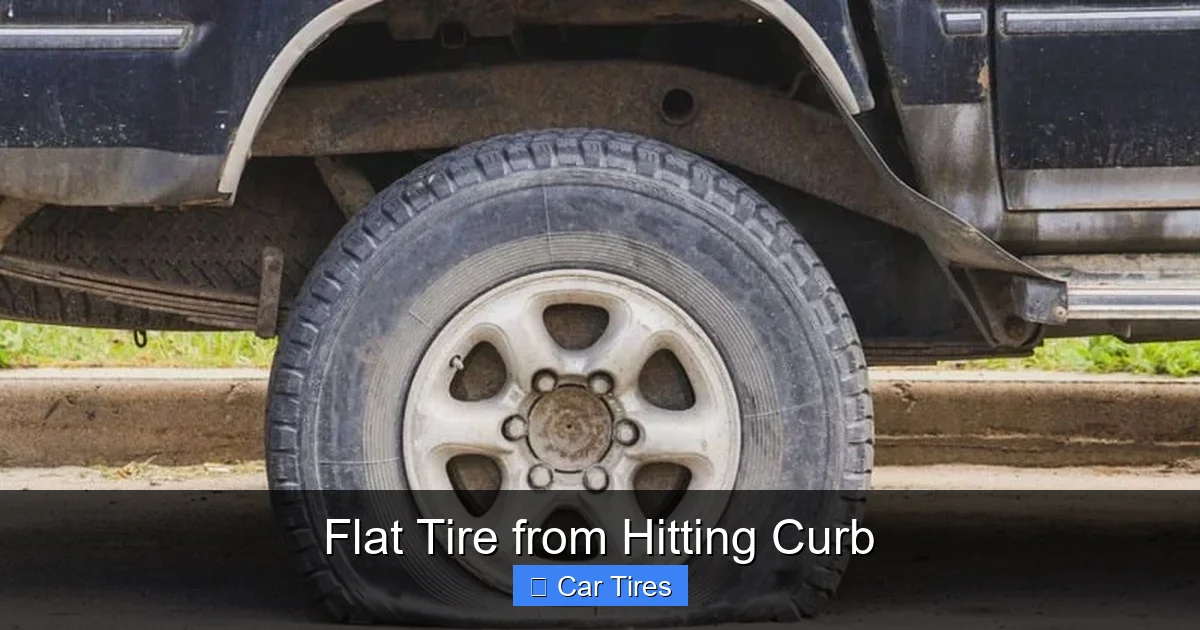
Visual guide about Flat Tire from Hitting Curb
Image source: smoothcurb.com
Stay Alert and Avoid Distractions
Distracted driving is a major cause of curb impacts. Whether you’re texting, adjusting the radio, or looking at your GPS, taking your eyes off the road increases the chance of drifting into a curb.
Keep your focus on driving, especially in tight spaces like parking lots, driveways, and narrow streets. Use your mirrors and turn your head to check blind spots before turning or backing up.
Use Parking Aids and Sensors
Many modern cars come equipped with parking sensors, rearview cameras, and blind-spot monitoring. Use these tools to help you judge distances and avoid curbs.
If your vehicle doesn’t have these features, consider installing aftermarket sensors or a backup camera. They’re relatively inexpensive and can prevent costly tire and rim damage.
Maintain Proper Tire Pressure
Underinflated tires are more flexible and prone to sidewall damage. Overinflated tires are stiffer and more likely to crack on impact. Check your tire pressure monthly and adjust it according to the manufacturer’s recommendations.
Use a reliable tire pressure gauge and check the pressure when the tires are cold (before driving). Don’t rely solely on the tire pressure monitoring system (TPMS)—it only alerts you after a significant drop.
Inspect Tires Regularly
Make it a habit to visually inspect your tires weekly. Look for cuts, bulges, cracks, and uneven wear. Pay special attention to the sidewalls and tread edges.
If you frequently drive in areas with curbs or potholes, consider rotating your tires more often and getting alignments checked. This helps distribute wear evenly and reduces stress on individual tires.
Drive Cautiously in Tight Spaces
When parallel parking, turning in alleys, or navigating driveways, go slow. Use reference points to judge your distance from curbs. For example, when backing into a spot, stop when your side mirror aligns with the curb.
If you’re unsure, get out and check. It’s better to take an extra minute than to risk a flat tire and a tow bill.
When to Replace a Tire After a Curb Impact
Not every curb hit requires a new tire, but knowing when to replace one is crucial for safety. Here’s a guide to help you decide.
Replace If There’s a Bulge or Blister
Any bulge on the sidewall means the internal structure is compromised. Do not drive on it. Replace the tire immediately.
Replace If There Are Deep Cuts or Exposed Cords
If you can see the internal cords or fabric, the tire is unsafe. Even if it holds air, it could fail suddenly.
Replace If the Rim Is Damaged
A bent or cracked rim can prevent a proper seal and cause repeated flats. In many cases, the tire must be replaced along with the wheel.
Consider Replacement for Sidewall Scuffs
Minor scuffs or abrasions may be safe if they don’t penetrate the rubber. But if the scuff is deep or near the bead, consult a professional.
Don’t Risk It—When in Doubt, Replace
Tires are critical safety components. If you’re unsure about the damage, err on the side of caution. A new tire costs less than an accident or roadside emergency.
Conclusion
A flat tire from hitting a curb is more than just a hassle—it’s a reminder of how vulnerable our vehicles can be to everyday hazards. While modern tires are built to endure a lot, they’re not invincible. A single impact can compromise the sidewall, damage the bead, or bend the rim, leading to air loss, blowouts, or costly repairs.
The good news? Most curb-related flats are preventable. By staying alert, maintaining proper tire pressure, using parking aids, and inspecting your tires regularly, you can significantly reduce the risk. And if the worst happens, knowing how to respond—whether by changing a tire, calling for help, or getting a professional inspection—can keep you safe and save you money.
Remember, your tires are the only part of your car that touches the road. Treat them with care, and they’ll take you where you need to go—safely and reliably.
Frequently Asked Questions
Can a tire be repaired after hitting a curb?
It depends on the damage. Minor scuffs or small punctures may be repairable, but bulges, deep cuts, or bead damage usually require replacement. Always have a professional inspect the tire.
How fast can I drive on a spare tire after a curb flat?
Most spare tires (donut spares) are limited to 50 mph and 50 miles. Drive slowly and get the flat tire repaired or replaced as soon as possible.
Will my insurance cover a flat tire from hitting a curb?
Standard auto insurance typically doesn’t cover tire damage from accidents like curb impacts. However, roadside assistance or comprehensive coverage may help with towing or labor costs.
Can I drive a short distance on a flat tire to get home?
No. Driving on a flat tire can destroy the tire, damage the rim, and cause loss of control. Pull over safely and call for help or change the tire.
How often should I check my tire pressure to prevent curb damage?
Check tire pressure at least once a month and before long trips. Proper inflation reduces sidewall stress and improves handling, lowering the risk of damage.
Is it safe to use tire sealant after hitting a curb?
Tire sealant can temporarily fix small leaks, but it’s not a permanent solution. It won’t repair structural damage like bulges or bead issues. Use it only as a short-term fix and see a technician.