
Fixing a Car Windshield

Fixing a car windshield doesn’t always mean a full replacement. Many chips and cracks can be repaired quickly and affordably if caught early. Knowing when to DIY and when to call a pro saves time, money, and keeps you safe on the road.
Key Takeaways
- Act fast on small damage: Chips smaller than a quarter and cracks under 6 inches can often be repaired if addressed within days.
- DIY kits work for minor issues: Quality windshield repair kits are affordable and effective for surface-level damage, but require patience and proper technique.
- Professional repair is safer for complex damage: Deep cracks, long fractures, or damage in the driver’s line of sight should be handled by certified technicians.
- Replacement is necessary for structural compromise: If the windshield is shattered, has multiple cracks, or affects airbag sensors, full replacement is the only safe option.
- Insurance often covers repairs: Many auto insurance policies include glass coverage with no deductible, making professional fixes cost-free.
- Proper curing time is essential: After repair or replacement, avoid driving for at least one hour and keep windows slightly open to allow adhesive to set.
- Prevention helps avoid future damage: Maintain safe following distances, avoid potholes, and park in covered areas to reduce risk of windshield damage.
📑 Table of Contents
Why Your Windshield Matters More Than You Think
Most drivers think of their windshield as just a piece of glass that keeps rain and bugs out of the car. But it’s actually one of the most critical safety components in your vehicle. Modern windshields are engineered to support the roof in a rollover, help deploy airbags correctly, and maintain the structural integrity of the cabin during a crash. That’s why even a small crack or chip shouldn’t be ignored—it can weaken the entire system.
Imagine driving down the highway and a tiny pebble hits your windshield, leaving a small star-shaped chip. It might seem harmless, but that tiny flaw can spread rapidly due to temperature changes, road vibrations, or pressure shifts. What starts as a minor annoyance can turn into a long, dangerous crack overnight. And once it reaches a certain size or location—especially in the driver’s direct line of sight—your safety is at risk. That’s why understanding how to fix a car windshield properly is about more than just aesthetics; it’s about protecting yourself and your passengers.
Common Types of Windshield Damage
Not all windshield damage is the same. The type, size, and location of the damage determine whether it can be repaired or needs a full replacement. Let’s break down the most common kinds of damage you might encounter.
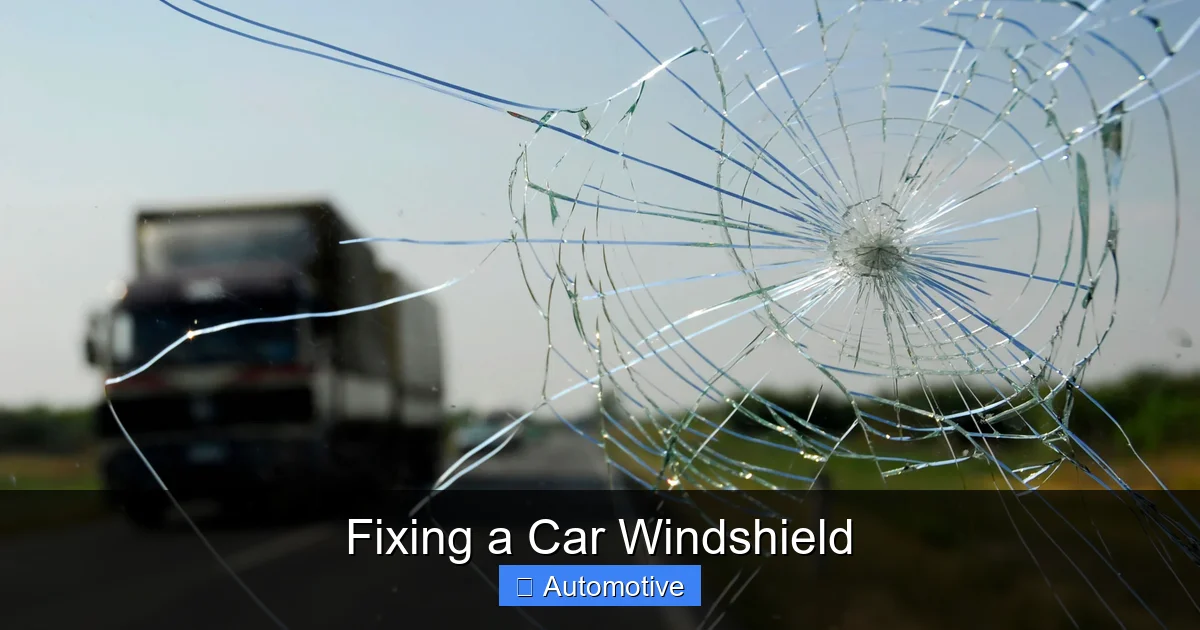
Visual guide about Fixing a Car Windshield
Image source: floridacarlaws.com
Chips
Chips are small areas where the outer layer of glass has been knocked out, usually by gravel, rocks, or debris from the road. They come in different shapes:
- Star breaks: Small cracks radiating from a central point, resembling a star. These are often repairable if caught early.
- Bullseyes: Circular damage with a dark center and concentric rings. These are usually easy to fix.
- Combination breaks: A mix of star and bullseye patterns. Repairable if the chip is small and not too deep.
Chips smaller than a quarter (about 1 inch in diameter) are typically good candidates for repair. However, if the chip is deep enough to reach the inner layer of the windshield (the plastic interlayer), it may require replacement.
Cracks
Cracks are longer fractures that spread across the glass. They can be straight, curved, or branched. The length and direction matter:
- Short cracks (under 6 inches): Often repairable, especially if they’re not in the driver’s line of sight.
- Long cracks (over 6 inches): Usually require replacement because they compromise structural strength.
- Edge cracks: These start within 2 inches of the windshield’s edge. They spread quickly and often need replacement due to stress concentration at the frame.
Temperature changes are a major cause of crack expansion. A cold night after a hot day can cause the glass to contract and stretch the crack further. That’s why it’s crucial to address cracks as soon as they appear.
Pitting and Scratches
Over time, windshields can develop a frosted or cloudy appearance due to tiny pits and scratches from sand, dust, and road grime. While this doesn’t usually affect safety, it can reduce visibility, especially at night or in bright sunlight. Pitting can’t be “repaired” in the traditional sense, but professional polishing or resurfacing can restore clarity.
When to Repair vs. Replace Your Windshield
One of the biggest questions drivers face is whether to repair or replace a damaged windshield. The answer depends on several factors, including the type of damage, its location, and the age of the windshield.
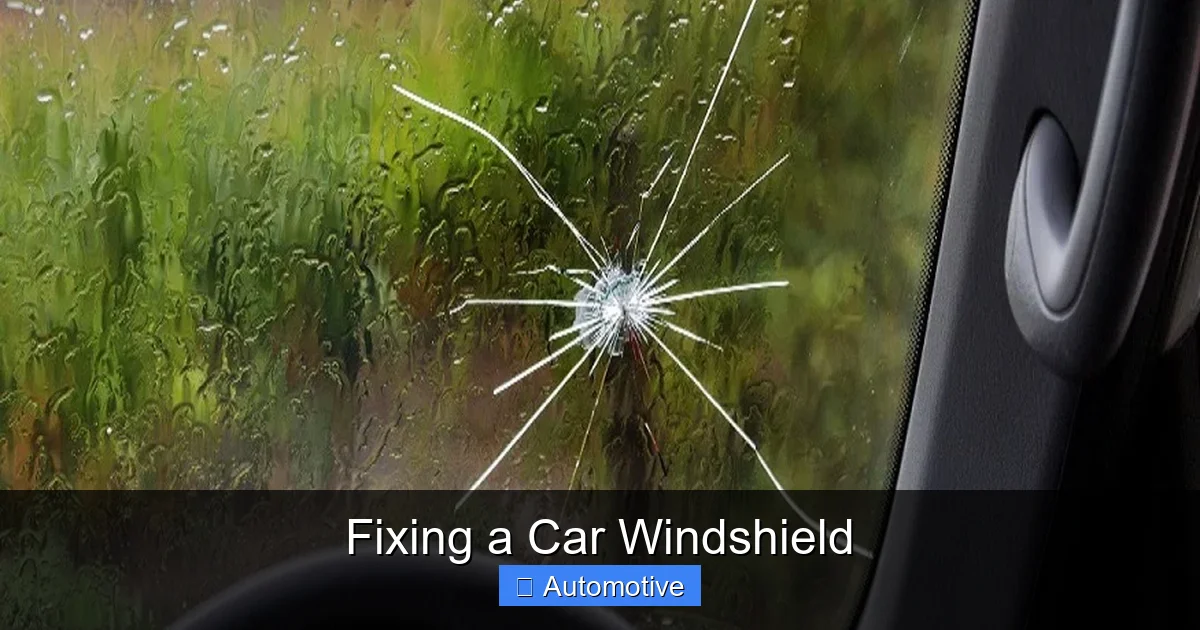
Visual guide about Fixing a Car Windshield
Image source: automotorzone.com
Repair Is Usually the Best Option When:
- The damage is smaller than a quarter.
- The chip or crack is not in the driver’s direct line of sight (typically the central 8–12 inches of the windshield).
- The damage hasn’t penetrated both layers of glass.
- The windshield is relatively new and in good overall condition.
- There’s only one or two small areas of damage.
Repairs are typically fast (often under 30 minutes), affordable (usually $50–$150), and can restore up to 90% of the windshield’s original strength. They also preserve the factory seal and prevent moisture from entering the frame.
Replacement Is Necessary When:
- The crack is longer than 6 inches.
- The damage is in the driver’s line of sight, even if small.
- There are multiple cracks or chips close together.
- The windshield is old, heavily pitted, or has previous repair attempts.
- The damage affects sensors, cameras, or rain detectors embedded in the glass (common in modern vehicles with ADAS—Advanced Driver Assistance Systems).
- The glass is shattered or missing large pieces.
Replacement is more involved and costly ($200–$1,000+ depending on the vehicle), but it’s the only safe option when structural integrity is compromised. Modern windshields are bonded to the car frame with strong urethane adhesive, so replacement requires specialized tools and training.
Special Considerations for Modern Vehicles
Many newer cars come equipped with advanced safety features like lane departure warnings, automatic emergency braking, and adaptive cruise control. These systems rely on cameras and sensors mounted behind the windshield. If your car has these features, even a small repair might require recalibration of the system—something only a certified technician can do properly. Attempting a DIY repair on such a vehicle could disable critical safety functions.
DIY Windshield Repair: A Step-by-Step Guide
If you’ve assessed the damage and determined it’s repairable, you might consider a DIY fix. Windshield repair kits are widely available at auto parts stores and online, ranging from $15 to $50. While they won’t make the damage disappear completely, they can stop cracks from spreading and improve visibility.
Visual guide about Fixing a Car Windshield
Image source: windshieldedmonton.com
What You’ll Need
- A quality windshield repair kit (look for one with resin, injector tool, and curing strips)
- Clean microfiber cloths
- Glass cleaner or isopropyl alcohol
- Razor blade or scraper
- Clear packing tape (optional)
- UV lamp or direct sunlight (for curing)
Step 1: Clean the Area
Start by thoroughly cleaning the damaged area. Use glass cleaner or isopropyl alcohol to remove dirt, grease, and debris. Any contamination can prevent the resin from bonding properly. Dry the area completely with a microfiber cloth.
Step 2: Position the Repair Tool
Most kits come with a suction cup or bridge tool that holds the injector in place over the chip. Position it directly over the damage, ensuring a tight seal. If the chip is on a curved part of the windshield, you may need to adjust the angle slightly.
Step 3: Inject the Resin
Follow the kit instructions to inject the resin into the chip. This usually involves creating a vacuum to pull air out, then pressurizing to push the resin in. The goal is to fill the crack completely. You may need to repeat the process if the resin doesn’t fully penetrate.
Step 4: Cure the Resin
Once the resin is in place, cover it with a curing strip or clear tape. Expose it to UV light—either using the lamp provided or by parking in direct sunlight for 10–15 minutes. The resin hardens under UV exposure, bonding with the glass.
Step 5: Scrape Off Excess Resin
After curing, use a razor blade to carefully scrape off any excess resin from the surface. Wipe the area clean. The repair should now be nearly invisible, though a slight haze or outline may remain.
Tips for Success
- Work in a shaded area to prevent the resin from curing too quickly.
- Don’t rush—take your time to ensure proper resin flow.
- If the crack starts to spread during repair, stop and call a professional.
- DIY repairs are best for chips, not long cracks.
Professional Windshield Repair and Replacement
While DIY fixes can work for minor damage, professional service is often the smarter, safer choice—especially for modern vehicles or significant damage. Certified technicians have the tools, training, and materials to do the job right the first time.
What to Expect During a Professional Repair
A professional repair typically takes 20–45 minutes and is done on-site or in a shop. The technician will:
- Clean and inspect the damage.
- Use a high-quality resin and precision injector.
- Cure the resin with UV light.
- Polish the surface for clarity.
Many shops offer mobile services, coming to your home or office to perform the repair. This is especially convenient for busy drivers.
What Happens During a Replacement
Replacement is more complex and usually takes 1–2 hours, plus additional time for the adhesive to cure. The process includes:
- Removing the old windshield carefully to avoid damaging the frame.
- Cleaning and preparing the frame for the new glass.
- Applying urethane adhesive to bond the new windshield.
- Installing the new glass and securing it in place.
- Allowing time for the adhesive to cure (usually 1 hour before driving).
After replacement, the technician should check and recalibrate any ADAS systems if needed. This ensures cameras and sensors work correctly.
Choosing a Reputable Service
Not all auto glass shops are created equal. Look for:
- Certification from the Auto Glass Safety Council (AGSC).
- Positive customer reviews and ratings.
- Use of OEM (Original Equipment Manufacturer) or OEM-equivalent glass.
- Warranty on parts and labor (typically 1 year).
- Insurance partnerships (many work directly with insurers).
Avoid shops that pressure you into unnecessary replacements or use low-quality aftermarket glass. Cheap glass may not meet safety standards and could fail in a crash.
Costs and Insurance Coverage
The cost of fixing a car windshield varies widely based on the type of service, vehicle make and model, and location. Here’s a general breakdown:
Repair Costs
- DIY kit: $15–$50
- Professional repair: $50–$150 per chip or crack
Most repairs are quick and inexpensive, especially if done early.
Replacement Costs
- Basic vehicles: $200–$400
- Mid-range vehicles: $400–$700
- Luxury or high-tech vehicles (with ADAS): $700–$1,500+
Prices increase for vehicles with heated windshields, rain sensors, or complex driver-assist systems that require recalibration.
Insurance and Glass Coverage
The good news? Many auto insurance policies include comprehensive coverage that pays for windshield repair or replacement with little or no deductible. Some states (like Florida, Kentucky, and Arizona) even require insurers to cover glass damage without a deductible.
Before paying out of pocket, check your policy. Many insurers partner with national glass repair chains (like Safelite or Glass America) and can schedule service directly. In many cases, you won’t pay anything if the damage is repairable.
Preventing Future Windshield Damage
While you can’t control every rock on the road, there are steps you can take to reduce the risk of windshield damage:
- Maintain a safe following distance: Driving too close to the vehicle in front increases the chance of debris hitting your windshield.
- Avoid potholes and rough roads: Hitting a pothole can stress the glass and cause hidden cracks.
- Park in covered areas: Garages or carports protect your windshield from falling branches, hail, and extreme temperature swings.
- Use a windshield sunshade: This reduces heat buildup inside the car, which can weaken the glass over time.
- Inspect regularly: Check your windshield monthly for new chips or cracks, especially after long trips.
Taking these simple precautions can extend the life of your windshield and save you money in the long run.
Conclusion
Fixing a car windshield doesn’t have to be stressful or expensive. With the right knowledge, you can make informed decisions about whether to repair or replace, when to DIY, and how to work with your insurance. Remember: small damage can become a big problem fast, so act quickly. Whether you choose a DIY kit or call in the pros, addressing windshield issues promptly keeps you safe, maintains your vehicle’s value, and ensures clear visibility on every drive.
Your windshield is more than just glass—it’s a vital part of your car’s safety system. Treat it with care, and it will protect you for miles to come.
Frequently Asked Questions
Can I drive with a cracked windshield?
It depends on the size and location of the crack. Small chips or cracks outside the driver’s line of sight may be safe for a short time, but they can spread quickly. Long cracks or damage in the driver’s view should be addressed immediately for safety and legal reasons.
How long does a windshield repair take?
A professional repair typically takes 20–45 minutes. DIY repairs may take 30–60 minutes, depending on the kit and your experience. Replacement takes 1–2 hours, plus additional curing time before driving.
Will insurance cover my windshield repair?
Most comprehensive auto insurance policies cover windshield repair or replacement, often with no deductible. Check your policy or contact your insurer to confirm coverage and find approved service providers.
Can a repaired windshield be as strong as new?
A properly repaired windshield can restore up to 90% of its original strength. However, it will never be as strong as undamaged glass. For this reason, replacement is recommended for structural damage or large cracks.
Do I need to recalibrate my car’s cameras after a windshield replacement?
Yes, if your vehicle has ADAS features like lane departure warning or adaptive cruise control, the cameras and sensors must be recalibrated after replacement. This ensures they function correctly and safely.
How do I know if my windshield needs replacement instead of repair?
Replacement is needed if the crack is over 6 inches long, located in the driver’s line of sight, near the edge, or if there are multiple damages. Also, if the glass is shattered or affects safety sensors, replacement is the only safe option.
