
Can You Use Windex on Car Windows?

You can use Windex on car windows in a pinch, but it’s not always the best choice. While it cleans well, its ammonia content can damage tints, seals, and interior surfaces over time. Learn safer, smarter ways to keep your car glass spotless without risking long-term damage.
Key Takeaways
- Windex contains ammonia: Most Windex formulas include ammonia, which can degrade window tints, rubber seals, and interior trim with repeated use.
- Safe for untinted glass: If your car windows aren’t tinted, Windex can be used occasionally without major issues—just avoid spraying near edges and seals.
- Risk to tinted windows: Ammonia breaks down the adhesive and film in tinted windows, causing bubbling, peeling, or discoloration.
- Better alternatives exist: Ammonia-free glass cleaners or DIY vinegar-water solutions are gentler and safer for all car windows.
- Proper technique matters: Always spray cleaner on a microfiber cloth—not directly on the glass—to prevent overspray on dashboards and trim.
- Regular maintenance prevents buildup: Clean windows weekly to avoid grime accumulation that requires harsh chemicals to remove.
- Check your owner’s manual: Some manufacturers explicitly warn against ammonia-based cleaners—follow their recommendations.
📑 Table of Contents
Can You Use Windex on Car Windows?
So, you’re standing in your garage, staring at a smudged windshield, and the only bottle of glass cleaner within reach is Windex. It’s shiny, blue, and promises streak-free shine—so why not use it on your car? After all, it works great on your kitchen windows, right? Well, not so fast.
While Windex is a household staple for cleaning mirrors and windows at home, using it on your car isn’t always the best idea. The short answer? Yes, you *can* use Windex on car windows—but with important caveats. The long answer involves understanding what’s in Windex, how it interacts with automotive glass and materials, and whether the risks outweigh the convenience.
Car windows are more than just glass. They’re part of a complex system that includes rubber seals, adhesives, tinting films, and sensitive interior surfaces. What works on your bathroom mirror might not play nice with your vehicle’s design. In this guide, we’ll dive deep into whether Windex is safe for your car, what damage it can cause, and what better alternatives you should consider. Whether you’re dealing with a foggy windshield, greasy side windows, or stubborn bug splatter, we’ve got you covered.
By the end of this article, you’ll know exactly when—and how—to use Windex on your car, and when to reach for something safer. Let’s get started.
What Is Windex and Why Is It So Popular?
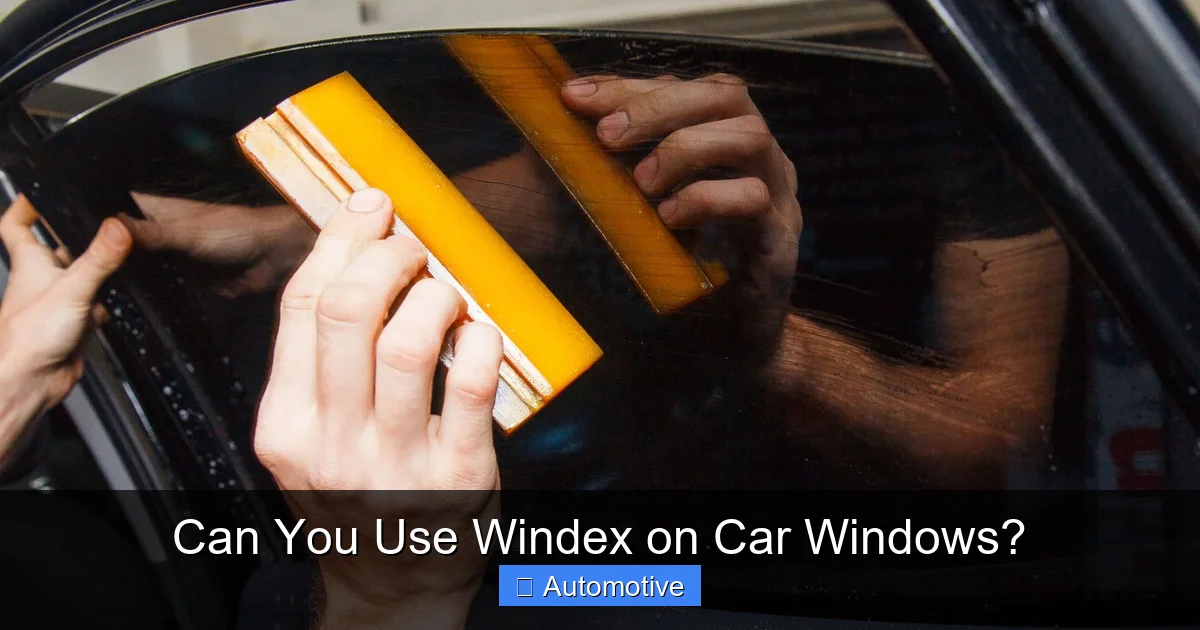
Visual guide about Can You Use Windex on Car Windows?
Image source: rerev.com
Windex is one of the most recognizable cleaning brands in the world. First introduced in the 1930s, it quickly became a go-to solution for cleaning glass surfaces in homes, offices, and schools. Its signature blue liquid and fresh scent make it a favorite among consumers who want quick, effective results.
At its core, Windex is a glass cleaner designed to cut through grease, fingerprints, dust, and water spots. The active ingredient in most Windex formulas is ammonia—a powerful alkaline compound that dissolves grime and evaporates quickly, leaving behind a streak-free shine. Ammonia is highly effective at breaking down oils and residues, which is why it works so well on household windows.
But here’s the catch: that same ammonia that makes Windex so effective at home can be problematic in a car environment. Unlike your home windows, car windows are surrounded by materials that don’t respond well to strong chemicals. Rubber seals, plastic trim, dashboard surfaces, and especially window tints can all be damaged by repeated exposure to ammonia.
So while Windex is great for your kitchen window, it’s not always the best fit for your vehicle. Understanding what’s inside the bottle—and how it interacts with your car—is the first step in making smart cleaning decisions.
Common Ingredients in Windex
Most Windex formulas contain a mix of water, isopropanol (rubbing alcohol), surfactants, and ammonia. Let’s break down what each of these does:
– Water: The base solvent that carries other ingredients and helps dilute the formula.
– Isopropanol: A fast-evaporating alcohol that helps prevent streaks and speeds up drying.
– Surfactants: These are cleaning agents that reduce surface tension, allowing the solution to spread evenly and lift dirt.
– Ammonia: The star player—this is what cuts through grease and grime. It’s highly effective but also the most controversial ingredient when it comes to car use.
Some newer Windex products are labeled “ammonia-free,” which makes them safer for certain applications. But even these may contain other solvents or fragrances that could affect sensitive car interiors.
Why People Reach for Windex on Cars
Despite the risks, many people still use Windex on their cars. Why? Convenience. If you already have a bottle at home, it’s tempting to use it instead of buying a specialized automotive glass cleaner. Plus, Windex works—fast. It removes bugs, tree sap, and road film with minimal effort, and the results are often visibly impressive.
But convenience shouldn’t come at the cost of long-term damage. Just because a cleaner works doesn’t mean it’s safe. Think of it like using bleach to clean your countertops—it’s effective, but over time, it can degrade surfaces and release harmful fumes. The same principle applies to Windex and your car.
The Risks of Using Windex on Car Windows
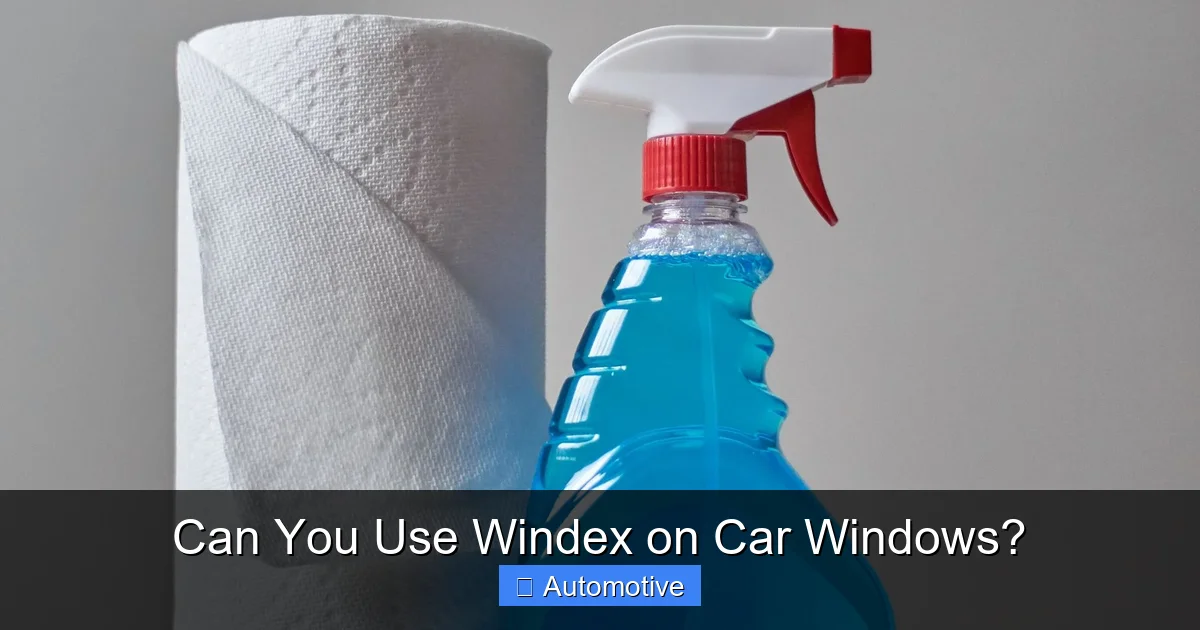
Visual guide about Can You Use Windex on Car Windows?
Image source: rerev.com
Now that we know what’s in Windex, let’s talk about the potential downsides of using it on your vehicle. While it might seem harmless, repeated use can lead to several problems—some of which are costly to fix.
Damage to Window Tints
One of the biggest risks of using Windex on car windows is damage to tinted glass. Most aftermarket window films are applied using adhesives that can be broken down by ammonia. Over time, exposure to ammonia-based cleaners can cause the tint to bubble, peel, or discolor.
Imagine this: you clean your rear windshield with Windex every week. At first, it looks great. But after a few months, you notice cloudy spots near the edges. Then, the tint starts to lift. Before you know it, you’re facing a $200–$400 replacement job—all because of a cleaner you thought was harmless.
Tinted windows are especially vulnerable because the film is delicate and often applied to the inside of the glass. When you spray Windex (or any ammonia-based cleaner) directly onto the window, it can seep under the edges of the tint and attack the adhesive. Even if you wipe it off quickly, residual ammonia can linger and cause slow degradation.
Harm to Rubber Seals and Weatherstripping
Your car’s windows are held in place by rubber seals and weatherstripping that keep out water, wind, and noise. These components are designed to last for years—but not if they’re constantly exposed to harsh chemicals.
Ammonia can dry out rubber, causing it to crack, shrink, or lose its flexibility. This leads to leaks, wind noise, and even window misalignment. Once the seals are damaged, water can seep into the door panels, leading to mold, rust, and electrical issues.
For example, if you spray Windex near the top edge of your windshield and it drips down onto the rubber seal, the ammonia can eat away at the material over time. You might not notice it right away, but eventually, you’ll hear a whistle when driving at highway speeds—or worse, find water pooling inside your car after a rainstorm.
Impact on Interior Surfaces
Windex isn’t just a threat to the glass and seals—it can also damage your car’s interior. If you spray it directly onto the windshield, overspray can land on the dashboard, steering wheel, or center console. Most modern car interiors are made of plastic, vinyl, or leather—materials that don’t respond well to ammonia.
Repeated exposure can cause discoloration, fading, or a sticky residue. Leather surfaces may dry out and crack, while plastic trim can become brittle or develop a hazy film. Even if you wipe it off quickly, the chemicals can still penetrate porous materials and cause long-term damage.
Potential for Streaking and Residue
Ironically, one of the reasons people love Windex—its streak-free shine—can also be a drawback in a car. Because it evaporates quickly, it can leave behind a fine residue if not wiped properly. This is especially true in humid conditions or when using low-quality cloths.
On a car windshield, streaks and residue can reduce visibility, especially when driving at night or in the rain. You might think your windows are clean, but a thin film of cleaner can scatter light and create glare. This not only looks bad—it can be dangerous.
When Is It Safe to Use Windex on Car Windows?
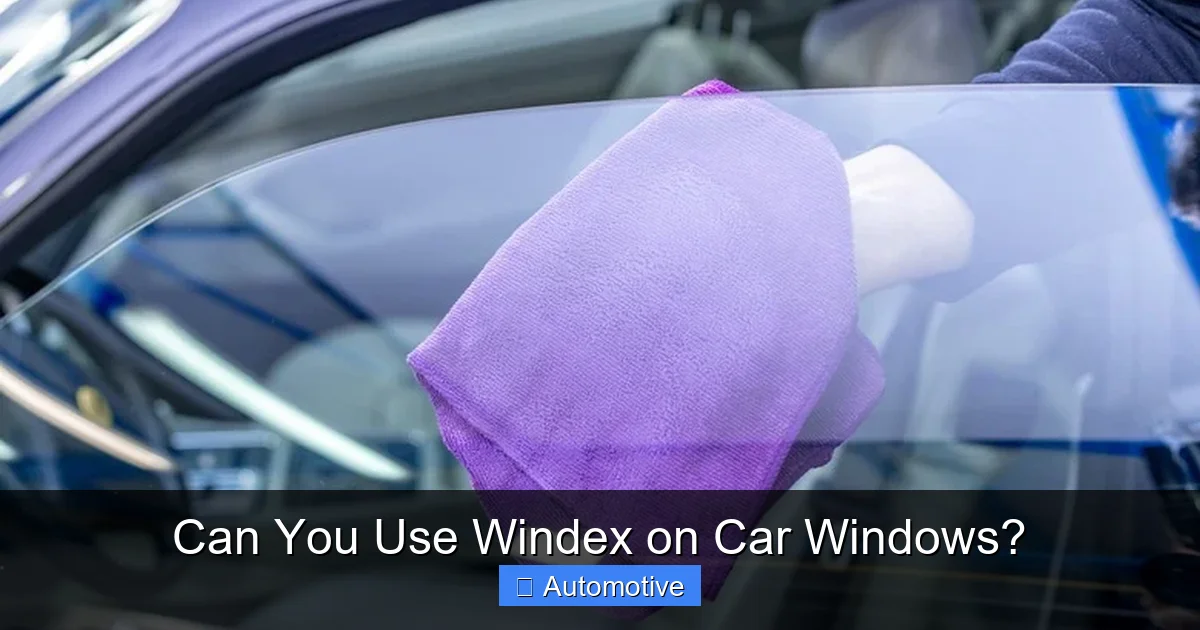
Visual guide about Can You Use Windex on Car Windows?
Image source: slashgear.com
So, is Windex ever safe to use on a car? The answer is: yes, but only under specific conditions.
On Untinted, Exterior Windows
If your car doesn’t have window tint and you’re cleaning the *outside* of the glass, Windex can be used occasionally without major risk. The exterior glass is more durable, and there’s less chance of the cleaner seeping into seals or damaging interior surfaces.
For example, if you’re washing your car and want to give the windows a quick shine, a small amount of Windex applied with a microfiber cloth can work in a pinch. Just avoid spraying it near the edges of the glass, and wipe it off thoroughly.
For Emergency Cleanups
Sometimes, you’re on the road and need to clean your windshield fast—maybe there’s a big bug splatter or a sticky residue from tree sap. In these cases, using Windex once or twice is unlikely to cause permanent damage, especially if you rinse it off quickly and follow up with a proper automotive cleaner.
Think of it like using a strong medication: it’s okay for occasional use, but not as a long-term solution.
When to Avoid Windex Altogether
There are several situations where you should avoid Windex completely:
– Your car has factory or aftermarket window tint.
– You’re cleaning the inside of the windows (where overspray can damage the dashboard).
– Your car has leather or sensitive interior surfaces.
– You’re cleaning frequently (more than once a month).
In these cases, it’s better to use a cleaner specifically designed for automotive use.
Better Alternatives to Windex for Car Windows
If Windex isn’t the best choice, what should you use instead? Fortunately, there are plenty of safer, more effective alternatives that won’t risk damaging your car.
Ammonia-Free Glass Cleaners
Look for automotive glass cleaners that are labeled “ammonia-free.” These are formulated to be safe for tinted windows, seals, and interior surfaces. Brands like Invisible Glass, Stoner Car Care, and Chemical Guys offer high-quality options that clean just as well as Windex—without the risks.
These cleaners often use alcohol or plant-based solvents instead of ammonia, making them gentler on your car’s materials. They’re also designed to minimize streaking and work well in both hot and cold conditions.
DIY Vinegar and Water Solution
If you prefer a natural, budget-friendly option, try a homemade cleaner made from equal parts white vinegar and water. Vinegar is a mild acid that cuts through grease and grime without harming glass or seals.
To use it, mix the solution in a spray bottle and apply it with a microfiber cloth. Avoid using it on tinted windows if the tint is very old or damaged, as vinegar can sometimes affect certain adhesives. For most cars, though, it’s a safe and effective choice.
Isopropyl Alcohol Mix
Another DIY option is a mixture of 70% isopropyl alcohol and water (1:1 ratio). Alcohol evaporates quickly and leaves no residue, making it great for preventing streaks. It’s also safe for most car interiors and won’t damage rubber seals.
Just be sure to use a high-quality microfiber cloth to avoid scratching the glass.
Specialty Cleaners for Tinted Windows
If your car has tinted windows, invest in a cleaner specifically made for tinted glass. These products are pH-balanced and free of harsh chemicals, ensuring they won’t degrade the film or adhesive.
Some popular options include:
– Stoner Invisible Glass Tint Safe: Ammonia-free and safe for all tints.
– Meguiar’s Glass Cleaner: Designed for automotive use and safe on interiors.
– Rain-X Glass Cleaner: Helps repel water and prevent fogging.
These cleaners may cost a bit more than Windex, but they’re a small price to pay to protect your investment.
Best Practices for Cleaning Car Windows
No matter what cleaner you use, following the right technique is key to getting streak-free, spotless results.
Use the Right Tools
Invest in high-quality microfiber cloths. Cheap paper towels or rags can leave lint, scratch the glass, or spread dirt around. Microfiber cloths are soft, absorbent, and designed to trap dirt without scratching.
For best results, use two cloths: one for applying the cleaner and one for drying and buffing.
Spray on the Cloth, Not the Glass
Instead of spraying cleaner directly onto the window, spray it onto your microfiber cloth. This prevents overspray on the dashboard, steering wheel, and seals. It also gives you better control over how much cleaner you use.
Clean in the Shade
Avoid cleaning your windows in direct sunlight. Heat can cause the cleaner to dry too quickly, leading to streaks and residue. If possible, clean your car in the shade or during cooler parts of the day.
Work from Top to Bottom
Start with the top of the window and work your way down. This prevents cleaner from dripping onto areas you’ve already cleaned. Use vertical strokes on the outside and horizontal strokes on the inside to help identify streaks.
Don’t Forget the Wipers
While you’re cleaning the glass, take a moment to wipe down your windshield wipers. Dirty wipers can leave streaks and reduce visibility. Use a damp cloth to remove dirt, grime, and old rubber residue.
Regular Maintenance
Clean your windows at least once a week to prevent buildup. Regular cleaning makes the job easier and reduces the need for harsh chemicals. It also helps maintain visibility and safety.
Conclusion
So, can you use Windex on car windows? Technically, yes—but it’s not always the best idea. While Windex is a powerful cleaner that works well on household glass, its ammonia content can damage tints, seals, and interior surfaces over time. For occasional use on untinted exterior windows, it might be okay. But for regular cleaning, especially on tinted or interior glass, it’s better to choose a safer alternative.
Ammonia-free automotive glass cleaners, DIY vinegar solutions, or alcohol-based mixes are all excellent options that deliver great results without the risks. Pair them with proper technique—like using microfiber cloths, spraying on the cloth, and cleaning in the shade—and you’ll have spotless, streak-free windows every time.
Your car is an investment, and its windows are a critical part of your safety and comfort. Don’t let a quick clean turn into a costly repair. Choose the right cleaner, follow best practices, and keep your view clear—without the worry.
Frequently Asked Questions
Is Windex safe for tinted car windows?
No, Windex is not safe for tinted windows. Its ammonia content can break down the adhesive and film, causing bubbling, peeling, or discoloration over time. Always use an ammonia-free cleaner for tinted glass.
Can I use Windex on the inside of my car windows?
It’s not recommended. Overspray can land on the dashboard, steering wheel, or trim, potentially damaging plastic, leather, or vinyl surfaces. Use a cleaner designed for interior use instead.
What happens if I use Windex on my car windows regularly?
Regular use can dry out rubber seals, damage window tints, and degrade interior materials. Over time, this may lead to leaks, noise, or costly repairs.
Are there ammonia-free versions of Windex I can use?
Yes, Windex offers ammonia-free formulas that are safer for cars. Check the label before use, and still avoid spraying near seals or tints.
What’s the best homemade cleaner for car windows?
A mix of equal parts white vinegar and water is effective and safe for most car windows. For a streak-free finish, follow up with a dry microfiber cloth.
How often should I clean my car windows?
Clean your windows at least once a week to prevent grime buildup. Regular maintenance keeps them clear and reduces the need for harsh chemicals.
