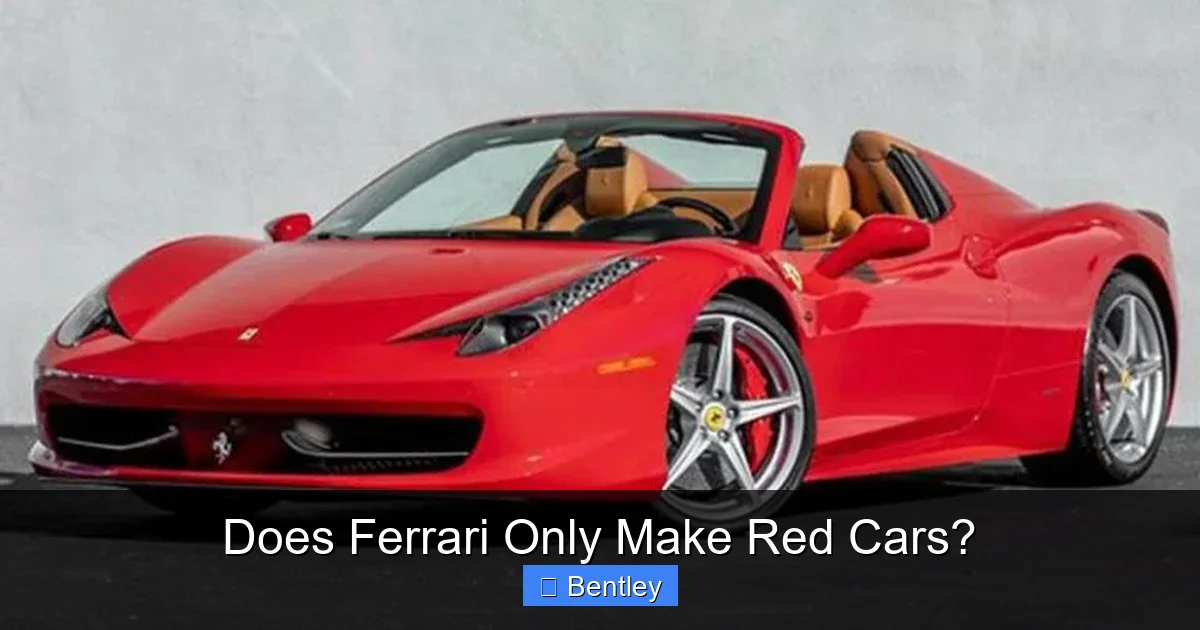
Does Ferrari Only Make Red Cars?

Contents
- 1 Key Takeaways
- 2 📑 Table of Contents
- 3 The Myth of the All-Red Ferrari
- 4 The Origins of Ferrari’s Red Legacy
- 5 Beyond Red: The Full Spectrum of Ferrari Colors
- 6 Personalization and the Scaglietti Program
- 7 How Color Affects Perception and Value
- 8 Ferrari vs. Bentley: A Study in Color Philosophy
- 9 The Future of Ferrari Colors
- 10 Conclusion
- 11 Frequently Asked Questions



Ferrari is famously associated with red, but the brand offers a wide variety of colors beyond its signature shade. From classic blacks and silvers to bold blues and custom hues, Ferrari allows owners to personalize their vehicles in countless ways.
Key Takeaways
- Ferrari’s red dominance stems from racing history: The brand adopted “Rosso Corsa” (racing red) in the early 20th century due to international racing regulations, not personal preference.
- Modern Ferraris come in many colors: While red remains popular, models are available in black, white, silver, blue, yellow, green, and even custom matte finishes.
- Personalization is a hallmark of Ferrari ownership: Through the Carrozzeria Scaglietti program, buyers can choose unique paint schemes, two-tone designs, and bespoke color combinations.
- Color affects resale value and perception: Red Ferraris often command higher resale prices and are seen as more traditional, while rare colors can appeal to collectors.
- Marketing and branding reinforce the red image: Ferrari uses red heavily in advertising, merchandise, and corporate identity, which perpetuates the myth that they only make red cars.
- Other luxury brands like Bentley offer even greater color freedom: Unlike Ferrari, Bentley emphasizes individuality and offers an almost limitless palette, including hand-painted details and interior-matched exteriors.
- The future of Ferrari colors is evolving: With rising demand for individuality, Ferrari is expanding its color options while still honoring its heritage.
📑 Table of Contents
The Myth of the All-Red Ferrari
When most people think of Ferrari, one image instantly comes to mind: a sleek, low-slung sports car blazing down a coastal highway in a vibrant shade of red. It’s an iconic picture—so ingrained in popular culture that many assume Ferrari only makes red cars. From movie posters to toy models, the red Ferrari has become a symbol of speed, passion, and Italian excellence. But is this belief accurate? Does Ferrari truly limit itself to just one color?
The short answer is no. While red—specifically “Rosso Corsa” or racing red—is deeply tied to Ferrari’s identity, the brand has never restricted its production to that single hue. In fact, Ferrari offers a diverse and ever-expanding range of colors, both standard and custom. The myth persists largely because of historical tradition, powerful branding, and the emotional resonance of red with performance and prestige. But behind the curtain of glamour and horsepower lies a company that values personalization, innovation, and individual expression just as much as heritage.
Understanding why red dominates Ferrari’s image requires a look back at the brand’s origins. Founded by Enzo Ferrari in the 1940s, the company quickly became synonymous with motorsport success. In the early days of international racing, countries were assigned specific colors to distinguish their teams. Italy was assigned red, and Enzo Ferrari embraced it wholeheartedly. Over time, Rosso Corsa became not just a racing standard but a badge of honor—a visual cue that signaled Italian engineering and competitive spirit. This legacy continues today, with red remaining the most popular color choice among Ferrari buyers.
Yet, despite its strong association with red, Ferrari has always allowed customers to choose other colors. From the elegant silver of the Ferrari 250 GT to the deep blues and rich blacks seen on modern models like the SF90 Stradale, the brand has demonstrated flexibility and openness to variety. The real story isn’t that Ferrari only makes red cars—it’s that red has become so central to its brand identity that it overshadows the full spectrum of options available.
The Origins of Ferrari’s Red Legacy
Visual guide about Does Ferrari Only Make Red Cars?
Image source: motortrend.com
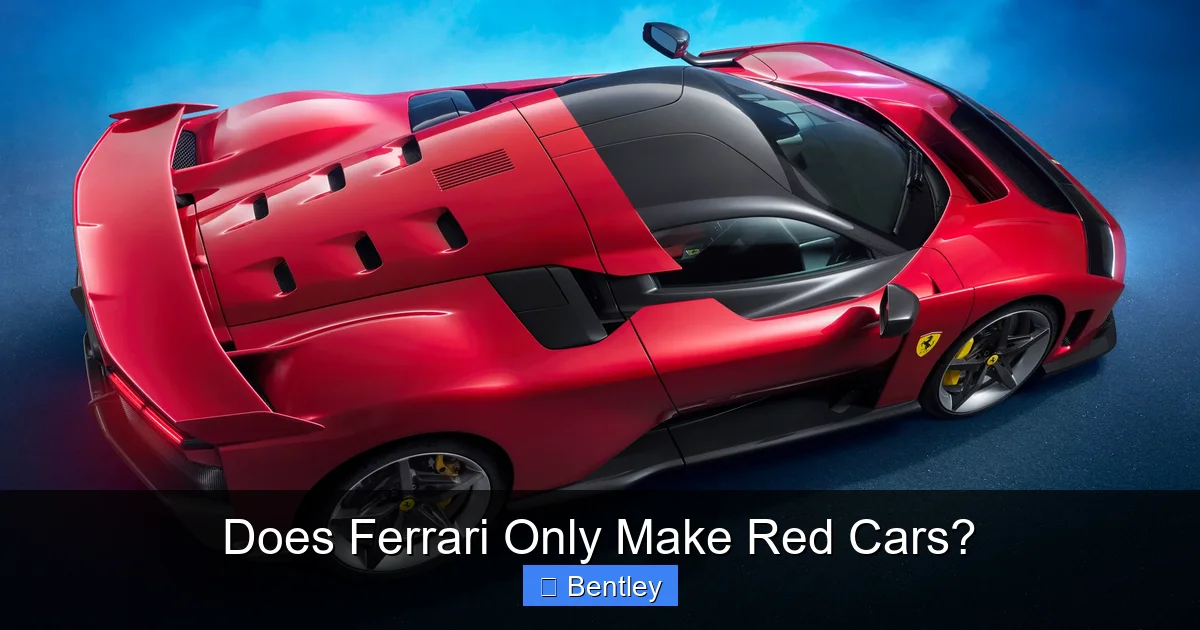
To truly understand why red is so closely linked to Ferrari, we need to travel back to the early 20th century, when international motorsport was still finding its footing. In 1900, the Gordon Bennett Cup—a prestigious early automobile race—established a rule that each participating country would be represented by a specific color. France chose blue, Germany selected white, and Italy was assigned red. This system helped spectators and officials quickly identify which nation’s team was competing.
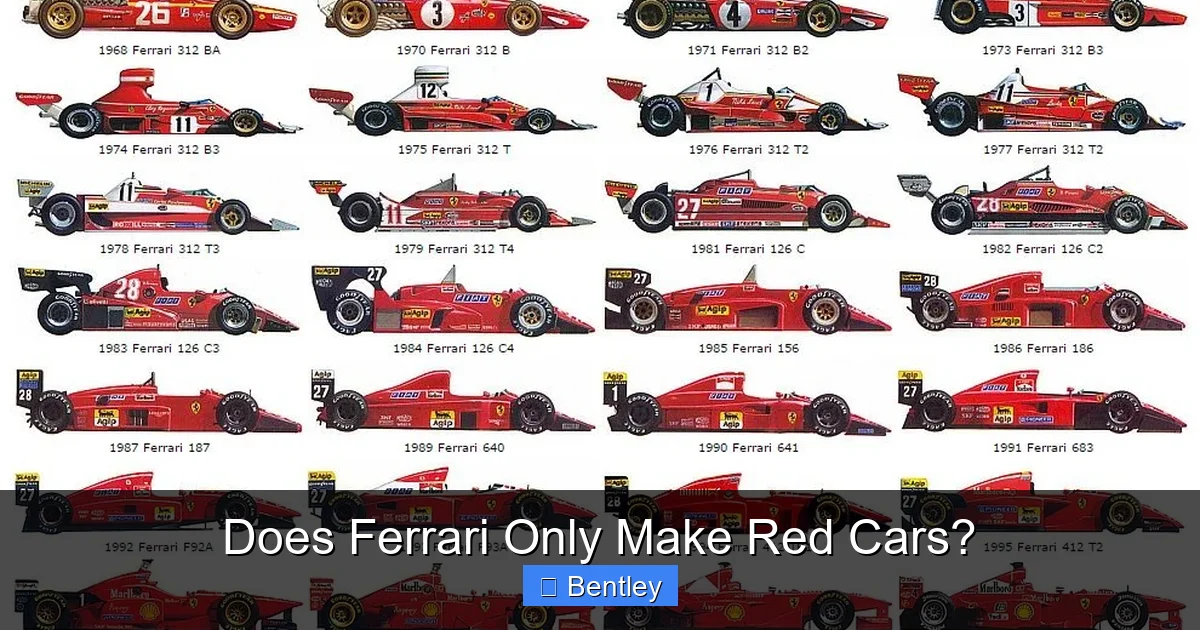
When Enzo Ferrari began building cars under his own name in the 1940s, he carried forward this tradition. His early racing cars, including the legendary 125 S, were painted in Rosso Corsa—Italian for “racing red.” This wasn’t just a stylistic choice; it was a nod to national pride and a way to honor Italy’s racing heritage. Over the decades, as Ferrari dominated circuits like Le Mans, Monza, and Monaco, the red cars became inseparable from victory, innovation, and Italian passion.
The emotional power of red also played a role. Red is a color associated with energy, danger, excitement, and love—all qualities that align perfectly with Ferrari’s brand image. It’s no surprise that Enzo Ferrari leaned into this symbolism, using red not just on the track but in marketing, logos, and even the interiors of his cars. The prancing horse logo, set against a yellow background with green, white, and red stripes (the Italian flag), further reinforced the national connection.
Even today, Rosso Corsa remains the default color for many Ferrari models, especially those designed with racing in mind. The Ferrari F1 team still competes in red, and special edition models like the 488 Pista or the 812 Competizione often debut in this classic shade. But this tradition doesn’t mean Ferrari is stuck in the past. On the contrary, the brand has evolved, embracing new technologies and customer demands while still paying homage to its roots.
Beyond Red: The Full Spectrum of Ferrari Colors
Visual guide about Does Ferrari Only Make Red Cars?
Image source: gtplanet.net
While red may be the face of Ferrari, the brand’s color palette is far more diverse than many realize. In recent years, Ferrari has made a concerted effort to offer buyers greater choice, recognizing that today’s luxury car owners value individuality and personal expression. The result is a lineup that includes everything from understated neutrals to bold, eye-catching hues.
Standard color options now include classic shades like Nero (black), Bianco Avus (white), Grigio Alloy (silver), and Blu Corsa (racing blue). These colors appeal to buyers who want a sophisticated, timeless look without sacrificing performance or prestige. For example, a black Ferrari F8 Tributo can look just as striking as its red counterpart—perhaps even more so in certain lighting or settings. Silver and white models offer a clean, modern aesthetic that complements the car’s aerodynamic lines and aggressive stance.
But Ferrari doesn’t stop at standard colors. Through its Carrozzeria Scaglietti personalization program, customers can choose from hundreds of additional paint options. These include metallic finishes, pearlescent effects, matte textures, and even custom two-tone combinations. Want a Ferrari in emerald green? Done. Prefer a deep burgundy with gold flake? Also possible. The program allows buyers to work directly with Ferrari designers to create a truly unique vehicle that reflects their personality and taste.
One notable example is the Ferrari Monza SP1, a limited-edition speedster inspired by 1950s barchettas. While many were delivered in red, several were painted in striking alternatives like Grigio Ferro (iron gray) and Blu Nardo (a dark, smoky blue). These choices highlight how Ferrari is moving beyond tradition to meet the demands of a new generation of collectors and enthusiasts.
Even within the standard lineup, color variety is growing. The Ferrari Roma, for instance, is often seen in elegant shades like Rosso Mugello (a deep burgundy) or Grigio Titanio (a warm gray with metallic undertones). The SF90 Stradale, Ferrari’s first series-production plug-in hybrid, has been spotted in everything from bright yellow to matte black, proving that innovation and color go hand in hand.
Personalization and the Scaglietti Program
Visual guide about Does Ferrari Only Make Red Cars?
Image source: motorandwheels.com
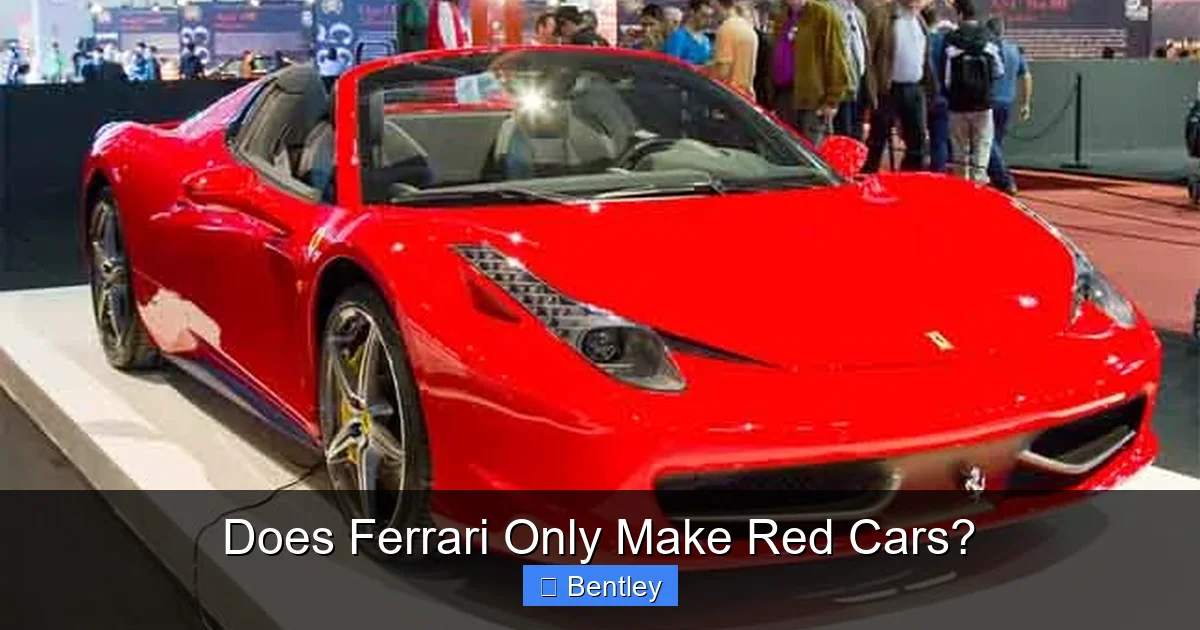
One of the most compelling reasons Ferrari isn’t limited to red is its commitment to personalization. The Carrozzeria Scaglietti program, named after the legendary Italian coachbuilder, is Ferrari’s answer to the growing demand for bespoke luxury. It allows customers to customize nearly every aspect of their vehicle, from interior materials and stitching patterns to exterior paint and wheel designs.
When it comes to color, Scaglietti offers an almost limitless range of possibilities. Buyers can select from Ferrari’s extensive catalog of historical and contemporary shades or request a completely custom hue. The process begins with a consultation with a Ferrari designer, who helps the customer visualize their vision using digital renderings and physical paint samples. Once approved, the car is hand-painted by skilled artisans at Ferrari’s Maranello headquarters.
This level of customization isn’t just about aesthetics—it’s about creating a deeper connection between the owner and the car. For many Ferrari buyers, owning a vehicle is a deeply personal experience. They want something that reflects their identity, values, and lifestyle. A red Ferrari might symbolize tradition and passion, but a matte black SF90 with gold accents could represent power, mystery, and exclusivity.
The Scaglietti program also allows for intricate details that go beyond simple paint. Customers can add pinstriping, hand-painted logos, or even full-body wraps with custom graphics. Some owners have chosen to match their car’s exterior to their private jet, yacht, or home decor. Others have incorporated family crests, initials, or meaningful symbols into the design.
This emphasis on individuality sets Ferrari apart from many other luxury automakers. While brands like Lamborghini and McLaren offer customization, Ferrari’s program is more deeply integrated into its brand philosophy. It’s not just about selling a car—it’s about crafting a legacy.
How Color Affects Perception and Value
Color plays a powerful role in how we perceive luxury vehicles, and Ferrari is no exception. While all Ferraris are high-performance machines, the color can influence everything from resale value to social perception.
Red Ferraris, for example, tend to hold their value better than other colors. This is due in part to tradition—red is seen as the “classic” Ferrari color, and many buyers prefer it for its historical significance. Collectors often seek out red models, especially rare or limited-edition variants, which can drive up demand and prices. A red Ferrari 250 GTO, for instance, is one of the most valuable cars in the world, with recent sales exceeding $70 million.
However, this doesn’t mean other colors are undesirable. In fact, rare or unconventional colors can also command premium prices, especially if they’re part of a special edition or were owned by a celebrity. A blue Ferrari F40 or a yellow LaFerrari can stand out in a collection and attract attention at car shows and auctions.
Perception also plays a role. Red is often associated with speed, aggression, and confidence—qualities that align with Ferrari’s brand image. A red Ferrari might be seen as more “authentic” or “passionate,” while a black or silver model could be viewed as more understated or sophisticated. These perceptions aren’t necessarily accurate, but they influence buyer behavior and market trends.
Interestingly, color can also affect how a car is driven and maintained. Bright colors like red or yellow are more visible on the road, which some drivers prefer for safety. Others choose darker shades to hide dirt and scratches, especially if they drive their Ferrari regularly. Matte finishes, while stylish, require special care and can be more difficult to repair, which may deter some buyers.
Ultimately, the best color is the one that resonates with the owner. Whether it’s a bold red, a sleek black, or a custom creation, the right color can enhance the emotional connection to the car and make every drive more enjoyable.
Ferrari vs. Bentley: A Study in Color Philosophy
While Ferrari has expanded its color options, it’s worth comparing its approach to that of other luxury brands—particularly Bentley. Both companies cater to affluent buyers who value performance, craftsmanship, and exclusivity, but they take very different approaches to personalization and color.
Bentley, for example, places an even greater emphasis on individuality. The British automaker offers an almost infinite range of paint options, including hand-mixed colors, metallic flakes, and even paint that matches the owner’s favorite piece of art or clothing. Bentley’s Mulliner division takes customization to another level, allowing customers to specify everything from embroidered headrests to custom wood veneers and ambient lighting.
This philosophy reflects Bentley’s heritage as a maker of grand tourers—cars designed for comfort, elegance, and long-distance travel. While Ferrari focuses on speed and emotion, Bentley emphasizes refinement and personal expression. As a result, Bentley owners are more likely to choose unique or unconventional colors, knowing that their car will be a true reflection of their taste.
Ferrari, by contrast, balances tradition with innovation. While it offers extensive customization, it still leans heavily on its red heritage. This isn’t a limitation—it’s a choice. Ferrari knows that red is part of its DNA, and it uses that association to strengthen its brand identity. But it also recognizes that modern buyers want options, which is why it continues to expand its color palette and personalization programs.
In many ways, the difference between Ferrari and Bentley comes down to brand personality. Ferrari is passionate, intense, and performance-driven. Bentley is refined, luxurious, and deeply personal. Both approaches are valid, and both appeal to different types of buyers.
The Future of Ferrari Colors
As we look ahead, it’s clear that Ferrari’s relationship with color will continue to evolve. The brand is embracing new technologies, such as advanced paint formulations and digital design tools, that make customization faster and more precise. At the same time, it’s responding to shifting consumer preferences, with younger buyers placing a higher value on individuality and self-expression.
One trend to watch is the rise of matte and satin finishes. These textures offer a modern, understated look that contrasts with the glossy shine of traditional paints. Matte black, in particular, has become popular among tech executives and celebrities who want a Ferrari that’s both powerful and discreet.
Another trend is the use of color to highlight engineering features. Some Ferrari models now use contrasting paint on brake calipers, air intakes, or body panels to emphasize performance elements. This approach blends aesthetics with function, creating a car that looks as good as it performs.
Ferrari is also experimenting with sustainable materials and eco-friendly paints, reflecting a broader shift in the automotive industry. While these changes may not be visible to the naked eye, they represent a commitment to innovation that extends beyond speed and style.
Ultimately, the future of Ferrari colors is about balance—honoring the past while embracing the future. Red will always have a place in the brand’s story, but it won’t be the only chapter.
Conclusion
So, does Ferrari only make red cars? The answer is a resounding no. While red remains the brand’s most iconic and popular color, Ferrari offers a rich and diverse palette that reflects its commitment to personalization, innovation, and individual expression. From classic blacks and silvers to bold custom creations, Ferrari owners have more choices than ever before.
The myth of the all-red Ferrari persists because of powerful branding, historical tradition, and the emotional appeal of the color itself. But behind the glamour lies a company that values freedom of choice and the unique stories each owner brings to their vehicle. Whether you prefer the timeless elegance of Rosso Corsa or the modern edge of matte gray, Ferrari has a color for you.
As the brand continues to evolve, one thing is certain: the future of Ferrari is as colorful as its past.
Frequently Asked Questions
Why is Ferrari so associated with red?
Ferrari’s association with red dates back to early 20th-century racing regulations, where Italy was assigned the color red. Enzo Ferrari adopted “Rosso Corsa” to honor this tradition, and it became a symbol of Italian pride and performance.
Can I buy a Ferrari in a color other than red?
Absolutely. Ferrari offers a wide range of standard colors, including black, white, silver, blue, and yellow. Through the Scaglietti program, you can also choose custom or bespoke paint finishes.
Do red Ferraris have higher resale value?
Generally, yes. Red is the most traditional and popular color, which can increase demand and resale value, especially for classic or limited-edition models.
What is the Carrozzeria Scaglietti program?
It’s Ferrari’s personalization program that allows customers to customize their car’s exterior paint, interior materials, stitching, and more to create a truly unique vehicle.
Are matte finishes available on Ferrari cars?
Yes, Ferrari offers matte paint options through its customization programs, though they require special care and maintenance compared to glossy finishes.
How does Ferrari’s color philosophy compare to Bentley’s?
While both brands offer extensive customization, Bentley emphasizes individuality and luxury with near-limitless color options, whereas Ferrari balances tradition (especially red) with modern personalization.