Does Every Car Come with a Spare Tire
Not every car comes with a spare tire anymore. Many modern vehicles now use space-saving alternatives like tire inflators or run-flat tires. Understanding your car’s setup helps you stay safe and prepared during a flat tire emergency.
In This Article
- 1 Key Takeaways
- 2 📑 Table of Contents
- 3 Does Every Car Come with a Spare Tire?
- 4 Why Spare Tires Are Disappearing
- 5 What Replaces the Spare Tire?
- 6 Which Cars Are Most Likely to Have a Spare Tire?
- 7 How to Check If Your Car Has a Spare Tire
- 8 Should You Buy a Spare Tire for Your Car?
- 9 Staying Safe Without a Spare Tire
- 10 Conclusion
- 11 Frequently Asked Questions
- 11.1 Do all new cars come with a spare tire?
- 11.2 What should I do if my car doesn’t have a spare tire?
- 11.3 Can I add a spare tire to a car that didn’t come with one?
- 11.4 Are run-flat tires better than having a spare?
- 11.5 How long can I drive on a donut spare tire?
- 11.6 Do electric cars ever come with spare tires?
Key Takeaways
- Spare tires are no longer standard in all cars: Many new vehicles, especially compact and luxury models, omit the spare to save weight, space, and cost.
- Manufacturers use alternatives: Tire inflator kits and run-flat tires are common substitutes, designed for temporary fixes rather than long-term use.
- Check your owner’s manual: The best way to know if your car has a spare is to consult the manual or inspect the trunk or undercarriage.
- Electric and hybrid cars often lack spares: Battery packs and compact designs make spare tires difficult to accommodate.
- You can still buy a spare separately: If your car doesn’t come with one, you can purchase a compact or full-size spare from dealers or aftermarket suppliers.
- Being prepared matters: Even without a spare, knowing how to use emergency kits and roadside assistance can prevent roadside stress.
- Older cars are more likely to have spares: Vehicles made before 2010 typically include a full-size or donut spare tire.
📑 Table of Contents
Does Every Car Come with a Spare Tire?
If you’ve ever had a flat tire, you know how stressful it can be—especially if you’re far from home, in bad weather, or on a busy highway. For decades, the solution was simple: pop the trunk, grab the spare tire, and swap it out. But today, that’s not always the case. The truth is, not every car comes with a spare tire. In fact, many modern vehicles leave the spare behind altogether, replacing it with lighter, cheaper alternatives.
This shift has left many drivers confused and unprepared. You might assume your new car has a spare just because your old one did. But automakers are increasingly prioritizing fuel efficiency, interior space, and cost savings over traditional spare tires. As a result, spare tires are becoming a rare find in trunks across the country.
So, why the change? And what does it mean for you as a driver? In this guide, we’ll explore the reasons behind the decline of spare tires, the alternatives manufacturers are using, and how you can stay safe and prepared—even if your car doesn’t come with a spare. Whether you’re driving a compact sedan, a luxury SUV, or an electric vehicle, understanding your tire options is essential for peace of mind on the road.
Why Spare Tires Are Disappearing

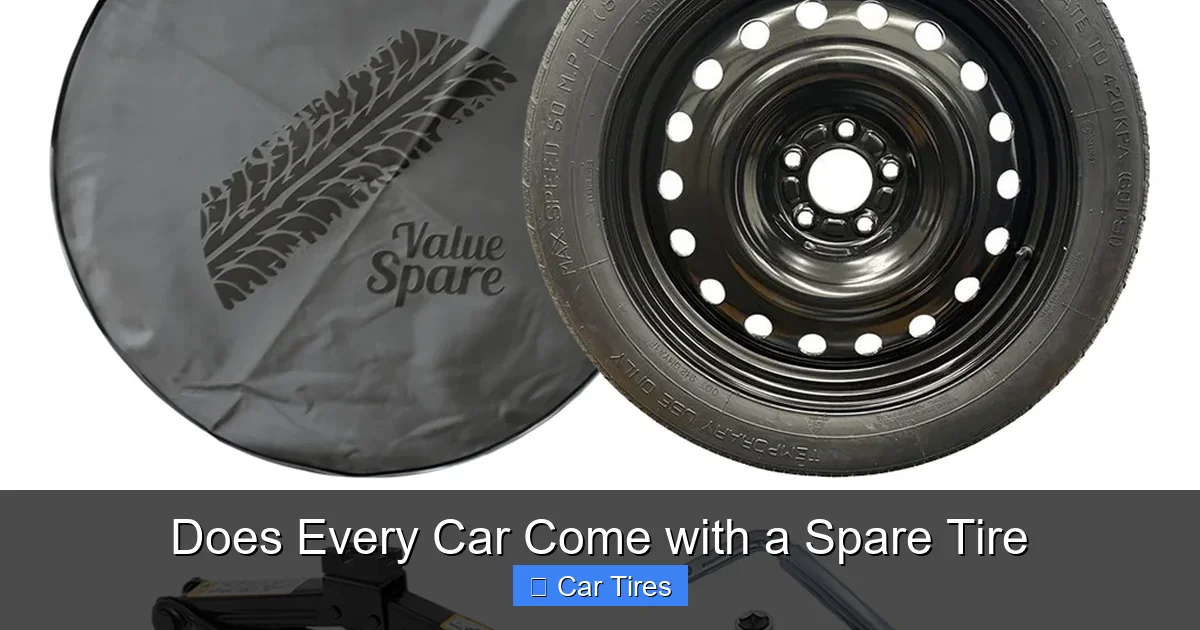
Visual guide about Does Every Car Come with a Spare Tire
Image source: automotiveaddicts.com
The disappearance of spare tires isn’t random—it’s the result of deliberate design choices by automakers. Several key factors are driving this trend, and understanding them helps explain why your new car might not have that familiar donut in the trunk.
Weight and Fuel Efficiency
One of the biggest reasons spare tires are being phased out is weight. Every pound counts when it comes to fuel efficiency. A full-size spare tire can weigh 30 to 50 pounds, while even a compact “donut” spare adds 15 to 20 pounds. In an era where automakers are under pressure to meet strict emissions and fuel economy standards, shedding weight is a priority.
Lighter cars use less fuel, which means lower emissions and better mileage. For electric vehicles (EVs), reducing weight also extends battery range. Removing the spare tire is a small but meaningful step toward these goals. Over millions of vehicles, the cumulative fuel savings—and emissions reductions—can be significant.
Cost Savings for Manufacturers
Spare tires aren’t just heavy—they’re also expensive to produce and install. A full-size spare includes not just the tire, but also the wheel, jack, lug wrench, and storage hardware. That adds up. By eliminating the spare, automakers can reduce production costs, which helps keep vehicle prices competitive.
These savings are passed on in various ways—lower MSRPs, more standard features, or higher profit margins. For budget-conscious buyers, a car without a spare might be priced lower than a comparable model that includes one. While it’s a trade-off, many consumers don’t realize the spare is missing until they actually need it.
Interior and Trunk Space
Modern cars are designed with passenger comfort and cargo space in mind. Trunks are getting deeper, seats are more adjustable, and storage compartments are more cleverly integrated. But all that space comes at a cost—there’s less room for bulky items like spare tires.
This is especially true in compact cars, hatchbacks, and electric vehicles. EVs, in particular, often have large battery packs mounted under the floor, leaving little room for a spare. Some hybrids also use the spare tire well for additional battery storage or electronics.
Even in larger SUVs and trucks, automakers are rethinking trunk layouts. Features like under-floor storage, fold-flat seats, and built-in organizers take priority over spare tire storage. As a result, many vehicles now use the space that once held a spare for other purposes.
Improved Tire Technology and Reliability
Tires today are more durable and reliable than ever. Advances in rubber compounds, tread design, and manufacturing have significantly reduced the likelihood of sudden flats. Run-flat tires, puncture-resistant sidewalls, and better road monitoring systems all contribute to fewer tire-related breakdowns.
Because flats are less common, automakers argue that the spare tire is an underused feature. Why carry around extra weight and cost for something you might never need? This logic has led many manufacturers to replace spares with lighter, simpler solutions.
Consumer Behavior and Roadside Assistance
Another factor is the rise of roadside assistance programs. Most new cars come with complimentary towing and tire services for the first few years. AAA, insurance add-ons, and manufacturer programs make it easier than ever to get help when you have a flat.
As a result, many drivers no longer feel the need to carry a spare. Why struggle with a heavy tire and tools when you can call for help and be back on the road in 30 minutes? This shift in consumer expectations has made spare tires seem less essential.
What Replaces the Spare Tire?
Visual guide about Does Every Car Come with a Spare Tire
Image source: tiredepth.com
So if spare tires are disappearing, what’s taking their place? Automakers haven’t left drivers completely stranded. Instead, they’ve introduced a range of alternatives designed to handle minor tire issues—without the bulk and weight of a traditional spare.
Tire Inflator Kits (Sealant and Compressor)
The most common replacement for a spare tire is the tire inflator kit. Also known as a “fix-a-flat” system, this kit includes a can of sealant and a small air compressor. When you get a small puncture—like from a nail or screw—you attach the compressor to the tire valve, inject the sealant, and pump air back into the tire.
The sealant coats the inside of the tire, plugging the hole and allowing you to drive to a repair shop. Most kits claim to work on punctures up to 1/4 inch in diameter. They’re lightweight, compact, and easy to use—no lifting heavy tires or wrestling with jacks.
However, inflator kits have limitations. They only work on small punctures and won’t help with sidewall damage, blowouts, or large tears. The sealant can also make future tire repairs more difficult, and some shops charge extra to clean it out. Plus, once used, the kit is typically single-use—you’ll need to replace it after one application.
Run-Flat Tires
Run-flat tires are another popular alternative. These tires are designed to keep rolling even after a loss of air pressure. They have reinforced sidewalls that support the weight of the car for a limited distance—usually 50 to 100 miles—at reduced speeds (typically under 50 mph).
Because run-flat tires can get you to a service station without needing a spare, many luxury and performance vehicles use them. Brands like BMW, Mercedes-Benz, and Audi often equip their cars with run-flats as standard.
The downside? Run-flat tires are more expensive to replace, and not all repair shops can service them. They also tend to have a stiffer ride, which some drivers find less comfortable. And if the damage is too severe, even run-flats won’t save you—you’ll still need a tow.
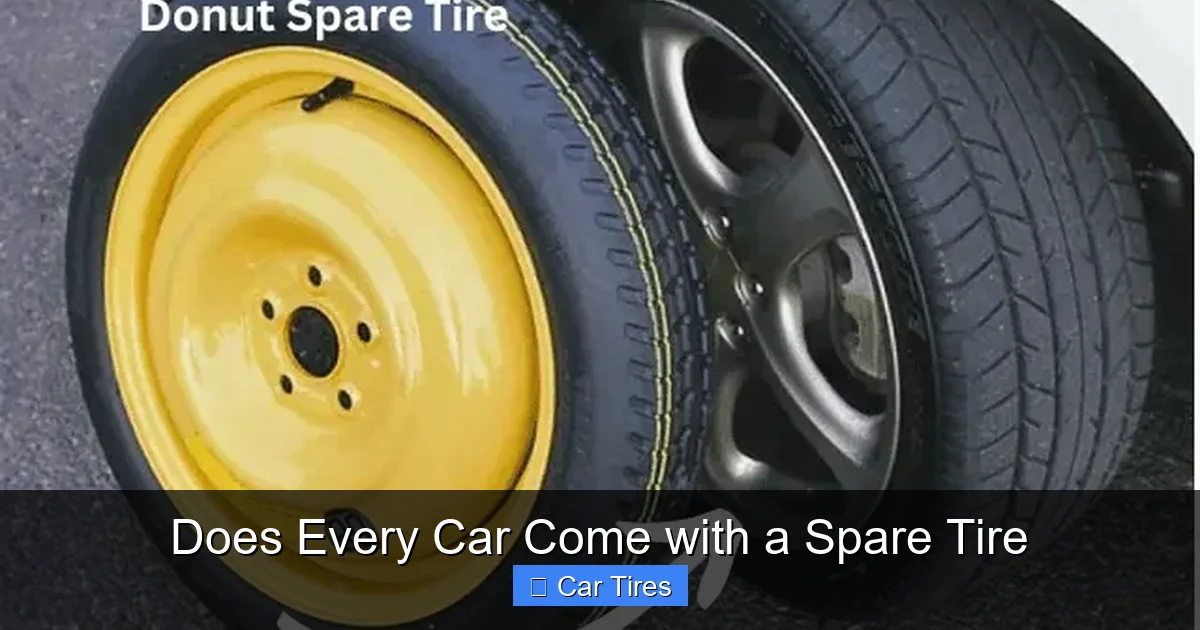
Temporary Spare Tires (Donuts)
Some cars still come with a temporary spare—commonly called a “donut” because of its small size. These compact spares are much lighter and take up less space than full-size spares. They’re designed for short-distance, low-speed driving (usually under 50 mph and for no more than 50–70 miles).
Donuts are a good middle ground—they offer real tire replacement without the bulk of a full spare. However, they’re not meant for long-term use. Driving on a donut for too long or at high speeds can damage the tire and compromise safety.
Many drivers don’t realize that donuts have expiration dates. Like regular tires, they degrade over time, even if never used. Check the sidewall for a date code—most should be replaced after 6–10 years.
No Spare at All
In some cases, especially with electric and hybrid vehicles, there’s no spare tire and no inflator kit. These cars rely entirely on roadside assistance and improved tire reliability. If you get a flat, your only option is to call for help.
This approach saves the most weight and space but leaves drivers vulnerable. If you’re in a remote area with poor cell service, or if roadside assistance is delayed, being without a spare can be a major problem.
Which Cars Are Most Likely to Have a Spare Tire?
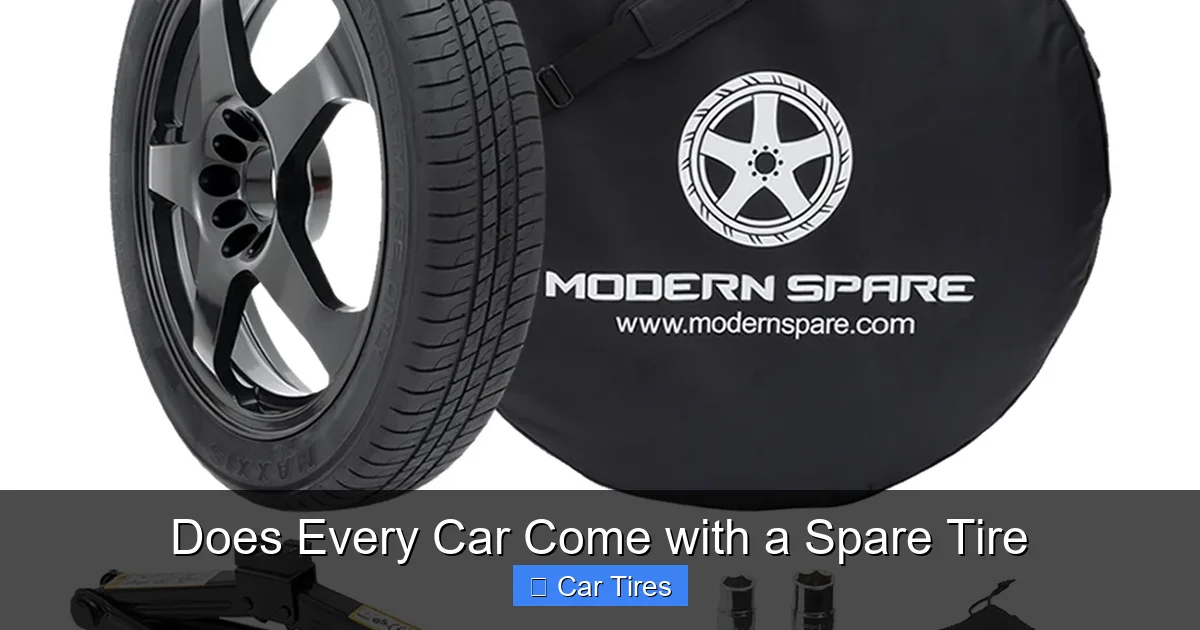
Visual guide about Does Every Car Come with a Spare Tire
Image source: modernspare.com
Not all vehicles have abandoned the spare tire. Some types of cars are still more likely to include one—either as standard equipment or as an optional upgrade.
Trucks and SUVs
Full-size trucks and large SUVs are the most likely to come with a spare tire. These vehicles are built for utility, off-roading, and long-distance travel—situations where a flat tire could leave you stranded. Many trucks mount the spare underneath the bed or on the rear door, saving trunk space.
For example, the Ford F-150, Chevrolet Silverado, and Toyota Tacoma often include a full-size spare as standard. Some even offer upgraded spares with matching wheels for a more polished look.
Off-Road and Adventure Vehicles
Vehicles designed for off-road use—like the Jeep Wrangler, Toyota 4Runner, or Land Rover Defender—almost always come with a spare. These drivers expect rough terrain, sharp rocks, and unpredictable conditions, so having a spare is essential.
Many off-roaders also upgrade to larger tires, which means they need a matching spare. Some even carry two spares for extended trips.
Older and Classic Cars
If your car was made before 2010, there’s a good chance it has a spare tire. Back then, spares were standard equipment on nearly all vehicles. Even compact cars like the Honda Civic or Toyota Corolla included a donut spare.
Classic car enthusiasts often keep their original spares as part of the vehicle’s authenticity. Restoring a vintage car? Don’t forget to source a period-correct spare tire and wheel.
Luxury and Performance Cars (Sometimes)
This one’s tricky. Some luxury cars—especially those with run-flat tires—don’t include a spare. But others, particularly high-end SUVs and performance sedans, still offer one.
For example, the Porsche Cayenne and BMW X5 often include a spare, while the Mercedes-Benz S-Class may not. It varies by model and trim level, so always check the specs.
Electric and Hybrid Vehicles
EVs and hybrids are the least likely to have a spare tire. The Tesla Model 3, Nissan Leaf, and Toyota Prius, for instance, typically don’t include one. The reasons? Weight, space, and the assumption that flats are rare.
However, some hybrids—like the Ford Escape Hybrid—still offer a spare as an option. And Tesla does sell a spare tire kit separately for certain models, though it’s not included by default.
How to Check If Your Car Has a Spare Tire
Not sure if your car has a spare? Don’t wait until you’re stranded to find out. Here’s how to check—before you need it.
Look in the Trunk
Start by opening your trunk and lifting the floor mat. Most spare tires are stored underneath, often in a hidden compartment. You might see a handle or latch to release the spare.
If there’s no spare, you might find an inflator kit instead—a small canister and compressor tucked into a corner. Some cars store the kit in the glove box or under a seat.
Check Under the Vehicle
Some trucks and SUVs mount the spare underneath the chassis. Look for a tire hanging below the rear bumper or bed. You’ll usually need a crank or tool to lower it.
Be careful—these spares can get dirty or rusted, and the mechanism might seize if not used regularly.
Consult the Owner’s Manual
The owner’s manual is your best resource. It will clearly state whether your car includes a spare tire, an inflator kit, or run-flat tires. It will also explain how to use whatever system your car has.
If you’ve lost the manual, most manufacturers offer digital copies online. Just search for your make, model, and year.
Ask the Dealer or Previous Owner
If you bought your car used, ask the previous owner or dealer if it came with a spare. Some cars have the spare removed after purchase, so it’s possible it was there originally.
You can also check the vehicle’s original window sticker (Monroney label), which lists standard and optional equipment.
Inspect the Tire Pressure Monitoring System (TPMS)
If your car has run-flat tires, the TPMS will alert you when pressure drops—but it won’t tell you if you have a spare. Still, the presence of run-flat tires is a strong clue that no spare is included.
Look for markings on the tire sidewall like “Run Flat,” “RFT,” or “SSR.”
Should You Buy a Spare Tire for Your Car?
If your car doesn’t come with a spare, should you buy one? It depends on your driving habits, location, and comfort level with roadside emergencies.
When a Spare Makes Sense
Consider adding a spare if:
– You frequently drive in rural or remote areas with limited cell service.
– You take long road trips or travel on unpaved roads.
– You live in an area with extreme weather or poor road conditions.
– You prefer self-reliance over relying on roadside assistance.
A spare tire gives you peace of mind and the ability to handle a flat on your own terms.
Types of Aftermarket Spares
If you decide to buy a spare, you have options:
– Compact (Donut) Spare: Lightweight and affordable, but limited in range and speed.
– Full-Size Spare: Matches your regular tires, allows normal driving, but takes up more space and costs more.
– Folding or Temporary Spare: Some aftermarket spares can be folded or compressed for storage, though they’re less common.
Make sure the spare is compatible with your car’s bolt pattern, offset, and tire size. Mismatched spares can damage your drivetrain or cause handling issues.
Where to Buy
You can purchase spare tires from:
– Car dealerships (often OEM parts)
– Tire retailers like Discount Tire, Firestone, or Tire Rack
– Online marketplaces like Amazon or eBay
– Salvage yards (for used spares at a lower cost)
Some dealers offer spare tire kits that include the tire, wheel, jack, and tools—everything you need to get started.
Installation and Storage
Once you have a spare, you’ll need to store it properly. If your car has a spare well, great—just secure the tire with the provided hardware. If not, you might need a trunk organizer or cargo net to keep it from rolling around.
For under-vehicle mounts, you may need to install a hitch-mounted carrier or roof rack. These take up exterior space but free up interior room.
Staying Safe Without a Spare Tire
Even if your car doesn’t have a spare, you can still be prepared for a flat tire. Here’s how to stay safe and minimize stress.
Keep Your Inflator Kit Handy
If your car came with a tire inflator kit, make sure it’s in good condition. Check the expiration date on the sealant can—most last 3–5 years. Replace it if it’s expired or if you’ve used it once.
Store the kit in an easy-to-reach spot, like the trunk or glove box. And familiarize yourself with how to use it before you need it.
Know Your Roadside Assistance Options
Most new cars come with free roadside assistance for the first 3–5 years. Check your warranty or owner’s manual to see what’s covered. Services often include tire changes, towing, and lockout assistance.
If your car doesn’t include it, consider adding AAA or a similar service to your insurance. A basic membership costs around $60/year and can save you hundreds in towing fees.
Carry a Portable Jump Starter and Air Compressor
A portable air compressor can help you reinflate a slightly low tire—especially useful if you’re not sure how bad the leak is. Some models also include sealant canisters.
A jump starter is handy for dead batteries, but some also have built-in compressors and flashlights. Look for a multi-tool that covers several emergencies.
Learn Basic Tire Safety
Know the signs of a failing tire: bulges, cracks, uneven wear, or frequent pressure loss. Regularly check your tire pressure (at least once a month) and inspect tread depth.
Rotate your tires every 5,000–7,000 miles to ensure even wear. And replace tires every 6–10 years, even if they look fine.
Plan for Emergencies
Keep a roadside emergency kit in your car. Include:
– Flashlight with extra batteries
– Reflective triangles or flares
– Basic tools (pliers, screwdriver, wrench)
– First aid kit
– Water and non-perishable snacks
– Blanket or emergency blanket
These items won’t fix a flat, but they’ll keep you safe and comfortable while you wait for help.
Conclusion
So, does every car come with a spare tire? The short answer is no. While spare tires were once a standard feature in nearly every vehicle, modern design priorities—like fuel efficiency, cost savings, and interior space—have led many automakers to phase them out.
Instead, drivers are increasingly relying on tire inflator kits, run-flat tires, and roadside assistance to handle flat tire emergencies. These alternatives are lighter, cheaper, and more space-efficient, but they come with trade-offs in terms of capability and convenience.
Whether your car has a spare or not, the key is to be prepared. Check your owner’s manual, inspect your trunk, and understand what your vehicle offers. If you frequently drive in remote areas or prefer self-reliance, consider adding a spare tire or upgrading your emergency kit.
At the end of the day, a flat tire doesn’t have to be a disaster. With the right knowledge and tools, you can stay safe, save time, and get back on the road—no matter what your car came with.
Frequently Asked Questions
Do all new cars come with a spare tire?
No, not all new cars come with a spare tire. Many modern vehicles, especially compact cars, EVs, and luxury models, omit the spare to save weight, space, and cost. Instead, they may include a tire inflator kit or run-flat tires.
What should I do if my car doesn’t have a spare tire?
If your car doesn’t have a spare, check if it includes a tire inflator kit or run-flat tires. Keep your roadside assistance information handy, and consider carrying a portable air compressor or emergency kit for added safety.
Can I add a spare tire to a car that didn’t come with one?
Yes, you can purchase and install a spare tire aftermarket. Options include compact donuts or full-size spares. Make sure the tire matches your car’s specifications and that you have a safe place to store it.
Are run-flat tires better than having a spare?
Run-flat tires allow you to drive short distances after a puncture, which can be convenient. However, they’re more expensive to replace and may offer a stiffer ride. A spare tire gives you more flexibility but takes up space and adds weight.
How long can I drive on a donut spare tire?
Most donut spare tires are designed for temporary use only—typically up to 50–70 miles and at speeds under 50 mph. Driving farther or faster can damage the tire and compromise safety.
Do electric cars ever come with spare tires?
Most electric cars do not come with spare tires due to weight and space constraints from battery packs. However, some manufacturers offer spare tire kits as optional accessories, and you can purchase them separately.