
Does Car Insurance Cover Windshield Replacement?

Yes, most comprehensive car insurance policies cover windshield replacement—often with no deductible. However, coverage depends on your specific plan, the cause of damage, and whether you use approved repair shops. Knowing your policy details can save you hundreds.
If you’ve ever driven down the highway and heard that dreaded *ping*—followed by a tiny crack spreading across your windshield—you know how quickly a small issue can become a big problem. Windshield damage is one of the most common car issues drivers face, whether from flying gravel, hail, tree branches, or even vandalism. But here’s the good news: **your car insurance might cover the full cost of replacing or repairing it.**
The key lies in understanding your policy. Most standard auto insurance plans include several types of coverage, but not all of them protect your windshield. Liability coverage, which is required in nearly every state, only pays for damage you cause to others—not your own vehicle. That means if a rock chips your windshield, liability won’t help. However, if you’ve added **comprehensive coverage** to your policy, you’re likely in the clear. This optional (but highly recommended) coverage protects your car from non-collision events like theft, fire, falling objects, and yes—windshield damage.
So, does car insurance cover windshield replacement? In most cases, **yes—especially if you have comprehensive coverage.** But there are important nuances. Some insurers treat glass damage differently than other types of damage, and your out-of-pocket costs can vary based on your deductible, location, and the repair shop you choose. The good news is that many companies now offer **glass-specific coverage** or waive deductibles for windshield repairs, making it easier (and cheaper) to get back on the road safely.
Key Takeaways
- Comprehensive coverage typically includes windshield replacement: If you have comprehensive insurance, damage from rocks, debris, vandalism, or weather is usually covered.
- Many states waive the deductible for glass repairs: In places like Florida, Kentucky, and South Carolina, insurers must cover full windshield replacement without a deductible.
- Liability-only policies do not cover windshield damage: If you only carry state-minimum liability insurance, you’ll likely pay out of pocket.
- Using in-network repair shops can reduce costs: Many insurers partner with glass repair companies like Safelite, offering faster service and lower rates.
- Small chips may be repairable instead of replacing the whole windshield: Early repairs are cheaper and often fully covered, preventing cracks from spreading.
- Filing a claim may affect your premium: While glass-only claims usually don’t raise rates, it’s wise to check with your insurer before submitting.
- OEM vs. aftermarket glass matters: Original Equipment Manufacturer (OEM) glass matches your car exactly, but aftermarket options are cheaper and still safe.
📑 Table of Contents
- Understanding Your Auto Insurance Policy
- When Does Insurance Cover Windshield Replacement?
- Repair vs. Replacement: What’s the Difference?
- How to File a Windshield Insurance Claim
- Will Filing a Claim Raise Your Premium?
- OEM vs. Aftermarket Windshields: What’s the Difference?
- Tips to Prevent Windshield Damage
- Conclusion
Understanding Your Auto Insurance Policy
Before you file a claim for a cracked windshield, it’s essential to know what your insurance policy actually covers. Auto insurance isn’t one-size-fits-all. Policies are made up of different components, and each serves a unique purpose. Let’s break down the main types of coverage and how they relate to windshield damage.
Liability Coverage: What It Covers (and What It Doesn’t)
Liability insurance is the backbone of most auto policies. It’s required by law in almost every state and covers bodily injury and property damage you cause to others in an accident. For example, if you rear-end another car, liability pays for their car repairs and medical bills—but not yours. Unfortunately, **liability does not cover damage to your own vehicle**, including windshield cracks or breaks. If you only carry liability, you’ll need to pay for windshield replacement out of pocket.
Collision Coverage: For Accident-Related Damage
Collision coverage kicks in when your car is damaged in an accident—whether you hit another vehicle, a guardrail, or even a pothole. If your windshield cracks because you swerved to avoid a deer and hit a tree, collision might cover the damage. However, most windshield damage isn’t caused by collisions. It’s usually the result of flying debris, weather, or vandalism—events that fall under a different category.
Comprehensive Coverage: The Key to Windshield Protection
This is where windshield coverage comes into play. **Comprehensive coverage** protects your vehicle from non-collision incidents. Think of it as “everything else” insurance. It covers theft, fire, falling objects, animal collisions, and—most importantly—**glass damage**. Whether a rock flew off a truck and cracked your windshield or hail shattered it during a storm, comprehensive insurance typically covers the repair or replacement.
Most insurers consider windshield damage a comprehensive claim. That means if you have this coverage, you’re likely protected. But remember: you’ll still need to pay your deductible unless your policy or state law says otherwise.
Glass-Only Coverage: A Special Add-On
Some insurance companies offer **glass-only coverage** as an optional add-on or part of a broader comprehensive plan. This specialized coverage focuses solely on windshield and window damage. It often comes with **no deductible**, meaning you pay nothing out of pocket for repairs or replacements. Even if you have a high deductible on your comprehensive policy, glass-only coverage can save you money.
For example, Geico, State Farm, and Progressive all offer glass repair/replacement with no deductible in many cases. This is especially helpful if you live in an area with lots of road construction or frequent hail storms.
When Does Insurance Cover Windshield Replacement?
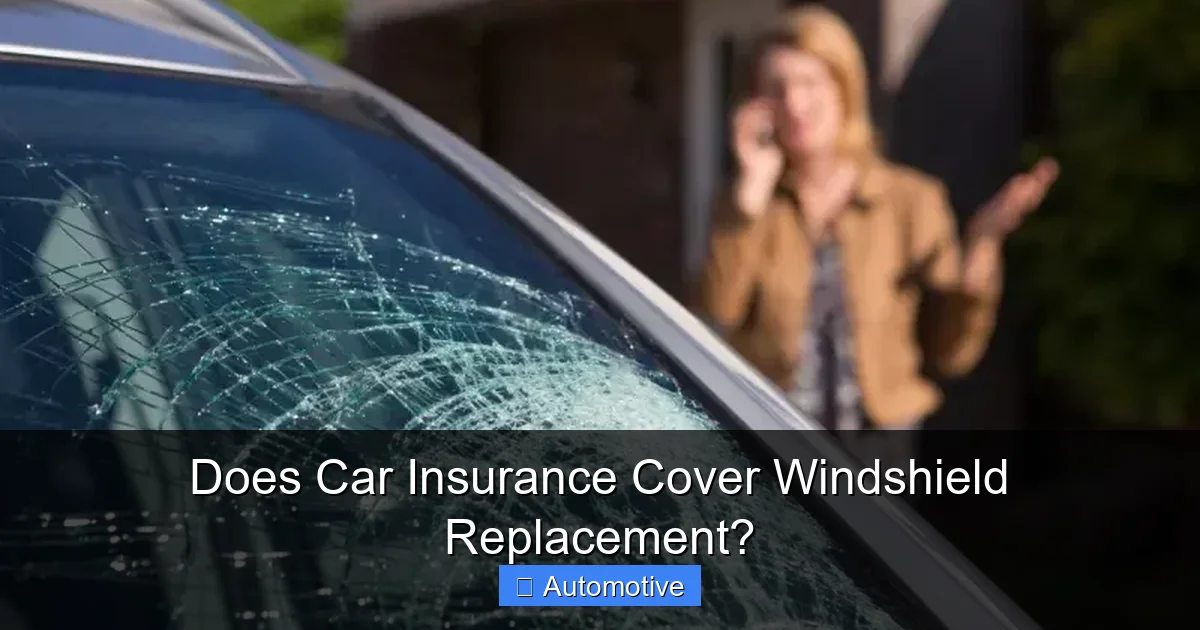
Visual guide about Does Car Insurance Cover Windshield Replacement?
Image source: res.cloudinary.com
Now that you understand the types of coverage, let’s answer the big question: **When exactly does car insurance cover windshield replacement?** The short answer is: when the damage is caused by a covered event under your comprehensive or glass-specific policy.
Common Covered Causes of Windshield Damage
Insurance typically covers windshield damage caused by:
– Flying rocks or debris from the road
– Hail, ice, or severe weather
– Falling tree branches or limbs
– Vandalism (like someone smashing your window)
– Animal collisions (e.g., hitting a deer)
– Theft attempts (if the glass is broken during a break-in)
These are all considered “acts of nature” or “unexpected events,” which fall under comprehensive coverage.
What’s Not Covered?
There are some situations where insurance may deny your claim:
– **Normal wear and tear**: Small scratches or pitting from years of use usually aren’t covered.
– **Intentional damage**: If you break your own windshield, that’s not covered.
– **Lack of maintenance**: If you ignore a small chip that turns into a large crack, some insurers may argue you contributed to the damage.
– **Unapproved modifications**: If you’ve installed a custom windshield not approved by the manufacturer, coverage may be limited.
State Laws and Windshield Coverage
Believe it or not, **your location can affect whether you pay a deductible**. Three states—**Florida, Kentucky, and South Carolina**—have laws requiring insurers to cover windshield replacement with **no deductible**, regardless of your policy. This is a huge benefit for drivers in these areas.
In Florida, for example, insurance companies must provide full glass coverage without a deductible. This law was created to improve road safety, as driving with a cracked windshield can impair visibility and increase accident risk. Other states don’t have such laws, so your deductible will apply unless you have glass-specific coverage.
Repair vs. Replacement: What’s the Difference?
Visual guide about Does Car Insurance Cover Windshield Replacement?
Image source: thedailyautomotive.com
Not all windshield damage requires a full replacement. In many cases, a small chip or crack can be repaired quickly and affordably—often for under $100. Understanding the difference can save you time and money.
When Can You Repair Instead of Replace?
Windshield repair is usually possible if:
– The damage is smaller than a quarter
– It’s not in the driver’s direct line of sight
– It hasn’t penetrated both layers of glass
– The crack is less than 6 inches long
Repairs involve injecting a special resin into the damaged area, which is then cured with UV light. The process takes about 30 minutes and restores structural integrity. Most insurers **fully cover repairs with no deductible**, even if they require one for replacements.
When Is Replacement Necessary?
You’ll likely need a full replacement if:
– The crack is longer than 6 inches
– The damage is in the driver’s field of vision
– The chip is deep or has spread
– There are multiple cracks or chips close together
– The windshield has been previously repaired
Replacement involves removing the old glass and installing a new one. It’s more expensive—typically $200 to $500 or more—but often covered under comprehensive insurance.
Does Insurance Cover Both?
Yes! Most policies cover both repair and replacement, but **repairs are almost always preferred** because they’re cheaper and faster. Your insurer may even require you to try repair first if it’s feasible. If the damage can’t be safely repaired, they’ll approve a replacement.
How to File a Windshield Insurance Claim

Visual guide about Does Car Insurance Cover Windshield Replacement?
Image source: audit.policybachat.com
Filing a claim for windshield damage is usually straightforward, but it helps to know the steps. Here’s a simple guide to getting your windshield fixed with minimal hassle.
Step 1: Assess the Damage
First, inspect your windshield. Take photos of the damage from multiple angles. Note the size, location, and cause if known (e.g., “rock chip from highway driving”). This documentation can help support your claim.
Step 2: Check Your Policy
Review your insurance policy or call your agent to confirm you have comprehensive or glass coverage. Ask about your deductible and whether it applies to glass claims. If you’re in Florida, Kentucky, or South Carolina, remind them of the state law waiving deductibles for glass.
Step 3: Choose a Repair Shop
Many insurers have partnerships with glass repair companies like Safelite, AutoGlass, or Glass Doctor. Using an **in-network provider** can speed up the process and reduce costs. Some insurers even offer mobile service—they’ll come to your home or office to repair or replace your windshield.
If you prefer a local shop, that’s usually fine too. Just make sure they’re reputable and use quality glass. Ask if they accept insurance direct billing, so you don’t have to pay upfront and wait for reimbursement.
Step 4: File the Claim
Contact your insurance company to start the claim. You can usually do this online, via an app, or by phone. Provide your policy number, vehicle info, and details about the damage. They’ll assign a claim number and guide you through the next steps.
Step 5: Get the Work Done
Once approved, schedule the repair or replacement. Most glass shops can complete the job in under an hour for repairs, or a few hours for replacements. Afterward, the shop will bill your insurer directly (if using direct billing), or you’ll submit receipts for reimbursement.
Step 6: Keep Records
Save all documentation—photos, claim forms, receipts, and inspection reports. These can be helpful if there’s a dispute or if you need to file another claim in the future.
Will Filing a Claim Raise Your Premium?
This is a common concern: **Will claiming windshield damage increase my insurance rates?** The good news is that in most cases, **no—especially if it’s a glass-only claim.**
Why Glass Claims Are Treated Differently
Windshield damage is usually considered a “no-fault” incident. You didn’t cause an accident or drive recklessly—a rock just happened to hit your car. Because of this, many insurers **don’t count glass claims against your driving record** or use them to raise premiums.
In fact, some companies explicitly state that **glass repairs and replacements do not affect your rate**. For example, State Farm and Progressive often exclude glass claims from rate calculations.
When Your Premium Might Increase
There are exceptions. If you file multiple claims in a short period, or if the windshield damage is part of a larger accident claim (e.g., you hit a deer and the windshield shattered), your insurer might review your risk profile. In rare cases, this could lead to a rate increase—but it’s not common.
To be safe, ask your agent: “Will this claim affect my premium?” Most will give you a clear answer.
OEM vs. Aftermarket Windshields: What’s the Difference?
When replacing your windshield, you’ll likely be asked: **OEM or aftermarket?** Understanding the difference can help you make the best choice for your safety and budget.
What Is OEM Glass?
OEM stands for **Original Equipment Manufacturer**. OEM windshields are made by the same company that supplied the glass for your car when it was new. They match the exact specifications, tint, and features (like rain sensors or lane departure warnings) of your original windshield.
Pros:
– Perfect fit and finish
– Maintains vehicle value
– Often required for advanced driver-assistance systems (ADAS)
Cons:
– More expensive
– May take longer to source
What Is Aftermarket Glass?
Aftermarket windshields are made by third-party manufacturers. They’re designed to meet or exceed safety standards but may not be identical to the original.
Pros:
– More affordable
– Widely available
– Still safe and durable
Cons:
– Slight variations in fit or tint
– May not support all ADAS features
Does Insurance Cover Both?
Most insurers cover **aftermarket glass** by default because it’s cheaper. However, if your car has advanced safety features (like automatic wipers or collision warnings), your insurer may require OEM glass to ensure proper function. Always ask your repair shop and insurer which type they’ll install.
Tips to Prevent Windshield Damage
While insurance can cover repairs, prevention is always better. Here are some practical tips to reduce your risk of windshield damage:
– **Keep a safe following distance**: Tailgating increases the chance of rocks flying from the car ahead.
– **Avoid driving behind large trucks**: They kick up more debris.
– **Park under cover**: Use garages or carports to protect from falling branches and hail.
– **Repair chips immediately**: A $50 repair can prevent a $400 replacement.
– **Use a windshield sunshade**: Reduces stress from temperature changes that can worsen cracks.
Conclusion
So, does car insurance cover windshield replacement? **Yes—most of the time, especially if you have comprehensive or glass-specific coverage.** Whether it’s a tiny chip from a highway rock or a full crack from a hailstorm, your policy likely has you covered. And in some states, you won’t even pay a deductible.
The key is knowing your coverage, acting quickly, and choosing the right repair shop. Don’t wait until the crack spreads—file your claim early, and get back to driving safely. With the right insurance and a little prevention, windshield damage doesn’t have to be a major headache.
Frequently Asked Questions
Does liability insurance cover windshield replacement?
No, liability insurance only covers damage you cause to other people’s vehicles or property. It does not cover damage to your own car, including windshield cracks or breaks.
Will my insurance premium go up if I file a windshield claim?
In most cases, no—especially for glass-only claims. Many insurers treat windshield damage as a no-fault incident and don’t raise rates for such claims.
Can I choose any repair shop for my windshield replacement?
Yes, you can usually choose any licensed repair shop. However, using an in-network provider may offer faster service, lower costs, and direct billing to your insurer.
Is a small chip really worth repairing?
Absolutely. A small chip can quickly spread into a large crack due to temperature changes or road vibrations. Repairing it early is cheaper and often fully covered by insurance.
What if my windshield has a crack in the driver’s line of sight?
This usually requires a full replacement, not just a repair. Most insurers will cover it under comprehensive coverage, but check your policy for details.
Do I need to pay a deductible for windshield replacement?
It depends. If you have comprehensive coverage, you’ll typically pay your deductible—unless you have glass-specific coverage or live in a state like Florida, where deductibles are waived for glass claims.