
Does Car Insurance Cover Hitting a Deer?

Hitting a deer is more common than you think, and it can cause serious damage to your vehicle. The good news? Most comprehensive car insurance policies do cover deer collisions—but only if you have the right coverage. Understanding your policy details can save you thousands in repair bills.
Key Takeaways
- Comprehensive coverage typically pays for deer collisions: Unlike liability or collision insurance, comprehensive coverage handles animal-related damage, including hitting a deer.
- Liability and collision insurance won’t cover deer hits: These cover other types of accidents but exclude wildlife strikes unless you swerve and hit another object.
- Your deductible still applies: Even with comprehensive coverage, you’ll pay your policy’s deductible before insurance kicks in.
- Report the accident promptly: Notify your insurer quickly and file a police report if required—especially if the deer is large or blocking traffic.
- Prevention is key: Use high beams at night, stay alert in deer-prone areas, and consider installing deer whistles or reflective tape.
- Insurance rates may not increase: Since deer collisions are considered “acts of nature,” they often don’t affect your premium.
- Document everything: Take photos of the damage, the scene, and any injuries to support your claim.
📑 Table of Contents
Does Car Insurance Cover Hitting a Deer?
Imagine you’re driving home on a quiet country road at dusk. The sun has just dipped below the trees, and the golden light casts long shadows across the asphalt. Suddenly, a deer leaps into your path—no time to brake. The impact is jarring. Your hood is crumpled, the windshield cracked, and steam rises from the engine. Your heart races. But then a practical thought hits: *Will my car insurance cover this?*
You’re not alone. Each year, over 1.5 million deer-vehicle collisions occur in the United States, according to the Insurance Information Institute. These accidents result in more than $1 billion in vehicle damage and hundreds of fatalities. And while the emotional and physical toll can be significant, the financial burden often weighs heaviest on drivers’ minds.
So, does car insurance cover hitting a deer? The short answer is: **yes—but only if you have the right kind of coverage.** Most standard auto insurance policies include liability, collision, and comprehensive coverage. However, only one of these typically applies when you hit a deer. Understanding the difference could mean the difference between a smooth claim process and a hefty out-of-pocket repair bill.
In this guide, we’ll walk you through everything you need to know about deer collisions and car insurance. From what coverage applies to how to file a claim, we’ll break it down in simple, actionable terms. Whether you live in rural Montana or suburban New Jersey, deer are a real hazard—and being prepared can save you time, money, and stress.
What Type of Insurance Covers Hitting a Deer?
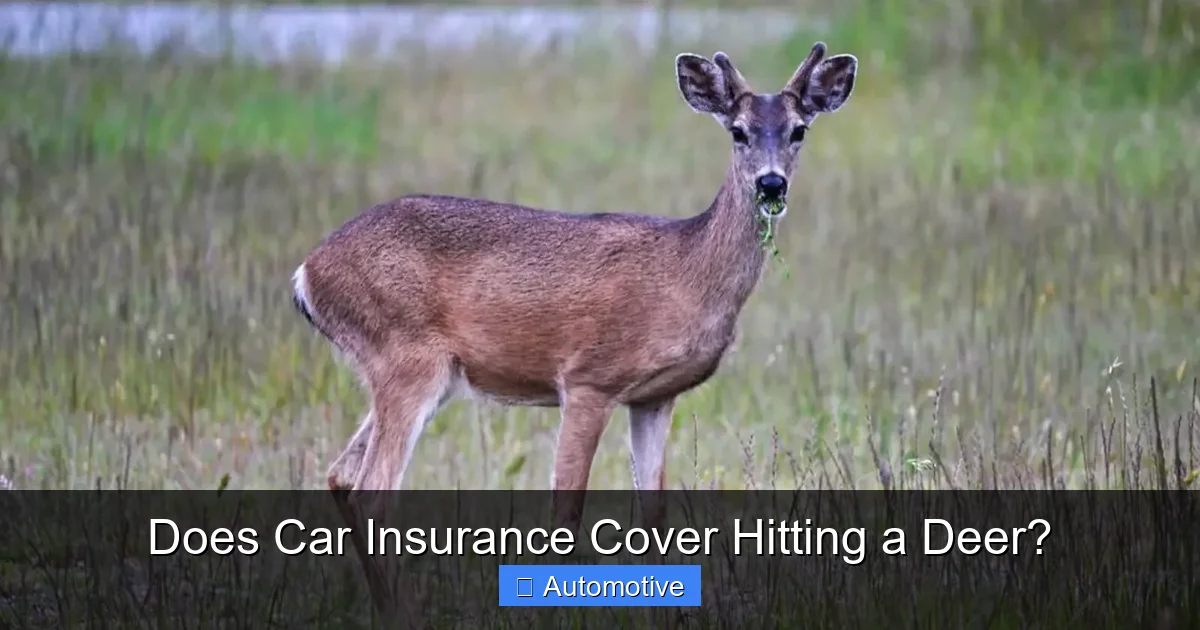
Visual guide about Does Car Insurance Cover Hitting a Deer?
Image source: motorbiscuit.com
When it comes to deer collisions, the type of insurance coverage you have is everything. Let’s break down the three main components of a standard auto policy and see which one steps in when a deer jumps into your path.
Comprehensive Coverage: Your Best Friend in a Deer Collision
Comprehensive coverage is the hero of this story. It’s designed to protect your vehicle from non-collision events—things like theft, vandalism, falling objects, fire, and yes, animal strikes. When you hit a deer, comprehensive coverage is what pays for the damage to your car, minus your deductible.
For example, if your car sustains $4,500 in damage from a deer hit and your deductible is $500, your insurance will cover $4,000. You’ll pay the $500 out of pocket, and the insurer handles the rest.
It’s important to note that comprehensive coverage is optional in most states. If you only carry liability insurance (which is legally required), you won’t be covered for deer damage. That’s why many financial advisors recommend adding comprehensive—and collision—coverage, especially if you drive a newer or financed vehicle.
Collision Coverage: Not for Deer (Usually)
Collision coverage pays for damage to your car when you hit another vehicle or object—like a tree, guardrail, or parked car. But here’s the catch: **hitting a deer is not considered a collision** in insurance terms. Why? Because the deer is a living animal, not a stationary object.
However, there’s an exception. If you swerve to avoid the deer and crash into a tree or another car, collision coverage may apply—but only for the damage caused by the secondary impact. The initial deer strike would still fall under comprehensive.
For instance, imagine you hit a deer, then lose control and slam into a telephone pole. Comprehensive would cover the front-end damage from the deer, while collision would cover the side and rear damage from the pole. In such cases, you might file two separate claims, each subject to its own deductible.
Liability Coverage: Doesn’t Help You
Liability insurance covers damage you cause to other people’s property or injuries you inflict on others. It does nothing to protect your own vehicle. So if you hit a deer, liability coverage won’t pay a dime toward your repairs—even if the deer damages someone else’s fence or mailbox in the process.
In rare cases, liability might come into play if the deer collision causes a multi-car accident. For example, if you hit a deer, swerve into oncoming traffic, and cause a crash, your liability coverage would pay for the other drivers’ damages—but again, not your own.
How Much Does It Cost to Repair a Deer Collision?
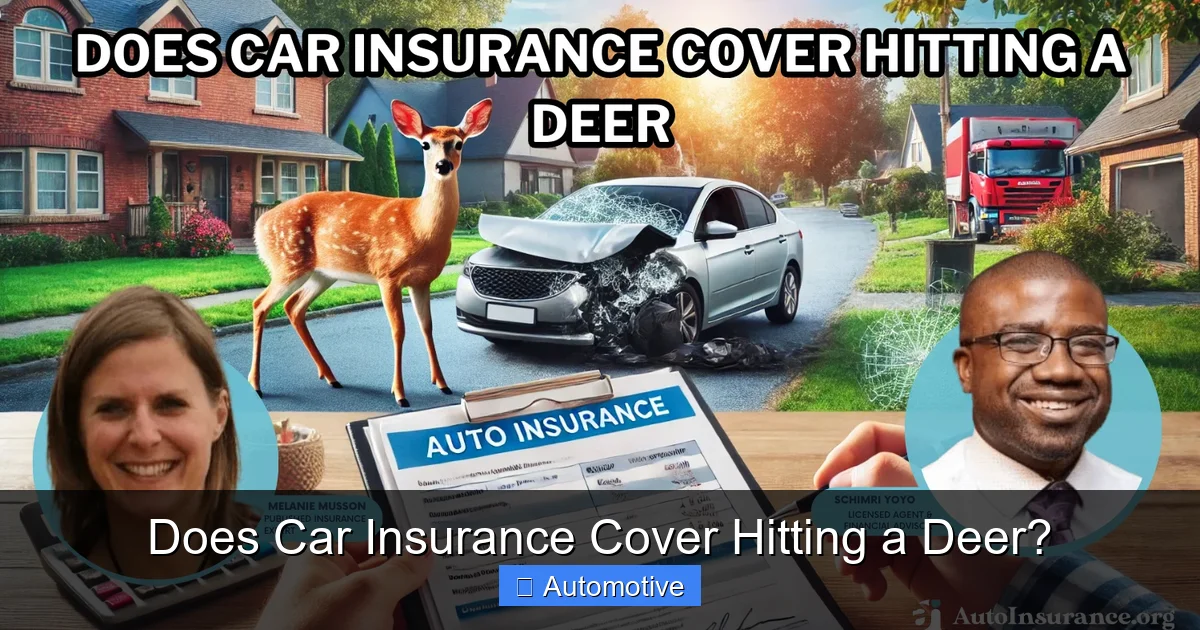
Visual guide about Does Car Insurance Cover Hitting a Deer?
Image source: autoinsurance.org
The cost of repairing a deer collision can vary widely depending on the severity of the impact, the make and model of your vehicle, and the parts needed. On average, drivers spend between $3,000 and $5,000 to fix damage from a deer strike. In extreme cases—especially if the airbags deploy or the frame is bent—costs can exceed $10,000.
Let’s look at a few real-world examples:
– **Minor damage:** A deer clips your front bumper, cracking the plastic and misaligning the headlight. Repair cost: $800–$1,200.
– **Moderate damage:** The deer hits head-on, damaging the hood, radiator, and grille. Repair cost: $2,500–$4,000.
– **Severe damage:** The impact shatters the windshield, deploys airbags, and bends the frame. Repair cost: $6,000–$10,000+.
These costs highlight why comprehensive coverage is so valuable. Without it, you could be on the hook for thousands of dollars. Even with a $500 deductible, having insurance can save you from financial strain.
Does Filing a Claim Increase Your Premium?
One of the biggest concerns drivers have is whether filing a claim will raise their insurance rates. The good news? **Deer collisions are generally considered “acts of nature”** and are not your fault. As a result, most insurers will not increase your premium after a single deer-related claim.
However, this can vary by insurer and state. Some companies may still adjust your rate if you file multiple claims in a short period, even if they’re all for comprehensive events. It’s always a good idea to ask your agent how a claim might affect your policy.
How to File a Claim After Hitting a Deer
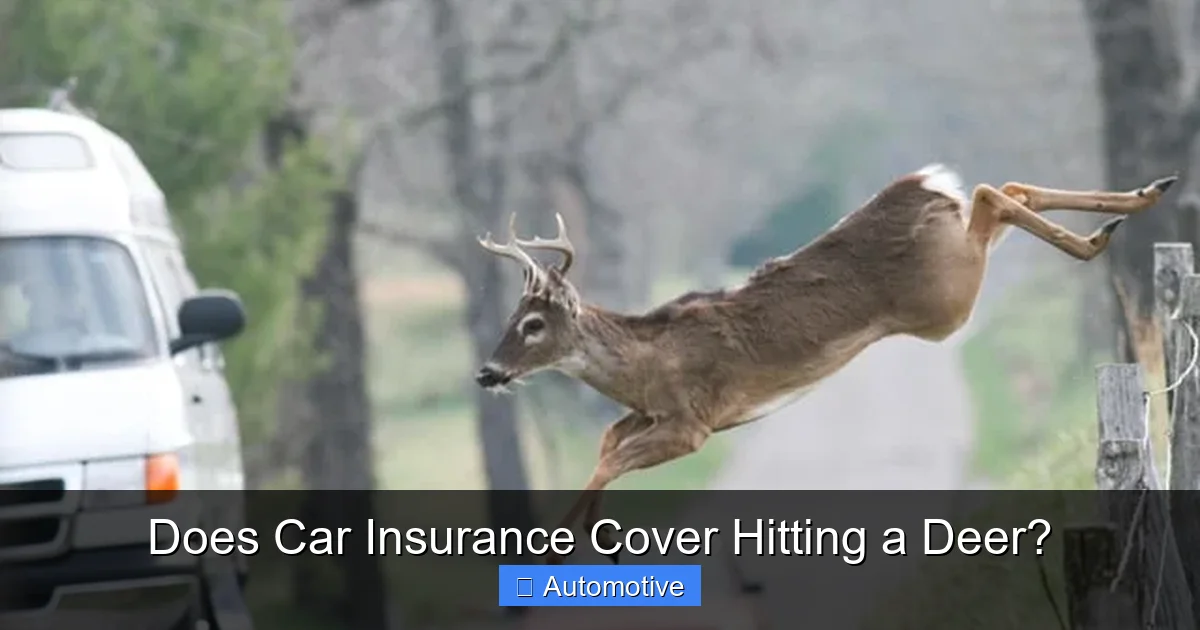
Visual guide about Does Car Insurance Cover Hitting a Deer?
Image source: plymouthrock.com
Filing a claim after a deer collision is similar to any other insurance claim, but there are a few key steps to ensure a smooth process.
Step 1: Ensure Safety First
Your safety and the safety of others is the top priority. If the deer is still alive and in the road, do not approach it. Deer can be unpredictable and dangerous, especially when injured. Call 911 or local law enforcement to report the hazard.
If your car is drivable, move it to the shoulder or a safe location. Turn on your hazard lights and set up warning triangles if you have them.
Step 2: Document the Scene
Take photos of the damage to your vehicle, the surrounding area, and any visible injuries. If possible, capture images of the deer (if it’s safe to do so) and the road conditions. This documentation can help support your claim and prevent disputes.
Also, note the time, date, and location of the accident. If there were witnesses, ask for their contact information.
Step 3: Contact Your Insurance Company
Call your insurer as soon as possible—most companies have 24/7 claim lines. Provide them with the details of the accident, including photos and a description of what happened.
Be honest and thorough. Don’t exaggerate or downplay the damage. Your insurer will likely send an adjuster to assess the vehicle, either at a repair shop or your home.
Step 4: Get a Police Report (If Required)
In some states, you’re required to file a police report for any accident involving significant damage or injury—even if it’s just with an animal. Even if it’s not required, a police report can strengthen your claim and provide an official record.
For example, in New York, you must report any accident causing more than $1,000 in damage. In rural areas with high deer populations, police may respond quickly to deer collisions to clear the road and assist drivers.
Step 5: Choose a Repair Shop
Most insurers allow you to choose your own repair shop, though some may recommend preferred providers. Get at least two estimates before proceeding. Make sure the shop is licensed and experienced with your vehicle’s make and model.
Once repairs are approved, your insurer will pay the shop directly (minus your deductible). You’ll only pay your out-of-pocket amount.
Tips to Avoid Hitting a Deer
While insurance can help after the fact, prevention is always better than repair. Here are some practical tips to reduce your risk of a deer collision.
Drive Cautiously During Peak Hours
Deer are most active at dawn and dusk—times when visibility is low and human activity is high. Slow down during these hours, especially in rural or wooded areas.
Use your high beams when there’s no oncoming traffic. High beams illuminate more of the road and can help you spot deer earlier. Just remember to dim them for other drivers.
Stay Alert in Deer-Prone Areas
Watch for deer crossing signs. These aren’t just suggestions—they mark areas with high deer activity. If you see one deer, slow down. Often, others are nearby.
Avoid using your phone or adjusting the radio when driving through these zones. Stay focused on the road.
Use Deer Deterrents
Some drivers install deer whistles on their vehicles. These emit a high-frequency sound that supposedly alerts deer to approaching cars. While studies on their effectiveness are mixed, they’re inexpensive and harmless to try.
Reflective tape or stickers on your bumper may also make your vehicle more visible to deer at night.
Brake, Don’t Swerve
If a deer jumps in front of you, experts recommend braking firmly and staying in your lane. Swerving can cause you to lose control, hit another vehicle, or crash into a tree.
Modern cars with electronic stability control and anti-lock brakes are better equipped to handle sudden stops. Trust your vehicle’s safety systems.
Consider Comprehensive Coverage
If you live in an area with frequent deer sightings, adding comprehensive coverage is a smart move. The average cost of comprehensive coverage is around $150–$300 per year—far less than the cost of a single deer collision repair.
What If the Deer Causes Other Damage?
Sometimes, a deer collision doesn’t just damage your car—it can affect property or cause injuries.
Damage to Other Property
If your car hits a deer and then crashes into a fence, mailbox, or building, your liability coverage may pay for the damage to the other property. However, your own vehicle repairs would still fall under comprehensive.
For example, if you hit a deer, swerve, and knock over a neighbor’s mailbox, your liability insurance would cover the mailbox repair (up to your policy limits), while comprehensive would cover your car.
Injuries to Passengers or Pedestrians
If someone is injured in the crash—whether a passenger in your car or a pedestrian—your medical payments coverage or personal injury protection (PIP) may help pay for their medical bills. Again, this depends on your policy and state laws.
In no-fault states, your own PIP coverage would pay for your injuries regardless of who caused the accident.
State-by-State Variations
Deer populations and insurance regulations vary by state, so it’s important to know your local risks.
States with the highest number of deer-vehicle collisions include:
– Pennsylvania
– Michigan
– Illinois
– Ohio
– Wisconsin
These states often have higher rates of comprehensive claims during fall and early winter—peak deer mating season.
Some states also have specific reporting requirements. For example, in Virginia, you must report any accident involving a deer if it causes injury or significant property damage.
Check with your state’s Department of Motor Vehicles or insurance department for local rules.
Conclusion
Hitting a deer is a scary, costly experience—but it doesn’t have to be a financial disaster. With the right insurance coverage, you can get your car repaired and get back on the road with minimal stress.
The key takeaway? **Comprehensive coverage is essential for protecting yourself against deer collisions.** If you don’t have it, now is the time to add it—especially if you live in a rural or wooded area.
Remember to drive cautiously during deer season, stay alert at dawn and dusk, and always report accidents promptly. And if the worst happens, document everything and contact your insurer right away.
By understanding your policy and taking preventive steps, you can reduce your risk and ensure you’re covered when life—and nature—throws a curveball your way.
Frequently Asked Questions
Does liability insurance cover hitting a deer?
No, liability insurance does not cover damage to your own vehicle when you hit a deer. It only pays for damage you cause to others’ property or injuries to other people.
Will my insurance go up if I file a claim for a deer collision?
Usually not. Deer collisions are considered “acts of nature” and are not your fault, so most insurers won’t raise your premium after a single claim.
Do I need to file a police report after hitting a deer?
It depends on your state and the extent of the damage. Some states require a report for accidents over a certain damage threshold, while others only require it if there are injuries or road hazards.
Can I choose my own repair shop after a deer collision?
Yes, in most cases you can choose any licensed repair shop. Your insurer may recommend preferred providers, but you’re not obligated to use them.
What if I swerve to avoid a deer and hit a tree?
In this case, comprehensive coverage would pay for the deer-related damage, while collision coverage would cover the damage from hitting the tree—each subject to its own deductible.
Are there times of year when deer collisions are more common?
Yes, deer are most active during mating season, which typically runs from October through December. Dawn and dusk are the highest-risk times for collisions.