
Do Tesla Windshields Crack Easily?

Do Tesla windshields crack easily? The answer is nuanced. While Tesla’s specialized laminated glass isn’t inherently more fragile, its large size, integrated sensors, and acoustic properties make repairs more complex and costly than standard windshields. Common causes like road debris and temperature stress apply to all cars, but Tesla owners often face higher replacement bills. Understanding proper care and insurance coverage is key to managing this unique aspect of EV ownership.
If you’re a Tesla owner or considering buying one, a question has likely crossed your mind: “Do Tesla windshields crack easily?” It’s a valid concern, fueled by anecdotes online and the undeniable fact that replacing a Tesla windshield isn’t cheap. The short answer is that Tesla windshields aren’t necessarily more prone to cracking than those on a Honda Civic or a Ford F-150. However, the consequences of a crack, the likelihood of it being repairable, and the final bill are a different story entirely. This isn’t just about glass; it’s about technology, design philosophy, and the unique economics of electric vehicle ownership. Let’s break down the myth, the reality, and what you can do to protect your investment.
Key Takeaways
- Tesla uses advanced laminated glass: Their windshields are multi-layered with acoustic film for noise reduction, not necessarily designed to be more crack-resistant than competitors.
- Crack causes are universal: Road debris (rock chips), extreme temperature changes, and pressure impacts affect Tesla windshields just like any other vehicle’s.
- Repair is often not an option: Due to the size, camera/sensor placement (Autopilot), and acoustic layer, many chips require a full, expensive replacement rather than a simple repair.
- Replacement costs are significantly higher: Expect to pay $1,000 – $2,500+ for a Tesla windshield replacement, largely due to the specialized glass and recalibration of ADAS sensors.
- Insurance and warranties are critical: Comprehensive coverage is essential. Some glass coverage policies or Tesla’s own warranty may help, but understand your specific terms and deductibles.
- Prevention is your best strategy: Maintain safe following distances, avoid gravel roads when possible, and address small chips immediately before they spread.
- Model differences matter: The Cybertruck’s armored glass is a radical exception, but Model S, 3, X, and Y all share similar high-cost windshield characteristics.
📑 Table of Contents
- The Tesla Windshield: It’s Not Just Glass
- Common Causes of Windshield Damage: Tesla vs. The World
- The High Cost of Replacement: Why It Hurts the Wallet
- Can You Repair a Tesla Windshield? The “Critical Area” Dilemma
- Model-by-Model Nuances and the Cybertruck Anomaly
- Protection and Prevention: Your Action Plan
- The Bottom Line: Managing Expectations
The Tesla Windshield: It’s Not Just Glass
To understand the crack question, we first need to appreciate what makes a Tesla windshield different. It’s a sophisticated component, not a simple pane of glass. Tesla utilizes a type of glass called laminated safety glass, which is standard on all modern vehicle windshields. This means two layers of glass with a plastic interlayer (usually PVB) bonded between them. In a severe impact, this interlayer holds the glass pieces together, preventing them from shattering into dangerous shards.
Acoustic Glass and Sound Dampening
Where Tesla goes further is in its emphasis on cabin quietness. Many Tesla models feature what is marketed as “acoustic glass” or “dual-pane glass.” This often means an additional layer of specialized acoustic film or a second pane of glass with an air gap, significantly reducing road and wind noise. This added complexity makes the windshield a more expensive, engineered part. It’s not designed to be unbreakable, but to create a serene, premium interior experience—a core part of the Tesla value proposition.
Sensor and Camera Integration: The Real Game-Changer
This is the most critical factor. Tesla’s Autopilot and Full Self-Driving (FSD) capabilities rely on a forward-facing camera, typically mounted just behind the rearview mirror, nestled in the top center of the windshield. This camera sees the road, reads signs, and tracks other vehicles. Around it are other sensors for automatic wipers, high beams, and collision warnings. The windshield is a primary structural component for this sensor suite.
For a crack to be a simple, insurable “chip repair,” it must be small, outside the “critical viewing area” (often defined as a 6-inch circle around the camera), and not cause optical distortion. Because the Tesla camera is so centrally located, a seemingly small chip right in its field of view can render the entire system inoperative until the windshield is replaced and the camera is recalibrated. This drastically reduces the number of repairable incidents.
Common Causes of Windshield Damage: Tesla vs. The World
The enemies of windshield integrity are the same for every car on the road. Blame the following:
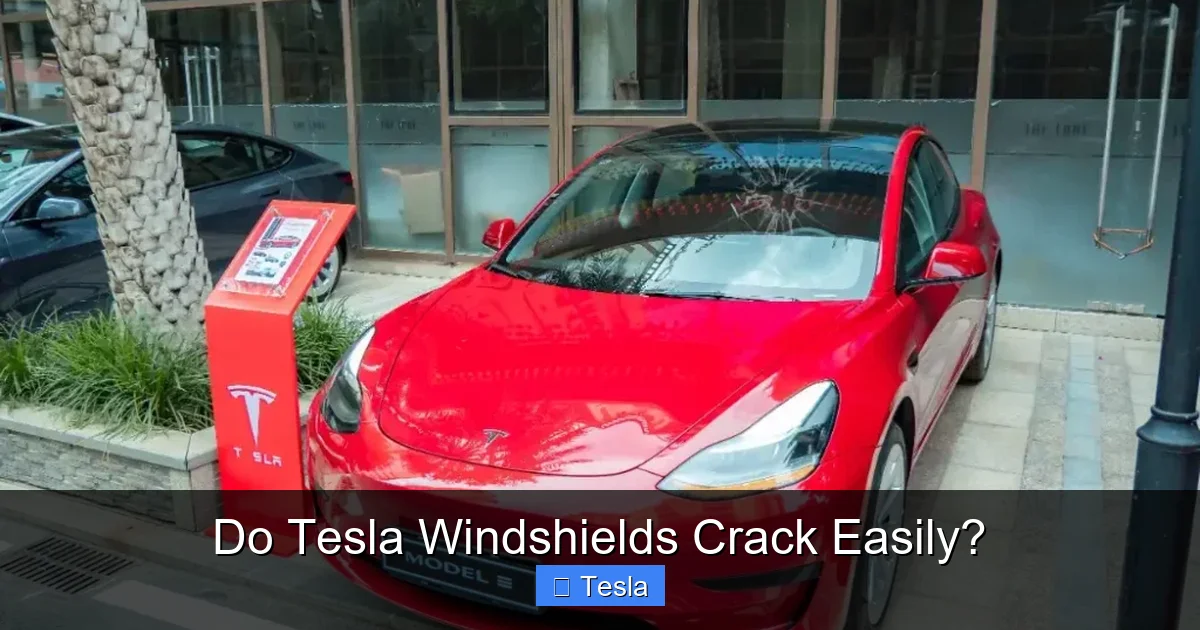
Visual guide about Do Tesla Windshields Crack Easily?
Image source: evseekers.com
- Road Debris (The #1 Culprit): Gravel, stones, and debris kicked up by other vehicles, especially on highways and rural roads. This causes the classic “star break” or “bullseye” chip.
- Temperature Stress: Sudden changes, like blasting the defroster on a frozen windshield or pouring cold water on a hot one, can cause existing micro-fractures to expand.
- Pressure Changes: Rapid pressure differentials (like driving through a car wash or a sudden gust of wind) can rarely cause cracks, but this is uncommon.
- Accidents and Vandalism: Obvious causes, but relevant.
So, do Teslas encounter more debris? There’s no evidence they do. However, the Tesla’s aerodynamic design and large, sloping front end might slightly alter how air and debris flow over the hood. Some owners speculate the low, sleek nose of a Model 3 or Model Y may allow more small stones to hit the lower portion of the windshield compared to a taller, more upright SUV. But this is anecdotal and not scientifically proven. The real difference lies in what happens after the impact.
The High Cost of Replacement: Why It Hurts the Wallet
Here’s where the rubber meets the road—or rather, the rock chip meets the wallet. A standard replacement on a non-ADAS vehicle might cost $300-$600. For a Tesla? Prepare for $1,000 to $2,500 or more at an official Tesla service center or certified shop. Why the astronomical difference?
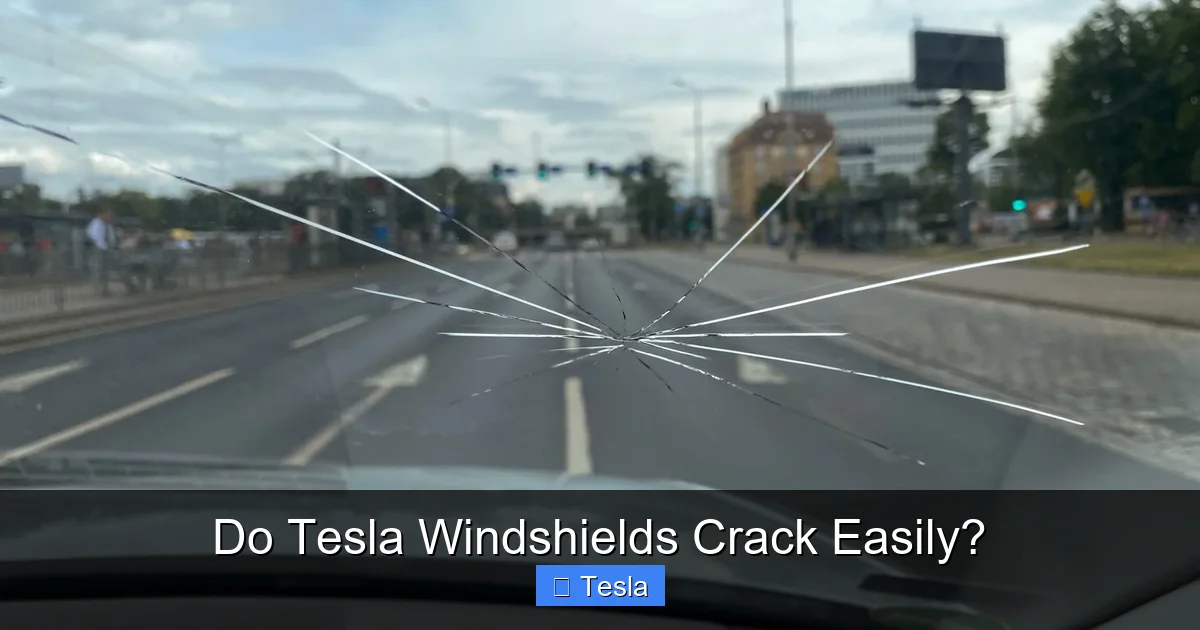
Visual guide about Do Tesla Windshields Crack Easily?
Image source: ieabp.com
1. Specialized, OEM-Only Glass
Tesla tightly controls its parts. The windshield is a Tesla-specific part number. It’s not an off-the-shelf item you can get from a local glass shop. It must be sourced from Tesla or an authorized remanufacturer, which comes at a premium. The acoustic and sensor-embedded features are proprietary.
2. The Calibration Tax
After replacement, the forward-facing camera and all windshield-mounted sensors must be recalibrated. This is a non-negotiable, technical procedure. It requires specialized diagnostic tools (Tesla’s own software or expensive third-party systems) and a trained technician. The process can take 30 minutes to several hours. This calibration service is a significant line item on the invoice, often costing several hundred dollars on its own. If done incorrectly, Autopilot functions may not work properly, creating a safety risk. This is a key reason why you should never use a random “windshield guy” for a Tesla; you need a shop with Tesla-specific calibration capabilities.
3. Labor and Logistics
Removing and installing a Tesla windshield is more involved. Technicians must be careful not to damage the camera housing, the headliner, or the adhesive seals. The car often needs a software reset or system check post-installation. Furthermore, getting the part from Tesla can involve wait times, adding to the inconvenience and potential rental car costs.
For a concrete look at the financial impact, you can research current prices for how much to replace a Tesla window, which includes windshield specifics. While that article may cover side windows, the principles of OEM parts and specialized labor are identical and highlight the general cost structure for Tesla glass.
Can You Repair a Tesla Windshield? The “Critical Area” Dilemma
Yes, but with major caveats. A repair is only possible if:
- The chip or crack is very small (typically less than the size of a quarter).
- It is located outside the direct line of sight of the forward-facing camera. This is the biggest limiting factor. A chip at the bottom edge might be repairable; one at the top center almost certainly is not.
- There is no damage to the outer layer of glass (only the inner layer is affected in a repairable “crack”).
- The structural integrity of the windshield is not compromised.
A reputable auto glass shop will assess this. If the chip is in a repairable zone, they will inject a clear resin into the damage to prevent it from spreading. This is much cheaper than a replacement ($100-$200) and maintains the original factory seal and calibration. Act fast. Dirt and moisture can get into the chip, making a repair ineffective or impossible within days. Do not wash the car or use the wipers over the chip.
Model-by-Model Nuances and the Cybertruck Anomaly
While the core principles are the same across the Tesla lineup, there are minor variations:
Visual guide about Do Tesla Windshields Crack Easily?
Image source: ymods.com.au
- Model S & Model X: These have the largest windshields (especially the panoramic front glass on the X). Their age means more older cars on the road with potential for wear, but the replacement cost structure is similar.
- Model 3 & Model Y: These are the most common. Their cost structure is well-documented. The sensor suite is identical in layout. The Y’s slightly higher seating position might marginally change the angle of impact for some debris, but it’s negligible.
- The Cybertruck: This is the wild card. Its “armored glass” is a completely different beast, designed to withstand significant impact. While not indestructible (as the 2019 demo famously showed), it’s orders of magnitude tougher than a standard laminated windshield. Cracking “easily” is not a phrase associated with it. However, if it does sustain damage, the cost would likely be even more extreme due to its unique, custom nature and limited supply of replacement panels.
Protection and Prevention: Your Action Plan
You can’t wrap your Tesla in a bubble, but you can adopt smart habits:
- Increase Following Distance: This is the #1 tip. Giving the car in front more space dramatically reduces the chance of catching its thrown gravel. On highways, aim for at least 4 seconds of following distance.
- Be Wary of Construction Zones and Gravel Roads: These are hazard zones. Slow down and be extra vigilant. If you frequently drive on gravel, consider a protective bra or film for the leading edge of the hood and front bumper, which can deflect some debris.
- Park Strategically: Avoid parking directly under trees where sap or falling branches are a risk. If possible, park in a garage or use a car cover.
- Address Chips IMMEDIATELY: The moment you see a chip, get it looked at. Schedule a repair assessment within 24-48 hours. Time is the enemy.
- Consider a High-Quality PPF Wrap: A full front-end Paint Protection Film (PPF) wrap often includes the leading edge of the hood and sometimes the windshield’s lower section. While it won’t stop a direct, high-velocity hit to the glass, it can absorb smaller impacts and protect the paint from chips, which is a related concern.
- Review Your Insurance: Ensure you have comprehensive coverage with a low or $0 deductible for glass. Some insurers offer specific “glass coverage” endorsements. Read your policy. Know if Tesla’s New Vehicle Limited Warranty covers windshield cracks (it generally does not for impact damage, but may for defects).
The Bottom Line: Managing Expectations
So, do Tesla windshields crack easily? The evidence suggests they are no more susceptible to the initial impact than any other car’s. A stray stone on the highway doesn’t discriminate. However, the aftermath is what defines the Tesla experience. The integration of critical safety technology means a small crack often leads to a large, mandatory expense. This isn’t a flaw; it’s a trade-off. You get a car with a whisper-quiet cabin and advanced driver-assistance systems, and part of that package is a complex, expensive windshield.
The best approach is informed preparedness. Understand your repair options, have a trusted auto glass provider who knows Teslas, verify your insurance coverage, and drive defensively to avoid debris in the first place. For those concerned about long-term costs, researching the cost of PPF for a Tesla can be part of a holistic protection strategy for the entire front end. Ultimately, a cracked windshield is an unwelcome but manageable part of Tesla ownership, not a sign of inherent weakness in the glass itself.
Frequently Asked Questions
Are Tesla windshields more fragile than other cars?
No, the laminated glass itself is not more fragile. The perceived fragility comes from the high cost and complexity of replacement due to embedded sensors and cameras, not a propensity to crack more easily from road debris.
Can a small chip in a Tesla windshield always be repaired?
No. If the chip is located in the “critical area” where the forward-facing Autopilot camera is mounted, a repair is usually not possible. Repair is only an option for chips outside the camera’s direct field of view and meeting size criteria.
How much does it typically cost to replace a Tesla windshield?
Expect to pay between $1,000 and $2,500 or more at a Tesla service center or authorized body shop. This high cost includes the proprietary OEM windshield, labor, and the mandatory recalibration of all windshield-mounted sensors and cameras.
Does Tesla warranty cover windshield cracks?
Tesla’s New Vehicle Limited Warranty does not cover windshield damage caused by external factors like road debris (impact damage). It may cover cracks due to manufacturing defects. For impact damage, you must rely on your comprehensive auto insurance.
What happens if I ignore a small chip in my Tesla windshield?
Temperature changes, driving vibrations, and moisture will almost certainly cause the chip to spread into a larger crack. This will make a repair impossible and force a full, expensive replacement. It can also obstruct your view and potentially disable Autopilot functions if it spreads into the camera’s view.
Is it safe to drive with a cracked Tesla windshield?
It is unsafe and often illegal to drive with a crack that impairs your vision. Furthermore, a crack in the sensor area will likely trigger warnings and disable Autopilot, collision warning, and automatic wipers until the windshield is replaced and recalibrated.
