

Do Road Bike Helmets Expire: When To Replace Yours

Contents
- 1 Do road bike helmets expire?
- 2 Why do road bike helmets expire?
- 3 How long do road bike helmets last?
- 4 Signs your helmet needs replacing
- 5 What standards and crash rules say
- 6 How to extend helmet life safely
- 7 Disposal, recycling, and responsible replacement
- 8 Common myths and misconceptions
- 9 Personal experience and tips I trust
- 10 Common quick questions (PAA-style)
- 11 Frequently Asked Questions of do road bike helmets expire
- 12 Conclusion
Car Phone Holder

Radiator Coolant

Multipurpose Lubricant Spray

Portable Work Light
Yes — road bike helmets expire; most makers advise replacing them every three to five years.
I’ve worked with riders and tested helmets for years, and I can tell you exactly why the question do road bike helmets expire matters. This article explains how helmets age, what to watch for, how long most helmets last, and practical steps to keep your head safe. Read on for clear, expert-backed advice and real-world tips you can use today.

Do road bike helmets expire?
Manufacturers and safety experts agree that road bike helmets do expire. The hard shell and impact-absorbing foam both change over time. Exposure to sunlight, sweat, oils, and small knocks weakens the foam. For that reason, most makers set a recommended replacement window.
Common guidance is to replace a helmet every three to five years even if it looks fine. If you crash while wearing the helmet, replace it right away. Regular checks and simple care can keep a helmet safe for its intended lifespan.

Why do road bike helmets expire?
Helmets are not like a metal bike frame. They rely on foam and glued parts. The foam that absorbs impact compresses on impact and can slowly degrade with age.
Sunlight wears down plastics and foam through UV damage. Sweat and body oils can break down liners and straps. Small drops or repeated minor impacts can create invisible micro-cracks. Over time, the helmet’s ability to manage crash energy drops.
How long do road bike helmets last?
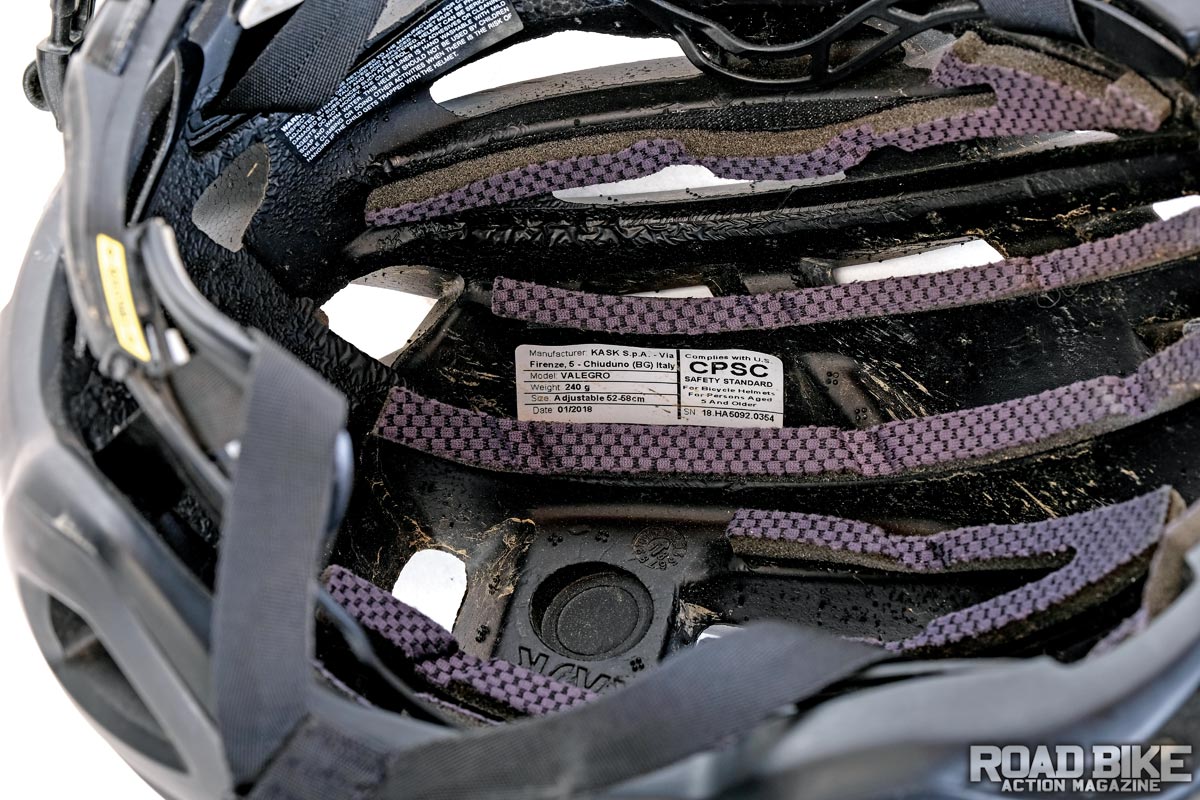
Most manufacturers recommend replacing road bike helmets every three to five years. Some brands say three years for heavy use and five for low use. Standards and testing labs set guidelines based on material aging and performance.
A helmet that sits unused in a dark closet may last longer in practice. But regular exposure to sun and sweat shortens that time. If you’re unsure, use three years as a safe baseline for frequent riders.

Signs your helmet needs replacing
Look for clear signs so you don’t guess. Replace a helmet if you see any of these.
- Cracks in the outer shell or foam that are visible or feel sharp.
- Compression dents in the EPS foam or crushed areas under the shell.
- Loose or frayed straps, damaged buckles, or missing padding.
- A recent crash, even if there is no visible damage.
- A loose fit that can’t be fixed by adjusting the fit system.
If you find any of these, do not try to DIY-repair the core foam. Replace the helmet.

What standards and crash rules say
Helmet safety standards focus on energy absorption and retention of shell integrity. Testing labs use fresh helmets for tests. They do not certify an indefinite lifespan for used helmets.
Because labs test new units, manufacturers set replacement windows to cover material aging. The safest approach follows manufacturer guidance and national standards—replace after a crash or within the recommended time.
How to extend helmet life safely
Good care helps you get the full lifespan. Here are practical steps:
- Store the helmet in a cool, dry place away from direct sunlight.
- Rinse sweat out after long rides and air-dry liners.
- Use mild soap and water for cleaning, never harsh chemicals or petroleum-based cleaners.
- Replace worn pads and straps; keep original buckles in good shape.
- Don’t hang heavy objects from the helmet or store it under tools or sharp items.
These habits slow down foam and strap breakdown. They do not make a helmet last forever, but they help reach the expected service life.

Disposal, recycling, and responsible replacement
Throwing helmets in the trash is common, but better options exist. Many communities and bike shops run recycling or take-back programs. Some manufacturers accept old helmets for recycling.
If recycling is not available, remove padding and straps and dispose of components responsibly. Mark the shell “DO NOT USE” before donating or gifting it for non-protective uses, like a planter or craft.
Common myths and misconceptions
Let’s clear up frequent myths about do road bike helmets expire and safety.
- Myth: If a helmet looks fine, it’s good forever. Reality: Internal foam damage can be invisible.
- Myth: Only big crashes matter. Reality: Even small knocks can reduce protective ability over time.
- Myth: You can fix a crushed foam with glue. Reality: Repairs can’t restore energy absorption.
- Myth: If you don’t ride often, you don’t need to replace a helmet. Reality: Age and UV exposure still matter.
Knowing these myths helps riders make safer choices.

Personal experience and tips I trust
I’ve replaced my helmet twice in five years. The first time was after a spill where the shell had only a small scratch. The second was after three summers of daily training and saltwater air near the coast. Both times I noticed straps and pads failing before the shell looked wrong.
Lessons I learned:
- Keep a helmet log: note purchase date and major incidents.
- Take photos after any crash for insurance and safety checks.
- Buy a helmet with replaceable pads and a solid warranty.
These small habits keep me safer and save time deciding when to replace a helmet.
Common quick questions (PAA-style)
Do road bike helmets expire if never used?
Even unused helmets age. Foam and glue degrade slowly. Store them properly and use the manufacturer’s time window.
Can UV light ruin my helmet?
Yes. UV breaks down plastics and foam. Avoid long sun exposure and store helmets indoors.
Is it safe to buy a used helmet?
Used helmets are risky. You can’t verify crash history or internal damage. It’s safer to buy new.
Frequently Asked Questions of do road bike helmets expire
Do road bike helmets expire after one crash?
Yes. Helmets should be replaced after any crash that impacts the helmet. Even if damage is not visible, the foam may be compromised.
How often should I replace a road bike helmet if I ride daily?
Replace it every three years as a conservative rule for daily riders. Heavy sun or sweat exposure may shorten this.
Can I fix a broken helmet with glue or tape?
No. Repairs cannot restore the helmet’s crash energy absorption. Replace the helmet instead of attempting repairs.
Does helmet age vary by material or brand?
Yes. Some helmets use different foams and liner systems. Follow the specific manufacturer recommendation for each model.
Are there recycling options for old helmets?
Yes. Some manufacturers and local programs accept old helmets for recycling. If none exist, separate parts and dispose responsibly.
Conclusion
Helmets do expire. The foam and materials degrade with time, use, and exposure, so follow manufacturer guidance and replace helmets after crashes or within three to five years. Track your helmet’s age, care for it well, and replace it when signs of wear appear. Make safety a habit: check your helmet, log purchase dates, and swap an old helmet for a new one when in doubt. If this helped, leave a comment with your helmet care tips or subscribe for more practical cycling safety advice.


