
Do I Have to Use Subaru Coolant?

You don’t technically *have* to use Subaru coolant, but using the manufacturer-recommended formula is strongly advised to protect your engine, maintain warranty coverage, and ensure long-term reliability. Generic or incompatible coolants can cause corrosion, overheating, and costly damage—so it’s worth investing in the right stuff.
Key Takeaways
- Subaru specifies a unique coolant formula designed for its aluminum engine components and specific operating conditions.
- Using non-Subaru coolant risks corrosion and leaks, especially in the radiator, water pump, and head gaskets.
- Mixing coolants can cause chemical reactions that reduce effectiveness and form harmful sludge.
- Warranty claims may be denied if damage is traced to improper coolant use.
- Subaru Genuine Coolant meets strict OEM standards for freeze protection, boil-over resistance, and additive packages.
- Topping off with the wrong coolant is a common mistake—always check your owner’s manual first.
- Third-party coolants labeled “compatible” aren’t always safe—look for explicit Subaru approval or equivalent specs.
📑 Table of Contents
- Do I Have to Use Subaru Coolant? The Short Answer
- Why Subaru Recommends Its Own Coolant
- What Happens If You Use the Wrong Coolant?
- Can You Use Third-Party Coolants?
- How to Check and Maintain Your Subaru’s Cooling System
- Cost Comparison: Subaru Coolant vs. Generic
- Final Verdict: Should You Use Subaru Coolant?
Do I Have to Use Subaru Coolant? The Short Answer
Let’s cut to the chase: No, you don’t *legally* have to use Subaru-branded coolant in your car. Your Subaru won’t call the police if you pour in a generic green coolant from the local auto parts store. But just because you *can* doesn’t mean you *should*.
Modern vehicles—especially Subarus—are engineered with precision. Every component, from the pistons to the radiator, is designed to work together under specific conditions. Coolant isn’t just “antifreeze”; it’s a complex chemical cocktail that protects your engine from freezing in winter, boiling over in summer, and corroding from the inside out year-round. Subaru has developed its own coolant formulation to match the unique materials and thermal demands of its horizontally opposed (boxer) engines, which run hotter and have tighter tolerances than many other engine designs.
Using the wrong coolant might seem like a small thing—after all, it’s just fluid, right? But over time, even minor chemical mismatches can lead to big problems: clogged radiators, failed water pumps, warped cylinder heads, and expensive repairs that could’ve been avoided. So while Subaru coolant isn’t mandatory by law, it’s highly recommended by mechanics, engineers, and anyone who wants their Subaru to last 200,000+ miles.
Why Subaru Recommends Its Own Coolant
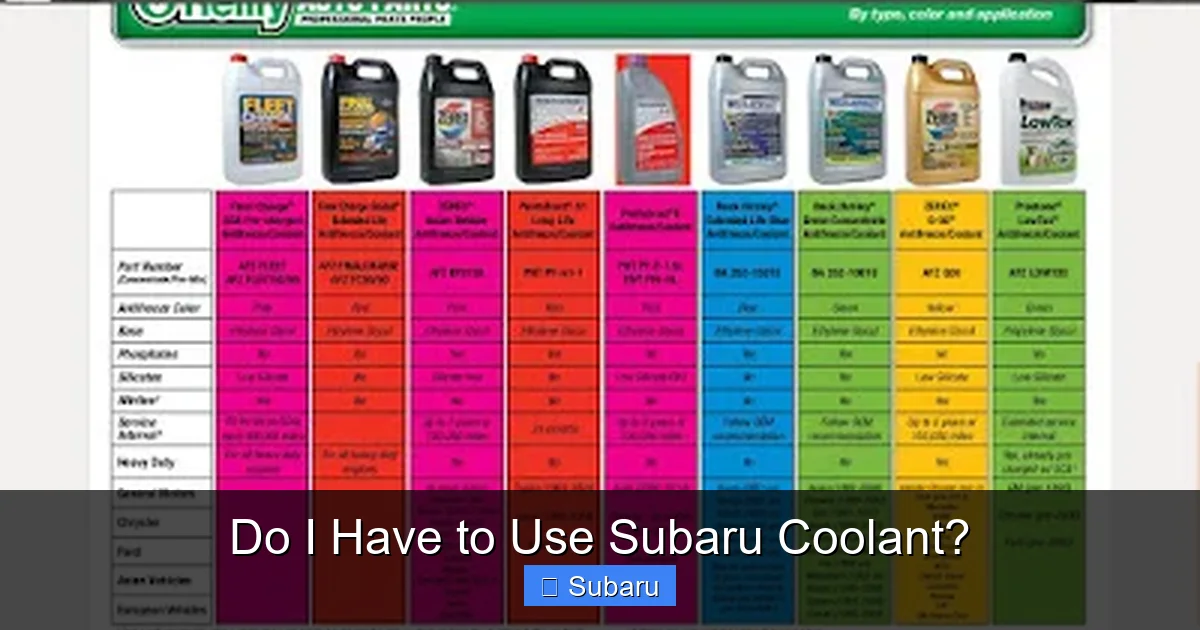
Visual guide about Do I Have to Use Subaru Coolant?
Image source: lh3.googleusercontent.com
Subaru doesn’t just make cars—they engineer entire systems. That includes the cooling system, which is critical for maintaining optimal engine temperature. Subaru’s Genuine Coolant (often labeled as “Subaru Super Coolant” or “Subaru Extended Life Coolant”) is formulated specifically for Subaru engines, which feature all-aluminum construction in many key areas, including cylinder heads and engine blocks.
Aluminum Compatibility Matters
Aluminum is lightweight and excellent at dissipating heat—but it’s also prone to corrosion when exposed to certain chemicals. Generic coolants often use additive packages optimized for cast-iron engines, which can be too aggressive for aluminum parts. Subaru’s coolant includes specialized corrosion inhibitors that protect aluminum surfaces without compromising performance. This is especially important in the water jacket passages, thermostat housing, and radiator tubes—all areas where corrosion can lead to leaks or blockages.
Optimized for Boxer Engines
Subaru’s signature boxer engine layout means cylinders lie flat, side by side. This design creates unique airflow and cooling challenges. The coolant must flow efficiently through tight spaces and maintain stable temperatures across all four (or six) cylinders. Subaru’s coolant is tested to perform under these conditions, ensuring even heat distribution and preventing hot spots that can cause detonation or warping.
Long-Life Formulation
Many Subarus come factory-filled with extended-life coolant that’s designed to last up to 100,000 miles or 10 years—whichever comes first. This isn’t just marketing hype. The additive package in Subaru coolant includes organic acid technology (OAT), which provides long-lasting protection without the need for frequent supplemental additives. Generic coolants often use traditional inorganic additives (IAT) that degrade faster and require more frequent changes.
Warranty and Resale Value
If you’re still under factory warranty, using non-approved coolant could void coverage for cooling system-related repairs. Dealerships can often trace coolant contamination or improper maintenance through fluid analysis. Even after warranty expires, using OEM coolant helps maintain your car’s resale value. Buyers (and dealers) appreciate documented use of manufacturer-recommended fluids.
What Happens If You Use the Wrong Coolant?
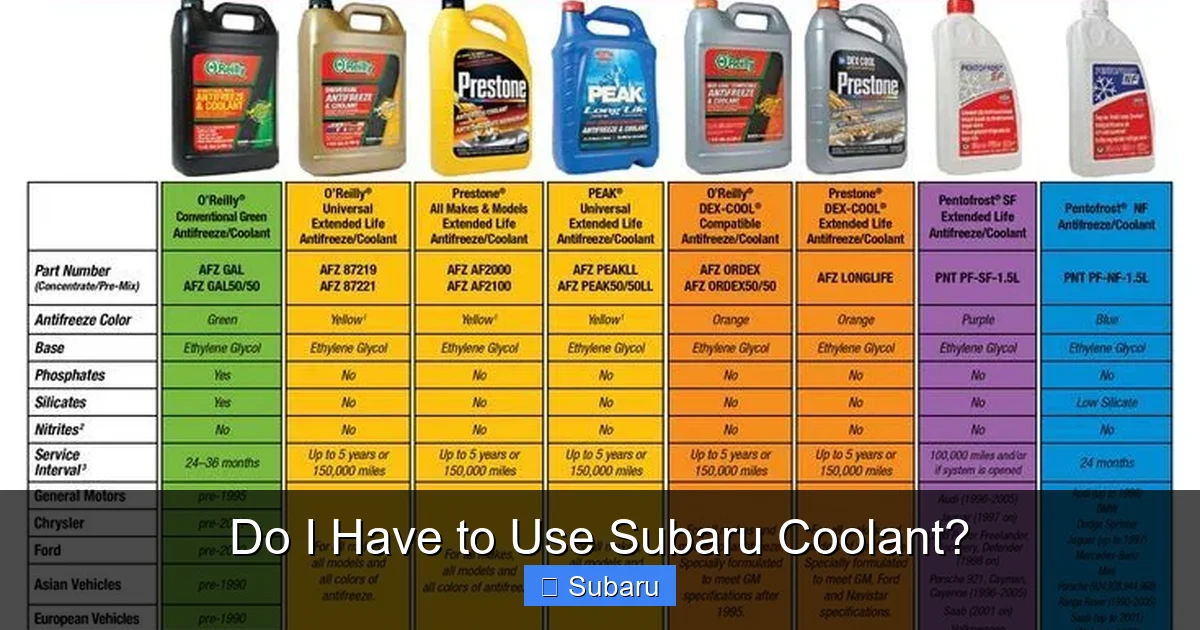
Visual guide about Do I Have to Use Subaru Coolant?
Image source: i.pinimg.com
It’s easy to assume all coolants are created equal—after all, they’re all colorful liquids that go in the radiator, right? Wrong. Using the wrong coolant—or mixing incompatible types—can trigger a cascade of problems that start small but grow into major headaches.
Corrosion and Scale Buildup
The most common issue with incorrect coolant is internal corrosion. Without the right inhibitors, metal components begin to rust and degrade. Aluminum parts are especially vulnerable. Over time, this corrosion leads to pitting, leaks, and reduced heat transfer. You might notice coolant stains under your car, a sweet smell from the cabin (indicating a heater core leak), or even white, chalky deposits around hose connections.
Scale buildup is another risk. Some coolants contain phosphates or silicates that can precipitate out of solution when mixed with incompatible formulas, forming a gritty sludge. This sludge clogs narrow coolant passages, reduces flow, and can cause overheating—even if the thermostat and water pump are working fine.
Foaming and Air Pockets
Coolant also acts as a lubricant for the water pump. If the wrong type is used, it may not maintain proper viscosity or anti-foaming properties. Foam reduces heat transfer efficiency and can create air pockets in the system. These pockets prevent coolant from reaching critical areas, leading to localized overheating. You might see erratic temperature gauge readings or experience intermittent overheating, especially at idle.
Gasket and Seal Damage
Head gaskets in Subarus are already under stress due to the boxer engine design. Using incompatible coolant can accelerate degradation of rubber seals and gaskets. The result? Coolant mixing with engine oil (milky residue on the dipstick) or combustion gases entering the cooling system (bubbles in the overflow tank). Both scenarios are serious and often require expensive repairs.
Radiator and Heater Core Clogs
The radiator and heater core are made of thin aluminum fins and tubes. Corrosive coolants or chemical incompatibilities can eat away at these delicate parts. A clogged radiator reduces cooling capacity, while a blocked heater core means no heat in winter—and potentially costly replacement jobs.
Real-World Example: The $2,500 Mistake
Consider this scenario: A 2015 Subaru Outback owner tops off the coolant with a cheap green ethylene glycol mix from a discount store. Six months later, the car starts overheating. The mechanic finds sludge in the radiator and corrosion in the water pump. The repair? Radiator replacement, water pump swap, flush, and new coolant—totaling over $2,500. The owner thought they were saving $15 on coolant. Instead, they paid 160 times more in repairs.
Can You Use Third-Party Coolants?
Visual guide about Do I Have to Use Subaru Coolant?
Image source: i.ytimg.com
This is where things get tricky. Not all third-party coolants are bad—but many aren’t truly compatible with Subaru systems. The key is understanding what “compatible” really means.
Look for OEM Specifications
Subaru coolant meets specific technical standards, such as:
– Subaru Spec: SOA868V9110 (for newer models)
– ASTM D3306 and D4985 (international standards)
– OAT-based formulation with no phosphates or silicates
If a third-party coolant explicitly states it meets these specs—and preferably lists Subaru approval—it may be safe to use. Brands like Zerex G-48, Peak Extended Life, or Prestone Max often offer Subaru-compatible formulas. But always double-check the label and, if possible, consult your owner’s manual or a Subaru technician.
Beware of “Universal” or “All-Makes” Claims
Many coolants advertise as “safe for all vehicles.” While technically true in the sense that they won’t immediately destroy your engine, they may not provide optimal protection. Universal coolants often use hybrid additive packages that try to cover too many bases, resulting in compromised performance. They might work in a pinch for a top-off, but they’re not ideal for full-system flushes or long-term use.
Color Isn’t a Reliable Indicator
Don’t rely on color to determine compatibility. Subaru coolant is typically blue or pink (depending on the model year), but so are many generic coolants. Color is added for identification, not performance. Two coolants that look identical can have wildly different chemical compositions. Always read the label, not the hue.
When Third-Party Might Be Acceptable
In emergencies—like a roadside breakdown with low coolant—using a compatible third-party coolant for a temporary top-off is better than overheating. But you should flush and refill with proper Subaru coolant at the earliest opportunity. Never mix different coolant types unless the manufacturer confirms they’re compatible.
How to Check and Maintain Your Subaru’s Cooling System
Even if you use the right coolant, regular maintenance is essential. Coolant degrades over time, loses its protective properties, and can become contaminated. Here’s how to keep your Subaru’s cooling system in top shape.
Check Coolant Level Regularly
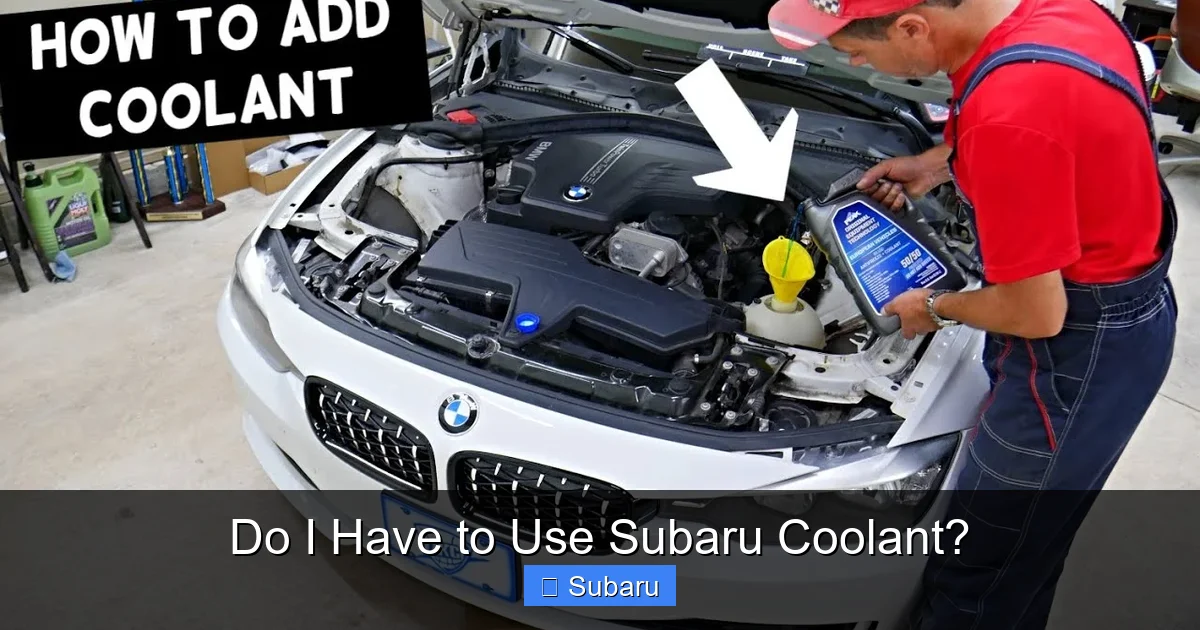
Pop the hood and locate the coolant reservoir (usually a translucent plastic tank near the radiator). With the engine cold, check that the fluid level is between the “MIN” and “MAX” marks. If it’s low, top it off—but only with the correct type. Never open the radiator cap when the engine is hot; pressurized coolant can cause severe burns.
Inspect for Leaks and Damage
Look under the car for puddles or stains. Check hoses for cracks, bulges, or soft spots. Inspect the radiator for bent fins or corrosion. A simple visual inspection every few months can catch problems early.
Test Coolant Condition
Use a coolant test strip or refractometer to check freeze point, pH, and additive levels. Most auto parts stores sell inexpensive test kits. If the coolant is acidic (low pH), cloudy, or has a burnt smell, it’s time for a change.
Follow the Maintenance Schedule
Refer to your owner’s manual for coolant replacement intervals. Most Subarus recommend a full coolant flush and refill every 60,000 to 100,000 miles, depending on the model and year. Don’t skip this—degraded coolant is a silent killer of engines.
Use a Proper Flush Procedure
When replacing coolant, don’t just drain and refill. Use a cooling system flush solution to remove old deposits and contaminants. Run the engine with the flush, then drain completely before adding fresh coolant. Always bleed air from the system by running the engine with the heater on and the radiator cap off (when cool).
Keep Records
Document coolant changes, including date, mileage, and type used. This helps with warranty claims, resale value, and tracking maintenance history.
Cost Comparison: Subaru Coolant vs. Generic
One reason people consider generic coolants is cost. Subaru Genuine Coolant typically costs $15–$25 per quart, while generic brands may be $5–$10. On the surface, that seems like a big difference. But consider the long-term value.
Cost Per Mile Analysis
Assume your Subaru needs a 2-quart coolant change every 60,000 miles.
– Subaru Coolant: $50 for 2 quarts → $0.00083 per mile
– Generic Coolant: $20 for 2 quarts → $0.00033 per mile
The upfront savings is just $30 per change. Over 180,000 miles (three changes), you save $90. But if the cheaper coolant causes a $2,500 radiator or water pump failure, you’ve lost big.
Peace of Mind and Reliability
Subaru coolant is tested and approved by the manufacturer. It’s formulated for your specific engine. Generic coolants vary in quality, and even “compatible” ones may not perform as well under extreme conditions. For less than the cost of a dinner out, you’re buying protection, reliability, and warranty compliance.
Where to Buy Subaru Coolant
You can purchase Subaru Genuine Coolant at:
– Subaru dealerships (most reliable source)
– Authorized online retailers (e.g., SubaruPartsDeal.com)
– Some auto parts stores (check for genuine packaging)
Avoid counterfeit products sold on auction sites or unverified sellers. Look for sealed containers with Subaru branding and part numbers.
Final Verdict: Should You Use Subaru Coolant?
The answer is clear: **Yes, you should use Subaru coolant—or a verified equivalent—whenever possible.** While it’s not illegal to use other brands, the risks far outweigh the savings. Your Subaru’s engine is a precision instrument, and the cooling system is its lifeline. Using the wrong coolant is like putting low-grade fuel in a high-performance sports car—it might run for a while, but it won’t last.
Subaru coolant is engineered for your vehicle’s unique needs. It protects aluminum components, resists corrosion, maintains proper pH, and works seamlessly with your engine’s design. It also helps preserve your warranty and resale value. Generic coolants might seem like a bargain, but they can lead to costly repairs, reduced performance, and shortened engine life.
Think of coolant like medicine: you wouldn’t take a random pill because it “looks similar” to your prescription. Your car deserves the same care. Invest in the right fluid, follow the maintenance schedule, and your Subaru will reward you with decades of reliable service.
Remember: It’s not just about avoiding problems—it’s about optimizing performance, efficiency, and longevity. So the next time you’re tempted to grab the cheapest coolant on the shelf, ask yourself: Is $10 worth risking a $2,000 repair? For most Subaru owners, the answer is a resounding no.
Frequently Asked Questions
Can I mix Subaru coolant with other brands?
It’s not recommended. Mixing coolants can cause chemical reactions that reduce effectiveness or form sludge. If you must top off, use the same type or a verified compatible formula. Always flush the system if switching brands.
What color is Subaru coolant?
Subaru coolant is typically blue or pink, depending on the model year and region. Older models may use green coolant, but newer Subarus (2010+) generally use blue or pink extended-life formulas. Always check your owner’s manual.
How often should I change Subaru coolant?
Most Subarus require a coolant change every 60,000 to 100,000 miles, or every 5 to 10 years. Refer to your owner’s manual for the exact interval for your specific model and year.
Can I use water instead of coolant in an emergency?
Only as a last resort. Pure water lacks antifreeze and corrosion protection. If you must use water temporarily, replace it with proper coolant as soon as possible and flush the system to avoid damage.
Will using non-Subaru coolant void my warranty?
It can. If a cooling system failure is traced to improper coolant use, the dealership may deny warranty coverage. Always use manufacturer-approved fluids to protect your warranty.
Is Subaru coolant the same as Honda or Toyota coolant?
No. Each manufacturer develops coolant for its specific engine materials and operating conditions. Subaru coolant is formulated for aluminum boxer engines and should not be assumed compatible with other brands.