Corrosion on a Car Battery
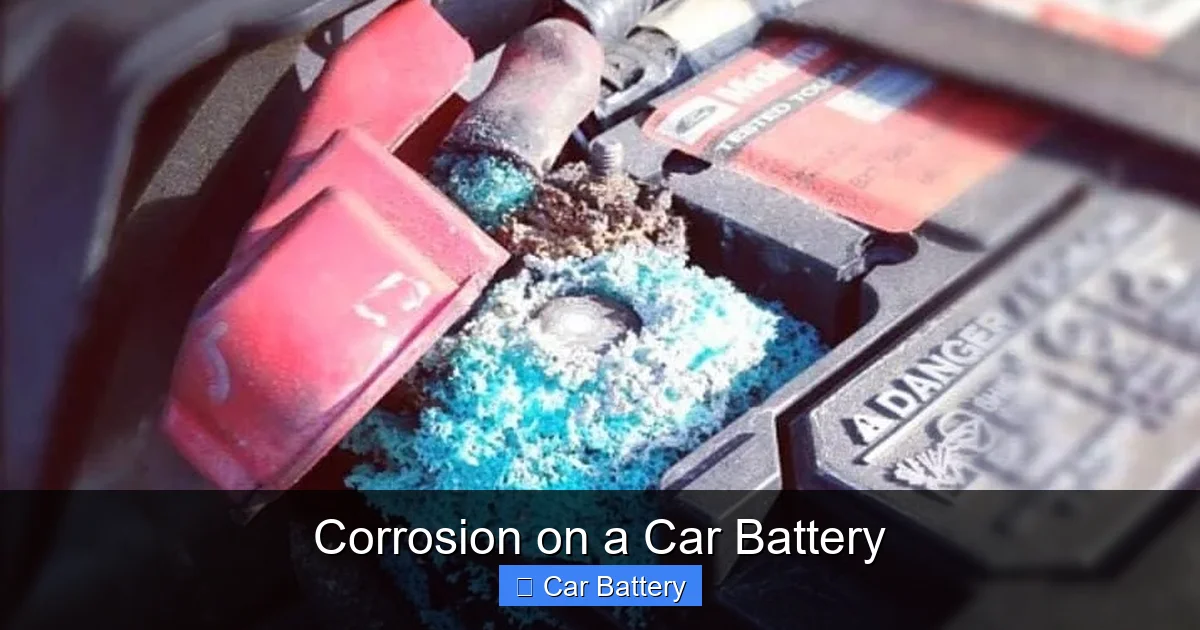
Corrosion on a car battery is a common but manageable issue that can affect your vehicle’s performance and safety. This guide explains what causes it, how to identify it, and offers practical tips for cleaning and preventing buildup to keep your battery running smoothly.
In This Article
- 1 Key Takeaways
- 2 📑 Table of Contents
- 3 What Is Corrosion on a Car Battery?
- 4 What Causes Corrosion on a Car Battery?
- 5 How to Identify Corrosion on Your Car Battery
- 6 How to Clean Corrosion from a Car Battery
- 7 How to Prevent Battery Corrosion
- 8 When to Replace Your Car Battery
- 9 Conclusion
- 10 Frequently Asked Questions
Key Takeaways
- Corrosion appears as a white, green, or blue powdery substance around battery terminals. It’s usually caused by chemical reactions between battery acid and metal parts.
- It can lead to poor electrical connections, starting problems, and reduced battery life. Ignoring it may cause your car to fail to start or damage other electrical components.
- Regular inspection every 3–6 months helps catch corrosion early. Look for crusty buildup, loose cables, or a sulfur-like smell.
- Cleaning is simple with household items like baking soda, water, and a wire brush. Always wear gloves and safety goggles for protection.
- Prevention includes using terminal protectors, keeping terminals dry, and ensuring tight connections. Anti-corrosion sprays or grease can also help.
- Avoid overfilling the battery with water, as excess electrolyte can leak and cause corrosion. Only use distilled water if needed.
- If corrosion returns quickly or the battery is old, consider replacement. Most car batteries last 3–5 years under normal conditions.
📑 Table of Contents
What Is Corrosion on a Car Battery?
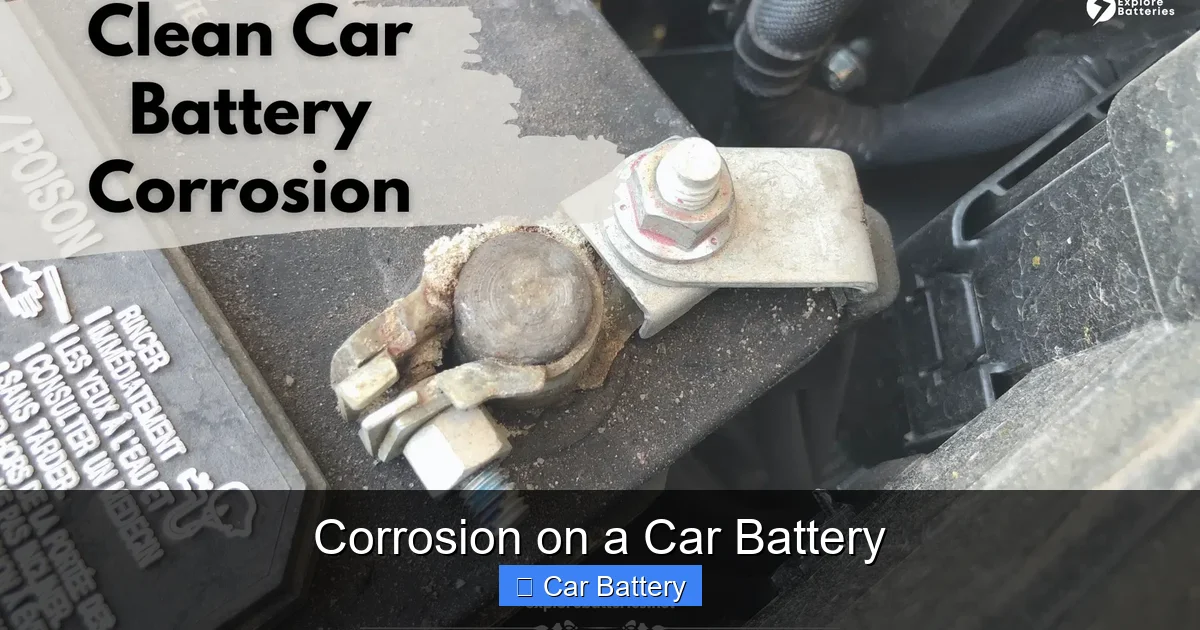
Corrosion on a car battery is a common issue that many drivers encounter, especially in older vehicles or those exposed to harsh weather. It appears as a crusty, powdery buildup—usually white, green, or blue—around the battery terminals and cable connections. While it might look alarming, understanding what it is and why it happens can help you manage it effectively.
This corrosion is the result of a chemical reaction between the sulfuric acid inside the battery and the metal terminals, typically made of lead or lead alloy. When the battery charges and discharges, small amounts of hydrogen gas and acid vapors can escape through the vents. These vapors react with the metal, forming compounds like lead sulfate or copper sulfate, which appear as the flaky residue you see.
While a small amount of corrosion isn’t immediately dangerous, it can interfere with the flow of electricity between the battery and your car’s electrical system. Over time, this can lead to starting issues, dim lights, or even a complete failure to start. That’s why it’s important not to ignore it, even if your car seems to be running fine.
Common Signs of Battery Corrosion
The most obvious sign is the visible buildup around the terminals. But there are other clues that might indicate corrosion is affecting your battery’s performance:
- Difficulty starting the engine: If your car cranks slowly or doesn’t start at all, poor connections due to corrosion could be the culprit.
- Dim headlights or flickering interior lights: These electrical issues often point to weak power delivery from the battery.
- Loose or frayed battery cables: Corrosion can weaken connections, causing cables to become loose over time.
- Unusual smells: A strong, rotten egg smell near the battery could indicate leaking acid, which often accompanies corrosion.
- Battery warning light on the dashboard: While this can signal various issues, corrosion-induced voltage drops may trigger it.
If you notice any of these signs, it’s a good idea to inspect your battery right away. Catching corrosion early can save you from more serious problems down the road.
What Causes Corrosion on a Car Battery?
Understanding the root causes of battery corrosion can help you prevent it from happening in the first place. While some factors are beyond your control, many can be minimized with proper care and maintenance.
Visual guide about Corrosion on a Car Battery
Image source: explorebatteries.net
Chemical Reactions and Gas Emissions
The primary cause of corrosion is the natural chemical process that occurs during battery operation. Car batteries are lead-acid batteries, meaning they contain lead plates submerged in a solution of sulfuric acid and water. When the battery charges—especially during fast charging or overcharging—it produces hydrogen and oxygen gases. These gases escape through the battery’s vent caps and can react with the metal terminals.
Hydrogen gas, in particular, can combine with moisture in the air to form a weak acid that attacks the lead and copper components. This reaction creates the white or bluish crust you see. Over time, this buildup grows thicker and can spread along the cables and even into the engine bay.
Overcharging and Faulty Voltage Regulators
One of the biggest contributors to excessive corrosion is overcharging. If your car’s alternator or voltage regulator is malfunctioning, it may send too much voltage to the battery. This causes the electrolyte to boil and release more gas than normal, increasing the chances of corrosion.
For example, if your car’s voltage consistently reads above 14.4 volts when the engine is running, it’s likely overcharging. This not only accelerates corrosion but can also shorten the battery’s lifespan. A healthy charging system should maintain voltage between 13.8 and 14.4 volts.
Environmental Factors
Weather and climate play a significant role in corrosion development. High humidity increases moisture in the air, which mixes with battery gases to form corrosive compounds. Similarly, extreme heat can cause the battery to vent more frequently, while cold weather can slow down chemical reactions but doesn’t prevent corrosion entirely.
Additionally, if your car is parked in a damp garage or exposed to road salt (common in winter climates), the risk of corrosion increases. Salt accelerates oxidation and can eat away at metal parts, including battery terminals.
Poor Maintenance and Loose Connections
Neglecting regular battery checks is another common cause. Loose or corroded terminals create gaps where moisture and air can enter, promoting further corrosion. Also, if the battery isn’t securely mounted, vibrations can loosen connections and expose more metal to reactive gases.
Even something as simple as spilling battery acid during maintenance can start a corrosion problem. Always handle batteries with care and clean up any spills immediately.
How to Identify Corrosion on Your Car Battery
Spotting corrosion early is key to preventing bigger issues. The good news is that it’s easy to check—no special tools required. All you need is a few minutes and a flashlight.
Visual guide about Corrosion on a Car Battery
Image source: thumbs.dreamstime.com
Visual Inspection
Start by opening your car’s hood and locating the battery. It’s usually a rectangular box with two thick cables attached to the top—one red (positive) and one black (negative). Look closely at the terminals and the ends of the cables.
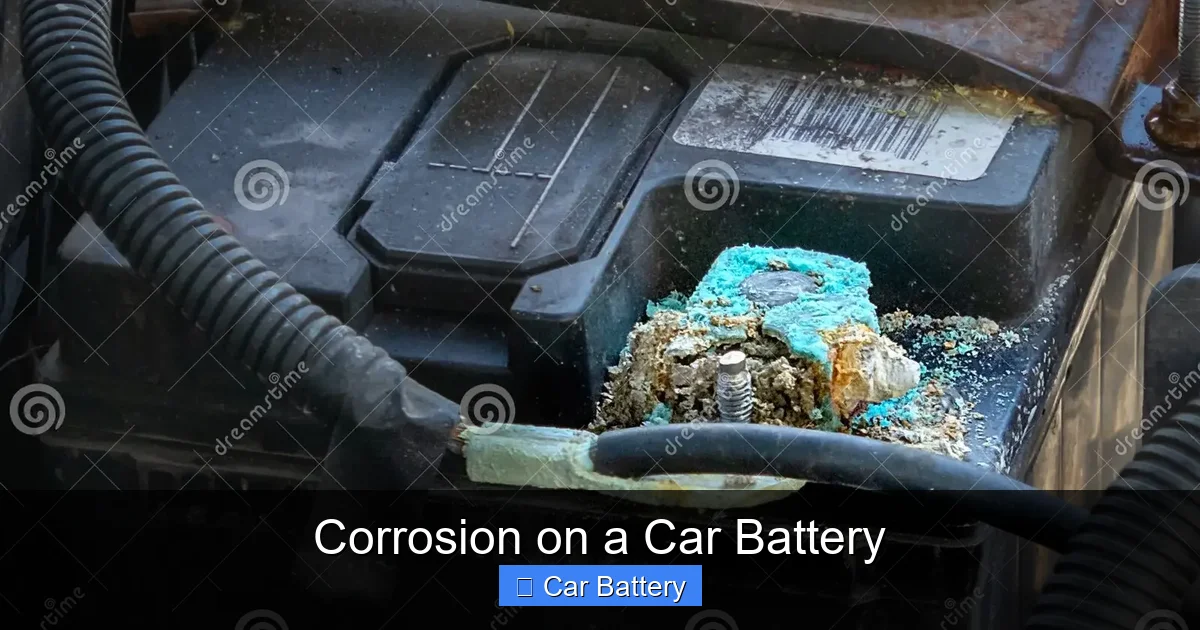
Corrosion typically appears as a powdery or flaky substance. The color can vary:
- White or gray: Usually lead sulfate, common on both terminals.
- Blue or green: Often copper sulfate, which forms when corrosion spreads to the copper cable strands.
- Yellow or brown: May indicate acid leakage or advanced corrosion.
If you see any of these colors, especially in thick layers, it’s time to clean the terminals. Don’t touch the residue with bare hands—it can irritate your skin or eyes.
Checking for Performance Issues
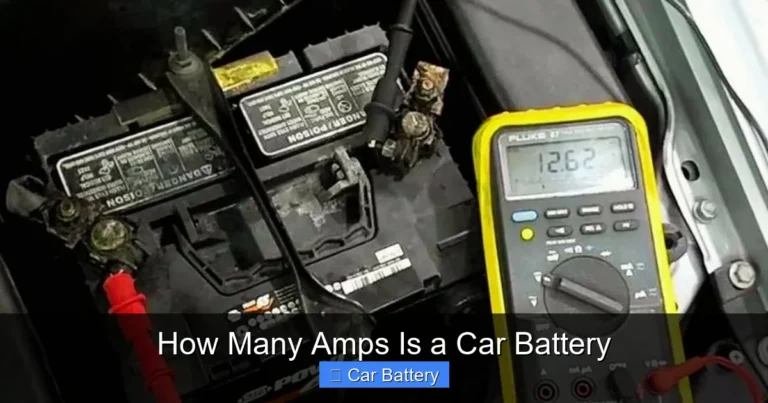
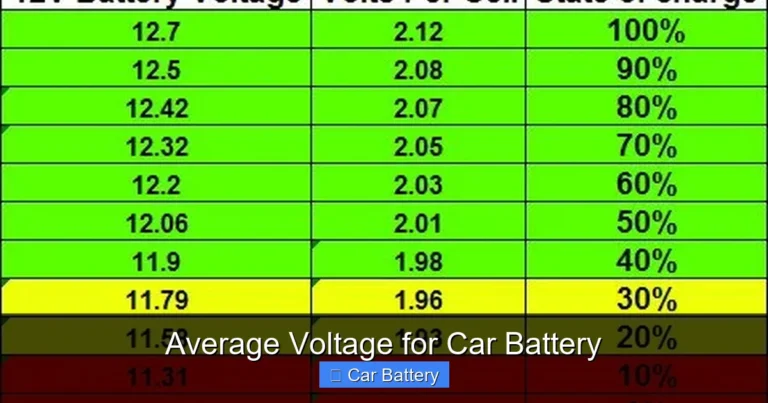
Even if you don’t see visible corrosion, performance problems can be a clue. Try starting your car and listen for slow cranking. Turn on the headlights and see if they dim when you press the accelerator. Use a multimeter to check the battery voltage—it should read around 12.6 volts when the engine is off and 13.8–14.4 volts when running.
If the voltage is low or fluctuating, corrosion might be disrupting the connection. Also, check for loose cables. Wiggle the terminals gently—if they move, they need tightening.
Smell and Sound Clues
A strong sulfur or rotten egg smell near the battery is a red flag. It suggests acid is leaking, which often goes hand-in-hand with corrosion. You might also hear a faint sizzling sound if active chemical reactions are occurring.
If you notice any of these signs, don’t delay. The longer corrosion sits, the harder it is to clean and the more damage it can cause.
How to Clean Corrosion from a Car Battery
Cleaning corrosion is a straightforward process that most people can do at home with common household items. Always prioritize safety—battery acid is corrosive and can cause burns.
Visual guide about Corrosion on a Car Battery
Image source: static.carfromjapan.com
Safety First
Before you begin, put on protective gear:
- Safety goggles to protect your eyes from splashes
- Rubber or nitrile gloves to shield your hands
- Long sleeves and pants to cover your skin
Work in a well-ventilated area, preferably outdoors or in a garage with the door open. Never smoke or use open flames near the battery—hydrogen gas is highly flammable.
Step-by-Step Cleaning Process
Follow these steps to safely remove corrosion:
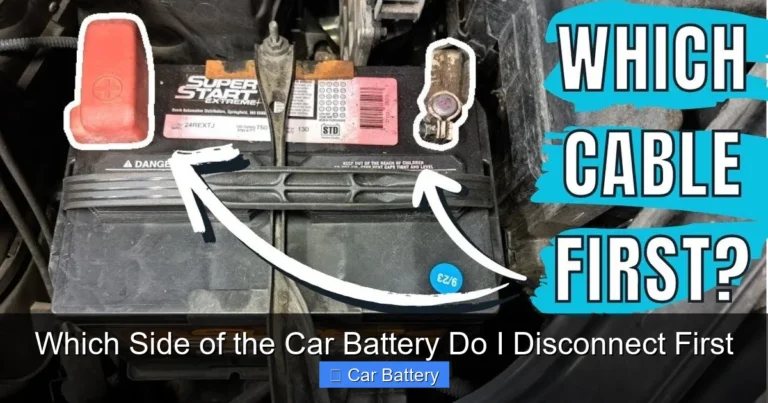
1. Disconnect the battery cables: Always remove the negative (black) cable first, then the positive (red). Use a wrench to loosen the clamp bolts. This prevents accidental short circuits.
2. Prepare the cleaning solution: Mix 1 tablespoon of baking soda with 1 cup of water. Baking soda neutralizes the acid and dissolves the corrosion.
3. Apply the solution: Dip an old toothbrush or wire brush into the mixture and scrub the terminals and cable ends. You’ll see fizzing—that’s the reaction between the baking soda and acid. Be thorough, especially in crevices.
4. Rinse with water: Use a damp cloth or spray bottle to rinse off the residue. Avoid spraying directly into the battery cells—only clean the terminals and cables.
5. Dry completely: Wipe everything dry with a clean cloth. Moisture left behind can lead to new corrosion.
6. Reconnect the cables: Attach the positive cable first, then the negative. Tighten the clamps securely but don’t over-tighten, as this can damage the terminals.
Optional: Apply Terminal Protector
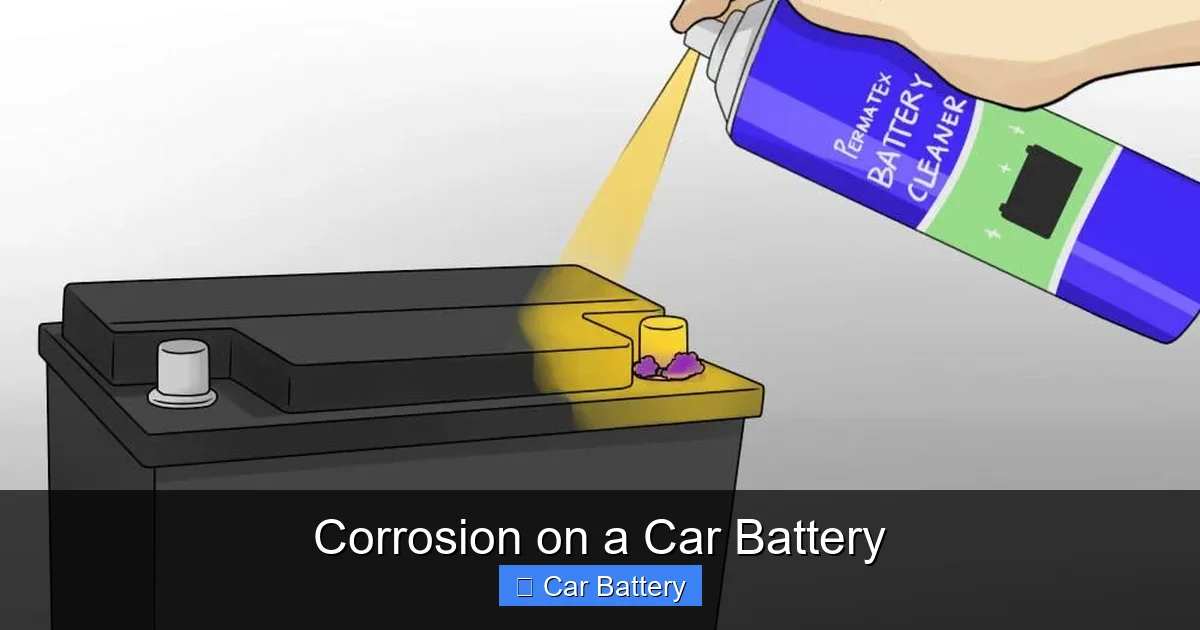
After cleaning, consider applying a thin layer of petroleum jelly or a commercial anti-corrosion spray. These products create a barrier that prevents moisture and gases from reaching the metal. You can also use felt terminal washers coated with grease for extra protection.
Cleaning should take about 15–20 minutes. If the corrosion is severe or the terminals are pitted or cracked, it may be time to replace the battery or cables.
How to Prevent Battery Corrosion
Prevention is always better than cleanup. With a few simple habits, you can significantly reduce the risk of corrosion and extend your battery’s life.
Regular Maintenance Checks
Inspect your battery every 3–6 months, especially before winter and summer—seasons when batteries work hardest. Look for signs of buildup, loose cables, or damage. Keep a maintenance log to track when you last cleaned or checked the battery.
Use Anti-Corrosion Products
Apply dielectric grease or anti-corrosion sprays to the terminals after cleaning. These products repel moisture and inhibit chemical reactions. You can find them at auto parts stores for under $10.
Another option is to install terminal protectors—small plastic caps that fit over the terminals and seal out air and moisture. They’re inexpensive and easy to install.
Ensure Proper Charging
Have your alternator and voltage regulator checked during routine service. A faulty charging system is a major cause of overcharging and corrosion. If your battery frequently dies or shows signs of overcharging, get it tested by a professional.
Keep the Battery Secure and Dry
Make sure the battery is tightly secured in its tray. Vibrations can loosen connections and expose metal. Also, avoid parking in damp areas or exposing the battery to excessive moisture.
If you live in a salty climate, rinse the battery tray and terminals with water occasionally to remove salt residue. Just be sure to dry everything thoroughly afterward.
Avoid Overfilling the Battery
If your battery is the serviceable type (with removable caps), only add distilled water when necessary. Overfilling can cause electrolyte to spill out during charging, leading to corrosion. Most modern batteries are maintenance-free, so this isn’t usually an issue.
When to Replace Your Car Battery
Even with the best care, car batteries don’t last forever. Most last between 3 and 5 years, depending on climate, driving habits, and maintenance. Corrosion can be a sign that your battery is nearing the end of its life.
Signs It’s Time for a Replacement
- Corrosion returns quickly after cleaning
- The battery is more than 4 years old
- It struggles to hold a charge, even after cleaning
- Swelling, cracks, or leaks are visible on the casing
- The car frequently needs jump-starts
If you’re unsure, visit an auto parts store—many offer free battery testing. They can check the voltage, cold cranking amps (CCA), and overall health of the battery.
Replacing a battery is a simple job, but if you’re not comfortable doing it yourself, a mechanic can help. Always dispose of old batteries properly—most retailers will recycle them for free.
Conclusion
Corrosion on a car battery is a common but manageable issue. While it can look intimidating, understanding its causes and knowing how to clean and prevent it can save you time, money, and frustration. Regular inspections, proper cleaning, and preventive measures go a long way in keeping your battery in top shape.
Remember, a healthy battery means reliable starts, strong electrical performance, and fewer roadside emergencies. By taking a few minutes every few months to check your battery, you’re investing in your car’s longevity and your own peace of mind. Don’t wait until your car won’t start—stay ahead of corrosion and keep rolling smoothly.
Frequently Asked Questions
What does battery corrosion look like?
Corrosion appears as a white, green, or blue powdery or flaky substance around the battery terminals and cable connections. It may also have a crusty or crystalline texture and can spread along the cables.
Is battery corrosion dangerous?
Yes, it can be. The residue is acidic and can irritate skin and eyes. It also poses a fire risk if hydrogen gas builds up. Always wear gloves and goggles when handling a corroded battery.
Can I drive with corrosion on my battery?
You can, but it’s not recommended. Corrosion can weaken electrical connections, leading to starting problems or electrical failures. Clean it as soon as possible to avoid bigger issues.
How often should I check my battery for corrosion?
Inspect your battery every 3–6 months, or more often if you live in a humid or salty climate. Regular checks help catch corrosion early and prevent performance problems.
Can I use vinegar to clean battery corrosion?
While vinegar is acidic and can dissolve corrosion, it’s not ideal. Baking soda and water are safer and more effective because they neutralize the acid without damaging components.
Will corrosion damage my car’s electrical system?
If left untreated, yes. Severe corrosion can cause voltage drops, interfere with sensors, and damage alternators or starters. Cleaning it promptly protects your car’s electronics.