
Chipped Windshield on a Car

A chipped windshield on a car is more than a cosmetic issue—it can compromise safety and lead to costly repairs if ignored. Understanding the causes, repair options, and prevention strategies helps drivers protect their vehicle and ensure clear visibility on the road.
Key Takeaways
- Understanding Chipped Windshield on a Car: Provides essential knowledge
📑 Table of Contents
What Is a Chipped Windshield on a Car?
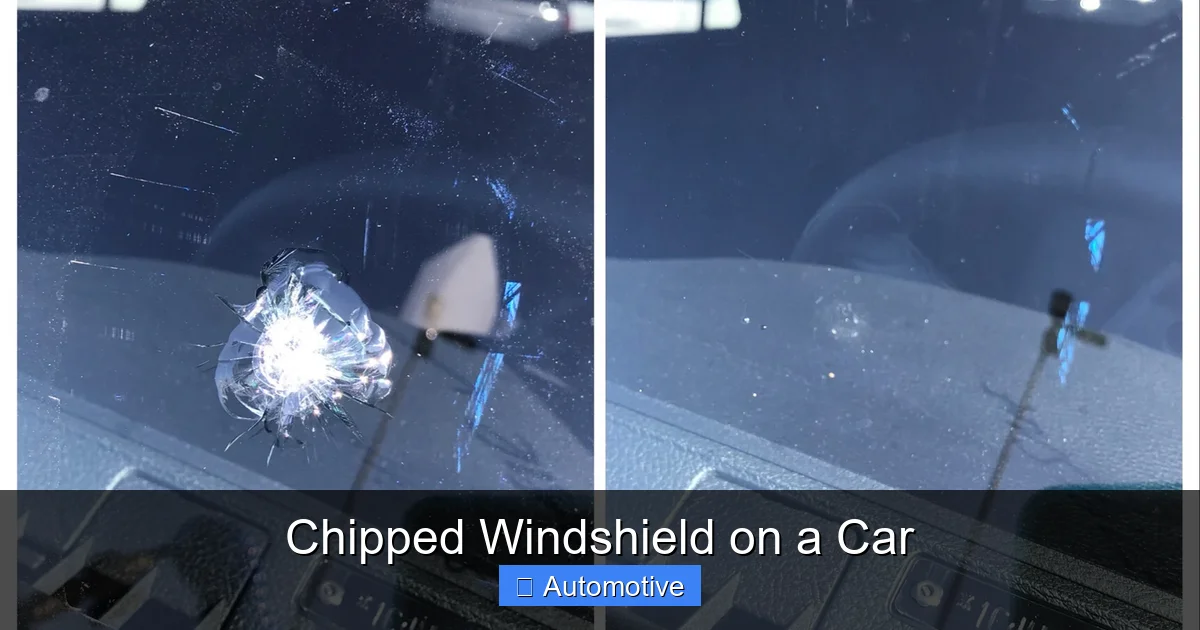
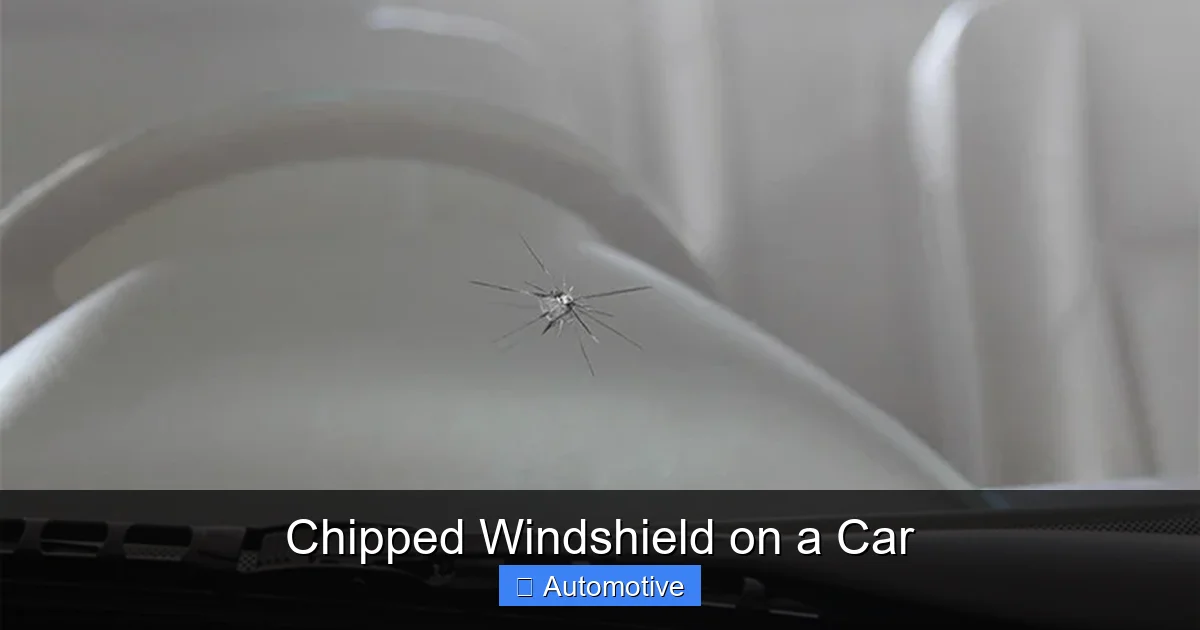
A chipped windshield on a car occurs when a small piece of the glass breaks away due to impact or stress. This damage typically appears as a tiny crater, star break, or bullseye—named for their visual resemblance to celestial shapes. Unlike a full crack, a chip is localized and doesn’t extend across the glass. However, even a small chip can weaken the windshield’s structure and pose safety risks if not addressed.
Windshields are made of laminated safety glass—two layers of glass with a plastic interlayer (usually polyvinyl butyral or PVB) sandwiched between them. This design prevents the glass from shattering into sharp pieces during an accident. When a chip forms, it compromises the outer layer, exposing the inner layers to moisture, dirt, and further damage. Over time, vibrations from driving, temperature fluctuations, or additional impacts can cause the chip to grow into a crack.
Many drivers underestimate the seriousness of a chipped windshield, treating it as a minor annoyance. But in reality, that tiny imperfection can affect your safety, visibility, and even your vehicle’s resale value. Whether you’re commuting daily or taking a weekend road trip, a compromised windshield is a hazard you shouldn’t ignore.
Common Causes of Windshield Chips
Visual guide about Chipped Windshield on a Car
Image source: renoblog.superglass.biz
Understanding what causes a chipped windshield on a car helps drivers take preventive steps and avoid future damage. While it may seem random, most chips result from predictable factors related to driving conditions and environmental stress.
Road Debris and Flying Objects
The most frequent cause of windshield chips is debris kicked up by other vehicles. Small rocks, gravel, or chunks of asphalt from construction zones can strike your windshield at high speeds. Even a pebble no larger than a pea can create a chip if it hits the right spot with enough force. Trucks and buses are especially likely to send debris flying, so maintaining a safe following distance is crucial.
For example, imagine driving behind a pickup truck carrying loose gravel. A sudden bump or pothole could dislodge a stone, sending it straight toward your windshield. Without warning, you hear a faint “ping” and notice a tiny star-shaped mark on the glass. This is a classic case of road debris damage.
Temperature Extremes and Thermal Stress
Sudden temperature changes can also cause a chipped windshield on a car. When one part of the glass heats up or cools down faster than another, it creates stress. For instance, blasting the defroster on a cold winter morning can cause the inner layer of the windshield to expand rapidly while the outer layer remains cold. This imbalance may lead to micro-fractures or worsen existing chips.
Similarly, parking in direct sunlight during summer and then turning on the air conditioning at full blast can shock the glass. The rapid cooling of the interior surface while the exterior stays hot creates tension. Over time, this thermal cycling weakens the glass and increases the risk of chips forming—even without direct impact.
Poor Installation or Pre-Existing Weakness
Sometimes, a chipped windshield isn’t caused by an external force but by underlying structural issues. If your windshield was improperly installed, it may not be sealed correctly or could have uneven pressure points. This makes it more susceptible to damage from normal driving vibrations.
Additionally, older windshields or those with previous repairs may have weakened areas. A small impact that wouldn’t affect a new windshield could cause a chip in a compromised one. If you’ve recently had your windshield replaced or repaired, be extra cautious in the first few weeks as the adhesive cures and the glass settles.
Accidents and Minor Collisions
Even low-speed fender benders or parking lot scrapes can result in a chipped windshield. The force from a collision—even one that seems minor—can transfer energy to the glass, especially if the impact is near the windshield frame. Side impacts or rear-end collisions may not directly hit the glass, but the sudden jolt can still cause stress fractures.
For example, backing into a pole might seem harmless, but the shockwave from the impact can travel through the vehicle and affect the windshield. In some cases, the chip appears hours or even days later as the glass continues to settle under stress.
Types of Windshield Chips and Their Severity
Visual guide about Chipped Windshield on a Car
Image source: i.pinimg.com
Not all windshield chips are the same. The type, size, location, and depth of the damage determine whether it can be repaired or requires full replacement. Recognizing the differences helps you make informed decisions about repair options.
Star Breaks
A star break is a common type of chip that looks like a series of small cracks radiating from a central point. It usually results from a direct impact and resembles a starfish shape. These chips are often repairable if they’re small and haven’t penetrated too deeply into the glass.
Star breaks are typically caused by small, hard objects like pebbles or metal fragments. Because the damage is concentrated, they’re less likely to spread quickly—unless exposed to temperature changes or additional stress.
Bullseye Chips
Named for their circular appearance, bullseye chips have a dark center surrounded by a ring of cracked glass. They occur when an object strikes the windshield at a perpendicular angle, creating a clean, round impact zone. Like star breaks, bullseye chips are often repairable if caught early.
The key factor is depth. If the chip only affects the outer layer of glass, repair is usually possible. But if it reaches the inner layer or the plastic interlayer, replacement may be necessary.
Combination Breaks
As the name suggests, combination breaks involve a mix of star and bullseye patterns. These are more complex and often larger, making them harder to repair. They typically result from heavier impacts or repeated stress on the same area.
Because of their irregular shape and potential depth, combination breaks have a lower success rate with repair. A professional assessment is essential to determine the best course of action.
Crater or Pit Chips
These are shallow, bowl-shaped chips that look like small craters. They’re usually caused by sand, dirt, or fine debris hitting the windshield at high speed. While they may seem minor, they can still affect visibility and weaken the glass over time.
Pit chips are often cosmetic but can trap dirt and moisture, leading to further degradation. If left untreated, they may develop into larger cracks.
Edge Chips
Chips located within 2 inches of the windshield’s edge are particularly concerning. The edge is a high-stress area, and damage here is more likely to spread into long cracks. Even small edge chips may require replacement because the structural integrity of the windshield is compromised.
For example, a chip near the driver’s side edge might start as a tiny mark but could grow rapidly due to vibrations from opening and closing the door or driving on rough roads.
Can a Chipped Windshield Be Repaired?
Visual guide about Chipped Windshield on a Car
Image source: windshieldexperts.com
One of the most common questions drivers ask is whether a chipped windshield on a car can be fixed without replacing the entire glass. The answer depends on several factors, including the size, type, location, and age of the chip.
When Repair Is Possible
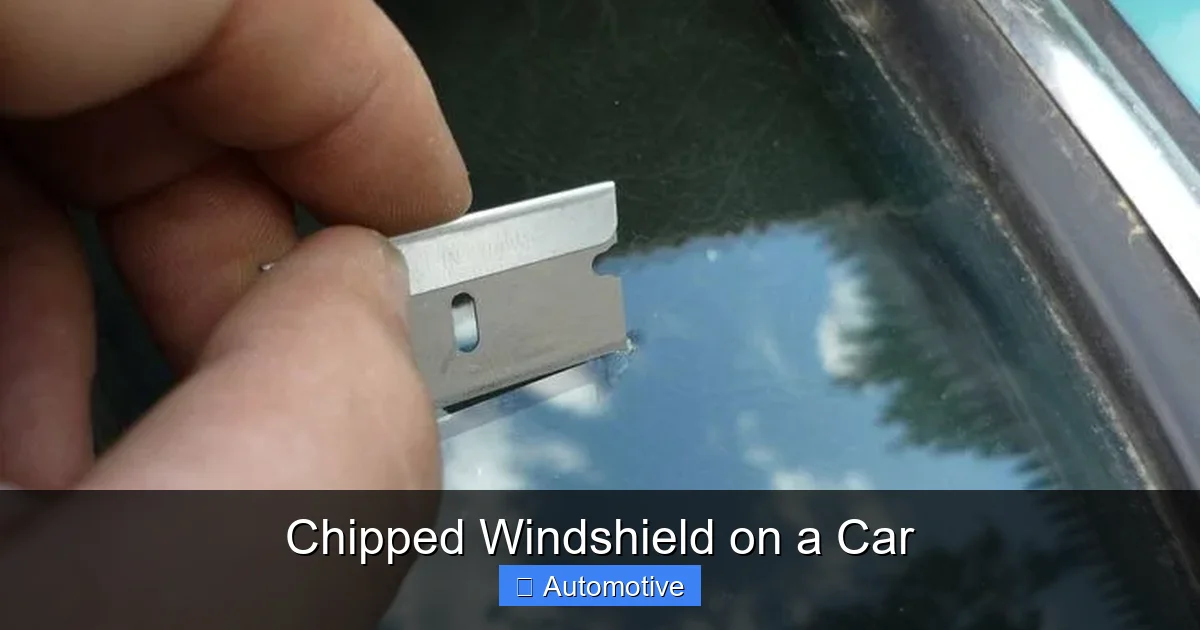
Most small chips—those under 1 inch in diameter—can be repaired successfully. This includes star breaks, bullseyes, and shallow pit chips. The repair process involves injecting a special resin into the damaged area, which is then cured with UV light. The resin fills the cracks, restores clarity, and prevents further spreading.
Repair is typically recommended if:
– The chip is less than the size of a quarter.
– It’s not in the driver’s direct line of sight.
– It hasn’t penetrated through both layers of glass.
– It’s not on the edge of the windshield.
For example, a small star break in the lower corner of the windshield is an ideal candidate for repair. A technician can fix it in under 30 minutes, often while you wait.
When Replacement Is Necessary
Replacement is required when the damage is too severe for repair. This includes:
– Chips larger than 1 inch.
– Cracks longer than 3 inches.
– Damage in the driver’s primary viewing area.
– Chips that have reached the inner glass layer or interlayer.
– Multiple chips close together.
In these cases, the structural integrity of the windshield is compromised, and repair won’t restore safety. A full replacement ensures the glass meets manufacturer standards and maintains the vehicle’s crash protection.
DIY Repair Kits: Pros and Cons
Many drivers consider using a DIY windshield repair kit to save money. These kits are widely available online and in auto stores and typically cost between $10 and $30. They include resin, applicators, and curing strips.
While DIY kits can work for very small, shallow chips, they have significant limitations:
– They often don’t remove air bubbles completely, leaving cloudy spots.
– The resin may not bond properly to deeper cracks.
– Without professional tools, it’s hard to apply even pressure.
– Results are usually cosmetic—not structural.
For instance, a DIY repair might make a chip less visible, but it won’t restore the windshield’s strength. In some cases, improper repair can make future professional repair impossible, forcing you to replace the entire windshield.
Professional Repair: The Best Option
For the best results, professional repair is strongly recommended. Certified technicians use high-quality resins, vacuum tools, and UV curing equipment to ensure a strong, clear fix. Most repairs take less than an hour and cost between $50 and $150—far less than a full replacement.
Many auto glass companies offer mobile services, coming to your home or workplace to perform the repair. This convenience, combined with a warranty on the work, makes professional repair the smart choice for most drivers.
Risks of Ignoring a Chipped Windshield
Some drivers delay repairing a chipped windshield, thinking it’s not urgent. But ignoring the problem can lead to serious consequences—both safety-related and financial.
Crack Propagation
The biggest risk of a chipped windshield is that it will grow into a crack. Every bump in the road, temperature change, or vibration can cause the chip to expand. What starts as a tiny mark can quickly become a long, jagged crack that spans the entire windshield.
For example, a small chip on the passenger side might seem harmless. But after a few cold nights and a drive over potholes, it could stretch across the glass, obstructing your view and requiring a full replacement.
Reduced Structural Integrity
Windshields are not just for visibility—they’re a critical part of your vehicle’s structural support. In the event of a rollover or collision, the windshield helps maintain the roof’s strength and prevents collapse. A damaged windshield is weaker and may fail during an accident.
Modern cars rely on the windshield to support up to 40% of the roof’s strength in a rollover. A chipped or cracked windshield compromises this function, putting you and your passengers at greater risk.
Legal and Inspection Issues
In many states, driving with a damaged windshield is illegal if it obstructs the driver’s view. Law enforcement may issue a citation, and your vehicle could fail a safety inspection. Even if the chip is small, if it’s in the driver’s line of sight, it may be considered a violation.
For example, a star break directly in front of the steering wheel might seem minor, but it can scatter light and distort vision—especially at night or in bright sunlight. This makes it a safety hazard and a potential ticket.
Increased Repair Costs
Delaying repair almost always leads to higher costs. A $75 repair today could turn into a $400 replacement tomorrow if the chip spreads. Insurance companies often cover repairs with no deductible but may charge more for replacements.
Additionally, if the damage worsens, you may need to pay for a new windshield, recalibration of advanced driver-assistance systems (ADAS), and labor—costs that add up quickly.
How to Prevent Windshield Chips
While you can’t eliminate the risk entirely, there are practical steps you can take to reduce the chances of a chipped windshield on a car.
Maintain a Safe Following Distance
Keep at least three to four seconds behind the vehicle in front of you. This gives you time to react and reduces the chance of debris hitting your windshield. The closer you follow, the more likely you are to be hit by rocks or gravel.
If you’re driving behind a truck or vehicle carrying loose material, increase your distance even more. Trucks can kick up larger debris, and their tires create more turbulence.
Avoid Extreme Temperature Changes
Don’t blast the defroster or air conditioning immediately after starting your car. Gradually adjust the temperature to allow the glass to warm or cool evenly. In winter, use a windshield cover or park in a garage to reduce thermal stress.
Similarly, avoid pouring hot water on a frozen windshield. The sudden temperature shift can cause cracks, especially if there’s already a small chip.
Drive Cautiously in Construction Zones
Road construction areas are high-risk zones for windshield damage. Loose gravel, uneven surfaces, and heavy machinery increase the likelihood of flying debris. Slow down, stay alert, and give yourself extra space from other vehicles.
If possible, avoid driving through construction zones during peak hours when traffic is heavy and debris is more likely to be disturbed.
Use a Windshield Protection Film
Some drivers install a protective film or coating on their windshield to reduce the impact of small debris. These films are made of durable polyurethane and act as a sacrificial layer, absorbing hits that would otherwise damage the glass.
While not foolproof, these films can prevent minor chips and extend the life of your windshield. They’re especially useful for drivers who frequently travel on highways or rural roads.
Regular Inspections
Make it a habit to inspect your windshield during routine maintenance. Look for small chips, pits, or cracks—especially after long trips or exposure to extreme weather. Early detection allows for quick, affordable repairs.
If you notice any damage, don’t wait. Schedule a professional assessment as soon as possible.
Insurance and Windshield Repair
Many drivers don’t realize that their auto insurance may cover windshield repair or replacement—often with no out-of-pocket cost.
Comprehensive Coverage
Windshield damage is typically covered under comprehensive insurance, which protects against non-collision events like theft, vandalism, and weather damage. Most policies include glass repair with a low or zero deductible.
For example, if a rock hits your windshield on the highway, your comprehensive coverage may pay for the repair or replacement without requiring you to pay a deductible.
Glass-Only Policies
Some insurers offer specialized glass coverage that focuses solely on windshield and window damage. These policies are often inexpensive and provide quick, no-hassle repairs.
Even if you don’t have comprehensive coverage, adding glass protection can be a smart investment—especially if you drive frequently or in high-risk areas.
Claims Process
Filing a claim for a chipped windshield is usually straightforward. Contact your insurance provider or use their mobile app to report the damage. Many companies partner with auto glass shops to handle repairs directly, so you don’t have to pay upfront.
Be sure to ask about ADAS recalibration. Modern windshields often have cameras and sensors for features like lane departure warning and automatic emergency braking. After replacement, these systems must be recalibrated to function properly—a service often included in insurance-covered repairs.
Conclusion
A chipped windshield on a car is more than a minor inconvenience—it’s a safety issue that demands attention. From road debris to temperature stress, the causes are varied, but the solution is clear: act quickly. Small chips can often be repaired affordably, but delays can lead to cracks, higher costs, and reduced safety.
By understanding the types of damage, knowing when to repair or replace, and taking preventive measures, you can protect your vehicle and your peace of mind. Whether you choose a DIY kit or professional service, the key is to address the problem early. And with insurance often covering the cost, there’s no reason to wait.
Your windshield is your window to the road—and your first line of defense in an accident. Don’t let a tiny chip compromise your safety. Take action today, and keep your view clear, your ride safe, and your car in top condition.
Frequently Asked Questions
Can I drive with a chipped windshield?
Yes, you can usually drive with a small chip, but it’s not recommended for long. The chip can grow into a crack due to vibrations, temperature changes, or road conditions. For safety and legal reasons, get it repaired as soon as possible.
How much does it cost to repair a chipped windshield?
Professional repair typically costs between $50 and $150, depending on the chip type and location. DIY kits are cheaper ($10–$30) but may not provide a lasting fix. Many insurance policies cover repairs with no deductible.
Will a chip in my windshield spread?
Yes, a chip can spread into a crack if left untreated. Factors like temperature changes, road vibrations, and moisture can cause the damage to grow. Prompt repair prevents this from happening.
Can a windshield chip be repaired if it’s in the driver’s line of sight?
It depends on the size and depth. Small chips in the driver’s view may be repairable, but larger or deeper ones often require replacement to ensure clear visibility and safety.
Do I need to replace my windshield if it has a chip?
Not always. Chips under 1 inch and not on the edge can usually be repaired. Replacement is needed for larger damage, cracks, or chips that affect structural integrity.
How long does a windshield repair take?
Professional repairs typically take 20 to 40 minutes. The resin is injected, cured with UV light, and polished for clarity. You can usually drive away immediately after the repair is complete.