
Car Mirror Visor

A car mirror visor is a simple yet powerful accessory that clips onto your rearview mirror to block harsh sunlight and headlight glare. It improves visibility, reduces eye strain, and enhances overall driving safety—especially during dawn, dusk, or nighttime drives.
Driving should be safe, comfortable, and stress-free—but anyone who’s ever squinted through a sunrise commute or flinched at a pair of high beams knows that’s not always the case. One of the most overlooked yet impactful upgrades you can make to your vehicle is a simple accessory: the car mirror visor. It’s not flashy, it doesn’t have Bluetooth, and it won’t change your car’s horsepower—but it might just save you from a dangerous glare-induced moment on the road.
Think about it: how many times have you been driving, only to have your rearview mirror suddenly flood with blinding light from a car behind you? Or worse—how often have you found yourself adjusting the mirror manually, only to lose sight of what’s happening in front of you? That split-second distraction can be all it takes. A car mirror visor solves this problem elegantly. It’s a small flap or shield that attaches to your rearview mirror, designed to block unwanted light from above or behind, giving you a clearer, more comfortable view of the road. And the best part? It’s affordable, easy to use, and works in nearly any vehicle.
Key Takeaways
- Reduces Glare Effectively: A car mirror visor blocks direct sunlight and blinding headlights from behind, giving you clearer vision and less eye fatigue.
- Easy to Install and Remove: Most models use clip-on or magnetic designs, requiring no tools or permanent modifications to your vehicle.
- Improves Night Driving Safety: By minimizing high-beam glare from following vehicles, it helps you stay focused and react faster to road conditions.
- Compact and Lightweight: Designed to be unobtrusive, it doesn’t block your view or interfere with the mirror’s normal function.
- Affordable and Durable: Typically priced under $25, many are made from heat-resistant, shatterproof materials that last for years.
- Universal Fit for Most Vehicles: Adjustable arms and flexible clips allow compatibility with sedans, SUVs, trucks, and more.
- Enhances Confidence Behind the Wheel: Especially helpful for new drivers, seniors, or those sensitive to bright light, it promotes a calmer, more controlled driving experience.
📑 Table of Contents
What Is a Car Mirror Visor?
A car mirror visor is a small, adjustable shield that attaches to the top or front of your rearview mirror. Its primary job is to block glare—whether from the sun rising or setting behind you, or from bright headlights of vehicles following too closely. Unlike the built-in sun visors on your windshield, which only protect your forward view, a mirror visor targets the reflection in your rearview mirror, where glare can be especially disorienting.
These visors come in various styles, but most are made from lightweight, durable materials like polycarbonate or tinted acrylic. Some are rigid flaps that flip down when needed, while others are flexible shields that slide or clip into place. Many modern versions are designed to be low-profile, so they don’t obstruct your view or look bulky inside the cabin.
One common misconception is that a car mirror visor is just a DIY hack—like taping a piece of cardboard to your mirror. While that might work in a pinch, purpose-built visors are engineered for optimal light-blocking, durability, and ease of use. They’re tested to withstand temperature changes, UV exposure, and daily wear and tear. Plus, they’re designed to blend in with your car’s interior, so you don’t have to sacrifice style for safety.
How It Differs from Standard Sun Visors
Your car already has sun visors on the windshield—so why do you need one for the mirror? The answer lies in angles and reflections. Windshield visors block light coming from the front, but they can’t stop light that’s bouncing off the rearview mirror from behind. When sunlight hits the back window and reflects into the mirror, it creates a bright, distracting glare right in your line of sight. That’s where a car mirror visor steps in.
Think of it this way: the windshield visor protects your eyes from direct light, while the mirror visor protects your eyes from reflected light. They work together like a team. For example, during a late afternoon drive west, the sun might be low in the sky behind you. Even if you’ve pulled down the front visor, the rearview mirror can still flood your vision with golden-hour glare. A mirror visor blocks that reflection, letting you see clearly without constantly adjusting the mirror or squinting.
Common Types of Car Mirror Visors
Not all mirror visors are created equal. Here are the most popular types you’ll find on the market:
– **Clip-On Visors:** These attach directly to the top edge of your rearview mirror using spring-loaded clips. They’re easy to install and remove, making them great for renters or people who switch cars often. Most are adjustable, so you can angle the shield to block light from different directions.
– **Magnetic Visors:** These use strong magnets to snap onto the mirror housing. They’re quick to attach and offer a clean, tool-free setup. Just be sure your mirror has a metal surface—some modern mirrors have plastic housings that won’t hold magnets.
– **Sliding or Flip-Down Visors:** These are built into a frame that mounts over the mirror. You can slide the visor left or right, or flip it down when needed. They’re ideal for drivers who want quick access without removing the entire unit.
– **Tinted or Polarized Visors:** Some models feature tinted or polarized lenses that reduce glare even further. These are especially helpful for people with light sensitivity or those who drive frequently at dawn or dusk.
– **Universal vs. Custom Fit:** Universal visors work with most mirror sizes and shapes, while custom-fit models are designed for specific car makes and models. Universal options are more versatile, but custom fits often look cleaner and stay in place better.
Why You Need a Car Mirror Visor
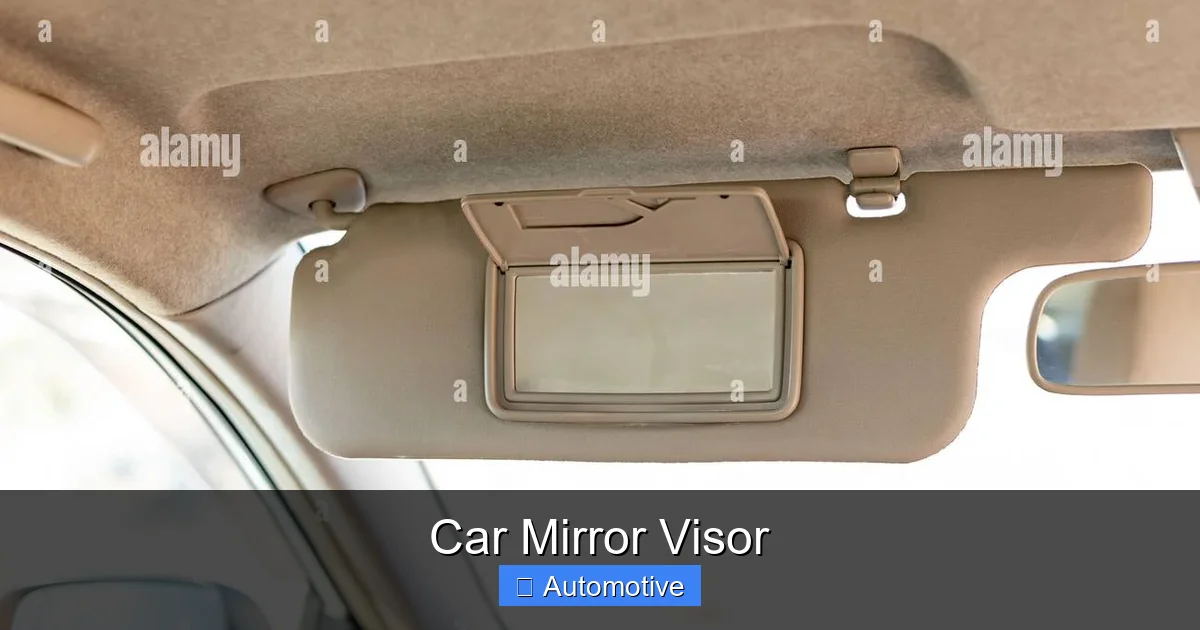
Visual guide about Car Mirror Visor
Image source: c8.alamy.com
You might be thinking, “I’ve been driving for years without one—why start now?” Fair question. But consider this: driving safety isn’t just about avoiding accidents; it’s about reducing stress, fatigue, and distraction. A car mirror visor contributes to all three.
Glare is more than just annoying—it’s dangerous. According to the National Highway Traffic Safety Administration (NHTSA), glare-related visibility issues contribute to thousands of crashes each year. When your eyes are strained or your vision is compromised, your reaction time slows. You might miss a brake light, a pedestrian, or a lane change. A mirror visor helps prevent that by giving you a consistent, clear view of what’s behind you.
Reduces Eye Strain and Fatigue
Constantly squinting or adjusting your mirror takes a toll on your eyes. Over time, this can lead to fatigue, headaches, and even temporary vision issues. A car mirror visor minimizes the need for constant adjustments by blocking glare before it reaches your eyes. This is especially helpful on long drives, where eye strain can build up gradually.
Imagine driving through a mountain pass at sunset. The sun dips below the ridge, casting long shadows and reflecting off every surface. Without a visor, you’re constantly flipping the mirror between day and night modes, trying to find a sweet spot. With a visor, you simply flip it down and enjoy a steady, glare-free view. Your eyes stay relaxed, and you can focus on the road ahead.
Improves Night Driving Safety
Night driving is inherently more challenging, and glare from oncoming or following headlights can be blinding. High beams from a car behind you can reflect directly into your eyes through the rearview mirror, creating a “whiteout” effect. This is especially dangerous when you’re trying to judge distances or spot hazards.
A car mirror visor acts like a shield, blocking that intense light before it hits the mirror. Some models even have a slight tint or anti-reflective coating to further reduce brightness. This means you can keep your eyes on the road without being temporarily blinded by a truck’s high beams two cars back.
Helps New and Nervous Drivers
If you’re a new driver—or teaching someone who is—a mirror visor can be a confidence booster. Learning to manage mirrors, check blind spots, and react to traffic is already overwhelming. Adding glare into the mix makes it harder to process information quickly. A visor simplifies the experience by giving a clearer, more predictable view.
Similarly, older drivers or those with vision conditions like cataracts or photophobia (light sensitivity) benefit greatly from reduced glare. A simple visor can make the difference between a stressful drive and a comfortable one.
Enhances Overall Driving Comfort
Let’s be honest: driving should be enjoyable. Whether you’re commuting to work, running errands, or taking a road trip, you want to feel in control and at ease. A car mirror visor contributes to that sense of comfort by eliminating one of the most common irritants on the road—glare.
It’s a small change with a big impact. Like upgrading to better tires or adding seat cushions, it’s about optimizing your driving environment. And unlike high-tech gadgets that require charging or software updates, a mirror visor works instantly, every time.
How to Choose the Right Car Mirror Visor
With so many options on the market, how do you pick the right one? The good news is that most car mirror visors are affordable and easy to test. But a few key factors can help you make the best choice for your needs.
Consider Your Driving Habits
Think about when and where you drive most. If you commute during sunrise or sunset, a visor with adjustable angles or a flip-down design might be ideal. If you do a lot of night driving, look for one with a slight tint or anti-glare coating. For frequent highway drivers, a sturdy, vibration-resistant model is a must.
Check Compatibility with Your Vehicle
Most mirror visors are designed to fit standard rearview mirrors, but it’s worth measuring your mirror’s width and thickness before buying. Some visors are too small for large SUV mirrors, while others might be too bulky for compact cars. Look for models with adjustable arms or flexible clips to ensure a secure fit.
Also, consider the mirror’s mounting style. If your mirror is attached to the windshield with a suction cup or adhesive, make sure the visor won’t interfere with its stability. Magnetic visors work best with metal-backed mirrors, so check your mirror’s construction if you’re going that route.
Material and Durability
You want a visor that lasts. Look for materials like polycarbonate, which is shatterproof and resistant to UV damage. Avoid cheap plastic that can warp in heat or crack in cold weather. Some high-end models even come with scratch-resistant coatings to keep the surface clear over time.
Ease of Use
A visor should be easy to operate with one hand—especially while driving. Flip-down and sliding models are usually the most convenient. Avoid designs that require tools or complicated adjustments. The best visors are intuitive: flip it down when you need it, flip it up when you don’t.
Design and Aesthetics
While function is key, you don’t want a visor that looks out of place. Choose a color and finish that matches your car’s interior—black, gray, or smoke tones are common. Some models are nearly invisible when not in use, which is a plus if you prefer a clean, minimalist look.
Price and Warranty
Most car mirror visors cost between $10 and $25. While it’s tempting to go for the cheapest option, investing a few extra dollars can get you better materials, smoother operation, and a longer lifespan. Check if the product comes with a warranty or satisfaction guarantee—this is a sign of quality.
Installation and Maintenance Tips
One of the biggest advantages of a car mirror visor is how easy it is to install. In most cases, it takes less than a minute—no tools, no drilling, no permanent changes to your vehicle.
Step-by-Step Installation
1. **Clean the Mirror:** Wipe the top edge of your rearview mirror with a microfiber cloth to remove dust and grease. This ensures a secure grip.
2. **Position the Visor:** Place the visor on top of the mirror, aligning it with the center. Make sure it doesn’t block your view of the road.
3. **Secure the Clip or Magnet:** Press the clip firmly onto the mirror or snap the magnet into place. Give it a gentle tug to confirm it’s secure.
4. **Adjust the Angle:** Tilt the visor up or down to block glare from the direction you need. Some models allow side-to-side adjustment for angled light.
5. **Test It Out:** Drive during a time of day when glare is common (like sunrise or sunset) and see how it performs. Make minor adjustments as needed.
Daily Use and Adjustments
Use your visor proactively. Don’t wait until you’re blinded by light—flip it down as soon as you notice glare building up. Many drivers make it a habit to check their visor during their pre-drive routine, just like adjusting seats and mirrors.
If you have passengers, teach them not to touch or move the visor. A misplaced shield can block your view or create new glare issues.
Cleaning and Care
Over time, dust and fingerprints can build up on the visor, reducing its effectiveness. Clean it regularly with a soft, damp cloth and mild soap. Avoid harsh chemicals or abrasive sponges, which can scratch the surface.
Store the visor in a cool, dry place if you remove it during summer months or when not needed. Some drivers keep it in the glove compartment for easy access.
When to Replace Your Visor
Even the best visors wear out eventually. Signs it’s time for a replacement include:
– Cracks or warping in the material
– Loose clips or weak magnets
– Discoloration or cloudiness that affects visibility
– Difficulty staying in place while driving
Most quality visors last 2–5 years with regular use. If yours is showing signs of age, don’t wait—replace it before it fails when you need it most.
Real-World Benefits and User Experiences
Still not convinced? Let’s hear from real drivers who’ve made the switch.
Sarah, a nurse who works night shifts, says: “I used to dread driving home at dawn. The sun would hit my mirror just right, and I’d be squinting the whole way. Since I got a mirror visor, it’s like someone turned down the brightness on the world. I feel so much safer.”
Mike, a long-haul trucker, adds: “I’ve tried everything—tinted windows, polarized sunglasses, even duct tape. Nothing worked as well as this little visor. It’s sturdy, stays put at 70 mph, and blocks glare from cars five vehicles back.”
And Jessica, a new driver, shares: “I was always nervous about checking my mirrors because of the glare. Now I can see clearly, and I don’t panic when a car pulls up behind me with bright lights.”
These stories highlight a common theme: a car mirror visor isn’t just a convenience—it’s a confidence booster. It empowers drivers to stay focused, react faster, and enjoy the journey.
Common Misconceptions About Car Mirror Visors
Despite their benefits, some myths still surround mirror visors. Let’s clear them up.
“It Blocks My View”
A well-designed visor only blocks light—not your sight. It sits above or in front of the mirror, not over it. When not in use, it can be flipped up or slid out of the way. The best models are engineered to be as unobtrusive as possible.
“It’s Only for Sunny Days”
While sunlight is a major cause of glare, headlights are just as problematic—especially at night. A mirror visor works in all lighting conditions, making it useful year-round.
“It’s a Gimmick”
Far from it. Thousands of drivers rely on mirror visors daily. They’re recommended by driving instructors, safety experts, and even some insurance companies as a simple way to reduce risk.
“It’s Hard to Install”
Most visors take under a minute to install. No tools, no expertise required. If you can clip a clothespin, you can install a mirror visor.
Conclusion
A car mirror visor may seem like a small addition, but its impact on driving safety and comfort is anything but minor. By reducing glare, improving visibility, and easing eye strain, it helps you stay focused and confident behind the wheel. Whether you’re a daily commuter, a night-shift worker, or a new driver, this affordable accessory can make a real difference.
It’s not about adding complexity—it’s about simplifying your driving experience. In a world full of high-tech gadgets and expensive upgrades, sometimes the simplest solution is the best one. So next time you’re squinting at your rearview mirror, ask yourself: could a little shield make all the difference? For thousands of drivers, the answer is a resounding yes.
Frequently Asked Questions
What is a car mirror visor?
A car mirror visor is a small, adjustable shield that attaches to your rearview mirror to block glare from sunlight or headlights. It improves visibility and reduces eye strain while driving.
Does a mirror visor block my view of the road?
No, a properly installed visor only blocks light—not your sight. It sits above or in front of the mirror and can be flipped up or adjusted when not needed.
Can I use a mirror visor at night?
Yes! A mirror visor is especially helpful at night by blocking bright headlights from vehicles behind you, reducing glare and improving safety.
Will it fit my car’s mirror?
Most mirror visors are designed to fit standard rearview mirrors found in sedans, SUVs, and trucks. Check the product dimensions and choose a universal or adjustable model for the best fit.
How do I clean my mirror visor?
Use a soft, damp cloth with mild soap to wipe away dust and fingerprints. Avoid harsh chemicals or abrasive materials that could scratch the surface.
Is a mirror visor legal to use?
Yes, mirror visors are legal in all 50 U.S. states as long as they don’t obstruct the driver’s view. Most are designed to be low-profile and compliant with safety regulations.