
Car Cover Shrinking: Why It Happens and How to Fix It

Quick Answer
Car covers typically shrink due to high heat exposure, improper machine washing, or low-quality synthetic fabric degradation over time. You can often rescue a slightly shrunken cover by soaking it in lukewarm water with fabric softener and gently stretching it back into place while damp. To prevent future shrinkage, always air-dry your cover and avoid harsh tumble drying cycles. Check out Edmunds car care guides for more vehicle protection tips.
Common Causes of Cover Shrinkage
- Heat exposure: Intense UV rays and scorching summer temperatures cause synthetic fibers to contract.
- Machine drying: High dryer heat melts and warps woven plastic or polyester blends instantly.
- Chemical reaction: Harsh detergents break down elastic elements and tighten the weave.
- Cheap materials: Low-grade polyester lacks thermal stability and shrinks rapidly outdoors.
Steps to Stretch It Back
- Soak the cover in warm water mixed with mild hair conditioner or fabric softener for thirty minutes.
Every daily-driver owner knows the frustration of trying to protect their paint from tree sap, bird droppings, and harsh sun. Pulling a protective shield over your sedan or coupe should be a straightforward task. When your protective layer suddenly feels two sizes too small, it creates a real headache.
I have wrestled with stubborn, shrunken fabric on my own project cars after accidentally running them through a commercial dryer. This comprehensive guide breaks down why your cover is shrinking, how to stretch it back safely, and what materials to buy next time.
In This Guide
Why Do Car Covers Shrink Over Time?
A car cover is essentially a giant fitted garment made of synthetic polymers. Materials like polyester, polypropylene, and polyethylene react strongly to thermal shifts and moisture.
When exposed to relentless summer heat, these synthetic fibers soften and pull inward. Over months of baking in direct sunlight, the microscopic bonds inside the fabric tighten permanently. This thermal contraction reduces the overall surface area of the material.
Improper cleaning methods accelerate this degradation process significantly. Tumble drying a synthetic cover generates enough friction and heat to melt the weave together. Once those plastic threads fuse or contract, reversing the damage becomes an uphill battle.
Section Takeaway: Continuous UV exposure and high-heat drying cause synthetic car cover fibers to contract, resulting in permanent overall shrinkage.
What Are the Early Signs Your Cover Is Shrinking?
Catching fabric contraction early saves you from dealing with a completely unusable shield. How do you know your protective layer is losing its proper dimensions?
The most obvious indicator is increased difficulty during installation. If you suddenly need to yank hard on the corners to clear your bumpers, the fabric has lost its slack.
You will also notice the hem riding up higher than usual along the rocker panels. Exposed wheels and lower door sills mean the material no longer offers complete coverage.
Section Takeaway: Troublesome installation and exposed lower body panels are the clearest early warnings of active fabric contraction.
Can You Stretch a Shrunken Car Cover Back Out?
Yes, you can often salvage a tightened cover using warm water and mechanical tension. This trick works best on multi-layer woven fabrics rather than melted plastic films.
Fill a large tub with lukewarm water and mix in a cup of hair conditioner or liquid fabric softener. Submerge the shield and let it soak for thirty minutes to relax the stiffened fibers.
Pull the damp fabric out without wringing it aggressively. Drape it over your vehicle immediately while it is wet, and gently pull the corners down into place to let it air-dry under tension.
Section Takeaway: Soaking tightened synthetic fabric in a softening solution allows you to manually stretch it back over your vehicle body while drying.
Material Comparison: Which Fabrics Resist Shrinkage?
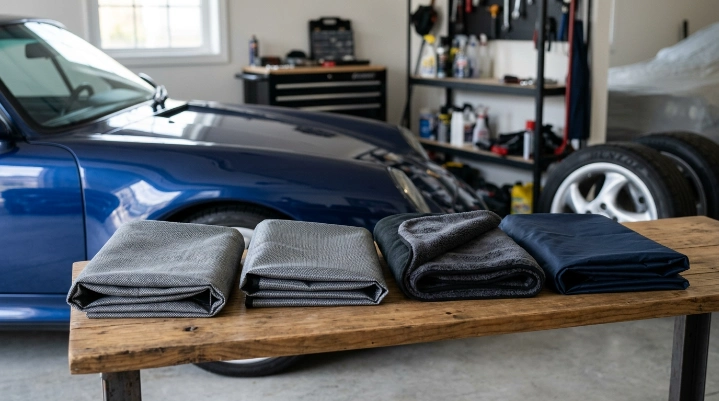
Not all automotive covers react to weather and maintenance the same way. Choosing the right textile prevents future headaches.
| Fabric Type | Shrinkage Risk | Breathability | Best Use Case |
|---|---|---|---|
| Woven Polyester | Moderate | High | All-weather outdoor protection |
| Polypropylene | High | Moderate | Indoor garage dust defense |
| Multi-Layer Fleece Lined | Low | High | Long-term storage and paint safety |
| Nylon Blends | Very High | Low | Lightweight water-resistant use |
Understanding these material differences helps you invest in durable exterior protection. Premium multi-layer blends hold their dimensions much longer under intense sun.
Cheap nylon options degrade rapidly when exposed to environmental stressors. Spending a bit more upfront saves you replacement costs down the road.
Section Takeaway: Multi-layer fleece-lined options offer superior resistance against thermal contraction compared to budget nylon or single-layer polypropylene.
How Do You Prevent Your Car Cover From Shrinking?
Proper maintenance habits keep your protective shield fitting properly for years. Follow basic care guidelines to protect your investment.
Never put your cover inside an automated electric dryer. Always hang it over a clean fence or lay it flat across a driveway to air-dry naturally.
Wash the material using mild automotive detergent or specialized cover cleaners. Avoid harsh bleach or heavy industrial solvents that strip protective coatings and weaken fibers.
Section Takeaway: Avoiding machine dryers and using mild cleaning solutions prevents heat damage and preserves original fabric dimensions.
Frequently Asked Questions
Why did my custom car cover suddenly become too tight?
Extreme thermal shifts and high-heat drying sessions cause synthetic fibers to contract. If you washed and machine-dried it recently, the heat likely fused the weave together.
Can extreme winter cold cause covers to shrink?
Freezing temperatures make synthetic materials stiff and rigid, but permanent shrinkage is primarily driven by heat exposure and thermal UV degradation over time.
How often should I clean my car cover?
Wash your protective shield every three to six months, or whenever dirt buildup prevents proper breathability. Always check manufacturer tags for specific washing instructions.
Is it safe to use fabric softener when washing?
Using a small amount of liquid softener during a hand wash helps relax stiff fibers. Avoid harsh commercial chemicals that degrade waterproof coatings.
Will a shrunken cover damage my paint?
A tight-fitting cover pulls taut against body lines and creates high friction points. This constant rubbing can swirl or scratch clear coat finishes in windy conditions.
Conclusion
Dealing with a shrunken vehicle shield is frustrating, but understanding the underlying causes helps you fix or prevent it. Proper washing habits and careful air-drying routines keep your protective layer fitting your daily driver correctly for years to come.