Car Battery Which Terminal to Disconnect First
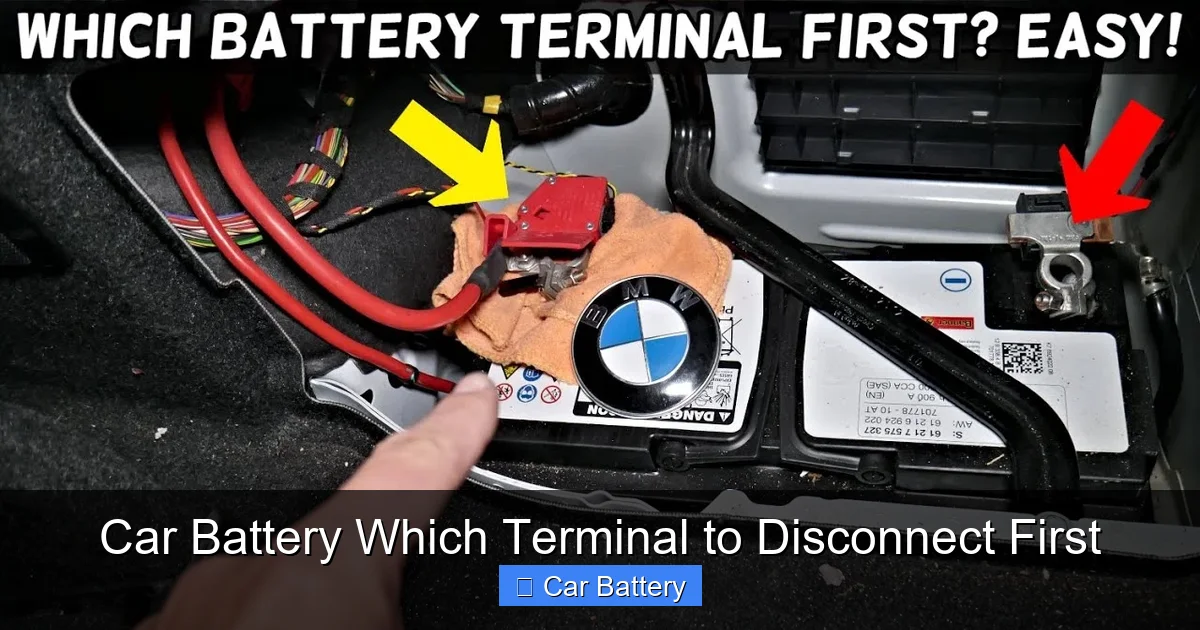
When disconnecting a car battery, always remove the negative terminal first to prevent sparks, short circuits, and potential damage to your vehicle’s electrical system. Reconnecting follows the reverse order—positive first, then negative. This simple rule ensures safety and protects sensitive electronics.
In This Article
- 1 Key Takeaways
- 2 📑 Table of Contents
- 3 Why the Order Matters When Disconnecting a Car Battery
- 4 Understanding Car Battery Basics
- 5 Step-by-Step Guide: How to Safely Disconnect Your Car Battery
- 6 How to Reconnect the Battery Safely
- 7 Common Mistakes to Avoid
- 8 When Should You Disconnect Your Car Battery?
- 9 Tips for Maintaining Your Car Battery
- 10 Conclusion
- 11 Frequently Asked Questions
- 11.1 Which terminal should I disconnect first on a car battery?
- 11.2 Can I disconnect the positive terminal first?
- 11.3 What happens if I connect the battery terminals in the wrong order?
- 11.4 Do I need to disconnect the battery to change a headlight?
- 11.5 How do I clean corroded battery terminals?
- 11.6 Will disconnecting the battery reset my car’s computer?
Key Takeaways
- Disconnect the negative terminal first: This reduces the risk of short circuits and electrical shocks by breaking the ground connection before touching the live positive terminal.
- Reconnect the positive terminal first: When reinstalling the battery, attach the positive cable before the negative to safely restore power without creating accidental sparks.
- Wear protective gear: Always use safety glasses and gloves to protect against acid spills, sparks, or accidental contact with battery terminals.
- Turn off the ignition and remove keys: Ensure the vehicle is completely powered down before starting any battery work to avoid electrical surges.
- Use the right tools: A properly sized wrench or socket prevents stripping terminal nuts and ensures a secure, safe disconnection.
- Avoid metal contact between terminals: Never let tools or jewelry bridge the positive and negative posts, as this can cause dangerous short circuits.
- Check for corrosion regularly: Clean terminals with a baking soda solution to maintain good conductivity and prevent starting issues.
📑 Table of Contents
- Why the Order Matters When Disconnecting a Car Battery
- Understanding Car Battery Basics
- Step-by-Step Guide: How to Safely Disconnect Your Car Battery
- How to Reconnect the Battery Safely
- Common Mistakes to Avoid
- When Should You Disconnect Your Car Battery?
- Tips for Maintaining Your Car Battery
- Conclusion
Why the Order Matters When Disconnecting a Car Battery
Disconnecting a car battery might seem like a simple task—just unplug the cables and set the battery aside, right? But if you’ve ever seen a spark fly when working under the hood, you know there’s more to it than meets the eye. The truth is, the order in which you disconnect your car battery terminals can make a big difference in your safety and the health of your vehicle’s electrical system.
Most modern cars rely on a complex network of computers, sensors, and electronic components that are sensitive to power surges and improper handling. Even a small spark near the battery can ignite hydrogen gas, which batteries naturally emit during charging. That’s why understanding the correct procedure—starting with which terminal to disconnect first—isn’t just a good idea; it’s essential.
The golden rule? Always disconnect the negative terminal first. This isn’t just a suggestion from mechanics—it’s a safety standard rooted in how electrical circuits work. By removing the ground (negative) connection before the live (positive) one, you eliminate the risk of creating a short circuit if your tool accidentally touches both the positive terminal and a grounded metal part of the car. Think of it like turning off the water main before fixing a leaky pipe—you’re cutting off the source of potential danger before you start working.
Understanding Car Battery Basics
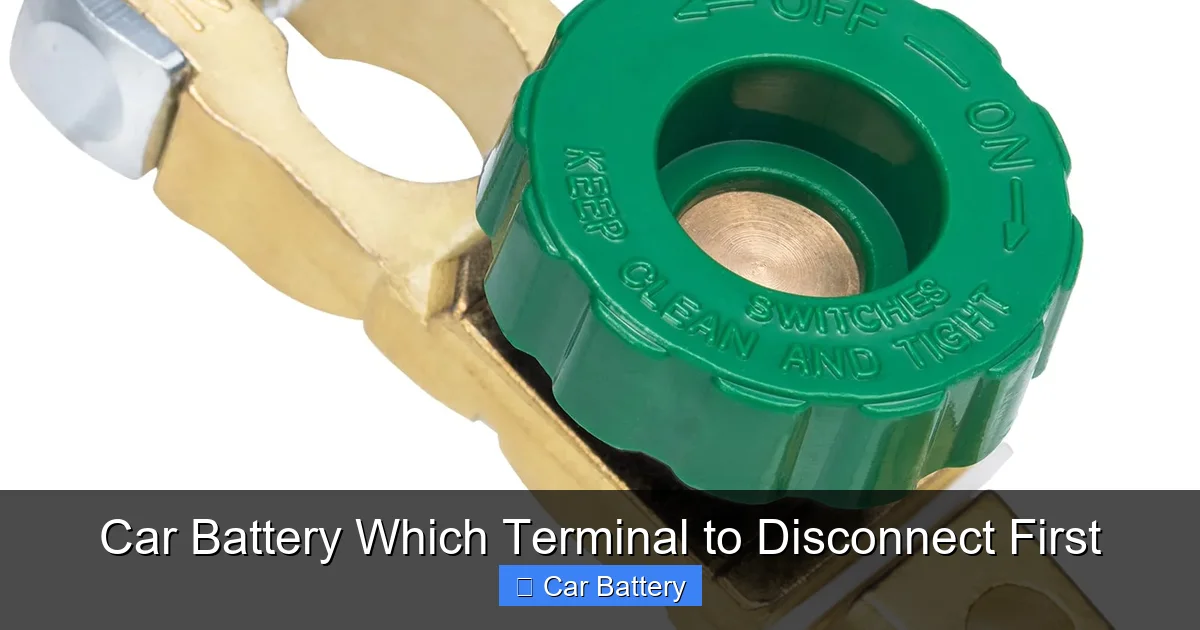
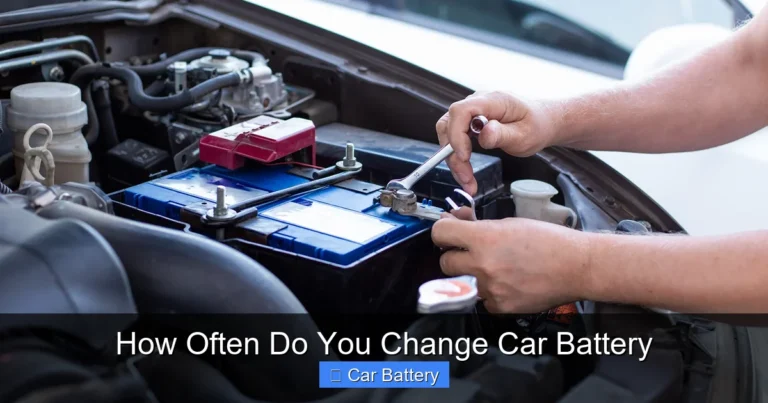
Visual guide about Car Battery Which Terminal to Disconnect First
Image source: m.media-amazon.com
Before diving into the step-by-step process, it helps to understand what’s going on inside your car battery and how it connects to your vehicle.
A typical car battery is a 12-volt lead-acid battery made up of six cells, each producing about 2 volts. These cells are filled with a mixture of sulfuric acid and water (electrolyte) and contain lead plates that undergo chemical reactions to generate electricity. When you turn the key, the battery sends a burst of power to the starter motor, which cranks the engine to life.
The battery has two terminals: positive (+) and negative (-). The positive terminal is usually marked with a red cover or a “+” symbol and is connected to the car’s electrical system. The negative terminal, often black or marked with a “-”, is connected to the car’s chassis—this is what we call the “ground” connection. Because the negative terminal is tied directly to the metal frame of the vehicle, any accidental contact between the positive terminal and the chassis can complete a circuit and cause a short.
This grounding system is what makes disconnecting the negative terminal first so important. When the negative cable is disconnected, the circuit is broken at the ground point. Even if your wrench touches the positive terminal and a metal part of the car, no current will flow because the return path (the ground) is no longer connected. But if you disconnect the positive first, and your tool touches both the positive terminal and the car’s body, you create a direct short—potentially causing sparks, damage to electronics, or even a battery explosion.
Step-by-Step Guide: How to Safely Disconnect Your Car Battery
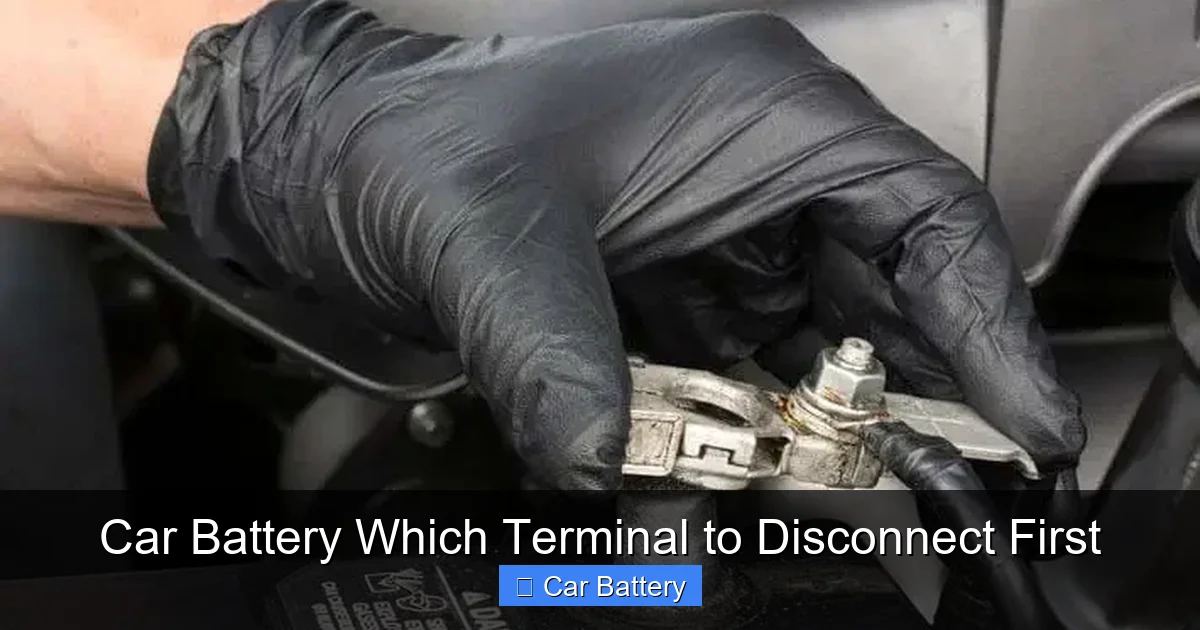
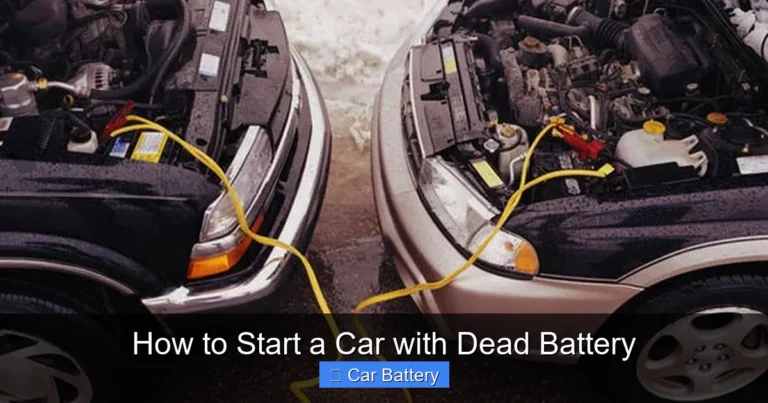
Visual guide about Car Battery Which Terminal to Disconnect First
Image source: thepowerall.com
Now that you understand why the order matters, let’s walk through the correct way to disconnect your car battery—safely and efficiently.
Step 1: Park Safely and Turn Off the Engine
Start by parking your car on a flat, stable surface and engaging the parking brake. Make sure the engine is completely off and the keys are removed from the ignition. This prevents any accidental starts or electrical surges while you’re working. If your car has a keyless ignition, ensure it’s in “off” mode and that no accessories are drawing power.
Step 2: Put on Safety Gear
Before opening the hood, grab a pair of safety glasses and gloves. Car batteries contain corrosive acid and can emit flammable hydrogen gas, so protecting your eyes and skin is crucial. Even if you’re just disconnecting the battery, accidents can happen—better safe than sorry.
Step 3: Locate the Battery
Most car batteries are located under the hood, but in some vehicles—especially newer models—they may be in the trunk, under the rear seat, or even in the wheel well. Check your owner’s manual if you’re unsure. Once you find it, inspect the area for any signs of damage, leaks, or excessive corrosion.
Step 4: Identify the Terminals
Look for the two terminals on top of the battery. The positive terminal is usually larger and marked with a “+” sign and often has a red protective cover. The negative terminal is smaller, marked with a “-”, and typically has a black cover. If the covers are missing, the cables themselves are color-coded: red for positive, black for negative.
Step 5: Disconnect the Negative Terminal First
Using a wrench or socket that fits the terminal nut (usually 10mm or 13mm), loosen the nut on the negative terminal. Do not remove it completely yet—just loosen it enough to wiggle the cable clamp off. Once it’s loose, carefully lift the negative cable off the terminal and tuck it aside so it can’t accidentally touch the battery post.
Why this order? Because the negative terminal is grounded to the car’s chassis, removing it first breaks the circuit. Even if your wrench slips and touches both the positive terminal and the car body, no current will flow—keeping you safe from sparks or shocks.
Step 6: Disconnect the Positive Terminal
Now that the negative is safely disconnected, move to the positive terminal. Loosen the nut and remove the positive cable in the same way. Again, tuck it aside so it doesn’t touch the terminal or any metal parts.
Step 7: Remove the Battery (If Needed)
If you’re replacing or servicing the battery, you may need to remove it from the tray. Most batteries are held in place by a clamp or bracket. Use a wrench to remove the bolts, then carefully lift the battery out. Remember: car batteries are heavy (often 30–50 pounds), so use proper lifting technique—bend your knees, not your back.
How to Reconnect the Battery Safely
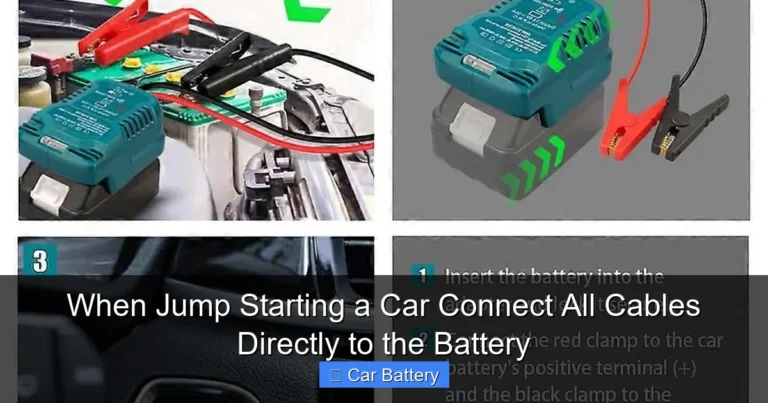
Visual guide about Car Battery Which Terminal to Disconnect First
Image source: i.ytimg.com
Reconnecting the battery follows the reverse order—but with one key difference: you attach the positive terminal first.
Step 1: Place the Battery in the Tray
If you removed the battery, carefully lower it back into the tray, ensuring it’s oriented correctly (terminals on the right or left, depending on your vehicle). Secure it with the hold-down clamp.
Step 2: Connect the Positive Terminal First
Slide the positive cable clamp onto the positive terminal and tighten the nut securely. This restores the live connection, but since the negative is still disconnected, there’s no complete circuit—so no risk of sparks.
Step 3: Connect the Negative Terminal Last
Now attach the negative cable to the negative terminal and tighten the nut. This completes the circuit and restores power to the vehicle.
Why this order? By connecting the positive first, you avoid the risk of shorting the battery if your wrench touches the car’s body while tightening the negative terminal. Since the positive is already connected, any accidental contact with ground won’t create a spark at the moment of connection.
Step 4: Test the Connection
Turn on the ignition (but don’t start the engine yet) and check that dashboard lights come on. Then start the engine to ensure everything is working properly. If your car has electronic systems like radios or security codes, you may need to re-enter them.
Common Mistakes to Avoid
Even experienced DIYers can make mistakes when handling car batteries. Here are some common pitfalls and how to avoid them.
Disconnecting the Positive Terminal First
This is the biggest mistake people make. If you remove the positive terminal first and your tool touches both the positive post and the car’s metal frame, you create a direct short circuit. This can cause a spark, damage the battery, fry electronics, or even cause an explosion. Always remember: negative first, positive last when disconnecting.
Using the Wrong Tools
Using a wrench that’s too big or too small can strip the terminal nuts, making future disconnections difficult. Always use the correct size wrench or socket. A six-point socket is better than a twelve-point because it grips the nut more securely.
Letting Cables Touch the Terminals
After disconnecting, always tuck the cables away so they can’t accidentally fall back onto the terminals. A loose cable touching a terminal can cause a short when you reconnect the other terminal.
Ignoring Corrosion
White, green, or blue crust around the terminals is a sign of corrosion. This buildup can interfere with electrical connections and cause starting problems. Clean it with a mixture of baking soda and water, using an old toothbrush to scrub the terminals and cable clamps. Rinse with water and dry thoroughly before reconnecting.
Not Wearing Protection
Batteries contain sulfuric acid, which can burn skin and eyes. Always wear gloves and safety glasses. If you spill battery acid, neutralize it with baking soda and rinse with plenty of water.
Forgetting to Reset Electronics
Disconnecting the battery can reset your car’s computer, radio presets, clock, and security system. Some vehicles may require a security code to be re-entered. Check your owner’s manual for details.
When Should You Disconnect Your Car Battery?
You don’t need to disconnect your battery every time you pop the hood. But there are several situations where it’s necessary or recommended.
Replacing the Battery
Obviously, you’ll need to disconnect the old battery to install a new one. Always follow the correct order to avoid damage.
Performing Electrical Work
If you’re installing a new stereo, alarm system, or other electronics, disconnecting the battery prevents accidental shorts and protects sensitive components.
Long-Term Storage
If you’re storing your car for weeks or months, disconnecting the battery can prevent it from draining. Alternatively, use a battery maintainer or trickle charger to keep it charged without overcharging.
Cleaning or Servicing Under the Hood
If you’re working near the battery or electrical components, disconnecting the battery reduces the risk of accidental shorts.
After a Jump Start
If your car was jump-started, it’s a good idea to disconnect the battery briefly to reset the electrical system and check for any issues.
Tips for Maintaining Your Car Battery
Proper maintenance can extend the life of your battery and prevent unexpected failures.
Check Terminals Regularly
Inspect the terminals every few months for corrosion, looseness, or damage. Clean as needed and ensure connections are tight.
Keep the Battery Secure
A loose battery can vibrate and damage internal components. Make sure the hold-down clamp is tight.
Test the Battery Voltage
Use a multimeter to check voltage. A fully charged battery should read around 12.6 volts when the car is off. If it’s below 12.4 volts, it may need charging or replacement.
Avoid Short Trips
Frequent short trips don’t give the alternator enough time to recharge the battery. Take longer drives occasionally or use a battery maintainer.
Watch for Warning Signs
Slow cranking, dim lights, or a check engine light can indicate a weak battery. Don’t wait for a no-start situation—get it tested.
Conclusion
Disconnecting a car battery might seem like a minor task, but doing it correctly can save you from serious hazards and expensive repairs. The key takeaway is simple: always disconnect the negative terminal first and reconnect it last. This small step prevents short circuits, protects your vehicle’s electronics, and keeps you safe from sparks or acid exposure.
By following the proper procedure—wearing safety gear, using the right tools, and working methodically—you can handle battery maintenance with confidence. Whether you’re replacing a battery, performing electrical work, or storing your car, taking the time to do it right ensures your vehicle stays reliable and your time under the hood is stress-free.
Remember, your car’s electrical system is more complex than ever, and even a small mistake can lead to big problems. So the next time you need to disconnect your battery, take a deep breath, follow the steps, and always prioritize safety. Your car—and your peace of mind—will thank you.
Frequently Asked Questions
Which terminal should I disconnect first on a car battery?
Always disconnect the negative terminal first. This breaks the ground connection and prevents short circuits if your tool accidentally touches the positive terminal and the car’s metal frame.
Can I disconnect the positive terminal first?
No, you should never disconnect the positive terminal first. Doing so increases the risk of a short circuit, sparks, or damage to your vehicle’s electronics if your tool contacts both the positive terminal and a grounded surface.
What happens if I connect the battery terminals in the wrong order?
Connecting the negative terminal before the positive can cause a spark when the circuit is completed, potentially damaging electronics or igniting hydrogen gas. Always connect positive first, then negative.
Do I need to disconnect the battery to change a headlight?
No, you typically don’t need to disconnect the battery for simple tasks like changing a headlight. However, disconnecting it can reduce the risk of short circuits if you’re working near electrical components.
How do I clean corroded battery terminals?
Mix baking soda and water to form a paste, apply it to the terminals with an old toothbrush, scrub gently, then rinse with water and dry thoroughly before reconnecting.
Will disconnecting the battery reset my car’s computer?
Yes, disconnecting the battery can reset the engine control unit (ECU), radio presets, and other electronic settings. You may need to re-enter security codes or reset the clock afterward.