Car Battery Smoking and Smells
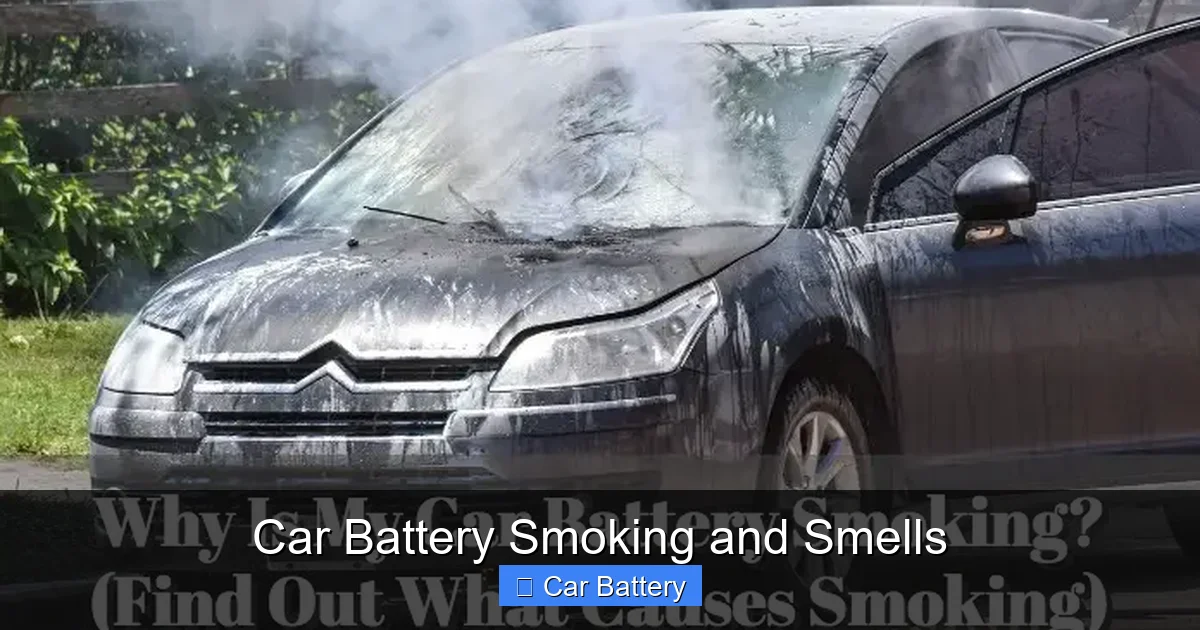
Seeing smoke or smelling strange odors from your car battery is not normal and can indicate a dangerous problem. These signs often point to overheating, overcharging, or internal damage that could lead to leaks, fires, or explosions if ignored.
In This Article
- 1 Key Takeaways
- 2 📑 Table of Contents
- 3 What Does It Mean When Your Car Battery Is Smoking or Smelling?
- 4 Common Causes of Car Battery Smoking
- 5 Why Does My Car Battery Smell Bad?
- 6 Immediate Steps to Take If Your Battery Is Smoking or Smelling
- 7 How to Prevent Car Battery Smoking and Smells
- 8 When to Replace Your Car Battery
- 9 Conclusion
- 10 Frequently Asked Questions
Key Takeaways
- Smoke from a car battery is a red flag: It usually means the battery is overheating due to overcharging, short circuits, or physical damage.
- Unusual smells are warning signs: A rotten egg smell indicates sulfuric acid gas, while a sweet odor may mean electrolyte leakage.
- Immediate action is critical: Turn off the engine, disconnect the battery (if safe), and avoid sparks or flames.
- Overcharging is a common cause: Faulty alternators or voltage regulators can push too much current into the battery.
- Regular maintenance prevents issues: Check terminals, fluid levels (for non-sealed batteries), and charging system health.
- Replace old or damaged batteries: Most car batteries last 3–5 years; aging units are more prone to failure.
- Safety first: Always wear gloves and eye protection when handling batteries, and work in well-ventilated areas.
📑 Table of Contents
What Does It Mean When Your Car Battery Is Smoking or Smelling?
You’re about to start your car on a chilly morning, turn the key—and suddenly notice wisps of smoke rising from under the hood. Or worse, you catch a whiff of something foul, like rotten eggs, coming from the battery area. Your heart skips a beat. Is this normal? Absolutely not.
Car battery smoking and smells are serious warning signs that something is wrong—often dangerously wrong. While car batteries are built to be reliable, they contain corrosive chemicals and generate electrical currents that can become hazardous under certain conditions. When you see smoke or detect unusual odors, it’s your vehicle’s way of screaming for help.
These symptoms don’t appear out of nowhere. They’re usually the result of electrical faults, mechanical damage, or age-related wear. Ignoring them can lead to battery failure, electrical fires, or even explosions. The good news? Most causes are preventable with proper care and quick response. In this guide, we’ll walk you through what causes car battery smoking and smells, how to identify the problem, and what to do next.
Common Causes of Car Battery Smoking
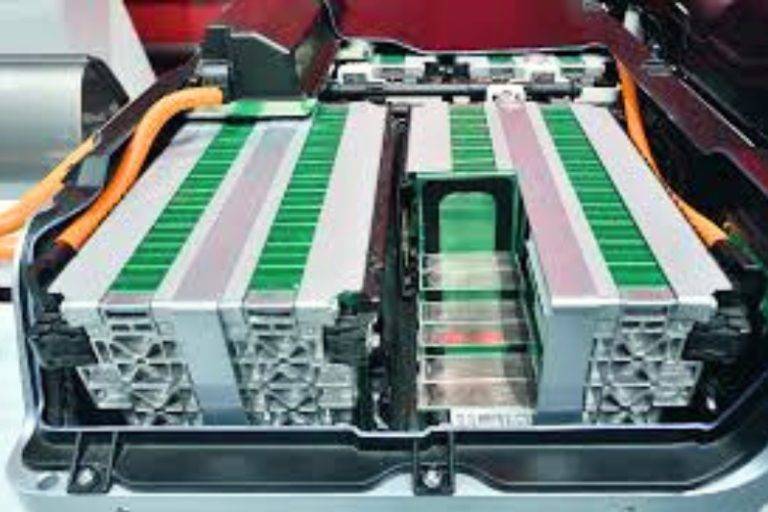
Visual guide about Car Battery Smoking and Smells
Image source: powerbankexpert.com
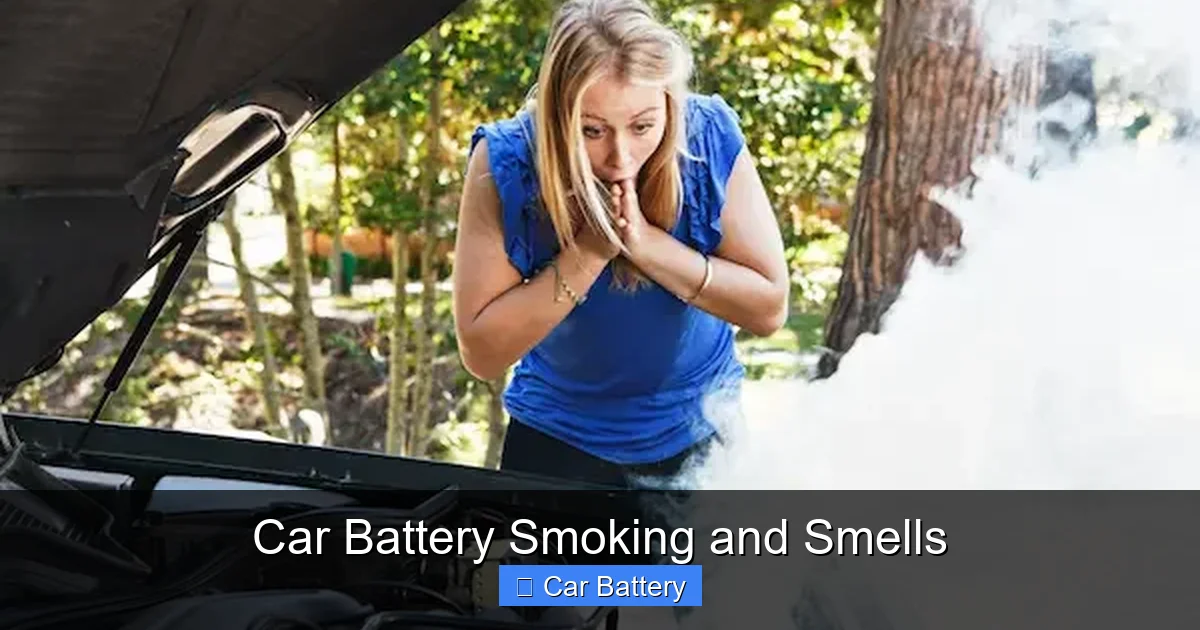
When a car battery starts smoking, it’s a clear sign that internal components are overheating. This isn’t just a minor issue—it’s a potential fire hazard. Let’s break down the most common reasons why this happens.
Overcharging by the Alternator
One of the leading causes of battery smoking is overcharging. Your car’s alternator is responsible for recharging the battery while the engine runs. But if the alternator’s voltage regulator fails, it can send too much electrical current into the battery. This excess voltage causes the electrolyte (a mix of sulfuric acid and water) inside the battery to overheat and boil.
When the electrolyte boils, it produces hydrogen and oxygen gases. These gases build up pressure inside the battery casing. If the pressure gets too high, the battery may vent gas—sometimes with visible smoke or steam. In extreme cases, the casing can crack or rupture.
For example, if your dashboard warning lights flicker, your headlights dim and brighten randomly, or your battery feels hot to the touch, your alternator might be overcharging the battery. A voltage reading above 14.8 volts when the engine is running is a strong indicator.
Short Circuits or Internal Damage
A short circuit occurs when electrical current takes an unintended path, often due to damaged internal plates or debris inside the battery. This can happen if the battery is dropped, vibrates excessively, or ages beyond its lifespan.
When a short circuit happens, it creates a surge of current that generates intense heat. This heat can melt internal components, warp plates, and cause the battery to smoke. You might also notice a sudden loss of power or the engine failing to start.
Physical damage—like a cracked case or loose terminals—can also lead to arcing (sparks) between terminals. This not only causes smoking but can ignite flammable gases released by the battery.
Overfilled or Leaking Electrolyte
In traditional lead-acid batteries (not sealed AGM or gel types), the electrolyte level must be maintained properly. If you add too much water or acid during maintenance, the liquid can overflow when the battery heats up during charging.
This overflow often appears as white, powdery residue around the terminals or vents. But if the overflow is significant, it can mix with dirt and heat to produce smoke or steam. Additionally, leaking electrolyte can corrode nearby metal parts and emit a strong, acidic smell.
Always check the fluid level using the built-in sight glass or by carefully removing the caps (if applicable). The level should be just above the plates—never above the filler neck.
Extreme Temperatures
Both extreme heat and cold can stress a car battery. In hot climates, prolonged exposure to high temperatures under the hood can cause the battery to overheat, especially if it’s already weakened.
Cold weather, on the other hand, reduces a battery’s ability to hold a charge. When you try to start the engine in freezing conditions, the battery works harder, which can lead to overheating if it’s old or damaged.
If you live in an area with harsh weather, consider using a battery insulator or parking in a garage to reduce temperature extremes.
Why Does My Car Battery Smell Bad?
Visual guide about Car Battery Smoking and Smells
Image source: ik.imagekit.io
While smoke is a visual warning, strange smells are your nose’s way of alerting you to danger. Car batteries can emit several distinct odors, each pointing to a different issue.
Rotten Egg Smell (Hydrogen Sulfide Gas)
The most common and alarming battery smell is the unmistakable odor of rotten eggs. This is caused by hydrogen sulfide gas, which forms when sulfuric acid inside the battery breaks down under high heat or overcharging.
Hydrogen sulfide is not only unpleasant—it’s also toxic in high concentrations. Breathing it in can cause headaches, dizziness, or nausea. In enclosed spaces like a garage, the gas can accumulate quickly.
If you smell this odor, ventilate the area immediately. Open windows and doors, and avoid creating sparks or flames near the battery. Hydrogen gas (also produced during charging) is highly flammable and can ignite with a single spark.
Sweet or Fruity Odor (Electrolyte Leakage)
A sweet or fruity smell is less common but equally concerning. It usually indicates that battery acid or electrolyte is leaking from the casing. This can happen due to cracks, overfilling, or corrosion at the terminals.
The sweet smell comes from the chemical composition of the electrolyte, which contains sulfuric acid and water. When it leaks, it can mix with dirt and moisture, creating a sticky, acidic residue.
This type of leak is dangerous because it can corrode metal parts, damage wiring, and increase the risk of electrical shorts. It also means the battery is losing its essential fluid, reducing its performance and lifespan.
Burning Plastic or Rubber Smell
If you detect a burning plastic or rubber odor, it may not be coming from the battery itself—but from nearby components affected by battery heat or acid leaks.
For example, if battery acid drips onto wiring harnesses or plastic covers, it can cause them to melt or burn. Similarly, overheating from a faulty battery can damage insulation on cables, leading to a burning smell.
This smell often indicates a secondary problem caused by the battery issue. It’s a sign that the damage may already be spreading beyond the battery.
Immediate Steps to Take If Your Battery Is Smoking or Smelling
Visual guide about Car Battery Smoking and Smells
Image source: ik.imagekit.io
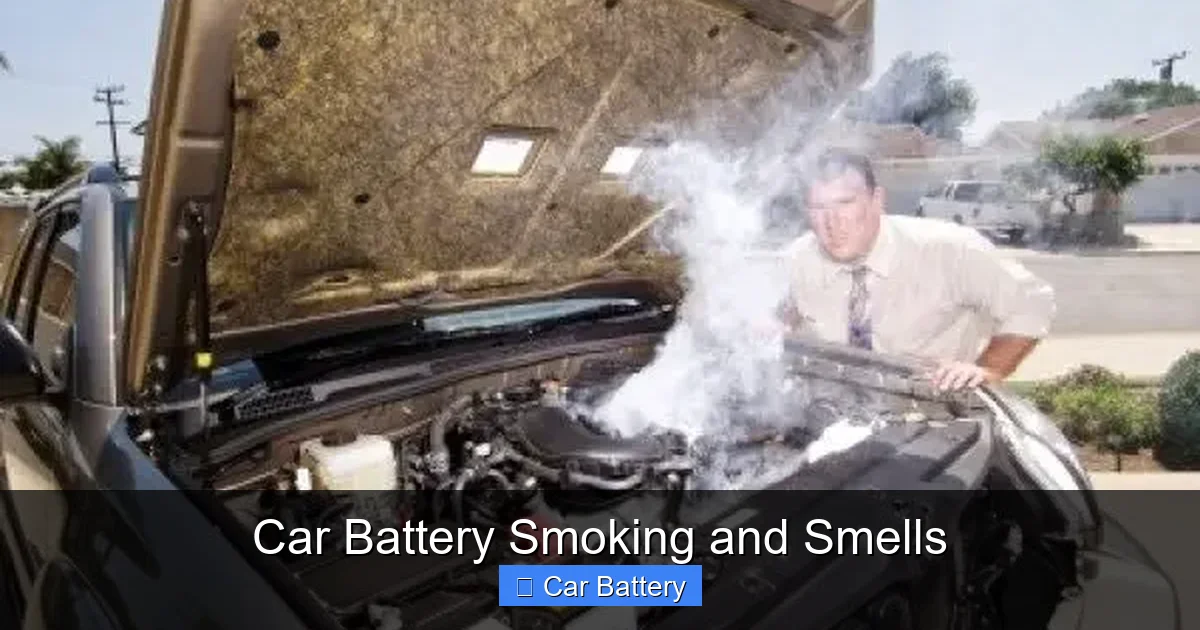
When you notice smoke or a strange smell from your car battery, time is critical. Here’s what to do right away to protect yourself and your vehicle.
1. Turn Off the Engine Immediately
As soon as you see smoke or smell something unusual, shut off the engine. Continuing to run the vehicle can worsen the problem by increasing heat and electrical load.
2. Move to a Safe Location
If you’re driving, pull over safely and turn on your hazard lights. Get out of the car and stand at a safe distance—at least 10–15 feet away. Batteries can emit flammable gases, and in rare cases, explode.
3. Do Not Open the Battery Caps (Unless Trained)
If your battery has removable caps, resist the urge to open them. Opening a hot or pressurized battery can release toxic gases or cause acid to spray out.
Only attempt to inspect the battery if you’re wearing protective gear (gloves, goggles) and are confident in your ability to handle it safely.
4. Disconnect the Battery (If Safe to Do So)
If the smoking has stopped and the battery is cool to the touch, you may carefully disconnect it. Always disconnect the negative terminal first, then the positive. Use a wrench and avoid touching both terminals at the same time to prevent sparks.
5. Ventilate the Area
Open the hood and allow fresh air to circulate. This helps disperse any lingering gases and reduces the risk of ignition.
6. Call for Professional Help
Do not attempt to drive the vehicle or restart the engine. Contact a mechanic or roadside assistance service. They can safely inspect the battery, alternator, and charging system.
How to Prevent Car Battery Smoking and Smells
Prevention is always better than repair—especially when it comes to car batteries. A few simple habits can go a long way in avoiding dangerous situations.
Regular Battery Inspections
Check your battery every few months for signs of damage, corrosion, or leaks. Look for:
– White, green, or blue powdery buildup on terminals (corrosion)
– Cracks or bulges in the casing
– Loose or damaged cables
– Low electrolyte levels (in non-sealed batteries)
Clean corrosion with a mixture of baking soda and water, then rinse with clean water and dry thoroughly.
Test the Charging System
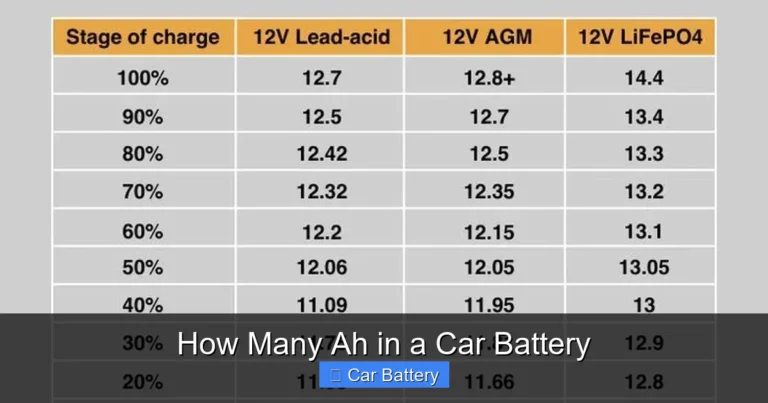
Use a multimeter to check your battery voltage regularly. A healthy battery should read:
– 12.6 volts or higher when the engine is off
– 13.7 to 14.7 volts when the engine is running
If the voltage is too high (above 15 volts), your alternator may be overcharging the battery. If it’s too low, the battery may not be charging properly.
Many auto parts stores offer free battery and charging system tests—take advantage of them.
Replace Old Batteries
Most car batteries last between 3 and 5 years. If your battery is older than that, consider replacing it before problems arise. Aging batteries are more prone to internal damage, leaks, and failure.
Look for the manufacture date on the battery label (usually a letter and number code). For example, “A12” means January 2012.
Secure the Battery Properly
A loose battery can vibrate excessively, leading to internal damage or terminal loosening. Make sure the battery is firmly secured in its tray with a hold-down clamp.
Use a Battery Maintainer in Extreme Climates
If you live in a very hot or cold region, consider using a battery maintainer or trickle charger. These devices keep the battery at an optimal charge level without overcharging.
When to Replace Your Car Battery
Even with the best care, car batteries don’t last forever. Here are signs it’s time for a replacement:
– The battery is more than 5 years old
– The engine cranks slowly or struggles to start
– The battery case is swollen or bulging
– You’ve had to jump-start the car multiple times
– The battery fails a load test
Don’t wait for smoking or smells to appear. Proactive replacement can save you from being stranded—or worse.
Conclusion
Car battery smoking and smells are not something to ignore. They’re clear signals that your battery is under stress and could pose a serious safety risk. Whether it’s overcharging, internal damage, or a simple leak, these issues demand immediate attention.
By understanding the causes and knowing how to respond, you can protect yourself, your passengers, and your vehicle. Regular maintenance, timely inspections, and replacing old batteries are key to preventing problems before they start.
Remember: when it comes to car batteries, safety always comes first. If you’re ever unsure, don’t hesitate to call a professional. Your car—and your peace of mind—will thank you.
Frequently Asked Questions
Is it normal for a car battery to smell?
No, a healthy car battery should not produce any noticeable odor. If you smell rotten eggs, sweetness, or burning, it indicates a problem such as overcharging, leakage, or overheating.
Can a smoking car battery explode?
Yes, in rare cases, a smoking battery can explode due to pressure buildup from gases like hydrogen and oxygen. This is more likely if the battery is damaged, overcharged, or exposed to sparks.
What should I do if my battery smells like rotten eggs?
Ventilate the area immediately, avoid sparks or flames, and turn off the engine. The smell indicates hydrogen sulfide gas, which is toxic and flammable. Seek professional help.
Can I drive with a smoking battery?
No, you should never drive with a smoking battery. Turn off the engine, move to safety, and call for assistance. Continuing to drive increases the risk of fire or explosion.
How often should I check my car battery?
Inspect your battery every 3–6 months for corrosion, damage, and proper connections. Test the voltage annually or before long trips.
Can a bad alternator cause battery smoking?
Yes, a faulty alternator or voltage regulator can overcharge the battery, causing it to overheat, boil, and smoke. Have your charging system tested if you suspect this issue.