Can You Wash Your Car Too Much?

Contents
- 1 Key Takeaways
- 2 📑 Table of Contents
- 3 Can You Wash Your Car Too Much?
- 4 Why Washing Your Car Matters
- 5 The Hidden Dangers of Overwashing
- 6 How Often Should You Really Wash Your Car?
- 7 Best Practices for Safe and Effective Car Washing
- 8 Alternatives to Traditional Washing
- 9 Protecting Your Car Between Washes
- 10 Conclusion
- 11 Frequently Asked Questions


Yes, you can wash your car too much—especially if you’re using harsh methods or low-quality products. Overwashing can strip protective wax, scratch paint, and waste water, but a smart washing routine keeps your car looking great without damage.
Key Takeaways
- Overwashing can damage paint: Frequent washing with abrasive tools or harsh chemicals can strip wax, cause micro-scratches, and dull the finish over time.
- Frequency depends on environment: Cars in rainy, salty, or dusty areas need more frequent washes, while garage-kept vehicles in dry climates may only need monthly cleaning.
- Use the right tools: Microfiber mitts, pH-neutral shampoos, and two-bucket methods reduce swirl marks and protect your car’s clear coat.
- Waterless and rinse-free washes help: These eco-friendly options are great for quick touch-ups between full washes and minimize water usage.
- Waxing protects between washes: Applying wax or sealant every 3–6 months adds a protective layer that reduces dirt buildup and makes washing easier.
- Automatic car washes have pros and cons: Touchless washes are gentler, while brush-based systems can cause swirls—choose wisely based on your car’s condition.
- Consistency beats frequency: A gentle, regular washing routine is better than occasional aggressive scrubbing that harms the paint.
📑 Table of Contents
Can You Wash Your Car Too Much?
We’ve all been there—standing in the driveway with a bucket, sponge, and a sense of pride, ready to give our car the spa treatment it deserves. Washing your car feels good. It makes your ride shine, boosts your mood, and gives you that satisfying “I took care of my stuff” feeling. But here’s a question that might surprise you: Can you wash your car too much?
At first glance, it seems like more cleaning can’t hurt. After all, dirt and grime can damage your paint, right? And isn’t a clean car always better than a dirty one? Well, not exactly. While regular cleaning is essential for maintaining your vehicle’s appearance and value, overdoing it—especially with the wrong techniques—can actually do more harm than good. From stripping away protective wax to causing fine scratches that dull your paint over time, washing your car too often or too aggressively can backfire.
So where’s the sweet spot? How do you keep your car clean without turning it into a high-maintenance project or, worse, damaging it? The answer lies in understanding your car’s needs, your environment, and the tools you use. It’s not just about how often you wash—it’s about how you wash. In this guide, we’ll break down everything you need to know about car washing frequency, the risks of overwashing, and how to develop a smart, sustainable cleaning routine that keeps your vehicle looking its best for years to come.
Why Washing Your Car Matters

Visual guide about Can You Wash Your Car Too Much?
Image source: washnwhips.com
Before we dive into the risks of overwashing, let’s first acknowledge why washing your car is important in the first place. A clean car isn’t just about aesthetics—it’s about protection, longevity, and even safety.
Dirt, dust, bird droppings, tree sap, and road salt can all take a toll on your vehicle’s exterior. These contaminants aren’t just unsightly; they’re corrosive. Bird droppings, for example, contain acidic compounds that can etch into your clear coat if left too long. Road salt, especially in winter climates, accelerates rust formation on metal surfaces and undercarriage components. Even everyday dust can act like fine sandpaper when rubbed against the paint during washing, leading to micro-scratches.
Regular washing removes these harmful substances before they cause permanent damage. It also helps preserve the protective layers on your car—like wax, sealants, and ceramic coatings—that shield the paint from UV rays, oxidation, and environmental pollutants. A well-maintained exterior not only looks better but also holds its value longer, which is crucial if you ever plan to sell or trade in your vehicle.
Beyond the paint, cleaning your car improves visibility and safety. A dirty windshield, windows, and headlights can reduce your ability to see clearly, especially at night or in bad weather. Mud and grime on tires and wheel wells can also affect braking performance and lead to uneven wear over time.
So yes, washing your car is important—but like most things in life, moderation and method matter. The goal isn’t to wash as often as possible, but to wash smartly and safely.
The Hidden Dangers of Overwashing

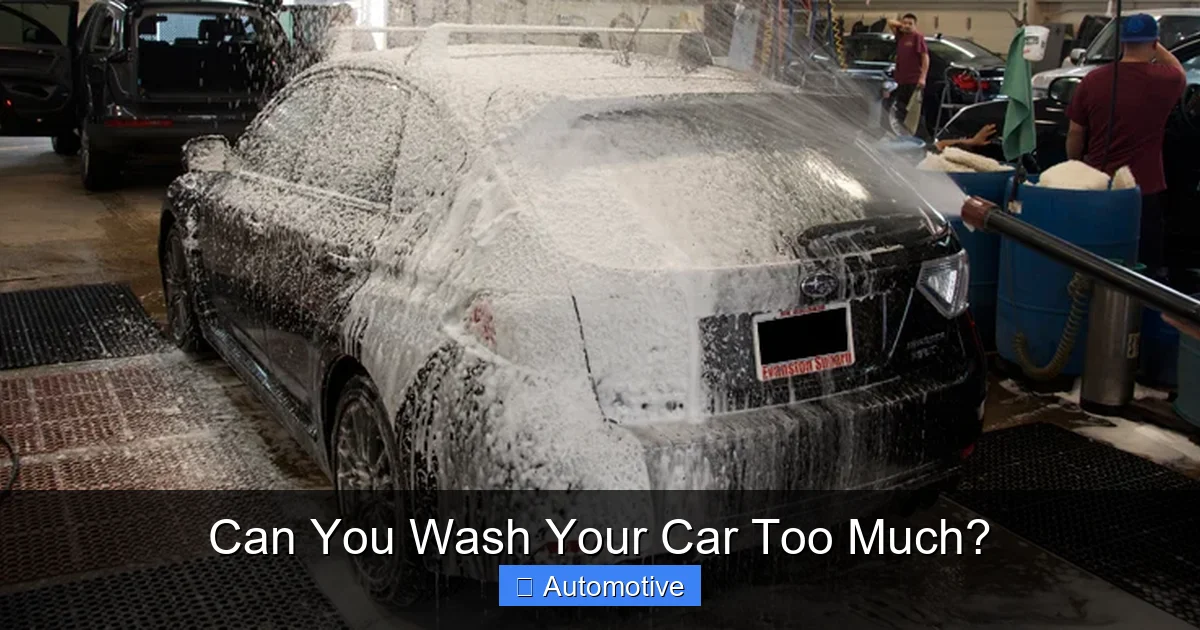
Visual guide about Can You Wash Your Car Too Much?
Image source: cardetailingplanet.com
Now, let’s get into the heart of the matter: the risks of washing your car too much. While cleanliness is key, overzealous washing can lead to a host of problems that compromise your car’s appearance and integrity.
One of the most common issues is the degradation of protective coatings. Most modern cars come with a clear coat—a transparent layer of paint that protects the colored base coat underneath. This clear coat is durable, but not invincible. Every time you wash your car, especially with abrasive tools or harsh chemicals, you wear it down slightly. Over time, this repeated abrasion can thin the clear coat, making it more susceptible to scratches, fading, and oxidation.
Another major concern is the buildup of swirl marks and fine scratches. These tiny imperfections are often caused by improper washing techniques—like using a dirty sponge, a low-quality mitt, or washing in direct sunlight. Even automatic car washes with rotating brushes can leave behind swirls, especially if the brushes aren’t cleaned regularly. While these marks may not be visible at first, they accumulate over time and give your paint a hazy, dull appearance.
Overwashing can also strip away wax and sealants faster than they can be replenished. These protective layers are essential for repelling water, dirt, and UV rays. When they’re constantly removed by frequent washing, your car becomes more vulnerable to environmental damage. You might notice water no longer beads up on the surface, or that dirt sticks more easily—both signs that your protective barrier is compromised.
And let’s not forget the environmental impact. Washing your car too often wastes water, especially if you’re using a hose without a shut-off nozzle. According to the EPA, a typical car wash can use anywhere from 40 to 140 gallons of water. Multiply that by weekly or even bi-weekly washes, and you’re looking at a significant amount of wasted resources. Even commercial car washes, while more efficient, still consume large volumes of water unless they use advanced reclamation systems.
Finally, there’s the wear and tear on your car’s exterior components. Frequent washing can degrade rubber seals, weather stripping, and trim over time, especially if you’re using high-pressure washers or harsh detergents. These parts are designed to last, but excessive exposure to water and chemicals can cause them to dry out, crack, or fade prematurely.
In short, while washing your car is necessary, doing it too often or with the wrong approach can do more harm than good. The key is to find a balance that keeps your car clean without overdoing it.
How Often Should You Really Wash Your Car?

Visual guide about Can You Wash Your Car Too Much?
Image source: m.media-amazon.com
So, how often is too often? The answer isn’t one-size-fits-all. The ideal washing frequency depends on several factors, including your climate, driving habits, and where you park your car.
Let’s start with the basics. For most drivers, washing your car every two to four weeks is a good rule of thumb. This interval allows you to remove dirt and contaminants before they cause damage, without overdoing it. However, this can vary widely based on your environment.
If you live in a coastal area, for example, you’ll need to wash your car more frequently. Salt air is highly corrosive and can accelerate rust and paint damage. In these regions, washing every 1–2 weeks is often recommended, especially during humid or rainy seasons when salt residue is more prevalent.
Similarly, if you drive in snowy or icy conditions, road salt and de-icing chemicals can build up quickly on your car’s undercarriage and wheel wells. These substances are designed to melt ice, but they’re also highly corrosive. In winter climates, it’s wise to wash your car every 1–2 weeks, paying special attention to the undercarriage and wheel areas.
On the flip side, if you live in a dry, desert climate with little rain and minimal pollution, you might be able to go longer between washes—perhaps every 4–6 weeks. Dust and sand can still accumulate, but they’re generally less damaging than salt or acidic contaminants. Just be sure to avoid washing in direct sunlight, as rapid drying can leave water spots.
Your parking situation also plays a role. If you park your car in a garage most of the time, it’s protected from rain, bird droppings, and tree sap, so you can likely extend the time between washes. But if your car sits outside 24/7, exposed to the elements, it will need more frequent cleaning—especially if you live near trees, construction sites, or busy roads.
Driving habits matter too. If you commute long distances on highways, your car will pick up more bugs, tar, and road grime. If you frequently drive on dirt roads or in muddy conditions, you’ll need to wash more often to prevent buildup.
Ultimately, the best way to determine your washing schedule is to inspect your car regularly. Look for signs like visible dirt, water spots, or a rough texture when you run your hand over the paint. If the surface feels gritty or looks dull, it’s time for a wash. But if it still feels smooth and shiny, you might be able to wait a bit longer.
Best Practices for Safe and Effective Car Washing
Now that we’ve covered how often to wash, let’s talk about how to wash your car the right way. A proper washing technique not only cleans your car effectively but also protects it from damage.
Use the Right Tools
The tools you use make a huge difference. Start with a high-quality microfiber wash mitt or sponge. These materials are soft and designed to trap dirt particles, reducing the risk of scratching. Avoid using regular household sponges or dish towels—they’re too abrasive and can leave swirl marks.
Next, invest in a pH-neutral car shampoo. Unlike dish soap or household cleaners, which are highly alkaline and can strip wax and damage paint, car-specific shampoos are formulated to be gentle on automotive finishes. Look for products labeled “pH-balanced” or “safe for clear coat.”
A two-bucket method is also highly recommended. Fill one bucket with soapy water and the other with clean rinse water. After washing each section of the car, dip your mitt into the rinse bucket to remove dirt before re-dipping into the soap. This prevents you from grinding dirt back into the paint.
Wash in the Shade
Always wash your car in the shade or during cooler parts of the day. Washing in direct sunlight causes water and soap to dry too quickly, leaving behind water spots and soap residue. These spots can be difficult to remove and may require polishing to fix.
Start from the Top
Work from the roof down to the wheels. This prevents dirt from the lower, dirtier areas from being transferred to cleaner surfaces. Use a separate mitt or sponge for the wheels and tires, as they collect brake dust and road grime that can scratch paint.
Rinse Thoroughly
Before applying soap, rinse the entire car with water to remove loose dirt and debris. This reduces the risk of scratching during the wash. After washing, rinse again to remove all soap residue.
Dry Properly
Never let your car air-dry. Water spots can form, especially if you have hard water. Use a clean, soft microfiber drying towel to gently blot—not rub—the surface dry. Patience is key here; rushing can lead to scratches.
Consider Waterless or Rinse-Free Washes
For quick cleanups between full washes, waterless or rinse-free car wash products are excellent options. These sprays lift dirt and encapsulate it in a lubricating formula, allowing you to wipe it away without water. They’re perfect for spot-cleaning bird droppings, dust, or light grime, and they use far less water than traditional methods.
Alternatives to Traditional Washing
If you’re concerned about overwashing or want to reduce water usage, there are several alternatives to traditional hose-and-bucket washing.
Automatic Car Washes
Commercial car washes are convenient and often more water-efficient than home washing, especially if they use reclamation systems. However, not all automatic washes are created equal.
Touchless car washes use high-pressure water and detergents to clean without physical contact. These are generally safer for your paint, especially if you have a ceramic coating or delicate finish. However, they may not be as effective at removing heavy dirt or tar.
Brush-based automatic washes are more aggressive and can clean thoroughly, but the rotating brushes—even if they’re soft—can cause swirl marks over time. If you use these, choose a reputable wash with well-maintained equipment and avoid frequent visits.
Self-Serve Car Washes
Self-serve bays give you control over the process. You can use the high-pressure wand to rinse, apply soap with a foam cannon, and rinse again. These are great for thorough cleaning, especially for the undercarriage and wheels. Just be mindful of pressure settings—too high can damage trim or seals.
Mobile Detailing Services
For a professional touch without the hassle, consider hiring a mobile detailer. These services come to your home or office and use professional-grade equipment and eco-friendly products. They often include waxing, interior cleaning, and paint correction, making them a great option for maintaining your car’s appearance without the risk of DIY mistakes.
Protecting Your Car Between Washes
One of the best ways to reduce the need for frequent washing is to protect your car’s paint with a quality wax, sealant, or ceramic coating.
Waxing
Traditional car wax provides a protective layer that repels water and dirt, making it easier to clean your car and reducing the frequency of washes. Apply wax every 3–6 months, depending on your climate and driving conditions. Carnauba wax offers a deep, warm shine, while synthetic sealants last longer and provide better UV protection.
Sealants
Paint sealants are synthetic products that bond to the clear coat and offer longer-lasting protection than wax—often up to 6 months. They’re more durable and resistant to harsh weather, making them ideal for drivers in extreme climates.
Ceramic Coatings
For the ultimate protection, consider a ceramic coating. These liquid polymers form a semi-permanent bond with your paint, creating a hard, hydrophobic layer that resists scratches, UV rays, and chemical stains. A professional ceramic coating can last 2–5 years, drastically reducing the need for frequent washing and waxing.
In addition to coatings, regular maintenance like cleaning wheels, applying tire shine, and using glass cleaner on windows can keep your car looking fresh between washes.
Conclusion
So, can you wash your car too much? The short answer is yes—especially if you’re using the wrong tools, techniques, or frequency. While keeping your car clean is essential for protecting its paint, value, and performance, overwashing can lead to swirl marks, stripped wax, wasted water, and even long-term damage.
The key is balance. Wash your car regularly enough to remove harmful contaminants, but not so often that you wear down the protective layers. Use gentle, high-quality products and methods, and consider alternatives like waterless washes or professional detailing when appropriate.
By adopting a smart, consistent washing routine—and protecting your car with wax or sealant—you can keep your vehicle looking its best without overdoing it. After all, a clean car is a happy car, but a well-cared-for car is even better.
Frequently Asked Questions
How often should I wash my car in winter?
Wash your car every 1–2 weeks in winter, especially if you drive on salted roads. Focus on the undercarriage and wheel wells to prevent rust and corrosion from road salt and de-icing chemicals.
Can I use dish soap to wash my car?
No, dish soap is too harsh and can strip wax and damage your paint. Always use a pH-neutral car shampoo designed for automotive finishes.
Is it okay to wash my car in direct sunlight?
It’s best to avoid washing in direct sunlight, as water and soap can dry quickly and leave behind spots. Wash in the shade or during cooler parts of the day.
Are automatic car washes safe for my paint?
Touchless car washes are generally safer, but brush-based systems can cause swirl marks over time. Choose a reputable wash and avoid frequent visits if you’re concerned about paint damage.
Can waterless car wash products damage my paint?
No, quality waterless washes are safe when used correctly. They lift dirt with lubricants and won’t scratch if you use a clean microfiber towel and follow the instructions.
How can I reduce water usage when washing my car?
Use a bucket and sponge instead of a running hose, try waterless washes for light cleaning, or visit a commercial car wash with water reclamation systems to minimize waste.