
What to Do When a Car Overheats

When your car overheats, act fast to prevent serious engine damage. Pull over safely, turn off the engine, and let it cool before checking coolant levels or calling for help. Understanding the causes and knowing how to respond can save you time, money, and stress on the road.
Key Takeaways
- Pull over immediately: Continuing to drive with an overheating engine can cause irreversible damage. Safely exit traffic and stop in a secure location.
- Turn off the engine: Let the engine cool down completely before attempting any checks or repairs. Opening the hood too soon can cause burns or injury.
- Check coolant levels: Low coolant is a common cause of overheating. Add coolant or water if safe to do so, but only after the engine has cooled.
- Never open a hot radiator cap: The system is under pressure and can release scalding steam. Wait at least 30 minutes before inspecting.
- Use the heater to cool the engine: Turning on the heater can draw heat away from the engine temporarily, helping to reduce temperature in a pinch.
- Call for roadside assistance: If you’re unsure or the problem persists, don’t risk driving. A tow to a mechanic is safer than causing engine failure.
- Prevent future overheating: Regular maintenance, including coolant flushes and radiator inspections, helps avoid repeat issues.
📑 Table of Contents
- What to Do When a Car Overheats: A Complete Guide
- Recognizing the Warning Signs of an Overheating Car
- Immediate Steps to Take When Your Car Overheats
- Common Causes of Car Overheating
- How to Safely Check and Add Coolant
- When to Call a Mechanic or Roadside Assistance
- Preventing Future Overheating Issues
- Conclusion
What to Do When a Car Overheats: A Complete Guide
Imagine you’re cruising down the highway on a hot summer day, the air conditioning keeping you comfortable—until suddenly, the temperature gauge on your dashboard starts climbing into the red zone. Your car begins to feel sluggish, and you notice steam or a strange smell coming from under the hood. Your heart races. You know something’s wrong. Your car is overheating.
This scenario is more common than you might think, and while it can be alarming, knowing what to do when a car overheats can make all the difference. Overheating isn’t just an inconvenience—it can lead to serious engine damage, costly repairs, or even a dangerous breakdown on the side of the road. But with the right knowledge and quick action, you can protect your vehicle and stay safe.
In this guide, we’ll walk you through exactly what to do when a car overheats, from the moment you notice the warning signs to long-term prevention strategies. Whether you’re a new driver or a seasoned road warrior, this information could save you thousands in repairs and keep you out of harm’s way. Let’s dive in.
Recognizing the Warning Signs of an Overheating Car
The first step in handling an overheating car is recognizing the symptoms early. Ignoring the warning signs can turn a minor issue into a major repair job. So, what should you look and listen for?

Visual guide about What to Do When a Car Overheats
Image source: debrouxautomotive.com
Dashboard Warning Lights
Most modern vehicles are equipped with a temperature warning light—usually shaped like a thermometer or labeled “TEMP”—that illuminates when the engine is running too hot. If this light comes on, take it seriously. It’s your car’s way of saying, “Hey, something’s not right under the hood.”
Temperature Gauge in the Red
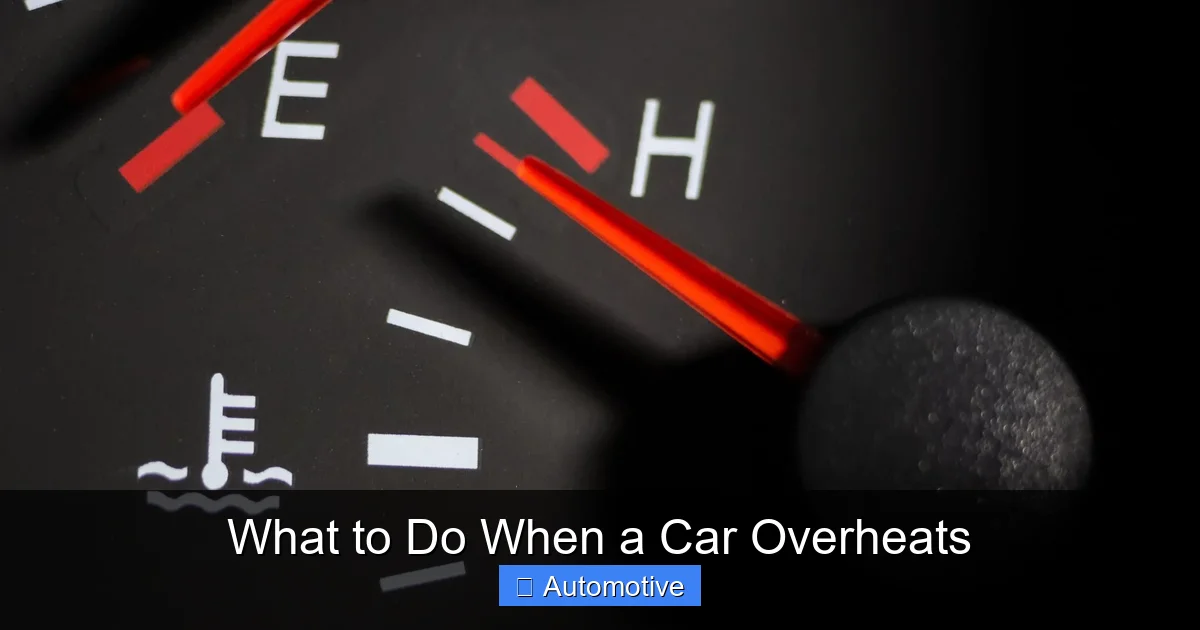
Even if the warning light doesn’t come on, keep an eye on your temperature gauge. It’s typically located near the speedometer and shows the engine’s operating temperature. Normal range is usually in the middle. If the needle creeps into the red zone or spikes suddenly, your engine is overheating.
Steam or Smoke from Under the Hood
Seeing steam or smoke is a clear sign of trouble. Steam often looks like white vapor and may come from the front of the engine bay. It’s usually caused by coolant boiling and escaping from the radiator or hoses. Smoke, especially if it’s blue or smells like burning oil, could indicate a more serious leak or mechanical failure.
Unusual Smells
Your nose can be a powerful diagnostic tool. A sweet, syrupy smell often means coolant is leaking and burning off hot engine parts. A burning rubber or electrical odor could point to a seized fan or damaged wiring. Trust your instincts—if something smells off, investigate.
Loss of Power or Strange Noises
An overheating engine may run rough, hesitate, or lose power. You might hear knocking, pinging, or a loud ticking noise. These sounds can indicate that internal components are expanding due to excessive heat, potentially causing damage like warped cylinder heads or blown head gaskets.
For example, imagine you’re driving up a steep hill and notice your car struggling to maintain speed. The engine feels sluggish, and the temperature gauge is climbing. These are classic signs of overheating under load. Pulling over at the first safe opportunity could prevent a complete breakdown.
The key takeaway? Don’t ignore the signs. Early detection gives you the best chance to respond effectively and avoid costly repairs.
Immediate Steps to Take When Your Car Overheats
So, you’ve spotted the warning signs. Now what? Your actions in the next few minutes can determine whether your car needs a simple top-up or a full engine rebuild. Here’s a step-by-step guide on what to do when a car overheats.
Visual guide about What to Do When a Car Overheats
Image source: risemalaysia.com.my
1. Pull Over Safely
The very first thing you should do is pull over as soon as it’s safe. Signal, check your mirrors, and move to the shoulder or a parking lot. Avoid stopping in traffic or on narrow roads where you could be hit by other vehicles. Your safety—and the safety of others—comes first.
Once you’re stopped, turn on your hazard lights to alert other drivers. This is especially important at night or in low-visibility conditions.
2. Turn Off the Engine
After pulling over, shut off the engine immediately. Continuing to run a hot engine can cause severe damage, including warped cylinder heads, cracked engine blocks, or a blown head gasket. These repairs can cost thousands of dollars.
Some drivers worry about losing power steering or brakes, but modern cars are designed to allow safe stopping even with the engine off. Just steer and brake normally—it might feel a bit heavier, but you’ll still have control.
3. Open the Hood (Carefully)
Once the engine is off, pop the hood. But don’t rush to open it fully. The engine and surrounding components may still be extremely hot, and opening the hood too quickly can release trapped steam or hot air, potentially causing burns.
Instead, open the hood just enough to let heat escape gradually. Wait at least 15–30 minutes before fully opening it. Use a rag or glove to protect your hands if you need to touch anything.
4. Do NOT Open the Radiator Cap
This cannot be stressed enough: never open the radiator cap while the engine is hot. The cooling system is pressurized, and opening the cap can cause a sudden release of steam and boiling coolant, leading to severe burns.
Even if you’re tempted to add coolant right away, wait until the engine has cooled completely. A good rule of thumb is to wait at least 30 minutes, or until the radiator hose feels cool to the touch.
5. Turn on the Heater (Yes, Really!)
Here’s a counterintuitive tip: turn on your car’s heater to full blast, even if it’s hot outside. This draws heat away from the engine and into the cabin, helping to lower the engine temperature slightly. It’s a temporary fix, but it can buy you a few extra minutes if you’re stuck in traffic or waiting for help.
While this won’t solve the root problem, it can help prevent the engine from reaching critical temperatures while you’re pulling over or deciding your next move.
6. Call for Help if Needed
If you’re not confident in diagnosing or fixing the issue, or if the car continues to overheat after cooling down, call for roadside assistance or a tow truck. It’s better to be safe than sorry. Driving an overheating car, even for a short distance, can cause irreversible damage.
For example, a driver once ignored an overheating warning and drove 10 miles to get home. By the time they arrived, the engine had seized, requiring a full replacement. A tow would have cost $150; the engine replacement cost over $5,000. The lesson? Don’t gamble with your engine.
By following these steps, you protect both your vehicle and yourself. Now, let’s explore what might have caused the overheating in the first place.
Common Causes of Car Overheating
Understanding why your car overheated can help you prevent it from happening again. Overheating is rarely random—it’s usually the result of a specific mechanical or maintenance issue. Here are the most common culprits.
Visual guide about What to Do When a Car Overheats
Image source: myusedcar.ca
Low Coolant Level
The cooling system relies on a mixture of coolant (antifreeze) and water to absorb and dissipate heat. If the coolant level is low, there isn’t enough fluid to regulate engine temperature, leading to overheating.
Coolant can drop due to leaks, evaporation, or simply not being topped off during routine maintenance. A visible puddle of green, orange, or pink fluid under your car is a telltale sign of a coolant leak.
Coolant Leaks
Leaks can occur in various parts of the cooling system, including the radiator, hoses, water pump, or heater core. A cracked radiator, loose hose clamp, or worn gasket can allow coolant to escape.
For instance, a small crack in the radiator might only leak when the engine is hot and pressurized, making it hard to spot during a cold inspection. Regular checks can help catch these issues early.
Faulty Thermostat
The thermostat regulates coolant flow between the engine and radiator. If it gets stuck in the closed position, coolant can’t circulate, causing the engine to overheat. If it’s stuck open, the engine may take too long to warm up, but this usually doesn’t cause overheating.
A thermostat failure often shows up as erratic temperature readings—sudden spikes or drops on the gauge.
Radiator Problems
The radiator dissipates heat from the coolant. If it’s clogged with debris, dirt, or internal corrosion, it can’t cool the fluid effectively. External blockages (like leaves or bugs) can be cleaned, but internal rust may require a radiator flush or replacement.
Water Pump Failure
The water pump circulates coolant through the engine and radiator. If it fails—due to a broken impeller, worn bearings, or a leaking seal—coolant won’t flow, and the engine will overheat.
A failing water pump may produce a whining or grinding noise, or you might see coolant leaking from the pump’s weep hole.
Cooling Fan Issues
Electric or mechanical fans help pull air through the radiator when the car is idling or moving slowly. If the fan doesn’t turn on, the radiator can’t cool the coolant, especially in traffic or on hot days.
Fan problems can stem from a blown fuse, faulty relay, bad motor, or a malfunctioning temperature sensor.
Blown Head Gasket
This is one of the most serious causes of overheating. The head gasket seals the engine block and cylinder head. If it fails, combustion gases can enter the cooling system, causing overheating, white exhaust smoke, and milky oil.
A blown head gasket often results from prolonged overheating, creating a vicious cycle. It’s a costly repair, so catching overheating early is crucial.
For example, a driver noticed their car overheating only when idling. After inspection, a mechanic found the cooling fan wasn’t turning on due to a bad relay. Replacing the $15 relay fixed the problem. Without that fix, the engine could have been damaged.
Identifying the root cause helps you address the issue properly and avoid repeat problems.
How to Safely Check and Add Coolant
Once your engine has cooled down, you may be able to add coolant and get back on the road—if the issue is simply low fluid. Here’s how to do it safely and correctly.
Wait Until the Engine Is Cool
Never attempt to open the radiator or coolant reservoir while the engine is hot. Wait at least 30 minutes, or until the radiator hose feels cool to the touch. Opening a hot system can cause burns or injury.
Locate the Coolant Reservoir
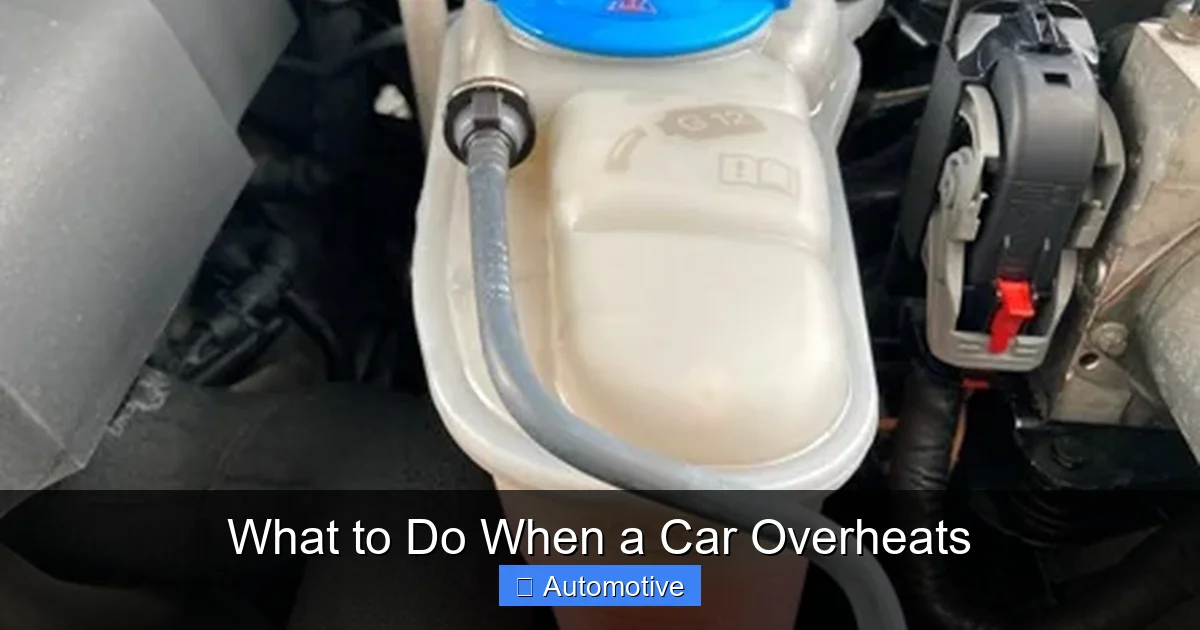
Most cars have a translucent coolant overflow tank or reservoir near the radiator. It’s usually labeled “Coolant” or “Antifreeze” and has “MIN” and “MAX” markings. Check the fluid level against these lines.
If the level is below “MIN,” you’ll need to add coolant. If the reservoir is empty, there may be a significant leak, and adding coolant won’t fix the problem.
Use the Right Coolant
Always use the type of coolant recommended in your owner’s manual. Mixing different types (e.g., green and orange) can cause chemical reactions that clog the system. Most modern cars use extended-life coolant, which lasts 5 years or 100,000 miles.
If you’re in a pinch and don’t have coolant, you can temporarily use distilled water. Never use tap water, as minerals can cause corrosion and scaling.
Add Coolant Slowly
Remove the reservoir cap (if applicable) and pour coolant in slowly. Don’t overfill—leave some space for expansion. If your car has a radiator cap (not all do), only open it when the engine is completely cool.
After adding coolant, start the engine and let it run for a few minutes with the cap off (if safe). This helps air bubbles escape and ensures proper circulation.
Check for Leaks
After adding coolant, inspect the area for leaks. Look under the car, around hoses, the water pump, and the radiator. If you see fresh coolant stains or dripping, there’s likely a leak that needs professional attention.
For example, a driver added coolant after an overheating episode but noticed the level dropped again within days. A mechanic found a cracked hose, which was replaced for under $50. Without the repair, the problem would have continued.
Adding coolant can be a quick fix, but it’s not a permanent solution if there’s an underlying issue. Always follow up with a mechanic if overheating persists.
When to Call a Mechanic or Roadside Assistance
Not every overheating issue can—or should—be handled by a DIY fix. Knowing when to call for professional help can save you from making a bad situation worse.
Persistent Overheating
If your car overheats again shortly after cooling down and adding coolant, there’s likely a deeper problem. Continuing to drive could cause engine damage. Call a tow truck and have the car inspected by a qualified mechanic.
Visible Leaks or Damage
If you see coolant leaking, steam, or smoke, or if you hear unusual noises, don’t risk driving. These signs often point to serious issues like a blown head gasket, radiator failure, or water pump damage.
No Coolant Available
If you’re on a remote road and don’t have coolant or water, it’s safer to call for help than to drive with an overheating engine. Even a short drive can cause catastrophic damage.
Unfamiliar with Car Repairs
If you’re not confident in your ability to diagnose or fix the problem, don’t guess. A wrong move—like opening a hot radiator—can cause injury. Let a professional handle it.
Electrical or Sensor Issues
If the cooling fan isn’t working or the temperature sensor is faulty, these require diagnostic tools and expertise. A mechanic can run tests to pinpoint the issue.
For example, a driver tried to fix an overheating issue by adding coolant, but the car kept overheating. A mechanic discovered a faulty thermostat that needed replacement. The $100 repair prevented a $3,000 engine rebuild.
When in doubt, call for help. It’s a small price to pay for peace of mind and engine protection.
Preventing Future Overheating Issues
The best way to handle overheating is to avoid it altogether. Regular maintenance and awareness can keep your cooling system in top shape.
Check Coolant Levels Monthly
Make it a habit to check your coolant level every month. Look at the reservoir when the engine is cold and top off if needed. This simple step can catch low levels before they cause problems.
Follow the Maintenance Schedule
Your owner’s manual outlines when to flush and replace coolant, inspect hoses, and service the radiator. Stick to this schedule—typically every 30,000 to 100,000 miles, depending on the vehicle.
Inspect Hoses and Belts
Check radiator hoses for cracks, bulges, or soft spots. Look at the serpentine belt for wear or fraying. Replace damaged parts promptly.
Keep the Radiator Clean
Remove debris like leaves, bugs, and dirt from the radiator fins. Use a soft brush or compressed air. A clean radiator improves airflow and cooling efficiency.
Monitor the Temperature Gauge
Get in the habit of glancing at your dashboard, especially in hot weather or when towing. Early detection is key.
Address Warning Signs Immediately
If you notice any signs of overheating—even minor ones—don’t ignore them. A small issue today can become a big problem tomorrow.
For example, a driver noticed a small coolant leak during a routine check. They had it fixed for $75. Six months later, a friend with a similar car ignored a leak and ended up with a $2,500 repair bill.
Prevention is always cheaper and safer than repair.
Conclusion
Knowing what to do when a car overheats isn’t just about handling an emergency—it’s about protecting your investment, your safety, and your peace of mind. From recognizing the warning signs to taking immediate action and preventing future issues, every step matters.
Remember: pull over safely, turn off the engine, let it cool, and assess the situation. Add coolant if it’s safe and appropriate, but don’t hesitate to call for help when needed. And most importantly, stay proactive with maintenance.
Overheating can be scary, but with the right knowledge, you can handle it confidently. Keep this guide handy, share it with fellow drivers, and stay cool on the road.
Frequently Asked Questions
Can I drive my car if it’s overheating?
No, you should not drive an overheating car. Continuing to drive can cause severe engine damage, including warped components or a blown head gasket. Pull over immediately and turn off the engine.
Is it safe to add water to a hot engine?
No, never add water or coolant to a hot engine. The system is under pressure and can release scalding steam. Wait until the engine has cooled completely before adding any fluid.
Why does my car overheat only when idling?
This often points to a cooling fan issue. The fan helps cool the radiator when the car isn’t moving fast enough to get airflow. A faulty fan motor, relay, or sensor could be the cause.
Can low oil cause overheating?
Yes, low oil levels can contribute to overheating because oil helps lubricate and cool engine parts. However, overheating is more commonly caused by cooling system issues like low coolant or a faulty thermostat.
How much does it cost to fix an overheating car?
Costs vary widely. A simple coolant top-up or thermostat replacement may cost $50–$200. A blown head gasket or engine damage can cost $1,000–$5,000 or more. Early intervention saves money.
Can I use tap water in my coolant system?
It’s not recommended. Tap water contains minerals that can cause corrosion and scaling in the cooling system. Use distilled water or the correct coolant mixture as specified in your owner’s manual.
