
Can You Trade in a Damaged Car?

You absolutely can trade in a damaged car at a Kia dealership, but the offer will reflect the vehicle’s condition. While cosmetic damage may have a minor impact, mechanical or structural issues can significantly reduce your trade-in value. Being honest about the damage and getting pre-inspections can help you get the best possible deal.
[FEATURED_IMAGE_PLACEOLDER]
Key Takeaways
- Yes, damaged cars can be traded in: Kia dealerships accept vehicles with dents, scratches, mechanical problems, and even prior accident damage—though the offer will be lower.
- Condition affects value more than brand: A damaged Kia may still be accepted, but its trade-in value depends heavily on the extent and type of damage.
- Disclose damage upfront: Hiding damage can lead to rejected offers or legal issues; honesty builds trust and speeds up the process.
- Get a pre-trade inspection: Knowing your car’s issues beforehand helps you negotiate better or decide whether to repair first.
- Minor repairs can boost value: Fixing small dents, replacing broken lights, or cleaning interiors can increase your trade-in offer.
- Consider selling privately if damage is minor: You might get more money selling a lightly damaged Kia privately than trading it in.
- Kia Certified Pre-Owned has strict standards: Damaged cars usually don’t qualify, but they can still be accepted as regular trade-ins.
📑 Table of Contents
- Can You Trade in a Damaged Car?
- How Kia Dealerships Evaluate Damaged Trade-Ins
- Types of Damage and Their Impact on Trade-In Value
- Should You Repair Your Damaged Kia Before Trading It In?
- Tips for Getting the Best Trade-In Offer on a Damaged Kia
- Alternatives to Trading In a Damaged Kia
- Final Thoughts: Yes, You Can Trade In a Damaged Kia
Can You Trade in a Damaged Car?
So, you’ve got a Kia—maybe a Sportage, Sorento, or Forte—that’s seen better days. Maybe it’s got a dent from a shopping cart, a cracked windshield, or it’s been in a fender bender. You’re thinking about upgrading to a newer model, but you’re not sure if your damaged car is even worth trading in. The good news? Yes, you can trade in a damaged car—even at a Kia dealership.
It’s a common misconception that only pristine, showroom-condition vehicles are accepted as trade-ins. In reality, dealerships—especially large brands like Kia—routinely take in cars with various levels of damage. They know that most drivers aren’t perfect, and accidents happen. Whether it’s a small scratch or a more serious mechanical issue, your Kia likely still has value, even if it’s not road-trip ready.
But here’s the catch: the more damage your car has, the lower the trade-in offer will be. Dealerships assess the vehicle’s condition, mileage, market demand, and repair costs before making an offer. So while you *can* trade in a damaged car, you need to go in with realistic expectations. This guide will walk you through everything you need to know—from how damage affects value to tips for getting the best deal—so you can make a smart, informed decision.
How Kia Dealerships Evaluate Damaged Trade-Ins
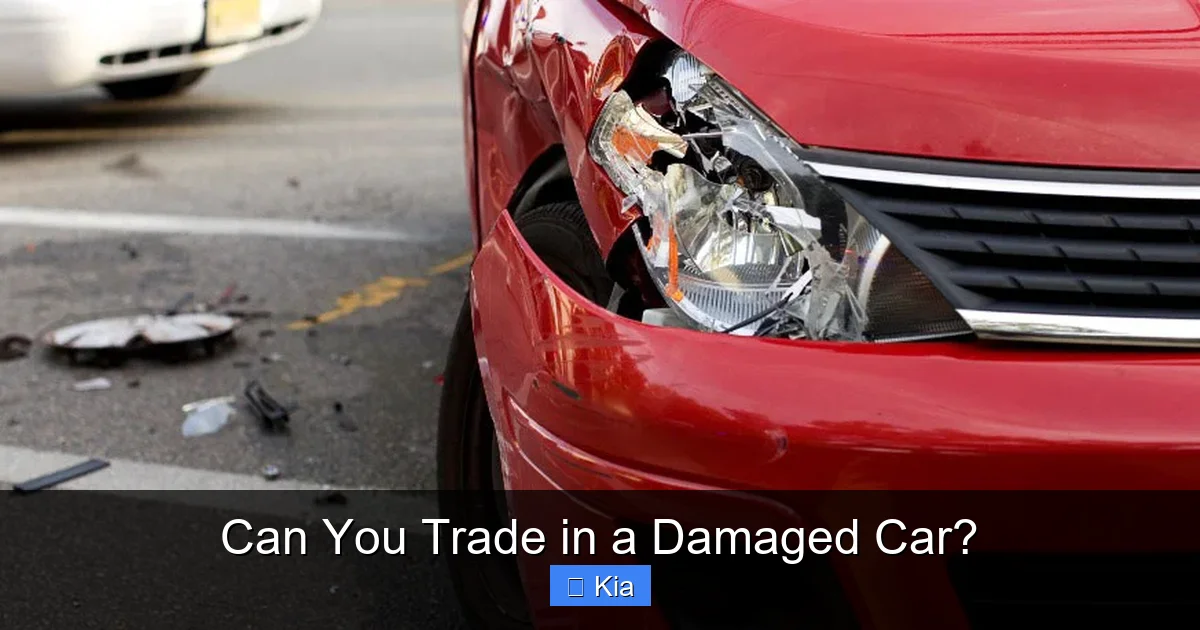
Visual guide about Can You Trade in a Damaged Car?
Image source: gerbercollision.com
When you walk into a Kia dealership with a damaged vehicle, the sales team doesn’t just glance at it and make a guess. They follow a structured evaluation process that considers multiple factors. Understanding this process can help you prepare and set realistic expectations.
The Appraisal Process
Most Kia dealerships use third-party valuation tools like Kelley Blue Book (KBB), Edmunds, or NADA Guides to determine a baseline value for your car. These tools consider the make, model, year, trim, mileage, and overall condition. When damage is present, the “condition” rating drops—typically from “Excellent” or “Good” to “Fair” or “Poor.”
During the appraisal, a certified technician or used car manager will inspect your vehicle inside and out. They’ll check for:
– Exterior damage (dents, scratches, rust, paint damage)
– Interior wear (tears, stains, broken controls)
– Mechanical issues (engine trouble, transmission problems, warning lights)
– Accident history (reported collisions, frame damage, airbag deployment)
– Tire condition and brake wear
Each of these factors influences the final offer. For example, a Kia Soul with a small dent on the rear door might only lose $200–$400 in value. But a Kia Optima with a blown engine could be worth thousands less—even if the body is clean.
How Damage Type Affects Value
Not all damage is created equal. Cosmetic issues like scratches, minor dents, or faded paint are generally less damaging to trade-in value than mechanical or structural problems. Here’s a quick breakdown:
– Cosmetic damage: Small dents, door dings, or paint chips may reduce value by 5–10%. These are often considered “wear and tear” and are expected in used cars.
– Mechanical issues: Problems like a failing transmission, check engine light, or bad suspension can slash value by 20–40% or more, depending on repair costs.
– Accident damage: Even if repaired, a car with a history of collisions may be valued lower due to perceived reliability concerns. Frame damage or airbag deployment can significantly hurt resale value.
– Safety system faults: Malfunctioning airbags, ABS, or electronic stability control can make a car unsafe and difficult to resell, leading to a lower offer.
For example, a 2019 Kia Seltos with 60,000 miles and a clean history might be worth $16,000 in good condition. But if it has a cracked windshield, a dent in the hood, and a faulty alternator, the offer could drop to $13,500 or less—depending on repair estimates.
Kia’s Certified Pre-Owned (CPO) Standards
It’s important to note that damaged cars typically don’t qualify for Kia’s Certified Pre-Owned program. To be CPO, a vehicle must pass a rigorous 164-point inspection, have a clean title, and be under a certain age and mileage limit. Any significant damage—especially structural or mechanical—usually disqualifies a car.
However, this doesn’t mean your damaged Kia is worthless. It just means it won’t be resold as a certified vehicle. Instead, it may be sold “as-is” at auction, repaired and resold as a standard used car, or used for parts. The dealership still gets value from it—and so can you, in the form of a trade-in credit.
Types of Damage and Their Impact on Trade-In Value

Visual guide about Can You Trade in a Damaged Car?
Image source: c8.alamy.com
Not all damage is equal—and understanding how different types affect your trade-in value can help you decide whether to repair before trading in or accept a lower offer.
Minor Cosmetic Damage
This includes small dents, scratches, faded paint, or minor interior wear. These are common in daily drivers and are often expected in used cars. For instance, a Kia Rio with a few door dings and a scuffed bumper might still be valued close to market rate—especially if it’s otherwise well-maintained.
Impact: Typically reduces value by 5–10%.
Example: A 2020 Kia Forte with 45,000 miles and minor exterior scratches might be worth $15,000 instead of $16,000.
In many cases, dealerships won’t even deduct much for these issues, especially if the car is otherwise clean and runs well. They know they can easily fix minor cosmetic flaws before resale.
Major Cosmetic Damage
This includes large dents, significant paint damage, rust, or interior tears. For example, a Kia Sportage with a crumpled fender from a parking lot incident or a torn driver’s seat may need professional repairs before it can be resold.
Impact: Can reduce value by 10–20%.
Example: A 2018 Kia Sorento with a damaged rear quarter panel and stained upholstery might lose $2,000–$3,000 in trade-in value.
Dealerships will estimate repair costs and subtract them from the offer. If the damage is too extensive, they may still accept the car but offer a much lower price.
Mechanical Problems
This is where trade-in values can take a big hit. Issues like a failing engine, transmission trouble, electrical faults, or persistent warning lights make a car unreliable and expensive to fix.
Impact: Can reduce value by 20–50% or more.
Example: A 2017 Kia Optima with 80,000 miles and a check engine light due to a bad catalytic converter might be worth $8,000 instead of $12,000.
Even if the car runs, the dealership has to consider the cost and risk of repairs. They may offer a lowball trade-in value or suggest you fix it first.
Accident History and Structural Damage
Cars that have been in accidents—especially those with frame damage, airbag deployment, or flood damage—are viewed as higher risk. Even if repaired, they may have hidden issues that affect safety and performance.
Impact: Can reduce value by 25–40% or more.
Example: A 2019 Kia Telluride that was in a front-end collision and had the airbags deployed might be worth $20,000 instead of $28,000.
Many buyers avoid accident-damaged vehicles, so dealerships know they’ll have a harder time reselling them. As a result, they offer less on trade-ins.
Safety and Emissions Issues
Cars that fail state inspections due to emissions problems, broken lights, or faulty brakes are often rejected or heavily discounted. For example, a Kia Niro with a malfunctioning hybrid battery or a Kia Stinger with a broken headlight may not pass inspection.
Impact: Can reduce value by 10–30%, depending on repair costs.
Example: A 2021 Kia Niro with a dead 12V battery and a check hybrid system warning might lose $2,500 in value.
Dealerships may still accept the car, but they’ll factor in the cost of diagnostics and repairs.
Should You Repair Your Damaged Kia Before Trading It In?

Visual guide about Can You Trade in a Damaged Car?
Image source: hondatheotherside.com
This is one of the most common questions from Kia owners with damaged vehicles: “Should I fix it first, or just trade it in as-is?” The answer depends on the type of damage, repair costs, and how much value the repairs will add.
When Repairing Makes Sense
If the repair cost is low and the value increase is high, fixing the damage before trading in can be worth it. Here are some scenarios where repairs pay off:
– Small dents or scratches: A $150 paintless dent repair might increase your trade-in value by $300–$500.
– Broken lights or mirrors: Replacing a $100 headlight could boost value by $200 or more.
– Interior cleaning: A professional detail for $100 can make a car look much newer and increase appeal.
– Tire replacement: Worn tires can hurt value; new ones might add $300–$600 to the offer.
For example, a 2020 Kia Soul with a cracked taillight and dirty interior might get a $12,000 trade-in offer. After a $120 repair and $80 detail, the offer could rise to $12,400—netting you $200 more.
When It’s Better to Trade In As-Is
If repairs are expensive or the car has major issues, it’s often smarter to trade it in without fixing it. Here’s when to skip the repairs:
– High repair costs: If fixing the transmission will cost $3,000 but only adds $1,500 in value, you’re losing money.
– Older or high-mileage Kias: A 2015 Kia Rio with 120,000 miles and engine trouble isn’t worth major repairs.
– Safety or structural damage: If the frame is bent or airbags deployed, repairs may not restore full value.
– You need a quick upgrade: If you’re in a rush to get a new car, trading in as-is saves time.
In these cases, the dealership will still make an offer—just a lower one. But you avoid spending money on a car you’re about to replace.
How to Decide: The Cost-Benefit Test
Before deciding, do a quick cost-benefit analysis:
1. Get a repair estimate: Visit a trusted mechanic or body shop for a quote.
2. Check trade-in value with and without repairs: Use KBB or Edmunds to see how much more your car might be worth after fixes.
3. Compare the numbers: If repair cost < value increase, fix it. If not, trade it in as-is.
For example:
- Repair cost: $800 (new alternator)
- Value increase: $1,200
- Net gain: $400 → Fix it.
But:
– Repair cost: $2,500 (transmission rebuild)
– Value increase: $1,000
– Net loss: $1,500 → Trade it in as-is.
This simple test can save you time and money.
Tips for Getting the Best Trade-In Offer on a Damaged Kia
Even with damage, you can maximize your trade-in value with smart preparation and negotiation. Here’s how to get the best deal possible.
Be Honest About the Damage
Don’t try to hide dents, cover stains, or disconnect warning lights. Dealerships have trained eyes and diagnostic tools. If they discover damage you didn’t disclose, they may lower the offer or walk away.
Instead, be upfront. Say something like:
“I know there’s a dent on the passenger side and the check engine light is on—here’s the repair estimate I got.”
This builds trust and shows you’re serious about a fair deal.
Get a Pre-Trade Inspection
Before visiting the dealership, take your Kia to an independent mechanic for a full inspection. This gives you:
– A clear list of issues
– Repair estimates
– Leverage in negotiations
You can say, “I had it checked, and the only major issue is the alternator—here’s the quote.” This shows you’re informed and helps justify your expectations.
Clean Your Car Thoroughly
A clean car makes a great first impression. Even if it’s damaged, a spotless interior and shiny exterior suggest it’s been well cared for.
– Wash and wax the exterior
– Vacuum and shampoo the interior
– Clean windows and mirrors
– Remove personal items
This small effort can make your Kia look more valuable—even with dents.
Gather Documentation
Bring maintenance records, repair receipts, and the vehicle history report (from Carfax or AutoCheck). This proves your car has been maintained, which can offset concerns about damage.
For example, a Kia with a replaced transmission but full service records may get a better offer than one with no history.
Shop Around
Don’t accept the first offer. Get quotes from at least 2–3 Kia dealerships. Online tools like Carvana, Vroom, or Carmax also offer instant trade-in estimates—use them as benchmarks.
Compare offers and use them to negotiate. Say, “Dealership X offered me $14,000—can you match that?”
Time Your Trade-In Right
Trade-in values fluctuate based on market demand. Newer Kia models like the Sportage or Sorento may hold value better in spring and summer when SUVs are in demand.
Also, trade in before major repairs are needed. A car with a failing part is worth less than one that’s still running.
Alternatives to Trading In a Damaged Kia
If the trade-in offer is too low, you have other options. Sometimes, selling privately or parting out the car can yield more money.
Sell It Privately
You can often get 10–20% more by selling your damaged Kia privately through platforms like Facebook Marketplace, Craigslist, or Autotrader. Buyers may be willing to fix minor issues themselves.
Pros: Higher sale price, more control
Cons: More effort, safety risks, time-consuming
For example, a 2018 Kia Forte with a dent might get $10,000 from a dealer but $11,500 privately.
Sell to a Junkyard or Scrap Yard
If your Kia doesn’t run or has severe damage, junkyards may still buy it for parts or scrap metal. Prices vary, but you might get $300–$1,000.
Tip: Call multiple yards and ask if they charge for towing.
Donate It
Some charities accept damaged cars and offer tax deductions. This won’t give you cash, but it can reduce your tax bill.
Check with organizations like Goodwill or Vehicles for Charity to see if they accept non-running cars.
Part It Out
If you’re handy, you can sell usable parts (tires, battery, alternator, etc.) online. This takes time but can maximize value.
For example, a used Kia alternator might sell for $150, and tires for $50 each.
Final Thoughts: Yes, You Can Trade In a Damaged Kia
The bottom line? Yes, you can trade in a damaged car—even at a Kia dealership. Whether it’s a small scratch or a major mechanical issue, your vehicle still has value. The key is understanding how damage affects trade-in offers and preparing accordingly.
Be honest about the condition, get a pre-inspection, and consider minor repairs if they’ll boost value. Shop around for the best offer, and don’t be afraid to walk away if the deal isn’t fair. And remember: if the trade-in offer is too low, selling privately or exploring other options might be better.
At the end of the day, trading in a damaged Kia is not only possible—it’s a smart way to upgrade to a newer, safer, more reliable vehicle without the hassle of selling on your own. So don’t let dents or dashboard lights stop you. Your next Kia could be just a trade-in away.
Frequently Asked Questions
Can I trade in a Kia that doesn’t run?
Yes, many Kia dealerships will accept non-running vehicles as trade-ins, though the offer will be significantly lower. They may tow it for free and use it for parts or repairs.
Will a salvage title hurt my trade-in value?
Yes, a salvage title can reduce trade-in value by 30–50% or more. These cars are seen as high-risk, even if fully repaired, and are harder to resell.
Do I have to disclose all damage when trading in?
Yes, you should disclose all known damage. Hiding issues can lead to a rejected offer or legal problems. Honesty helps build trust and leads to a smoother process.
Can I trade in a Kia with a rebuilt title?
Yes, but the offer will be lower than for a clean-title vehicle. Rebuilt titles indicate prior major damage, which affects resale value and buyer confidence.
Will Kia finance a new car if my trade-in has damage?
Yes, Kia Financial Services can still finance a new car even if your trade-in is damaged. The trade-in value will be applied to the purchase price, reducing your loan amount.
Is it better to fix damage before trading in?
It depends. If repair costs are low and value increases significantly, yes. But for expensive or major repairs, trading in as-is is often smarter.