Can You Jump Start a Car Without a Battery
You cannot safely or effectively jump start a car without a battery. While it might seem possible to bypass the battery using jumper cables and another vehicle, modern cars rely on the battery to stabilize electrical systems, power essential components, and protect sensitive electronics. Attempting to start a car without a battery can damage the vehicle’s electrical system and pose serious safety risks.
Have you ever been stranded on the side of the road with a car that won’t start? Maybe you turned the key and heard nothing but a faint click—or worse, complete silence. Your first thought might be, “Can I just jump start this thing without even having a battery?” It’s a tempting idea, especially if you’re in a hurry or don’t have access to a spare battery. After all, jump starters and jumper cables are designed to give your car a boost when the battery is dead, right? So why not skip the battery altogether?
But here’s the truth: **you cannot safely or effectively jump start a car without a battery.** While it might seem like a clever workaround, modern vehicles are built with complex electrical systems that depend heavily on the battery—even during a jump start. The battery isn’t just there to start the engine; it plays a critical role in stabilizing voltage, powering essential components, and protecting sensitive electronics from power surges. Trying to start a car without one is like trying to drive with no brakes—it might seem possible in theory, but in practice, it’s risky, unreliable, and potentially damaging.
In this article, we’ll dive deep into why a battery is non-negotiable when jump starting a car, explore the science behind how jump starting actually works, and debunk common myths. We’ll also cover safe alternatives, practical tips for handling a dead battery, and how to avoid getting stranded in the first place. Whether you’re a seasoned driver or just learning the basics of car maintenance, understanding the role of your car’s battery could save you time, money, and a whole lot of frustration.
In This Article
- 1 Key Takeaways
- 2 📑 Table of Contents
- 3 Why the Battery Is Essential for Jump Starting
- 4 How Jump Starting Actually Works
- 5 Can You Push-Start a Car Without a Battery?
- 6 The Dangers of Trying to Start a Car Without a Battery
- 7 Safe Alternatives When Your Battery Dies
- 8 How to Prevent Battery Failure
- 9 Conclusion
- 10 Frequently Asked Questions
- 10.1 Can you jump start a car with no battery at all?
- 10.2 Will a car start if the battery is completely dead?
- 10.3 Can you push-start an automatic car without a battery?
- 10.4 Is it safe to jump start a car without connecting to the battery terminals?
- 10.5 What happens if you try to start a car with jumper cables but no battery?
- 10.6 What’s the best alternative to jump starting with another car?
Key Takeaways
- Jump starting requires a battery: Even if dead, the battery is essential for stabilizing voltage and completing the electrical circuit during a jump start.
- Modern cars depend on battery power: ECUs, fuel pumps, and ignition systems need consistent power that only a battery can provide, even when jump starting.
- Attempting to start without a battery is dangerous: Sudden voltage spikes can fry electronics, damage the alternator, or cause fires.
- Push-starting only works on manual transmissions: This method bypasses the need for a battery but is ineffective and risky for automatic vehicles.
- Always use proper jump-starting procedures: Connect jumper cables correctly, use a functioning donor vehicle, and ensure both cars are off before connecting.
- Invest in a portable jump starter: A compact, battery-powered jump starter is a safer and more reliable alternative for dead batteries.
- Prevention is better than repair: Regularly check your battery’s health, especially in extreme temperatures, to avoid being stranded.
📑 Table of Contents
Why the Battery Is Essential for Jump Starting
At first glance, it might seem like the battery’s only job is to crank the engine when you turn the key. But in reality, the battery is the heart of your car’s electrical system. It stores energy, delivers power on demand, and acts as a buffer between the alternator and the rest of the vehicle’s electronics. Without it, even a jump start from another vehicle won’t work as intended.
When you connect jumper cables from a donor car to your vehicle, the goal is to transfer electrical energy to your car’s starter motor so it can turn the engine over. But here’s the catch: the starter motor requires a massive surge of power—often over 100 amps—to get the engine running. That kind of power draw can cause wild voltage fluctuations if there’s no battery to absorb and regulate it. The battery acts like a shock absorber, smoothing out these spikes and providing a stable voltage source for the rest of the system.
Moreover, modern cars are packed with electronic control units (ECUs), sensors, and computers that manage everything from fuel injection to airbags. These components are extremely sensitive to voltage changes. If you try to jump start a car without a battery, the sudden influx of power can overwhelm these systems, leading to blown fuses, fried circuits, or even permanent damage to the ECU. In some cases, the alternator—which is designed to charge the battery—can also be damaged because it’s not meant to power the entire vehicle on its own.
Think of it this way: the battery is like a water reservoir in a house. The alternator is the pump that refills it, but the reservoir ensures that water pressure stays steady, even when multiple faucets are turned on at once. Without the reservoir, the pump would have to work overtime, and the pipes could burst under pressure. Similarly, without a battery, the alternator would be forced to power everything directly, which it simply isn’t built to do.
How Jump Starting Actually Works
Visual guide about Can You Jump Start a Car Without a Battery
Image source: ssbwiki.com
To understand why a battery is necessary, it helps to know exactly what happens during a jump start. When your car battery is dead, it can’t provide enough power to turn the starter motor. Jump starting solves this by borrowing power from another vehicle’s battery through a set of jumper cables.
Here’s the correct procedure:
1. Park the donor vehicle close enough for the cables to reach, but not touching.
2. Turn off both engines and remove the keys.
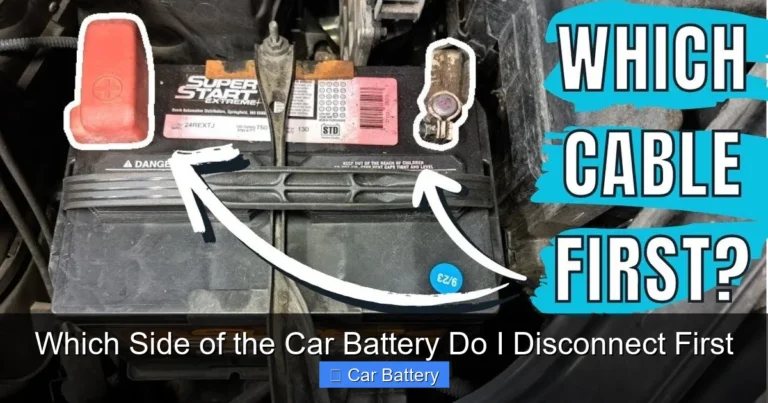
3. Connect the red (positive) clamp to the dead battery’s positive terminal.
4. Connect the other red clamp to the donor battery’s positive terminal.
5. Connect the black (negative) clamp to the donor battery’s negative terminal.
6. Attach the final black clamp to an unpainted metal surface on the dead car—like a bolt or bracket—away from the battery. This acts as a ground and reduces the risk of sparks near the battery.
7. Start the donor vehicle and let it run for a few minutes to charge the dead battery.
8. Try starting the dead car. If it starts, leave it running and disconnect the cables in reverse order.
Notice that even in this process, the dead battery is still present. It’s not removed or bypassed. Why? Because the battery serves as a buffer. As the donor car’s alternator sends power through the cables, the dead battery absorbs and stabilizes that energy before it reaches the starter and other components. Without the battery, that raw power would flood the system all at once, potentially causing damage.
In older cars with simpler electrical systems, it might have been possible to “hot-wire” or bypass the battery in an emergency. But today’s vehicles are far too complex. Even if you could get the engine to turn over without a battery, the car likely wouldn’t run properly—or at all—because critical systems like fuel injection and ignition timing rely on stable electrical input.
Can You Push-Start a Car Without a Battery?
One common alternative people consider is push-starting—also known as bump-starting or pop-starting. This method involves getting the car moving manually (by pushing or rolling it) and then engaging the clutch to turn the engine over. It’s a technique that works on manual transmission vehicles, but only under specific conditions.
Here’s how it works:
– The car must be in gear (usually second).
– The ignition must be on.
– Someone pushes the car until it reaches about 5–10 mph.
– The driver releases the clutch quickly, which turns the engine over via the transmission.
At this point, if the engine catches, it can start running on its own. But here’s the key: **the battery still needs to have some charge**. Why? Because even in a push-start, the ignition system, fuel pump, and ECU require power to function. If the battery is completely dead or removed, these systems won’t activate, and the engine won’t start—no matter how fast you push.
Additionally, push-starting only works on manual transmissions. Automatic cars use a torque converter instead of a clutch, so there’s no direct mechanical link between the wheels and the engine. Without that connection, you can’t transfer motion from the wheels to the engine to get it turning.
Even when push-starting is possible, it’s not without risks. You need a safe, downhill slope or a team of people to push the car. There’s also the danger of losing control, especially on busy roads or in bad weather. And if the battery is completely dead, you’re still out of luck.
The Dangers of Trying to Start a Car Without a Battery
Attempting to jump start or start a car without a battery isn’t just ineffective—it’s dangerous. Modern vehicles are designed with the assumption that a battery will always be present. Removing or bypassing it disrupts the entire electrical architecture and can lead to serious consequences.
One major risk is **voltage spikes**. When you connect jumper cables directly to the starter or alternator without a battery, the sudden surge of electricity can create massive voltage spikes. These spikes can fry delicate electronics, including the ECU, sensors, and infotainment systems. Repairing or replacing these components can cost hundreds or even thousands of dollars.
Another danger is **alternator damage**. The alternator is designed to recharge the battery, not power the entire vehicle. Without a battery to absorb excess energy, the alternator can overheat or fail prematurely. In some cases, it may even send uncontrolled voltage back into the system, causing a chain reaction of failures.
There’s also the risk of **fire or explosion**. Car batteries contain sulfuric acid and produce hydrogen gas, which is highly flammable. If you create a spark near the battery—especially when connecting cables—it could ignite the gas and cause an explosion. That’s why it’s critical to connect the final ground clamp to a metal part away from the battery, not directly to the negative terminal.
Finally, attempting to start a car without a battery can void your warranty or lead to insurance complications. If damage occurs due to improper jump-starting techniques, your insurer or dealership may refuse to cover repairs, leaving you with a hefty bill.
Safe Alternatives When Your Battery Dies
So, what should you do if your battery dies and you don’t have access to a spare? The good news is there are several safe and effective alternatives.
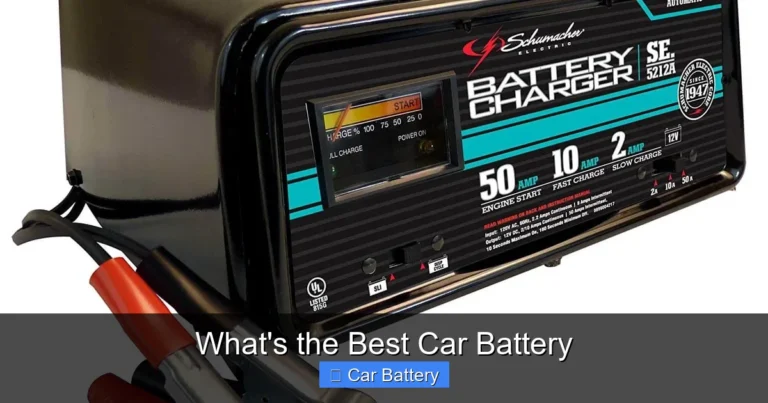
The most reliable option is a **portable jump starter**. These compact devices contain their own lithium-ion battery and can deliver enough power to start most cars. They’re lightweight, easy to use, and don’t require another vehicle. Simply connect the clamps to your battery terminals, turn on the jump starter, and start your car. Many models also include USB ports, flashlights, and air compressors, making them handy tools for any driver.
Another option is calling a **professional roadside assistance service**. Companies like AAA, insurance providers, or local towing services can send a technician to jump start your car or replace the battery on the spot. While this may cost a fee, it’s often cheaper than repairing damage caused by DIY attempts.
If you’re near another vehicle, **traditional jump starting** with jumper cables is still the go-to method—just make sure to follow the correct procedure and keep the dead battery in place. Never remove the battery and try to start the car with cables alone.
For long-term prevention, consider investing in a **battery maintainer or trickle charger**. These devices keep your battery charged when the car is parked for long periods, especially in cold weather. They’re ideal for seasonal vehicles or cars that aren’t driven daily.
How to Prevent Battery Failure
The best way to avoid the stress of a dead battery is to prevent it from happening in the first place. Car batteries typically last 3–5 years, but their lifespan can be shortened by extreme temperatures, short trips, and electrical drains.
Start by **checking your battery regularly**. Many auto parts stores offer free battery testing. You can also use a multimeter to check voltage—a healthy battery should read around 12.6 volts when the car is off and 13.7–14.7 volts when running.
**Keep terminals clean**. Corrosion on the battery terminals can prevent proper charging and starting. Clean them with a mixture of baking soda and water, then apply a thin layer of petroleum jelly to prevent future buildup.
**Limit short trips**. Short drives don’t give the alternator enough time to fully recharge the battery. If possible, take longer drives occasionally or use a trickle charger.
**Turn off accessories when the engine is off**. Leaving lights, radios, or phone chargers on can drain the battery overnight. Modern cars often have automatic shutoffs, but it’s still good practice to double-check.
Finally, **be prepared**. Keep a portable jump starter, jumper cables, and emergency supplies in your trunk. Knowing you’re ready can turn a stressful situation into a minor inconvenience.
Conclusion
So, can you jump start a car without a battery? The short answer is no—and for good reason. The battery is a vital component that stabilizes power, protects electronics, and ensures reliable engine starts. Trying to bypass it can lead to costly damage, safety hazards, and a car that still won’t start.
Instead of risking your vehicle’s health, use proper jump-starting techniques, invest in a portable jump starter, or call for professional help. And most importantly, take steps to maintain your battery so you’re never left stranded.
Remember, your car’s electrical system is like a finely tuned orchestra. The battery is the conductor—without it, the music falls apart. Treat it with care, and it will keep your car running smoothly for years to come.
Frequently Asked Questions
Can you jump start a car with no battery at all?
No, you cannot safely jump start a car without a battery. The battery is essential for stabilizing voltage and powering critical systems during startup. Attempting to do so can damage electronics and pose safety risks.
Will a car start if the battery is completely dead?
A completely dead battery may still allow a jump start if it can hold some charge. However, if the battery is removed or fully failed, the car likely won’t start due to lack of power for the ignition and fuel systems.
Can you push-start an automatic car without a battery?
No, push-starting only works on manual transmission vehicles. Automatic cars lack a direct mechanical link between the wheels and engine, and they require battery power for the transmission and ignition systems.
Is it safe to jump start a car without connecting to the battery terminals?
No, you must connect jumper cables to the battery terminals or designated jump points. Skipping the battery can cause voltage spikes, damage electronics, and increase the risk of fire or explosion.
What happens if you try to start a car with jumper cables but no battery?
The car likely won’t start, and you risk damaging the alternator, ECU, and other electronics due to uncontrolled voltage. The electrical system isn’t designed to operate without a battery buffer.
What’s the best alternative to jump starting with another car?
A portable jump starter is the safest and most convenient alternative. It’s battery-powered, doesn’t require another vehicle, and can be used anywhere—making it ideal for emergencies.