Can You Charge an Electric Car at Home

Contents
- 1 Key Takeaways
- 2 📑 Table of Contents
- 3 Can You Charge an Electric Car at Home?
- 4 Why Home Charging Makes Sense
- 5 Types of Home EV Chargers
- 6 How to Set Up Home Charging
- 7 Cost of Charging an Electric Car at Home
- 8 Smart Charging Features and Benefits
- 9 Safety and Best Practices
- 10 Future of Home EV Charging
- 11 Conclusion
- 12 Frequently Asked Questions




Yes, you can charge an electric car at home—and it’s easier than you think. Most EV owners charge overnight using a standard outlet or a dedicated home charger. With the right equipment and planning, home charging is safe, convenient, and cost-effective.
[FEATURED_IMAGE_PLACEHolder]
Key Takeaways
- Home charging is the most common method for EV owners: Over 80% of electric vehicle charging happens at home, making it the preferred and most convenient option.
- You can use a standard 120-volt outlet (Level 1): While slow, it’s perfect for overnight charging and requires no special installation.
- A 240-volt Level 2 charger is faster and recommended: It can fully charge most EVs in 4–8 hours and often requires professional installation.
- Charging costs less than gasoline: On average, charging an EV at home costs about half as much per mile compared to fueling a gas-powered car.
- Safety and electrical capacity matter: Always consult an electrician to ensure your home’s electrical system can handle the load.
- Smart chargers offer added benefits: Features like scheduling, energy tracking, and app control help save money and optimize charging times.
- Home charging supports sustainable living: Pairing your EV with solar panels can make your transportation nearly carbon-free.
📑 Table of Contents
Can You Charge an Electric Car at Home?
If you’re thinking about buying an electric car—or you’ve already made the switch—you’ve probably asked yourself: *Can I charge an electric car at home?* The short answer is a resounding yes. In fact, home charging is not only possible, but it’s also the most common and convenient way to keep your EV powered up.
Unlike gas stations, which are spread out and require you to stop, wait, and pay, charging at home means your car gets fueled while you sleep, work, or relax. Imagine waking up every morning to a “full tank” without ever leaving your driveway. That’s the reality for millions of EV owners around the world.
But how exactly does it work? What do you need? And is it safe? In this guide, we’ll walk you through everything you need to know about charging an electric car at home—from the types of chargers available to installation tips, costs, and smart charging features. Whether you’re a new EV owner or just curious, this article will help you understand why home charging is the backbone of the electric driving experience.
Why Home Charging Makes Sense
Visual guide about Can You Charge an Electric Car at Home
Image source: car-images.bauersecure.com
Let’s face it: convenience is king. And when it comes to refueling your vehicle, nothing beats the ease of plugging in at home. Unlike traditional cars that need frequent trips to the gas station, electric vehicles thrive on routine. Most people drive less than 40 miles a day—well within the range of even the most basic EVs. That means you can easily recharge overnight and start each day with plenty of juice.
But convenience isn’t the only benefit. Home charging is also cost-effective. Electricity is generally cheaper than gasoline, especially when you charge during off-peak hours. Many utility companies offer special EV rate plans that give you lower prices at night, making it even more affordable to fill up at home.
Another major advantage? Peace of mind. Public charging stations can be unreliable—sometimes they’re broken, occupied, or located far from your destination. With home charging, you control the process. You know the charger works, it’s always available, and you don’t have to worry about waiting in line or dealing with confusing payment systems.
And let’s not forget sustainability. Charging at home allows you to pair your EV with renewable energy sources like solar panels. If you generate your own electricity, you can drive on sunshine—literally. That’s a game-changer for reducing your carbon footprint.
The Rise of Home Charging
The popularity of home charging has skyrocketed alongside EV adoption. According to the U.S. Department of Energy, over 80% of EV charging happens at home. That’s because it fits seamlessly into daily life. You come home, plug in, and forget about it. No detours, no stress.
As more people make the switch to electric, automakers and charging companies have responded with better home solutions. Today’s home chargers are faster, smarter, and more user-friendly than ever. Many come with apps that let you monitor charging progress, set schedules, and even integrate with your home energy system.
Types of Home EV Chargers
Visual guide about Can You Charge an Electric Car at Home
Image source: mediacloud.carbuyer.co.uk
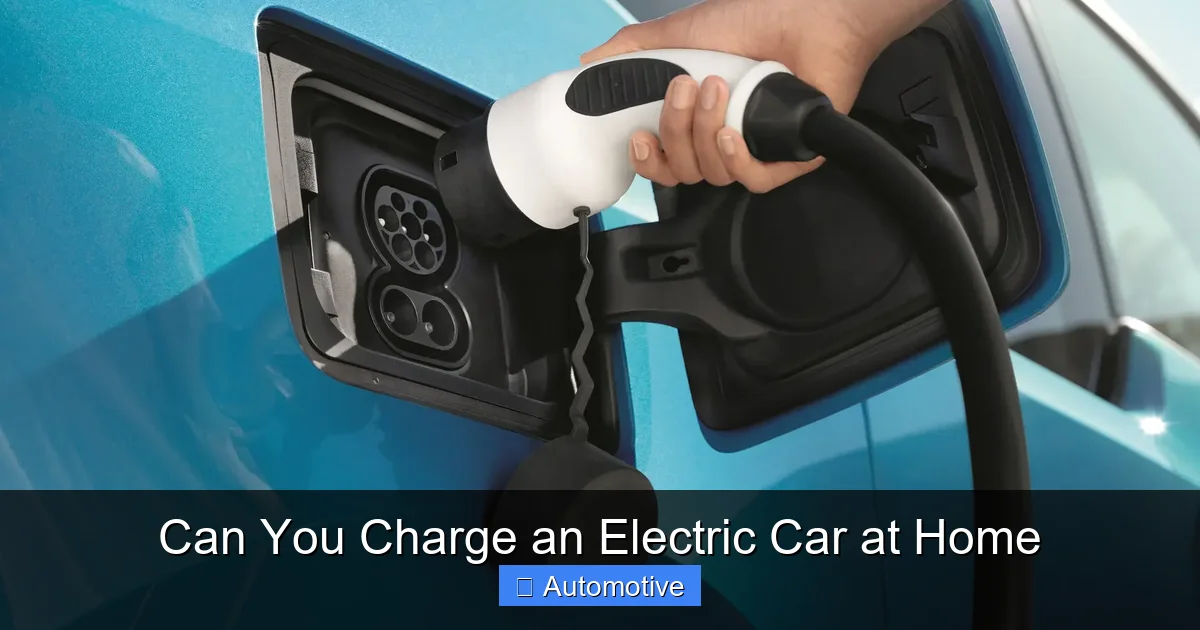
Not all EV chargers are created equal. When it comes to charging at home, you’ll encounter three main levels: Level 1, Level 2, and (less commonly) Level 3. Let’s break them down so you can choose the right option for your lifestyle.
Level 1 Charging: The Basics
Level 1 charging uses a standard 120-volt household outlet—the same kind you plug your lamp or phone charger into. It’s the slowest method, adding about 3 to 5 miles of range per hour. For example, if your car has a 250-mile range, it could take 50 hours or more to go from empty to full.
So why use it? Because it’s simple and requires no installation. Most EVs come with a portable Level 1 charging cord that you can plug into any outlet. It’s perfect for people who drive short distances, have access to outlets near their parking spot, or are just getting started with an EV.
Let’s say you drive 30 miles a day. With Level 1 charging, you’d gain about 15–25 miles overnight—more than enough to cover your daily needs. It’s not fast, but it’s reliable and cost-effective.
Level 2 Charging: The Sweet Spot
Level 2 charging uses a 240-volt circuit—similar to what powers your dryer or oven. It’s significantly faster, delivering 20 to 60 miles of range per hour, depending on your car and charger. Most EVs can go from empty to full in 4 to 8 hours with a Level 2 charger.
This is the gold standard for home charging. It’s fast enough for daily use, even if you drive long distances or take frequent trips. And because it charges so efficiently, you’re less likely to run low on battery.
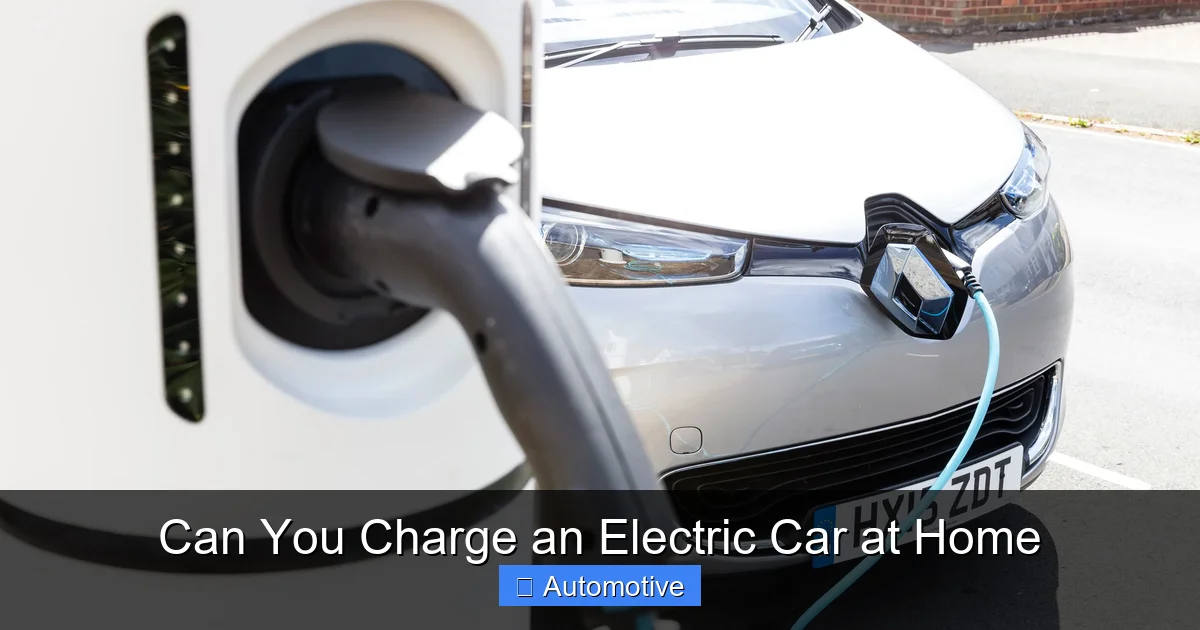
To install a Level 2 charger, you’ll need a dedicated circuit and a wall-mounted unit. This usually requires hiring a licensed electrician, but the investment pays off in convenience and speed. Many homeowners choose to install the charger in their garage or on an exterior wall near their parking spot.
Level 3 Charging: Not for Home Use
Level 3 chargers, also known as DC fast chargers, are the ones you see at public charging stations. They can add 100–200 miles of range in just 20–30 minutes. But they’re not practical for home use. They require massive electrical infrastructure, cost tens of thousands of dollars, and are typically only found at commercial locations.
So while Level 3 is great for long trips, it’s not something you’ll install in your driveway. Stick with Level 1 or Level 2 for home charging.
How to Set Up Home Charging
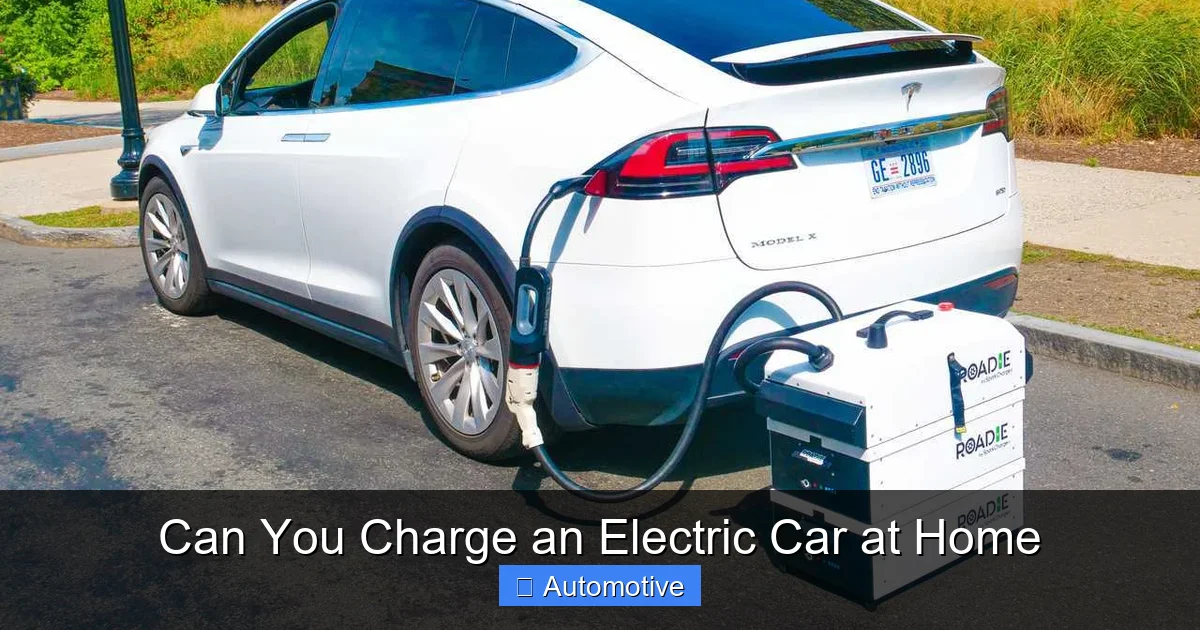
Visual guide about Can You Charge an Electric Car at Home
Image source: cdn.motor1.com
Setting up home charging is easier than you might think—but it does require some planning. Here’s a step-by-step guide to help you get started.
Step 1: Assess Your Electrical System
Before you buy a charger, check your home’s electrical capacity. Most homes built in the last 20 years can handle a Level 2 charger, but older homes may need an electrical panel upgrade. A licensed electrician can evaluate your system and recommend any necessary changes.
Key things to consider:
– Is your electrical panel full?
– Do you have space for a 240-volt circuit?
– Is your parking area close to the panel or do you need long wiring runs?
Don’t skip this step. Overloading your electrical system can cause fires or damage your appliances.
Step 2: Choose the Right Charger
There are dozens of home EV chargers on the market, ranging from $300 to $800. When choosing one, consider:
– **Power output:** Look for a charger that matches your car’s maximum charging rate (usually 32A or 40A).
– **Cable length:** A 15–25 foot cable gives you flexibility in where you park.
– **Smart features:** Wi-Fi connectivity, app control, and scheduling can save you money and improve convenience.
– **Weather resistance:** If you’re installing it outdoors, make sure it’s rated for outdoor use (look for NEMA 3R or higher).
Popular brands include ChargePoint, JuiceBox, Grizzl-E, and Tesla Wall Connector. Many offer rebates or incentives through utility companies.
Step 3: Hire a Licensed Electrician
Unless you’re experienced with electrical work, don’t DIY the installation. A professional electrician will:
– Install a dedicated 240-volt circuit
– Mount the charger securely
– Ensure compliance with local codes
– Test the system for safety
The cost typically ranges from $500 to $1,500, depending on your location and electrical setup. Some utility companies offer rebates that can cover part of this cost.
Step 4: Take Advantage of Incentives
Many governments and utility companies offer incentives for home EV charger installation. In the U.S., the federal tax credit covers 30% of the cost (up to $1,000) for qualifying equipment and installation. Some states and local utilities offer additional rebates.
Check databases like the U.S. Department of Energy’s Alternative Fuels Data Center or your utility provider’s website to find available programs.
Cost of Charging an Electric Car at Home
One of the biggest advantages of driving an electric car is lower fuel costs. But how much does it actually cost to charge at home?
Calculating Your Charging Cost
To estimate your cost, you’ll need three pieces of information:
1. Your electricity rate (in cents per kilowatt-hour, or kWh)
2. Your car’s battery capacity (in kWh)
3. How often you charge
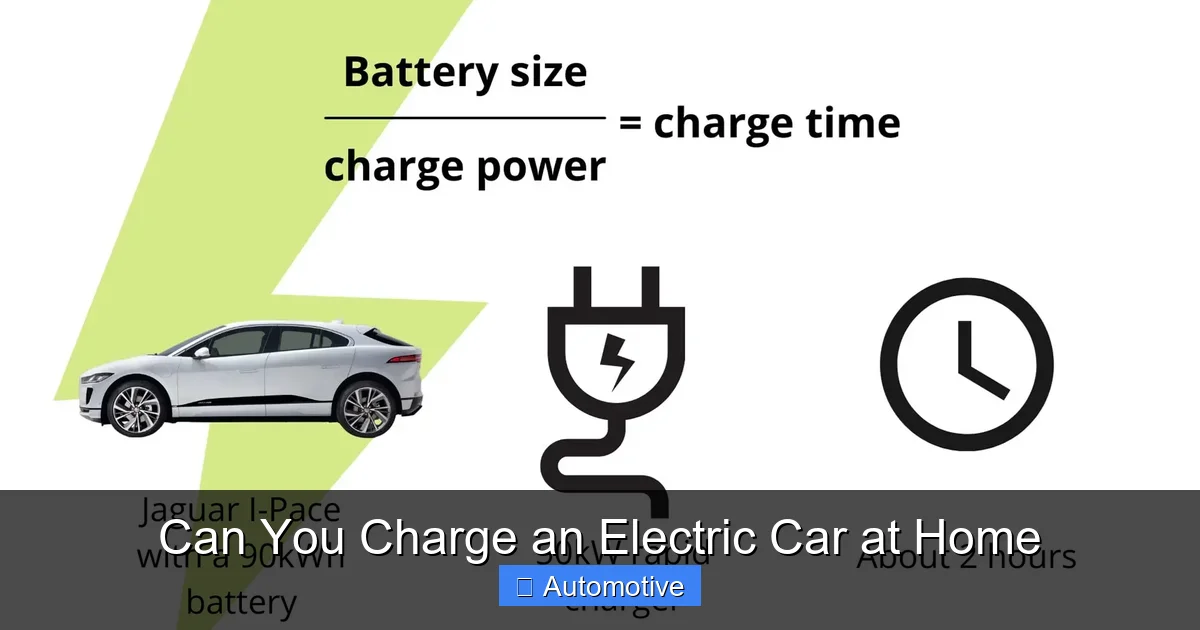
Let’s say your electricity rate is $0.13 per kWh (the U.S. average), and your EV has a 60 kWh battery. A full charge would cost:
60 kWh × $0.13 = $7.80
Compare that to a gas car that gets 25 miles per gallon and gas at $3.50 per gallon. To drive 250 miles, you’d need 10 gallons—costing $35. The EV would cost less than $8 for the same distance.
Off-Peak Charging Saves Money
Many utility companies offer time-of-use (TOU) rates, which charge less for electricity used during off-peak hours (usually overnight). If your rate drops to $0.08 per kWh at night, that same 60 kWh charge would cost just $4.80.
Smart chargers let you schedule charging during these low-rate periods, maximizing savings. Some even integrate with your utility’s program to automatically charge when rates are lowest.
Long-Term Savings
Over time, the savings add up. The U.S. Department of Energy estimates that EV owners save $600 to $1,000 per year on fuel compared to gas cars. When you factor in lower maintenance costs (no oil changes, fewer moving parts), the total cost of ownership is often lower for EVs—even if the upfront price is higher.
Smart Charging Features and Benefits
Modern home chargers aren’t just about speed—they’re also smart. Many come with advanced features that make charging easier, cheaper, and more efficient.
App Control and Monitoring
With a smart charger, you can control and monitor your charging from your smartphone. Apps let you:
– Start or stop charging remotely
– View charging history and energy usage
– Set charging schedules
– Receive notifications when charging is complete
This is especially useful if you want to charge during off-peak hours or avoid overloading your electrical system.
Energy Tracking and Integration
Some smart chargers can track how much energy your EV uses and integrate with your home energy system. For example, if you have solar panels, the charger can prioritize using solar power when it’s available—reducing your reliance on the grid.
Others can sync with home energy management systems to avoid charging during peak demand times, which helps prevent high electricity bills.
Load Management
If your home has limited electrical capacity, load management features can help. These systems monitor your home’s total power usage and temporarily reduce charging speed if other high-demand appliances (like an air conditioner or oven) are running. This prevents tripped breakers and ensures safe operation.
Safety and Best Practices
Charging an electric car at home is safe—when done correctly. But like any electrical system, it requires attention to safety.
Use the Right Equipment
Always use the charger and cable recommended by your car’s manufacturer. Avoid cheap, uncertified chargers that may not meet safety standards. Look for certifications like UL (Underwriters Laboratories) or ETL.
Inspect Cables Regularly
Check your charging cable for damage, fraying, or wear. Damaged cables can cause electric shocks or fires. If you notice any issues, stop using the charger and replace the cable.
Don’t Use Extension Cords
Never use extension cords to charge your EV. They’re not designed to handle the high current and can overheat. If you need more reach, install a longer cable or relocate the charger.
Keep the Area Clear
Make sure the charging area is dry, well-ventilated, and free of clutter. Avoid charging in puddles or wet conditions. If you’re charging outdoors, use a weatherproof enclosure.
Follow Manufacturer Guidelines
Every EV and charger comes with a manual. Read it. Follow the instructions for installation, use, and maintenance. This ensures safe and efficient operation.
Future of Home EV Charging
The future of home charging is bright—and getting smarter every day. As EV adoption grows, so does innovation in charging technology.
Solar Integration
More homeowners are pairing EVs with solar panels. This allows you to generate your own electricity and charge your car for free (after the initial investment). Some systems even let you sell excess power back to the grid.
Vehicle-to-Home (V2H) Technology
Emerging V2H systems let your EV power your home during outages or peak demand times. Imagine using your car’s battery to keep the lights on during a blackout. Companies like Ford and Hyundai are already offering V2H-compatible vehicles and chargers.
Wireless Charging
Wireless EV charging—where you park over a pad that charges your car without cables—is still in development but could become mainstream in the next decade. It’s especially promising for fleets and public parking.
Grid Integration
Smart chargers are becoming part of the broader energy grid. Utilities can signal chargers to reduce power during high demand, helping stabilize the grid. In return, EV owners may receive incentives or lower rates.
Conclusion
So, can you charge an electric car at home? Absolutely—and it’s one of the best reasons to go electric. Home charging is convenient, cost-effective, and increasingly smart. Whether you start with a simple Level 1 outlet or invest in a fast Level 2 charger, you’ll enjoy the freedom of starting each day with a full battery.
With the right setup, charging at home is safe, reliable, and environmentally friendly. And as technology advances, it will only get better. From solar integration to vehicle-to-home power, the future of home EV charging is full of exciting possibilities.
If you’re ready to make the switch, talk to an electrician, explore incentives, and choose a charger that fits your needs. Your driveway could soon be your personal fueling station—no gas required.
Frequently Asked Questions
Can I charge my electric car using a regular outlet?
Yes, you can charge an electric car using a standard 120-volt household outlet. This is called Level 1 charging and is included with most EVs. It’s slow but perfect for overnight charging if you drive short distances.
How much does it cost to install a home EV charger?
The cost to install a Level 2 home EV charger typically ranges from $500 to $1,500, including equipment and labor. Prices vary based on your home’s electrical system and location. Some utility rebates can reduce this cost.
Is it safe to charge an electric car at home?
Yes, home EV charging is safe when done properly. Use certified equipment, avoid extension cords, and have a licensed electrician install the system. Regular maintenance and following manufacturer guidelines also ensure safety.
How long does it take to charge an EV at home?
Charging time depends on the charger type and your car’s battery. Level 1 adds 3–5 miles per hour, while Level 2 adds 20–60 miles per hour. Most EVs fully charge in 4–8 hours with a Level 2 charger.
Can I charge my EV at home if I live in an apartment?
It depends on your building’s setup. Some apartments offer shared charging stations, while others allow tenants to install personal chargers with landlord approval. Check with your property manager and local regulations.
Do I need a special electrical panel to charge an EV at home?
Most modern homes can support a Level 2 charger, but older homes may need an electrical panel upgrade. A licensed electrician can assess your system and recommend any necessary changes before installation.