Can Road Bike Handle Bumps: Smooth Ride Tips

Contents
- 1 Understanding the question: can road bike handle bumps?
- 2 Key factors that decide whether a road bike can handle bumps
- 3 Types of bumps and how a road bike copes
- 4 Tires, pressure, and wheel choices to improve bump handling
- 5 Suspension, accessories, and comfort upgrades
- 6 Riding technique: how to cross bumps safely on a road bike
- 7 Maintenance and post-impact inspection
- 8 Personal experience: what I learned from riding bumps
- 9 Buying and upgrade advice to make your road bike more bump-friendly
- 10 Limits and when to avoid rough surfaces
- 11 Frequently Asked Questions of can road bike handle bumps
- 12 Conclusion


Most road bikes can handle small bumps with the right tires, pressure, and riding technique.
I’ve ridden road bikes for years and tested rough streets, cobbles, and potholes. This guide answers can road bike handle bumps with clear facts, real-world tips, maintenance checks, and upgrades you can trust. Read on to learn when a road bike is safe, what limits it, and how to ride bumps confidently.
Understanding the question: can road bike handle bumps?
When people ask can road bike handle bumps they mean whether a lightweight, skinny-tire bike can safely cross potholes, speed bumps, cobblestones, or rough roads. The short reality is that many modern road bikes can handle small bumps, but success depends on bike setup, speed, and rider technique.
Key idea: a road bike is a tool built for smooth roads. With small changes and smart riding, it can cope with many bumps without damage. This section explains the basics and sets expectations.

Key factors that decide whether a road bike can handle bumps
Several simple parts decide if can road bike handle bumps well. Pay attention to each one.
- Tires and pressure — Wider tires and lower pressure absorb impacts better than skinny, high-pressure ones.
- Wheel strength and rim profile — Stronger rims and correct spoke tension reduce risk of rim damage.
- Frame and fork compliance — Steel and carbon frames differ in how they flex and absorb shock.
- Geometry and clearance — More clearance lets you run bigger tires for a smoother ride.
- Rider weight and technique — How you move and where you put your weight affects impact loads.
- Speed and angle — Fast, controlled crossing often works better than slow, stiff hits.
Each factor matters when answering can road bike handle bumps. Combine the right bits and you increase safety and comfort.
Types of bumps and how a road bike copes
Different bumps need different approaches. Knowing the difference helps you decide whether your road bike can handle bumps on a specific route.
- Potholes — Hitting a pothole dead-on is risky. Lift the front wheel slightly and roll through at steady speed when possible.
- Speed bumps — Slow and centered crossing is safest. Some tall humps may be too much for low-clearance frames.
- Cobblestones — Road bikes can handle cobbles if fitted with wider tires and lower pressure, but it’s jarring for long stretches.
- Gravel or washboard — Fine gravel is manageable. Sharp rocks can pinch or slice skinny tires.
- Curbs and steps — Avoid unless you can bunny hop or have enough clearance.
Practical rule: plan routes and pick lines. If you wonder can road bike handle bumps on a route, evaluate bump type, frequency, and your bike setup.

Tires, pressure, and wheel choices to improve bump handling
Upgrading tires and wheels is one of the best ways to help can road bike handle bumps.
- Tire width recommendations
- 25 mm — Classic road racing tire; least forgiving on bumps.
- 28 mm — Good compromise for mixed roads.
- 30–32 mm — Best choice for comfort and safety on rough urban routes.
- Tire pressure tips
- Lower pressure improves comfort and grip.
- Typical range: 80–110 psi for 25 mm; 60–85 psi for 28–32 mm depending on rider weight.
- Tubeless and puncture protection
- Tubeless setups allow lower pressures without pinch flats and improve bump compliance.
- Puncture-resistant layers add weight but increase reliability on rough roads.
- Wheel strength
- More spokes and wider rims raise resilience to impacts. Stiffer wheels resist rim dents.
These choices directly affect whether can road bike handle bumps comfortably and safely.

Suspension, accessories, and comfort upgrades
You don’t always need a suspension fork to help can road bike handle bumps. Small upgrades go a long way.
- Padded bar tape and ergonomic hoods — Reduce hand fatigue from repeated impacts.
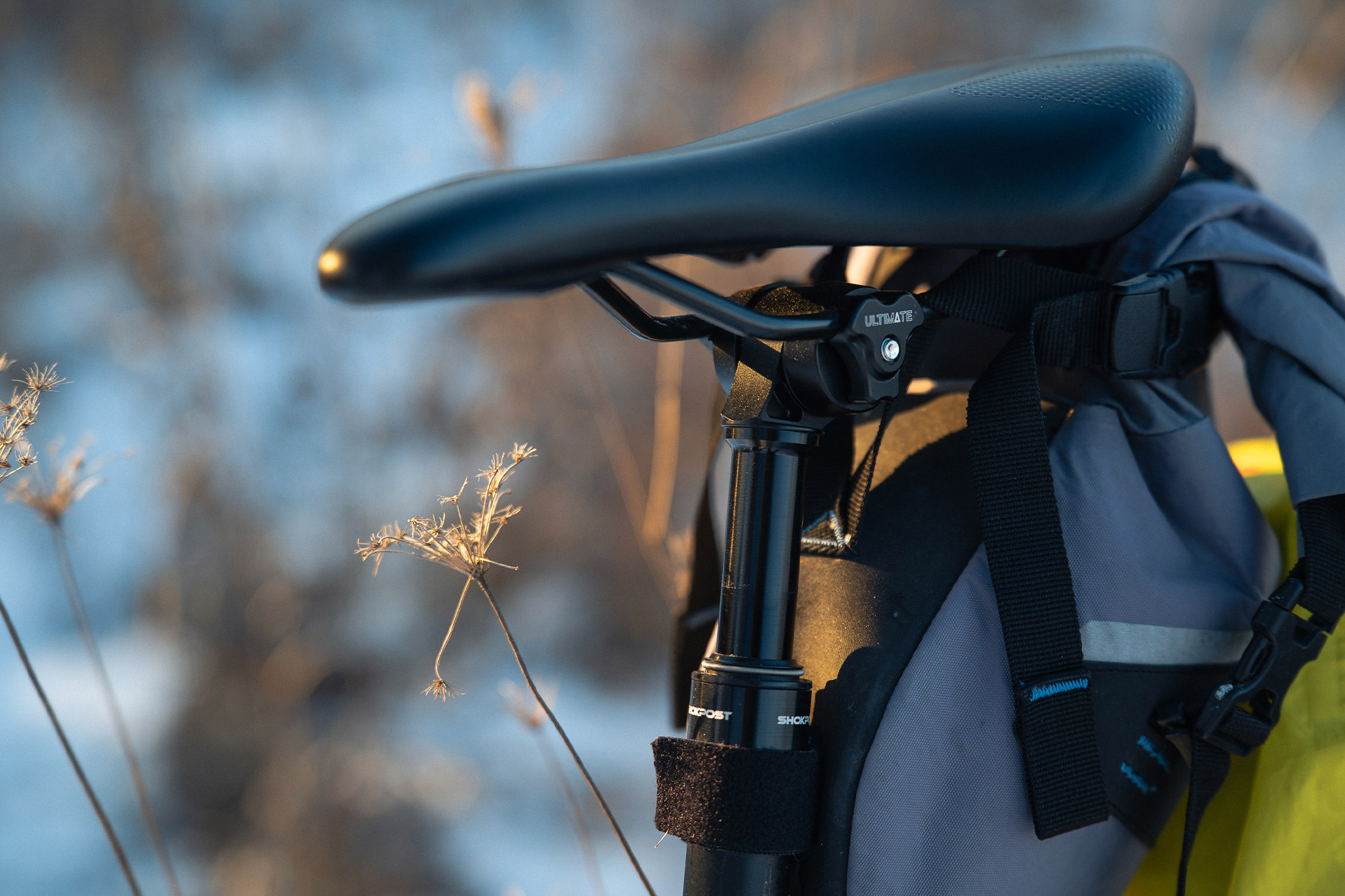
- Suspension seatpost or iso-speed seatpost — Adds measurable comfort on bumpy routes.
- Fork and headset maintenance — Properly lubricated and adjusted parts move and absorb better.
- Wider handlebars and softer gloves — Improve control and reduce jarring to the hands.
- Micro-suspension stems — Some stems offer tiny flex that soaks up hits without a full fork.
Combine a few upgrades for big comfort gains without changing bike identity.

Riding technique: how to cross bumps safely on a road bike
Technique is the most powerful tool for answering can road bike handle bumps. Use the bike, don’t fight it.
- Look ahead — Spot bumps early to pick a smooth line.
- Relax your grip — A loose upper body absorbs shocks better than a death grip.
- Weight distribution — Shift weight back slightly on big impacts to protect wheels.
- Feather the brakes — Brake before the bump, not on it.
- Lift the front wheel slightly — A small pop can avoid hard impacts on the fork.
- Roll through at steady speed — Hitting at a consistent pace reduces sudden force.
Practice these moves at low speed first. Good technique cuts damage risk and raises confidence that can road bike handle bumps.
Maintenance and post-impact inspection
After hitting bumps, quick checks can catch damage early and keep your bike safe.
- Tires and tubes — Look for cuts, bulges, or embedded debris.
- Rims and spokes — Check for dents, cracks, or loose spokes after a hard hit.
- Headset and fork — Test for play, odd noises, or stiffness in steering.
- Frame inspection — Look for hairline cracks, especially near welds or carbon joins.
- Drivetrain and brakes — Ensure nothing shifted or bent from the impact.
If you suspect structural damage, stop riding and get a professional inspection. This protects you and validates whether can road bike handle bumps in the future.

Personal experience: what I learned from riding bumps
I have ridden city streets and cobbled courses on several road bikes. Here is what I learned from real use.
- A bike with 30 mm tires and tubeless setup handled rough roads much better than a race setup with 25 mm tubes.
- After a deep pothole, a quick rim check found a small dent that could have caused a blowout later. Fixing it early saved me from a crash.
- Relaxing my arms and slightly lowering pressure reduced arm numbness on bumpy rides.
- Upgrading to stronger wheels made long gravel detours far less stressful.
These lessons show practical ways to help can road bike handle bumps and keep you riding longer.

Buying and upgrade advice to make your road bike more bump-friendly
If you intend to ride mixed roads, prioritize upgrades that increase safety and comfort.
- Tire and wheel first — Wide tires and stronger wheels give the biggest benefit per dollar.
- Tubeless conversion — Adds protection and allows lower pressures safely.
- Comfort upgrades — Bar tape, saddle changes, and a suspension seatpost add comfort without huge cost.
- Suspension options — Consider a gravel or endurance bike if you face daily rough roads.
Invest smartly. Ask whether can road bike handle bumps after upgrades — often the answer becomes yes.
Limits and when to avoid rough surfaces
Know when to stop and choose a different bike or route. Road bikes have limits.
- Deep potholes or frequent sharp rocks — Can damage rims and tires quickly.
- Long sections of loose gravel — Increase risk of sliding and falls.
- Very tall speed bumps or curbs — May exceed frame or fork clearance.
- Heavy off-road use — Gravel or mountain bikes are better choices.
If you plan long-term riding on rough surfaces, opt for a gravel or touring bike instead of forcing a road bike beyond its design.
Frequently Asked Questions of can road bike handle bumps
How much tire width do I need for rough city streets?
For rough city streets, aim for 28–32 mm tires. Wider tires at reasonable pressure improve comfort and reduce pinch flats.
Will lowering tire pressure help my road bike handle bumps?
Yes. Lower pressure improves shock absorption and grip, but don’t go so low you get pinch flats. Tubeless tires allow lower pressures safely.
Can I install a suspension fork on a road bike?
Most road frames are not built for suspension forks. Consider a gravel or adventure frame designed for suspension or small compliance features instead.
Are stronger wheels worth the cost for bumpy routes?
Yes. Stronger rims and more spokes reduce the chance of rim dents and spoke failures after hard hits. They are a good upgrade for rough roads.
Is it safe to ride a road bike over cobblestones?
Short cobbled sections are manageable with wider tires and relaxed technique. Long cobbled stretches are hard on both you and the bike; use a more suitable bike if possible.
How do I check for hidden damage after hitting a big bump?
Inspect tires, rims, spokes, headset play, and frame for cracks or dents. If unsure, get a professional shop to do a safety check.
Conclusion
Road bikes can handle bumps when you match the bike to the route, use proper tires and pressure, apply the right riding technique, and do routine maintenance. Small upgrades like wider tires, tubeless setups, and comfort accessories deliver big improvements. If rough roads are common, consider a gravel or endurance bike built for those conditions. Try the tips here, inspect your bike after hard hits, and choose upgrades that fit your riding style. Share your bumps-and-rides story below or subscribe to get more real-world bike advice and setup ideas.