Can I Sell a Car I Just Bought
You absolutely can sell a car you just bought, but it’s not as simple as handing over the keys. The process depends on your state’s laws, how you financed the vehicle, and whether the title has been transferred. With the right preparation, you can resell quickly—even within days—while avoiding legal or financial pitfalls.
So, you just drove off the lot in a shiny new (or new-to-you) car—only to realize it’s not the right fit. Maybe the fuel economy is worse than expected, the backseat is too cramped, or you simply changed your mind. Whatever the reason, you’re now wondering: *Can I sell a car I just bought?*
The short answer is yes—but it’s not as simple as posting a “For Sale” sign in the window. Selling a car shortly after purchase involves legal, financial, and logistical steps that vary by state and situation. Whether you bought from a dealership or a private seller, financed the vehicle, or paid cash, there are rules and best practices to follow. The good news? With the right approach, you can resell your car quickly, minimize losses, and avoid headaches down the road.
In this guide, we’ll walk you through everything you need to know about selling a car you just bought—from understanding your legal rights to maximizing your resale value. Whether you’re flipping a vehicle for profit or simply cutting your losses, this comprehensive breakdown will help you navigate the process with confidence.
In This Article
- 1 Key Takeaways
- 2 📑 Table of Contents
- 3 Understanding Your Legal Right to Sell
- 4 Timing: How Soon Can You Sell?
- 5 Financial Considerations and Potential Losses
- 6 How to Sell Your Car Quickly and Legally
- 7 Alternatives to Selling Immediately
- 8 Real-Life Examples and Tips from Sellers
- 9 Conclusion
- 10 Frequently Asked Questions
Key Takeaways
- You can sell a car immediately after purchase in most states, but you must complete the title transfer and registration first to legally transfer ownership.
- Financing complications may delay your ability to sell—if the car is still under loan, the lender holds the title until the loan is paid off.
- Private sales typically yield higher profits than trading in, but require more effort in marketing, showing, and paperwork.
- Selling too soon may trigger depreciation losses—new cars lose 10–20% of their value the moment they’re driven off the lot.
- Document everything—keep records of the original purchase, repairs, and communication with the buyer to protect yourself legally.
- Check your state’s “cooling-off” period rules—some states allow buyers to return a vehicle within a short window, which could affect resale timing.
- Consider selling online platforms like CarGurus, Autotrader, or Facebook Marketplace to reach more buyers quickly.
📑 Table of Contents
Understanding Your Legal Right to Sell
Before you list your car online or meet with potential buyers, it’s crucial to understand whether you’re legally allowed to sell it. In most cases, the answer is yes—but only after certain conditions are met.
Ownership and Title Transfer
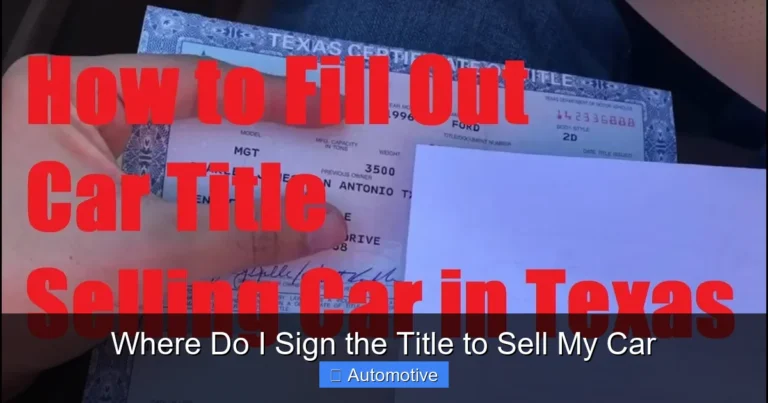
The most important factor is ownership. You can’t legally sell a car unless you hold the title in your name. When you buy a car—whether new or used—the seller (dealer or private party) must sign over the title to you. Once you receive the signed title, you typically have a set number of days (usually 10 to 30, depending on your state) to register the vehicle and transfer the title into your name.
For example, in California, you have 10 days to complete the title transfer after purchase. In Texas, it’s 30 days. If you try to sell the car before the title is officially in your name, you won’t be able to transfer ownership to the buyer, which could lead to legal issues or a failed sale.
Financing and Lienholder Restrictions
If you financed the car through a bank, credit union, or dealership, the lender likely holds the title until the loan is paid in full. This is called a “lien.” While you’re still making payments, the lender technically owns the car, and you’re just the registered user.
In this case, you can still sell the car—but you’ll need to pay off the loan first. Most lenders allow early payoff without penalty, so you can use the sale proceeds to settle the balance. Once the loan is paid, the lien is removed, and the title is released to you (or directly to the buyer, depending on the process).
Some buyers may be willing to take over your loan through a process called “loan assumption,” but this is rare and usually only applies to certain types of financing (like manufacturer-backed loans). Most buyers prefer to secure their own financing, so paying off the loan before selling is often the smoothest path.
State-Specific Rules and Cooling-Off Periods
A few states have “cooling-off” laws that allow buyers to return a vehicle within a short window—typically 24 to 72 hours—after purchase. These laws are rare and usually apply only to specific situations, such as door-to-door sales or high-pressure dealership tactics.
For example, in New York, buyers have a 24-hour right to cancel a contract if the sale occurred away from the dealer’s place of business. However, this doesn’t apply to standard dealership purchases. Always check your state’s Department of Motor Vehicles (DMV) website or consult a local attorney if you’re unsure about your rights.
Timing: How Soon Can You Sell?
Now that you know the legal basics, let’s talk timing. How soon after buying a car can you realistically sell it?
Immediate Sale: Is It Possible?
Technically, yes—you can sell a car the same day you buy it, *if* the title is already in your name and there’s no lien. This is more common with private-party purchases where the seller hands over the title at the time of sale.
For example, if you buy a used car from a neighbor and they sign the title over to you on the spot, you could list it for sale that afternoon. However, if you bought from a dealership, the title transfer process may take a few days, especially if the dealer needs to process paperwork or wait for manufacturer approval.
Dealer Purchases and Title Delays
When you buy from a dealership, the title transfer isn’t always instant. The dealer may need to submit paperwork to the DMV, wait for processing, or coordinate with the manufacturer (in the case of new cars). This can take anywhere from a few days to a couple of weeks.
During this time, you may receive a temporary registration or paper license plate, but the title won’t be in your name yet. Until it is, you can’t legally sell the car. So if you’re planning to resell quickly, ask the dealer upfront how long the title transfer will take.
Private Sales: Faster Turnaround
Private sales often allow for faster resale because the title is transferred directly between buyer and seller. If you buy a car from an individual and complete the transaction with a signed title and bill of sale, you can list it immediately—assuming you’ve registered it in your name.
Just remember: even in private sales, you must follow your state’s registration rules. For instance, in Florida, you have 30 days to register a newly purchased vehicle. Selling before registration isn’t illegal, but it could complicate the transfer process for the buyer.
Financial Considerations and Potential Losses
Selling a car soon after buying it almost always means taking a financial hit. Here’s what to expect—and how to minimize the damage.
Depreciation: The Instant Drop in Value
New cars are notorious for depreciating the moment they’re driven off the lot. On average, a new vehicle loses 10–20% of its value in the first year, with the biggest drop happening within the first few months. If you sell a new car within days or weeks of purchase, you could lose thousands of dollars.
For example, if you buy a $30,000 sedan and drive it for two weeks, it might be worth only $25,500 on the resale market—a $4,500 loss. Used cars depreciate more slowly, but they still lose value over time.
Taxes, Fees, and Registration Costs
When you buy a car, you typically pay sales tax, registration fees, and possibly a title fee. These costs are usually non-refundable, so selling quickly means you’ll lose that money.
In some states, you may be eligible for a partial tax refund if you sell the car within a certain timeframe. For example, in Arizona, you can apply for a tax credit if you sell a vehicle within 90 days of purchase. Check your state’s tax authority for details.
Financing and Early Payoff Penalties
If you financed the car, paying off the loan early could save you interest, but some lenders charge prepayment penalties. These are more common with subprime loans or longer-term financing. Before selling, review your loan agreement or contact your lender to confirm whether penalties apply.
Even if there’s no penalty, you’ll still lose the interest you’ve already paid. For example, if you financed $25,000 at 6% APR and paid $300 in interest over two months, that’s $300 you won’t get back.
Opportunity Cost and Market Timing
The used car market fluctuates based on supply, demand, and seasonality. Selling during peak seasons—like spring or summer—can help you get a better price. Conversely, selling in winter or during an economic downturn may result in lower offers.
If you’re not in a rush, waiting a few months could improve your resale value. But if you need to sell quickly, be prepared to accept a lower offer.
How to Sell Your Car Quickly and Legally
Once you’ve decided to sell, the next step is executing the sale efficiently and legally. Here’s how to do it right.
Prepare the Paperwork
Gather all necessary documents before listing your car:
– Signed title (in your name)
– Bill of sale (required in most states)
– Vehicle history report (e.g., Carfax or AutoCheck)
– Maintenance records (if available)
– Odometer disclosure statement (federally required for vehicles under 10 years old)
– Release of liability form (to protect you after the sale)
Having these ready speeds up the process and builds buyer trust.
Set a Competitive Price
Research similar vehicles on sites like Kelley Blue Book, Edmunds, or Autotrader. Price your car fairly—don’t overvalue it just because you just bought it. Buyers will compare your listing to others, and an overpriced car will sit on the market.
Consider pricing slightly below market value if you want a quick sale. For example, if similar cars are listed at $22,000, list yours at $21,500 to attract more interest.
Choose the Right Sales Channel
You have several options for selling your car:
– **Online marketplaces**: Facebook Marketplace, Craigslist, Autotrader, Cars.com, and CarGurus are popular choices. They offer wide reach but require you to manage inquiries and showings.
– **Sell to a dealer**: Trade-in or sell directly to a dealership. This is the fastest option but usually yields the lowest price.
– **Instant offer services**: Companies like CarMax, Carvana, or Vroom offer quick online quotes and pickup. Convenient, but often lower than private sale prices.
– **Auction sites**: eBay Motors allows you to sell to the highest bidder, but fees and shipping can eat into profits.
For maximum profit, private sales are best. For speed and convenience, dealers or instant buyers are better.
Market Your Car Effectively
Take high-quality photos from multiple angles—inside and out. Write a clear, honest description highlighting key features, recent maintenance, and reason for selling. Be upfront about any flaws to avoid disputes later.
Use keywords like “low mileage,” “clean title,” “one owner,” or “well-maintained” to improve search visibility on listing sites.
Complete the Sale Safely
When meeting buyers, choose a public place during daylight hours. Bring a friend if possible. Accept secure payment methods like cashier’s checks or bank transfers—avoid personal checks or cash for large amounts.
Once payment is received, sign the title over to the buyer, complete the bill of sale, and submit a release of liability to your state’s DMV. This protects you from liability if the car is involved in an accident after the sale.
Alternatives to Selling Immediately
If selling right away feels too rushed or costly, consider these alternatives.
Trade-In at a Dealership
If you’re buying another car, trading in your current vehicle can simplify the process. Dealers handle the paperwork, and you can apply the trade-in value toward your next purchase. However, trade-in values are typically lower than private sale prices.
Lease Takeover
If you leased the car, you may be able to transfer the lease to someone else. This is called a lease assumption. The new lessee takes over your payments, and you’re released from the contract. Not all leases allow this, so check your agreement.
Wait and Reassess
Sometimes, giving yourself a few weeks to adjust can make a big difference. You might realize the car grows on you, or you find ways to adapt to its quirks. If you’re unsure, take it for a longer test drive or use it for a weekend trip before deciding to sell.
Real-Life Examples and Tips from Sellers
Let’s look at a few real-world scenarios to illustrate how this plays out.
Example 1: The Impulse Buy
Sarah bought a luxury SUV on a whim during a weekend sale. After two weeks, she realized the fuel costs were too high for her commute. She listed it on Facebook Marketplace, priced it $3,000 below market value, and sold it within five days. She lost $4,200 due to depreciation and fees but avoided further monthly costs.
Example 2: The Financed Flip
Mike financed a used truck for $18,000. After a month, he found a better deal on a similar model. He paid off the loan early (no penalty), listed the truck on Autotrader, and sold it for $17,500. His net loss was $500, but he upgraded to a more reliable vehicle.
Pro Tips from Experienced Sellers
– “Always get a pre-purchase inspection before buying—even if you plan to sell soon.”
– “Keep the car clean and detailed. First impressions matter.”
– “Respond to inquiries within hours. Serious buyers move fast.”
– “Be honest about the car’s condition. It builds trust and avoids returns.”
Conclusion
Selling a car you just bought is not only possible—it’s a common scenario for many drivers. Whether you made an impulse decision, found a better deal, or simply changed your mind, the key is to act quickly, legally, and strategically. By understanding your state’s title transfer rules, managing financing hurdles, and pricing your car competitively, you can turn a potential setback into a smooth transaction.
While you’ll likely face some financial loss due to depreciation and fees, selling promptly can save you from ongoing costs like insurance, maintenance, and loan interest. And with the right approach—clear photos, honest descriptions, and secure payment methods—you can find a buyer fast.
Remember: the goal isn’t to recoup every dollar, but to make a smart, informed decision that aligns with your needs. Whether you’re flipping for profit or cutting your losses, selling a car shortly after purchase is a manageable process when you’re prepared.
So don’t stress—grab your title, polish the wheels, and get that listing live. Your next chapter (or next car) might be just around the corner.
Frequently Asked Questions
Can I sell a car the same day I buy it?
Yes, you can sell a car the same day you buy it—if the title is already in your name and there’s no lien. This is more common with private-party purchases where the title is transferred immediately.
What if I still owe money on the car?
If you have an outstanding loan, you must pay it off before selling. Use the sale proceeds to settle the balance, then transfer the title to the buyer. Some buyers may take over the loan, but this is rare.
Do I need to register the car before selling it?
You don’t need to fully register it, but the title must be in your name. Most states require registration within 10–30 days of purchase, but you can sell before that deadline as long as ownership is legally transferred.
Will I lose money if I sell a new car right away?
Yes, new cars lose 10–20% of their value immediately after purchase. Selling within weeks could cost you thousands, but it may be worth it if the car isn’t right for you.
Can I sell a leased car?
You can’t sell a leased car outright, but you may be able to transfer the lease to someone else through a lease assumption, if allowed by the leasing company.
What documents do I need to sell my car?
You’ll need the signed title, bill of sale, odometer disclosure, vehicle history report, and a release of liability form. Keep copies for your records.