
How to Sell a Car in Ct

Selling a car in Connecticut doesn’t have to be stressful. With the right preparation, knowledge of state laws, and a clear process, you can complete the sale quickly and legally. This guide walks you through every step—from pricing to paperwork—so you can sell your car with confidence.
[FEATURED_IMAGE_PLACEHOADER]
Thinking about selling your car in Connecticut? You’re not alone. Whether you’re upgrading to a newer model, downsizing, or simply ready to part ways with your current ride, selling a vehicle can feel overwhelming—especially when you’re not sure where to start. But don’t worry. Selling a car in CT doesn’t have to be complicated, stressful, or time-consuming. With the right approach, you can navigate the process smoothly, legally, and even get a fair price for your vehicle.
Connecticut has specific rules and requirements when it comes to transferring vehicle ownership, and understanding them is key to a successful sale. From preparing the right paperwork to knowing when and how to notify the DMV, every step matters. Plus, with today’s digital tools and marketplaces, you have more options than ever—whether you want to sell privately, trade in at a dealership, or use an online car-buying service.
In this complete guide, we’ll walk you through everything you need to know about how to sell a car in CT. We’ll cover pricing strategies, legal requirements, advertising tips, safety precautions, and post-sale responsibilities. By the end, you’ll feel confident and ready to sell your car the right way—without headaches or hidden fees.
Key Takeaways
- Understand Connecticut’s title transfer rules: You must sign over the title correctly and provide a bill of sale to complete the transaction legally.
- Price your car fairly: Use tools like Kelley Blue Book or Edmunds to research market value based on your car’s condition, mileage, and location.
- Prepare necessary documents: Have the title, registration, maintenance records, and emissions test results ready for the buyer.
- Advertise effectively: Use high-quality photos, write a clear description, and list your car on trusted platforms like Craigslist, Facebook Marketplace, or AutoTrader.
- Meet buyers safely: Always meet in public places, bring a friend, and consider using a secure payment method like a cashier’s check.
- Notify the DMV after the sale: Submit a Release of Liability form within 5 days to avoid future fines or liability for the new owner’s actions.
- Consider selling to a dealer or online buyer: If you want speed and convenience, companies like CarMax or Carvana offer instant quotes and fast payouts.
📑 Table of Contents
Step 1: Know Your Car’s Value
Before you even think about listing your car, you need to know what it’s worth. Pricing your vehicle correctly is one of the most important steps in the selling process. If you price it too high, buyers will pass it by. If you price it too low, you’ll lose money unnecessarily. So how do you find that sweet spot?
Start by researching your car’s market value using trusted online tools. Websites like Kelley Blue Book (KBB), Edmunds, and NADA Guides allow you to enter your vehicle’s make, model, year, mileage, condition, and location to get an estimated value. These tools consider local market trends, so a car in Hartford might be priced differently than the same model in New Haven.
For example, a 2018 Honda Civic with 60,000 miles in good condition might be valued at around $16,000 in Connecticut, while a similar car in a warmer climate with lower demand could be worth less. Always choose the “private party sale” option when checking values—this reflects what you’d realistically get from an individual buyer, not a dealership trade-in.
Factor in Condition and Upgrades
Your car’s condition plays a huge role in its value. Be honest with yourself. Is the exterior free of dents and scratches? Are the tires in good shape? Does the interior smell fresh and clean? Any mechanical issues, like a check engine light or transmission problems, will significantly lower the value.
On the flip side, if you’ve made upgrades—like new tires, a premium sound system, or a recent engine tune-up—you can mention these in your listing to justify a higher price. Just don’t overestimate their worth. A $1,000 stereo system might only add $200–$300 to the car’s overall value.
Check Local Listings
Another great way to price your car is by looking at similar vehicles for sale in your area. Search Facebook Marketplace, Craigslist, and Autotrader for cars with the same make, model, year, and mileage. Note the asking prices and see how long they’ve been listed. If a car has been up for weeks, it might be overpriced.
For instance, if you see three 2017 Toyota Camrys with 70,000 miles listed between $14,500 and $15,200, you’ll know your similar car should be priced in that range. This real-world data gives you a competitive edge and helps you set a realistic price that attracts buyers.
Step 2: Gather All Required Documents
Visual guide about How to Sell a Car in Ct
Image source: wheelsforwishes.org
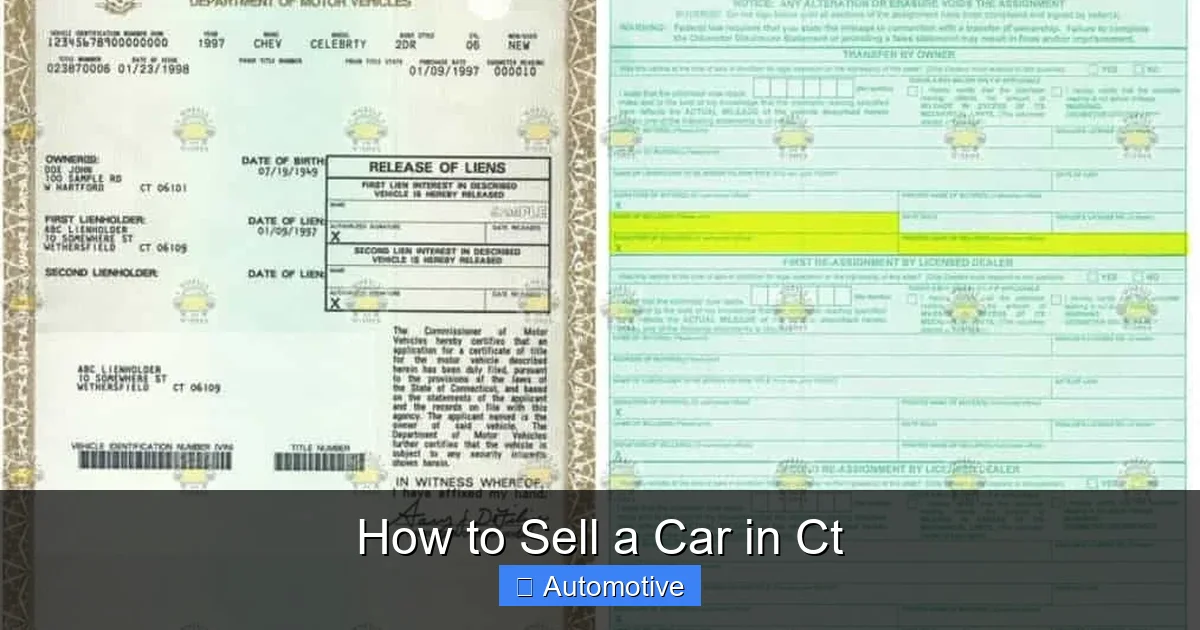
Once you’ve priced your car, it’s time to get your paperwork in order. In Connecticut, certain documents are required to legally transfer ownership of a vehicle. Missing even one can delay the sale or cause legal issues down the road.
Title and Registration
The most important document is the vehicle title. This proves you own the car and have the right to sell it. Make sure the title is in your name and free of liens (meaning you’ve paid off any loans). If there’s a lienholder listed, you’ll need to pay off the loan before selling or work with the lender to complete the transfer.
Your current registration is also helpful, though not always required. It shows the car is legally registered in Connecticut and can reassure buyers that it’s not stolen or abandoned.
Bill of Sale
Connecticut law requires a bill of sale for private vehicle transactions. This document records the sale details, including the buyer’s and seller’s names, addresses, vehicle information (VIN, make, model, year), sale price, and date of transfer. You can download a free CT bill of sale template from the Connecticut DMV website or use a reputable online form.
Both you and the buyer should sign the bill of sale. Keep a copy for your records—it’s proof the sale occurred and can protect you if the buyer fails to register the car later.
Emissions and Safety Inspections
In Connecticut, most vehicles must pass an emissions test every two years. If your car is due for inspection or has recently passed, include the inspection certificate with your paperwork. This shows the car is roadworthy and compliant with state regulations.
While safety inspections aren’t required for private sales, having recent maintenance records—like oil changes, brake repairs, or tire replacements—can boost buyer confidence. It proves the car has been well cared for and reduces concerns about hidden problems.
Odometer Disclosure
Federal law requires you to disclose the vehicle’s mileage at the time of sale. This must be written on the title or a separate odometer disclosure statement. If the odometer is broken or has been replaced, you’ll need to note that as well. Failing to disclose mileage accurately can lead to legal trouble, so be honest and clear.
Step 3: Prepare Your Car for Sale
Visual guide about How to Sell a Car in Ct
Image source: hdcarwallpapers.com
First impressions matter—especially when selling a car. A clean, well-maintained vehicle is more likely to sell quickly and for a higher price. Take the time to detail your car inside and out. It doesn’t have to be perfect, but it should look cared for.
Clean Thoroughly
Start with a professional wash and wax to make the exterior shine. Clean the windows, wheels, and tires. Remove any stickers, dirt, or grime. Inside, vacuum the seats, floor mats, and trunk. Wipe down surfaces with a mild cleaner. Don’t forget the dashboard, cup holders, and door panels.
If there are odors—like smoke, pets, or food—use an odor eliminator or have the car detailed. A fresh-smelling interior makes a big difference to buyers.
Address Minor Repairs
You don’t need to rebuild the engine, but fixing small issues can increase your car’s value. Replace burnt-out light bulbs, fix cracked windshields, or patch small dents. These are relatively inexpensive fixes that show you’ve maintained the vehicle.
If the car needs major repairs—like a transmission rebuild or engine work—be transparent about it. You can either fix it before selling or lower the price accordingly. Most buyers expect some wear and tear, but honesty builds trust.
Take High-Quality Photos
Photos are your car’s first impression online. Take clear, well-lit pictures from multiple angles: front, back, sides, interior, trunk, and engine bay. Use natural light and avoid shadows or glare. Show any flaws honestly—this prevents disputes later.
A good photo set can include:
– Exterior shots in daylight
– Close-ups of the wheels and tires
– Interior views of the dashboard, seats, and back row
– Under-the-hood shot
– Any unique features or upgrades
Avoid using filters or editing that misrepresents the car’s condition. Buyers appreciate transparency.
Step 4: Advertise Your Car Effectively
Visual guide about How to Sell a Car in Ct
Image source: plateshack.com
Now that your car is clean and priced right, it’s time to find a buyer. The way you advertise can make or break your sale. A well-written listing with great photos will attract more interest and help you sell faster.
Choose the Right Platforms
There are several places to list your car in Connecticut:
– **Facebook Marketplace:** Free, easy to use, and popular with local buyers.
– **Craigslist:** Still widely used, especially in cities like Hartford and Bridgeport.
– **Autotrader and Cars.com:** Great for reaching serious buyers, though some charge listing fees.
– **OfferUp and Letgo:** Mobile-friendly apps with local reach.
Start with Facebook Marketplace and Craigslist—they’re free and have large user bases. You can expand to other sites if your car doesn’t sell in a week or two.
Write a Clear, Honest Description
Your listing should include:
– Year, make, model, and trim
– Mileage
– Condition (excellent, good, fair)
– Key features (sunroof, navigation, backup camera, etc.)
– Recent maintenance or repairs
– Reason for selling
– Asking price
Example:
“2016 Subaru Outback, 85,000 miles, excellent condition. All-wheel drive, heated seats, backup camera, and new tires installed last month. Non-smoker, no accidents, regularly serviced at dealership. Selling because I’m moving out of state. $14,900 OBO.”
Avoid vague terms like “runs great” or “must see.” Be specific and factual. Mention any flaws honestly—buyers will find them anyway, and honesty builds trust.
Set a Competitive Price and Be Open to Offers
Price your car fairly, but leave a little room for negotiation. Most buyers expect to haggle, so pricing at $15,000 when you’d accept $14,500 gives you flexibility. Use “OBO” (or best offer) in your listing to invite offers.
Respond to inquiries quickly and professionally. Answer questions about the car’s history, test drives, and availability. The faster and more helpful you are, the more likely you are to close the sale.
Step 5: Handle the Sale Safely and Legally
When a buyer shows interest, it’s time to meet and finalize the sale. Safety and legality are top priorities during this step.
Meet in a Safe, Public Place
Always meet potential buyers in a well-lit, public location—like a police station parking lot, mall, or busy shopping center. Avoid meeting at your home or late at night. Bring a friend or family member for added security.
Some police departments in Connecticut, like those in Hartford and New Haven, offer “safe exchange zones” with cameras and emergency call boxes. Use them if available.
Allow a Test Drive—But Protect Yourself
Most buyers will want to test drive the car. Before they do:
– Verify their driver’s license is valid.
– Have them sign a test drive agreement (available online).
– Accompany them or have a friend ride along.
– Never hand over your keys without supervision.
This protects you in case of an accident or damage during the drive.
Accept Secure Payment
Cash is the safest and most common payment method for private car sales. Count it in front of the buyer to avoid counterfeit bills.
If the buyer wants to pay by check, use a cashier’s check from a local bank. Never accept personal checks—they can bounce. Confirm the check clears before handing over the keys and title.
Avoid wire transfers or online payments like Venmo or Zelle for large amounts. These can be scammed or reversed.
Complete the Title Transfer
At the time of sale, sign the title over to the buyer. In Connecticut, the seller must sign in the “Assignment of Title by Registered Owner” section. The buyer will fill in their information and sign as well.
Make sure the sale price is listed correctly. If you’re accepting less than the listed price, write the actual amount paid.
Give the buyer:
– The signed title
– The bill of sale
– The registration (if available)
– Maintenance records and inspection certificate
Keep copies of everything for your records.
Step 6: Notify the DMV and Protect Yourself
After the sale, your responsibilities aren’t over. You must notify the Connecticut DMV to avoid future liability.
Submit a Release of Liability
Within 5 days of the sale, you must submit a Release of Liability form to the DMV. This form tells the state that you no longer own the vehicle and are not responsible for tickets, accidents, or registration fees after the sale date.
You can file online at the Connecticut DMV website or mail the form. There’s no fee, and it’s a crucial step to protect yourself.
Cancel Your Insurance
Once the car is sold, contact your insurance company to cancel or adjust your policy. You don’t want to pay for coverage on a car you no longer own. If you’re buying a new car, you can often transfer coverage or get a refund for unused premiums.
Remove License Plates
In Connecticut, license plates stay with the seller—not the car. Remove your plates before handing over the vehicle. You can reuse them on a new car or return them to the DMV.
If the buyer wants to use the plates, they must apply for a new registration and pay the fees. Never leave your plates on a sold car—it could lead to misuse or fines.
Alternative Selling Options
If the private sale process feels too time-consuming or risky, consider these alternatives:
Sell to a Dealership
Trading in your car at a dealership is fast and convenient. You won’t get top dollar—dealers need to make a profit—but you save time and avoid the hassle of advertising and meeting buyers.
Bring your car to a few dealerships for appraisals. Compare offers and negotiate. Some dealers may offer bonus trade-in value during promotions.
Use an Online Car Buyer
Companies like CarMax, Carvana, and Vroom offer instant online quotes based on your car’s details. They’ll inspect the vehicle, make an offer, and pay you quickly—often within 24 hours.
These services are ideal if you want a guaranteed sale with minimal effort. Just be prepared for a lower offer than a private sale.
Sell at Auction
If your car is older or has high mileage, selling at a local auction might be an option. Auctions attract dealers and wholesalers looking for bargains. You’ll likely get less than market value, but it’s a quick way to offload the vehicle.
Check with auction houses in Connecticut like Manheim or ADESA for schedules and requirements.
Final Tips for a Smooth Sale
Selling a car in CT can be straightforward if you stay organized and informed. Here are a few final tips to ensure success:
– Be patient. It may take a week or two to find the right buyer.
– Stay calm during negotiations. Don’t feel pressured to accept a low offer.
– Keep records of all communications and documents.
– Trust your instincts. If something feels off, walk away.
– Celebrate! Once the sale is complete, you’ve successfully navigated the process.
Selling your car doesn’t have to be a headache. With preparation, honesty, and the right approach, you can sell your vehicle safely, legally, and for a fair price. Whether you go private or use a dealer, knowing the steps ahead of time makes all the difference.
Frequently Asked Questions
Do I need a bill of sale to sell a car in Connecticut?
Yes, Connecticut law requires a bill of sale for private vehicle transactions. It documents the sale details and protects both buyer and seller. You can download a free template from the CT DMV website.
Can I sell my car if I still owe money on it?
You can sell a car with an outstanding loan, but the lien must be paid off first. Contact your lender to coordinate the payoff and title transfer. Some buyers may agree to pay the lender directly at closing.
How long do I have to notify the DMV after selling my car?
You must submit a Release of Liability form to the Connecticut DMV within 5 days of the sale. This protects you from future fines or liability related to the vehicle.
Do I need to provide an emissions test when selling a car in CT?
While not always required for private sales, including a recent emissions test certificate builds buyer confidence. If the car is due for inspection, mention it in your listing.
Can I sell my car without a title in Connecticut?
No, you must have a valid title to sell a car in Connecticut. If your title is lost, apply for a duplicate from the DMV before listing the vehicle.
What happens if the buyer doesn’t register the car after purchase?
Once you submit the Release of Liability form, you’re no longer responsible. However, it’s wise to follow up with the buyer and keep copies of all sale documents in case of disputes.