
How to Sell a Car to Someone

Selling a car doesn’t have to be stressful or confusing. With the right preparation, clear communication, and attention to detail, you can sell your vehicle quickly, safely, and for a fair price—whether you’re dealing with a private buyer or going through a dealer.
Key Takeaways
- Know your car’s value: Use trusted tools like Kelley Blue Book or Edmunds to price your vehicle accurately based on condition, mileage, and market demand.
- Clean and detail your car: A spotless interior and exterior can increase perceived value and help you get closer to your asking price.
- Gather all necessary documents: Title, registration, maintenance records, and a bill of sale are essential for a smooth transaction.
- Be honest about your car’s condition: Transparency builds trust and reduces the risk of disputes or failed inspections after the sale.
- Meet in a safe, public location: Always prioritize safety when meeting potential buyers—choose well-lit areas like police stations or shopping centers.
- Negotiate wisely: Set a firm minimum price and be prepared to walk away if the offer doesn’t meet your needs.
- Complete the transfer properly: Sign over the title, notify your state’s DMV, and cancel insurance to avoid future liability.
📑 Table of Contents
How to Sell a Car to Someone: A Step-by-Step Guide
So, you’ve decided it’s time to sell your car. Maybe you’re upgrading to something newer, downsizing, or just ready for a change. Whatever the reason, selling a vehicle can feel overwhelming—especially if you’ve never done it before. But don’t worry. With a little planning and the right approach, you can sell your car to someone smoothly, safely, and even profitably.
The process doesn’t have to be complicated. In fact, many people successfully sell their cars every day without any major hiccups. The key is preparation. From pricing your vehicle correctly to handling the paperwork, each step matters. And while it might seem like a lot at first, breaking it down into manageable tasks makes it much easier.
In this guide, we’ll walk you through everything you need to know about how to sell a car to someone. Whether you’re selling to a friend, a stranger, or even trading in at a dealership, these tips will help you navigate the process with confidence. We’ll cover how to prepare your car, where to list it, how to communicate with buyers, and what to do when it’s time to finalize the sale. By the end, you’ll feel ready to hand over the keys and walk away with cash in your pocket—and peace of mind.
Step 1: Determine Your Car’s Value
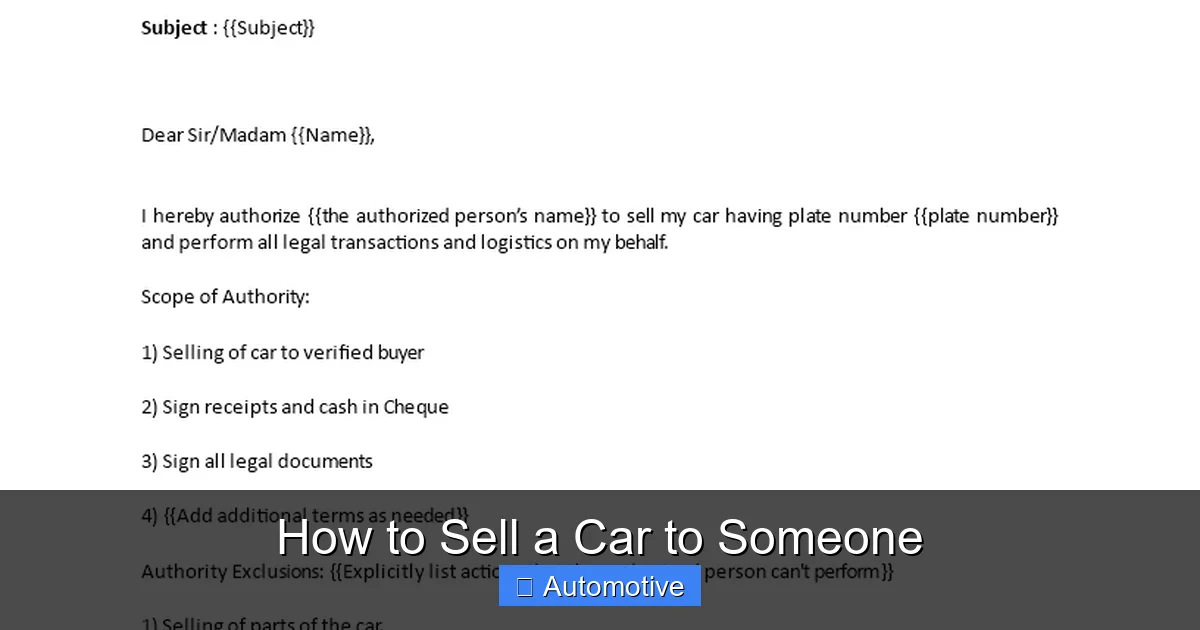
Visual guide about How to Sell a Car to Someone
Image source: bizzlibrary.com
Before you even think about listing your car, you need to know how much it’s worth. Pricing it too high can scare off buyers, while pricing it too low means leaving money on the table. So how do you find that sweet spot?
Start by researching your vehicle’s market value using trusted online tools. Websites like Kelley Blue Book (KBB), Edmunds, and NADA Guides allow you to input your car’s make, model, year, mileage, condition, and location to get an estimated value. These tools consider local demand, seasonal trends, and comparable listings in your area.
For example, a 2018 Honda Civic with 60,000 miles in good condition might be valued at $16,000 in one city but $17,500 in another due to higher demand. Always check multiple sources and compare similar vehicles for sale near you.
Once you have a baseline, adjust based on your car’s specific condition. If you’ve kept up with regular maintenance, have low mileage, or recently replaced major components like brakes or tires, you can justify a higher price. On the flip side, if there are dents, mechanical issues, or high mileage, you may need to lower your asking price.
Pro tip: Set your initial listing price about 10% above your target sale price. This gives you room to negotiate while still ending up at a fair number. For instance, if you want to net $15,000, list it at $16,500. Most buyers expect to negotiate, so starting high helps you meet in the middle.
Consider Private Sale vs. Trade-In
When figuring out your car’s value, also consider your selling method. Selling privately usually gets you more money—often 10–20% more than a trade-in offer from a dealership. However, it requires more effort: advertising, meeting buyers, handling paperwork, and dealing with negotiations.
Trading in your car at a dealership is faster and more convenient, especially if you’re buying a new vehicle. But dealers need to make a profit, so they’ll offer less. If your priority is cash and maximizing value, go private. If you value speed and simplicity, a trade-in might be better.
Keep in mind that some states offer tax benefits when you trade in a car. In many places, you only pay sales tax on the difference between the new car’s price and the trade-in value. This can save you hundreds or even thousands of dollars, so factor that into your decision.
Step 2: Prepare Your Car for Sale
Visual guide about How to Sell a Car to Someone
Image source: quotefancy.com
First impressions matter—especially when selling a car. A clean, well-maintained vehicle signals to buyers that it’s been cared for and is worth the asking price. Think of it like staging a house: you want it to look its best.
Start with a thorough cleaning. Wash the exterior, wax it if possible, and clean the wheels and tires. Don’t forget the windows—both inside and out. A streak-free shine makes a big difference.
Inside, vacuum every corner, wipe down surfaces, and remove any personal items like old receipts, air fresheners, or loose change. Consider using a fabric cleaner for seats and a degreaser for the dashboard and console. If your car has odors—like smoke or pet smells—invest in an odor eliminator or have it professionally detailed.
Address Minor Repairs and Maintenance
You don’t need to rebuild the engine, but fixing small issues can boost your car’s appeal. Replace burnt-out light bulbs, fix cracked windshield wipers, and top off fluids like oil, coolant, and windshield washer fluid. If your tires are worn, consider replacing them—they’re a major safety feature and a visible sign of care.
Even small cosmetic fixes, like touching up paint chips or repairing a cracked dashboard, can make your car look newer. A $50 repair might help you get $500 more in offers.
If your car needs major repairs—like a transmission issue or engine trouble—be honest about it. You can either fix it (which may increase value) or disclose it and adjust your price accordingly. Hiding problems can lead to angry buyers and legal trouble down the road.
Gather Maintenance Records and Documentation
Buyers love seeing proof that a car has been well-maintained. Gather all your service records, receipts for repairs, and any warranty information. If you’ve kept a log of oil changes, tire rotations, or brake jobs, include that too.
Having these documents shows you’ve taken care of the vehicle and can justify a higher price. It also builds trust—especially with used car buyers who are often wary of hidden problems.
Don’t forget the owner’s manual, spare keys, and any accessories like floor mats or a car cover. These small extras can tip the scales in your favor during negotiations.
Step 3: Create an Effective Listing
Visual guide about How to Sell a Car to Someone
Image source: sellmax.com
Now that your car is clean and ready, it’s time to sell it. The first step is creating a compelling online listing. Most private car sales happen through websites like Craigslist, Facebook Marketplace, Autotrader, or Cars.com.
Your listing should include a clear, honest description and high-quality photos. Start with a strong headline that includes the year, make, model, and a key selling point—like “2019 Toyota Camry LE – Low Miles, Excellent Condition.”
In the description, highlight the car’s best features: fuel efficiency, safety ratings, technology (like Apple CarPlay or backup camera), and recent upgrades. Be upfront about any flaws, but frame them positively. For example, instead of “small dent on rear bumper,” say “minor cosmetic wear on rear bumper—otherwise in great shape.”
Take Great Photos
Photos are your first chance to grab a buyer’s attention. Take pictures in good natural light—early morning or late afternoon works best. Avoid harsh midday sun, which creates shadows.
Shoot from multiple angles: front, back, both sides, interior (dashboard, seats, trunk), engine bay, and close-ups of tires and wheels. Include photos of any damage so buyers know what to expect.
Use a clean background—avoid cluttered driveways or busy streets. A simple, neutral setting makes your car stand out.
Pro tip: Take a short video walkaround. Many buyers appreciate seeing the car in motion, hearing the engine start, and getting a feel for the interior. You can upload it to YouTube or include it in your listing.
Set a Competitive Price and Be Responsive
Once your listing is live, monitor it regularly. Respond to inquiries quickly—within a few hours if possible. Buyers often contact multiple sellers, and a slow response could cost you the sale.
When answering questions, be friendly and informative. Provide additional details about the car’s history, condition, and why you’re selling. If someone asks about mileage or fuel economy, give them exact numbers.
Avoid lowball offers by setting a firm minimum price in your mind. If someone offers significantly less than your target, politely decline or counter with a reasonable number. Remember, you don’t have to accept the first offer.
Step 4: Communicate Safely with Potential Buyers
When selling a car, you’ll likely interact with several interested buyers. While most are legitimate, it’s important to stay safe—especially when meeting in person.
Always communicate through the platform where you listed the car (like Facebook Messenger or email) until you’re ready to meet. Avoid giving out your personal phone number or home address too early.
Screen Buyers Before Meeting
Ask potential buyers a few questions to gauge their seriousness. For example:
– “Are you looking to buy soon, or just browsing?”
– “Do you have financing ready, or will you be paying cash?”
– “Have you seen similar cars in this price range?”
Serious buyers will have thoughtful answers. If someone seems evasive or pushes for an immediate meeting, proceed with caution.
Meet in a Safe, Public Location
When it’s time to show the car, choose a safe, well-lit, public place. Police stations often have designated “safe exchange zones” with cameras and lighting—perfect for private sales. Shopping centers, banks, or busy parking lots are also good options.
Never meet at your home or a remote location. Bring a friend or family member with you for added security. Let someone know where you’re going and when you expect to return.
During the meeting, stay near your car and avoid letting the buyer drive alone. Offer to accompany them on a test drive, or suggest meeting at a mechanic’s shop for a pre-purchase inspection.
Be Honest and Transparent
Honesty is the best policy when selling a car. If the buyer asks about accidents, repairs, or mechanical issues, answer truthfully. Hiding problems can lead to disputes, failed inspections, or even legal action.
If your car has been in a minor fender bender but was properly repaired, say so. Most buyers appreciate transparency and may still be interested—especially if the price reflects the history.
Remember, a trustworthy seller is more likely to close the deal.
Step 5: Negotiate and Finalize the Sale
Negotiation is a normal part of selling a car. Most buyers expect to haggle, so don’t take it personally. Stay calm, confident, and focused on your bottom line.
Start by listening to the buyer’s offer. If it’s close to your target, consider accepting it—especially if the buyer seems serious and ready to move quickly. If it’s too low, counter with a reasonable number.
For example, if your car is listed at $16,500 and the buyer offers $14,000, you might counter at $15,800. Explain your reasoning: “I’ve kept detailed maintenance records, and similar models are selling for $16,000+. I can come down to $15,800 if you’re ready to buy today.”
Accept Secure Payment
Once you agree on a price, it’s time to get paid. Avoid cash for large amounts—it’s risky and hard to verify. Instead, use a secure method like a cashier’s check from a major bank or a wire transfer.
If the buyer insists on cash, meet at a bank so you can verify the bills and deposit them immediately. Never accept personal checks—they can bounce.
For private sales, a bill of sale is essential. This document outlines the sale details: buyer and seller names, car information, sale price, and date. Both parties should sign it. You can find free templates online or use your state’s official form.
Transfer Ownership Properly
The most important step after payment is transferring ownership. Sign the title over to the buyer—make sure to fill it out correctly according to your state’s rules. Some states require a notarized signature or odometer disclosure.
Remove your license plates (in most states) and cancel your insurance as soon as the sale is complete. This protects you from liability if the buyer gets into an accident before registering the car.
Finally, notify your state’s DMV that you’ve sold the vehicle. This releases you from responsibility and may prevent future fees or tickets. Some states allow online reporting; others require a form by mail.
Step 6: Post-Sale Considerations
After the sale, take a few final steps to protect yourself and stay organized.
Keep a copy of the bill of sale, title transfer, and any communication with the buyer. Store them in a safe place for at least a year—just in case there’s a dispute or the DMV asks for proof.
If you financed your car, contact your lender to confirm the loan is paid off. Some lenders require a payoff letter before releasing the title.
Lastly, reflect on the process. What worked well? What would you do differently next time? Whether you’re buying a new car or taking a break from driving, selling your old one is a big step—and you’ve handled it like a pro.
Conclusion
Selling a car to someone doesn’t have to be a headache. With the right preparation, clear communication, and attention to detail, you can turn your vehicle into cash quickly and safely. From pricing your car accurately to finalizing the paperwork, each step brings you closer to a successful sale.
Remember: clean your car, be honest about its condition, meet buyers in safe locations, and always transfer ownership properly. These practices not only protect you but also build trust with buyers—making the process smoother for everyone involved.
Whether you’re upgrading to a newer model or simply ready for a change, selling your car can be a rewarding experience. Follow this guide, stay patient, and you’ll be handing over the keys with confidence in no time.
Frequently Asked Questions
How much should I sell my car for?
Use tools like Kelley Blue Book or Edmunds to determine your car’s market value based on its make, model, year, mileage, and condition. Adjust your price based on local demand and any repairs or upgrades.
Can I sell my car if I still owe money on it?
Yes, but you’ll need to pay off the loan first. Contact your lender to get a payoff amount, then use the sale proceeds to settle the debt. Some buyers may agree to pay the lender directly.
Do I need to provide a warranty when selling privately?
No, private sales are typically “as-is,” meaning the buyer accepts the car in its current condition. However, be honest about any known issues to avoid disputes.
What documents do I need to sell my car?
You’ll need the car’s title, registration, bill of sale, maintenance records, and possibly an odometer disclosure. Check your state’s DMV website for specific requirements.
Is it safe to sell my car online?
Yes, as long as you take precautions. Use reputable platforms, meet in public places, bring a friend, and avoid sharing personal information until you’re ready to finalize the sale.
What should I do after selling my car?
Cancel your insurance, remove your license plates, notify the DMV of the sale, and keep copies of all paperwork. This protects you from future liability.