Can I Charge a Dead Car Battery
Yes, you can charge a dead car battery—but it’s not always as simple as plugging in a charger. The success depends on the battery’s condition, age, and why it died in the first place. With proper technique and safety precautions, many dead batteries can be revived and restored to full function.
In This Article
- 1 Key Takeaways
- 2 📑 Table of Contents
- 3 Can I Charge a Dead Car Battery? A Complete Guide
- 4 Understanding Why Car Batteries Die
- 5 Safety First: Preparing to Charge a Dead Battery
- 6 How to Charge a Dead Car Battery: Step-by-Step
- 7 When Charging Won’t Work: Signs You Need a New Battery
- 8 Tips to Prevent Future Battery Death
- 9 Conclusion
- 10 Frequently Asked Questions
- 10.1 Can I charge a completely dead car battery?
- 10.2 How long does it take to charge a dead car battery?
- 10.3 Is it safe to charge a dead battery overnight?
- 10.4 Can I charge a car battery without removing it?
- 10.5 Why does my battery keep dying even after charging?
- 10.6 What’s the difference between a jump-start and charging?
Key Takeaways
- Most dead car batteries can be recharged if they haven’t been completely drained for too long or damaged internally.
- Use a smart charger for best results—it adjusts voltage and current automatically to prevent overcharging.
- Safety first: Always wear gloves and eye protection, and work in a well-ventilated area to avoid acid exposure or gas buildup.
- Jump-starting is a temporary fix—it gets your car running but doesn’t fully recharge the battery.
- Repeated deep discharges shorten battery life—frequent dead batteries may signal a need for replacement.
- Check your alternator—if the battery keeps dying, the problem might not be the battery at all.
- Extreme temperatures affect charging—cold weather reduces battery capacity, while heat accelerates degradation.
📑 Table of Contents
Can I Charge a Dead Car Battery? A Complete Guide
We’ve all been there—turning the key in the ignition, only to hear a faint click or nothing at all. Your car won’t start, and you suspect the battery is dead. The immediate question pops up: Can I charge a dead car battery? The short answer is yes—but with important caveats. Charging a dead battery isn’t just about plugging in a device and waiting. It requires understanding what caused the battery to die, how to safely handle the charging process, and when it’s time to replace the battery instead of reviving it.
Car batteries are essential for starting your engine, powering electronics, and stabilizing voltage in your vehicle’s electrical system. When they fail, it’s not just an inconvenience—it can leave you stranded. But before you panic or rush to buy a new one, know that many dead batteries can be successfully recharged. Whether you’re dealing with a battery that’s simply lost charge due to leaving lights on or one that’s weakened by age, there are steps you can take to bring it back to life. This guide will walk you through everything you need to know about charging a dead car battery, from safety tips to choosing the right charger and understanding when revival isn’t possible.
Understanding Why Car Batteries Die
Before you attempt to charge a dead car battery, it helps to understand why it died in the first place. Not all dead batteries are created equal. Some can be easily revived, while others are beyond repair. The most common reasons for a dead battery include leaving lights or accessories on, extreme weather, a faulty alternator, or simply the natural aging of the battery.
Common Causes of a Dead Battery
- Parasitic drain: Even when your car is off, small amounts of power are used by systems like the clock, alarm, or infotainment. If something draws too much power—like a malfunctioning module—it can drain the battery overnight.
- Leaving lights or accessories on: It’s easy to forget interior lights, headlights, or the radio running after you exit the car. This can drain a battery in just a few hours.
- Extreme temperatures: Cold weather reduces a battery’s ability to deliver power, while heat accelerates chemical degradation inside the battery.
- Aging battery: Most car batteries last 3–5 years. As they age, their capacity to hold a charge decreases, making them more prone to dying.
- Faulty charging system: If your alternator isn’t working properly, it won’t recharge the battery while driving, leading to a gradual drain.
Signs Your Battery Is Truly Dead
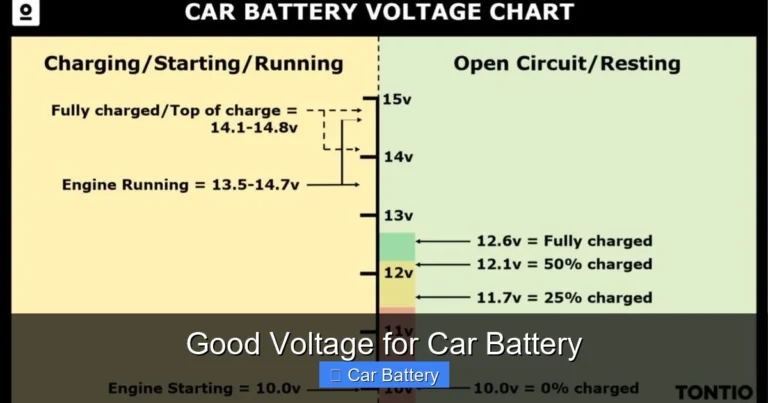
How do you know if your battery is dead or just weak? A completely dead battery typically shows no signs of life—no dashboard lights, no sound when turning the key, and no response from the starter. A weak battery might show dim lights or a slow crank. Use a multimeter to check the voltage: 12.6V or higher means it’s fully charged; 12.0V–12.4V indicates it’s partially charged; below 11.9V usually means it’s deeply discharged or dead.
Safety First: Preparing to Charge a Dead Battery
Charging a dead car battery involves working with electricity and potentially hazardous materials. Safety should always come first. Car batteries contain sulfuric acid and produce hydrogen gas during charging, which can be explosive in confined spaces. Taking the right precautions protects you and your vehicle.
Essential Safety Gear
- Gloves: Use rubber or nitrile gloves to protect your hands from acid and corrosion.
- Safety goggles: Prevent acid splashes from reaching your eyes.
- Ventilation: Always charge in a well-ventilated area—preferably outdoors or in a garage with the door open.
- Fire extinguisher: Keep a Class ABC fire extinguisher nearby in case of sparks or overheating.
Pre-Charging Checklist
Before connecting any charger, inspect the battery for visible damage. Look for cracks, leaks, or bulging sides—these are signs of internal failure and mean the battery should not be charged. Also, check the terminals for corrosion (a white or greenish powder). Clean them with a mixture of baking soda and water, then rinse and dry thoroughly. Never smoke or use open flames near the battery, as hydrogen gas can ignite.
How to Charge a Dead Car Battery: Step-by-Step
Now that you’ve assessed the situation and taken safety precautions, it’s time to charge the battery. The method you choose depends on the tools you have and the severity of the discharge. Below are the most effective ways to charge a dead car battery.
Using a Smart Battery Charger (Recommended)
A smart charger is the safest and most effective way to revive a dead battery. These devices automatically detect the battery’s voltage and adjust the charging rate accordingly. They also prevent overcharging, which can damage the battery.
Steps:
- Turn off the charger and unplug it from the wall.
- Connect the red (positive) clamp to the positive terminal (+) of the battery.
- Connect the black (negative) clamp to the negative terminal (–).
- Plug in the charger and turn it on. Select the appropriate mode (e.g., “dead battery” or “recondition” if available).
- Let it charge for several hours. Most smart chargers will indicate when the battery is fully charged.
- Disconnect the charger, starting with the black clamp, then the red.
Tip: Some smart chargers have a “recondition” or “desulfation” mode that helps break down sulfate crystals on the plates, which can restore capacity in older batteries.
Jump-Starting: A Temporary Solution
Jump-starting uses another vehicle’s battery to give your dead battery a quick boost. It’s great for getting your car running, but it doesn’t fully recharge the battery. You’ll still need to drive for 20–30 minutes to let the alternator recharge it.
Steps:
- Position the working vehicle close to yours, but don’t let them touch.
- Turn off both engines and engage the parking brakes.
- Connect the red clamp to the dead battery’s positive terminal.
- Connect the other red clamp to the good battery’s positive terminal.
- Connect the black clamp to the good battery’s negative terminal.
- Attach the final black clamp to an unpainted metal surface on your car (like a bolt or bracket)—not the dead battery’s negative terminal.
- Start the working vehicle and let it run for 5 minutes.
- Try starting your car. If it starts, leave it running and disconnect the cables in reverse order.
Warning: Never connect the final black clamp directly to the dead battery’s negative terminal—it can cause a spark and ignite hydrogen gas.
Using a Trickle Charger
A trickle charger delivers a low, steady current over a long period—ideal for maintaining or slowly recharging a dead battery. It’s slower than a smart charger but safer for deeply discharged batteries.
Steps:
- Connect the charger to the battery terminals (red to positive, black to negative).
- Plug in the charger and set it to the lowest amp setting (usually 2 amps).
- Charge for 12–24 hours, checking periodically.
- Disconnect and test the battery with a multimeter.
Tip: Trickle charging is best for batteries that have been dead for a short time. Avoid using it on batteries that have been deeply discharged for days.
When Charging Won’t Work: Signs You Need a New Battery
Not all dead batteries can be saved. If your battery is old, damaged, or has been deeply discharged multiple times, charging may not restore it. Here’s how to tell if it’s time to replace it.
Battery Age and Condition
If your battery is more than 4–5 years old, it’s likely nearing the end of its life. Even if you charge it, it may not hold a charge for long. Look for physical signs like swelling, leaks, or a sulfur smell (like rotten eggs), which indicate internal damage.
Failed Load Test
After charging, have the battery tested at an auto parts store. They’ll perform a load test, which simulates starting the engine. If the voltage drops too low under load, the battery is weak and should be replaced.
Repeated Dead Batteries
If your battery keeps dying despite proper charging, the issue might not be the battery itself. It could be a parasitic drain, a bad alternator, or a faulty voltage regulator. A mechanic can diagnose these issues.
Tips to Prevent Future Battery Death
Once you’ve revived your battery, take steps to avoid the same problem in the future. Prevention is easier—and cheaper—than replacement.
Regular Maintenance
- Check battery terminals monthly for corrosion and clean them as needed.
- Ensure the battery is securely mounted to prevent vibration damage.
- Test the battery and charging system annually, especially before winter.
Driving Habits
- Avoid short trips—they don’t give the alternator enough time to recharge the battery.
- Turn off all lights and accessories before exiting the car.
- Use a battery maintainer if you don’t drive often (e.g., for classic cars or seasonal vehicles).
Climate Considerations
In cold climates, consider using a battery blanket or parking in a garage to keep the battery warm. In hot climates, park in the shade and ensure proper ventilation around the battery.
Conclusion
So, can you charge a dead car battery? Absolutely—most of the time. With the right tools, safety precautions, and a bit of patience, you can revive a dead battery and get back on the road. Smart chargers are your best bet for a full recharge, while jump-starting offers a quick fix. However, if your battery is old, damaged, or repeatedly dying, it’s time to consider a replacement. Regular maintenance and smart driving habits can help extend your battery’s life and prevent future breakdowns. Remember, a little care goes a long way in keeping your car reliable and your battery healthy.
Frequently Asked Questions
Can I charge a completely dead car battery?
Yes, you can charge a completely dead car battery as long as it hasn’t been damaged or deeply discharged for an extended period. Use a smart charger for the best results and monitor the process carefully.
How long does it take to charge a dead car battery?
Charging time depends on the charger and battery condition. A smart charger may take 4–12 hours, while a trickle charger can take 12–24 hours. Deeply discharged batteries may require longer.
Is it safe to charge a dead battery overnight?
It’s safe if you use a smart charger with automatic shutoff. Avoid leaving a basic charger unattended for long periods, as overcharging can damage the battery or cause overheating.
Can I charge a car battery without removing it?
Yes, you can charge a car battery while it’s still in the vehicle. Just ensure the car is off, the terminals are clean, and you follow proper connection procedures to avoid sparks.
Why does my battery keep dying even after charging?
Repeated battery failure may indicate a faulty alternator, parasitic drain, or an aging battery. Have your charging system tested by a professional to identify the root cause.
What’s the difference between a jump-start and charging?
Jump-starting gives your battery a quick boost to start the engine but doesn’t fully recharge it. Charging slowly restores the battery’s full capacity using an external power source.