Can Dogs Get Car Sick?

Contents
- 1 Key Takeaways
- 2 📑 Table of Contents
- 3 Can Dogs Get Car Sick?
- 4 What Is Car Sickness in Dogs?
- 5 Why Do Some Dogs Get Car Sick and Others Don’t?
- 6 How to Prevent and Manage Car Sickness in Dogs
- 7 When to See a Veterinarian
- 8 Real-Life Tips from Dog Owners Who’ve Been There
- 9 Data Table: Common Causes and Solutions for Dog Car Sickness
- 10 Final Thoughts: Helping Your Dog Love the Ride
- 11 Frequently Asked Questions

Windshield Cleaning Tool

Car Body Cover

Dashboard Polish

Power Steering Fluid
Yes, dogs can absolutely get car sick—especially puppies and young dogs—due to an underdeveloped inner ear balance system. Symptoms like drooling, whining, vomiting, or lethargy often signal motion sickness, but with gradual training, short trips, and proper ventilation, most dogs can overcome it. Consult your vet if symptoms persist, as medication or dietary adjustments may help ensure stress-free travels.
Key Takeaways
- Dogs can get car sick due to motion, anxiety, or poor ventilation.
- Start with short rides to help your dog adjust gradually.
- Never feed right before travel to reduce nausea risk.
- Use a secure crate or harness to minimize movement and stress.
- Open windows slightly to improve airflow and reduce dizziness.
- Consult a vet if symptoms persist or worsen.
📑 Table of Contents
- Can Dogs Get Car Sick?
- What Is Car Sickness in Dogs?
- Why Do Some Dogs Get Car Sick and Others Don’t?
- How to Prevent and Manage Car Sickness in Dogs
- When to See a Veterinarian
- Real-Life Tips from Dog Owners Who’ve Been There
- Data Table: Common Causes and Solutions for Dog Car Sickness
- Final Thoughts: Helping Your Dog Love the Ride
Can Dogs Get Car Sick?
Picture this: You’re all packed up, windows down, favorite road trip playlist queued, and your dog is wagging their tail in the backseat, ears flapping in the breeze. It’s the perfect start to a weekend adventure—until halfway through the drive, your pup starts drooling, panting heavily, and then… yep. There it is. The telltale sign of car sickness.
If you’ve ever experienced this moment—equal parts heartbreak and frustration—you’re not alone. Many dog owners assume their pets are just nervous or bored during car rides, but the truth is, dogs can absolutely get car sick. Just like humans, dogs can suffer from motion sickness, especially during their first few trips in the car. It’s more common than you might think, particularly in puppies and younger dogs, though it can affect dogs of any age. The good news? Understanding why it happens and how to manage it can turn those stressful drives into smooth, enjoyable journeys for both you and your furry co-pilot.
What Is Car Sickness in Dogs?
Car sickness in dogs—also known as motion sickness—is a condition where a dog experiences nausea, dizziness, and discomfort due to the mismatch between what their eyes see and what their inner ear (the vestibular system) senses during movement. This sensory confusion is the same reason some people feel queasy on boats or in cars.

Visual guide about Can Dogs Get Car Sick?
Image source: images.petpress.net
How Motion Sickness Works in Dogs
To understand why dogs get car sick, it helps to know a little about how balance and movement are processed in the body. The inner ear contains fluid-filled canals that detect motion and help maintain equilibrium. When a dog is in a moving vehicle, their inner ear senses the motion—turns, stops, acceleration—but their eyes might not see corresponding movement, especially if they’re looking at the backseat or a stationary object. This mismatch sends conflicting signals to the brain, which interprets it as a potential toxin or imbalance, triggering nausea and other symptoms.
Interestingly, puppies are especially prone to motion sickness because their vestibular systems are still developing. Studies suggest that up to 25% of dogs under one year old experience some degree of car sickness. While many outgrow it as they mature, some dogs continue to struggle with it throughout their lives, especially if early experiences were negative or traumatic.
Common Symptoms to Watch For
Recognizing the signs of car sickness early can help you respond quickly and reduce your dog’s discomfort. Symptoms can vary in intensity but often include:
- Excessive drooling – One of the most common early signs.
- Panting or heavy breathing – Even when it’s not hot.
- Whining or restlessness – Your dog may pace, scratch, or seem anxious.
- Lethargy or weakness – Appearing unusually tired or unwilling to move.
- Vomiting – Often the most obvious and distressing symptom.
- Licking lips or swallowing frequently – A subtle sign of nausea.
For example, my friend Sarah’s golden retriever, Max, used to get so sick on short 10-minute drives that she’d arrive at the vet’s office covered in drool and vomit. It wasn’t until she started working with a trainer and using calming techniques that Max began to tolerate car rides. His symptoms didn’t disappear overnight, but they became much more manageable.
Why Do Some Dogs Get Car Sick and Others Don’t?
Not all dogs react the same way to car travel. Some hop in the car with excitement, while others tremble at the sound of the engine. So what makes the difference?
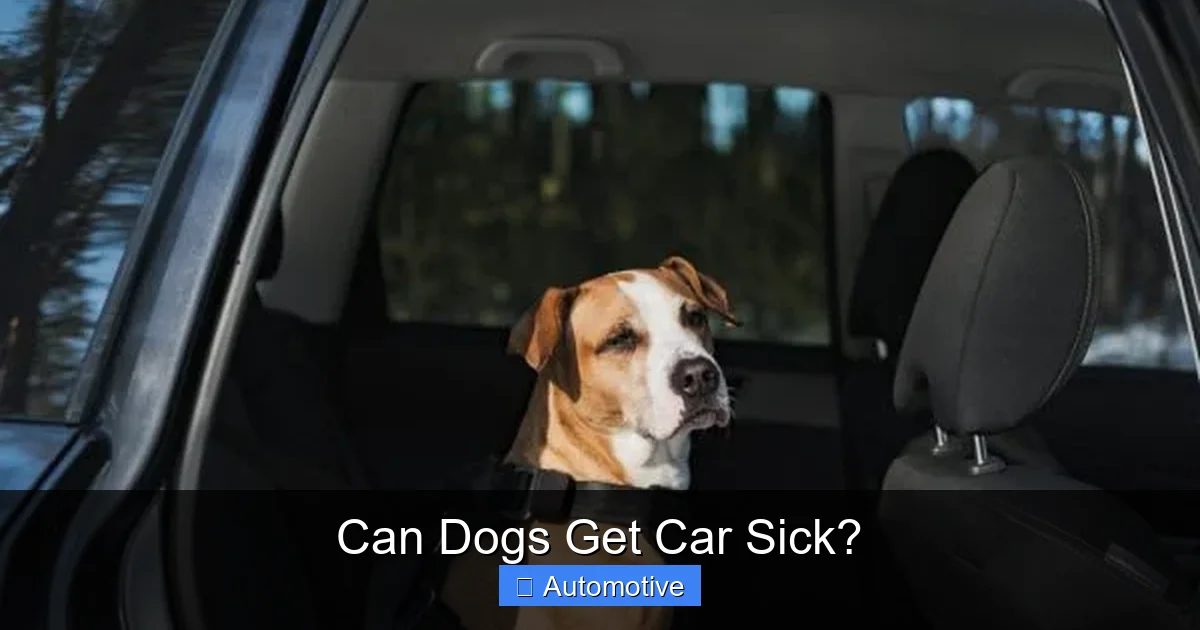
Visual guide about Can Dogs Get Car Sick?
Image source: dogster.com
Age and Development
As mentioned earlier, young dogs—especially puppies under six months—are more likely to experience motion sickness. Their nervous systems are still maturing, and their ability to process motion is not yet fully developed. According to veterinary behaviorists, many dogs naturally outgrow car sickness by the time they’re 12 to 18 months old. However, if a puppy has a particularly bad experience—like vomiting during a long trip—it can create a lasting association between cars and discomfort, making the problem persist.
Breed and Physical Factors
While any dog can get car sick, certain breeds may be more prone due to their anatomy or temperament. Brachycephalic breeds (those with short noses and flat faces), such as Pugs, Bulldogs, and Shih Tzus, often have narrower airways and may breathe less efficiently in stressful situations, which can worsen nausea. Additionally, dogs with sensitive stomachs or pre-existing health conditions like inner ear infections or vestibular disease may be more susceptible.
Temperament also plays a role. Anxious or high-strung dogs are more likely to react strongly to the unfamiliar sensations of movement, loud engine noises, or being confined in a car. On the flip side, calm, confident dogs often adapt more easily.
Past Experiences and Conditioning
Negative associations can make car sickness worse. If a dog’s only car rides have been to the vet, groomer, or kennel—places that often involve stress or discomfort—they may begin to associate the car with unpleasant outcomes. This learned anxiety can amplify physical symptoms, creating a cycle of fear and nausea.
Conversely, dogs that are regularly exposed to positive car experiences—like trips to the park, beach, or dog-friendly cafes—are more likely to view the car as a source of fun, not fear. This is why early, positive conditioning is so important.
How to Prevent and Manage Car Sickness in Dogs
The good news is that car sickness in dogs is manageable—and in many cases, preventable. With the right strategies, you can help your dog feel more comfortable and even enjoy car rides.

Visual guide about Can Dogs Get Car Sick?
Image source: snoozerpetproducts.com
Start with Short, Positive Trips
If your dog is prone to car sickness, begin with very short trips—just a few minutes around the block. The goal is to build positive associations without overwhelming them. Bring their favorite toy or treat, and reward calm behavior. Gradually increase the duration as your dog becomes more comfortable.
For instance, instead of heading straight to the vet, take your dog on a “joy ride” to a nearby park where they can run around and play. Over time, they’ll start to associate the car with fun, not fear.
Use Calming Aids and Supplements
There are several over-the-counter and prescription options that can help reduce anxiety and nausea in dogs:
- Natural calming supplements – Products containing ingredients like L-theanine, melatonin, or chamomile can help ease anxiety. Always consult your vet before use.
- Pheromone sprays or diffusers – Adaptil sprays mimic calming dog pheromones and can be sprayed in the car or on a bandana.
- Prescription medications – For severe cases, your vet may recommend anti-nausea drugs like Cerenia (maropitant) or anti-anxiety medications like trazodone. These are typically used for longer trips or high-stress situations.
Note: Never give your dog human motion sickness medication unless specifically directed by a veterinarian. Many human drugs, like Dramamine, can be toxic to dogs in certain doses.
Optimize the Car Environment
Small changes to your dog’s car setup can make a big difference:
- Secure your dog safely – Use a crash-tested harness, carrier, or dog seatbelt to prevent injury and reduce movement. A stable position helps minimize dizziness.
- Provide good ventilation – Crack a window slightly to allow fresh air to circulate. Stuffy, hot cars can worsen nausea.
- Limit food and water before travel – Avoid feeding your dog a large meal 2–3 hours before a trip. A light snack is fine, but a full stomach increases the risk of vomiting.
- Use a non-slip mat or blanket – This helps your dog feel grounded and reduces sliding, which can be disorienting.
Desensitization and Counter-Conditioning
This behavioral technique involves gradually exposing your dog to the car in a controlled, positive way. Start by simply sitting in the parked car with your dog, offering treats and praise. Then progress to turning on the engine, then driving around the block, and so on. The key is to go at your dog’s pace and never force them.
One dog trainer I spoke with shared the story of a rescue dog named Bella who was terrified of cars. After weeks of desensitization—starting with just sitting in the driveway with the engine off—Bella eventually learned to love road trips. “It’s not about speed,” the trainer said. “It’s about trust.”
When to See a Veterinarian
While occasional drooling or mild anxiety during car rides is normal, persistent or severe symptoms may indicate an underlying issue that requires veterinary attention.
Signs You Should Consult a Vet
- Vomiting every time your dog rides in the car, even on short trips.
- Symptoms that worsen over time instead of improving.
- Signs of pain, disorientation, or balance problems (e.g., stumbling, head tilting).
- Your dog refuses to get in the car or shows extreme fear.
- You suspect an inner ear infection or other medical condition.
Your vet can rule out medical causes like vestibular disease, ear infections, or gastrointestinal issues. They may also recommend behavioral therapy or prescribe appropriate medications.
Medical Treatments and Therapies
In some cases, a combination of medical and behavioral approaches works best. For example, a dog with chronic motion sickness might benefit from a daily anti-nausea medication during travel season, paired with ongoing desensitization training. Vets may also suggest blood work or imaging if they suspect an underlying health problem.
It’s also worth noting that some dogs respond well to alternative therapies like acupuncture or chiropractic care, especially if their discomfort is related to neck or spine alignment affecting the vestibular system.
Real-Life Tips from Dog Owners Who’ve Been There
Sometimes, the best advice comes from fellow pet parents who’ve navigated the bumpy road of car sickness. Here are a few practical tips that have worked for real dogs and their owners:
- “We use a ThunderShirt during long drives.” – Jenna, mom to a nervous Beagle named Milo. The gentle pressure helps calm his anxiety.
- “We stopped feeding him breakfast on travel days.” – Lisa, whose Labrador used to vomit every trip. Skipping the meal made a huge difference.
- “I play calming music in the car—classical or dog-specific playlists.” – Raj, who swears by the “Through a Dog’s Ear” album series.
- “We take frequent breaks on long trips.” – Maria, who stops every two hours so her dog can stretch, drink water, and relieve himself.
These small adjustments, combined with patience and consistency, can transform a stressful car ride into a peaceful journey.
Data Table: Common Causes and Solutions for Dog Car Sickness
| Cause | Symptoms | Recommended Solution |
|---|---|---|
| Motion sickness (vestibular mismatch) | Drooling, vomiting, panting | Short trips, anti-nausea meds, secure seating |
| Anxiety or fear | Whining, trembling, refusal to enter car | Desensitization, calming aids, positive reinforcement |
| Full stomach before travel | Vomiting, restlessness | Feed 2–3 hours before trip; light snack only |
| Poor ventilation or heat | Panting, lethargy, drooling | Crack windows, use AC, avoid midday heat |
| Unsecured movement in car | Dizziness, sliding, panic | Use harness, crate, or seatbelt |
| Negative past experiences | Fear, avoidance, stress | Counter-conditioning, associate car with rewards |
Final Thoughts: Helping Your Dog Love the Ride
So, can dogs get car sick? Absolutely. But that doesn’t mean they have to suffer every time you hit the road. With understanding, patience, and the right tools, most dogs can overcome motion sickness and even come to enjoy car travel.
Remember, every dog is different. What works for one may not work for another. The key is to observe your dog’s behavior, respond with empathy, and take a gradual, positive approach. Whether it’s using calming supplements, practicing short trips, or simply cracking a window for fresh air, small changes can lead to big improvements.
And don’t forget: you’re not just helping your dog feel better—you’re opening the door to more adventures together. From weekend hikes to cross-country road trips, a comfortable car ride means more time exploring the world side by side. So buckle up, roll down the windows, and get ready for the next journey—your dog might just surprise you with how much they love the ride.
Frequently Asked Questions
Can dogs get car sick?
Yes, dogs can definitely get car sick, especially during their first few car rides or on long trips. Symptoms often include drooling, whining, vomiting, and restlessness.
What causes car sickness in dogs?
Car sickness in dogs is usually caused by a disconnect between what their eyes see and what their inner ear senses, similar to motion sickness in humans. Puppies and young dogs are more prone due to underdeveloped balance systems.
How can I tell if my dog has car sickness?
Signs of car sickness in dogs include excessive drooling, panting, vomiting, lethargy, or anxious behavior during car rides. If your dog shows these symptoms regularly, they may be experiencing motion sickness.
Can I prevent my dog from getting car sick?
Yes, you can help prevent car sickness by acclimating your dog to short car rides, keeping the car cool and well-ventilated, and avoiding feeding them right before travel. Some dogs also benefit from vet-recommended motion sickness medications.
Are certain dog breeds more prone to car sickness?
While any dog can get car sick, smaller breeds and puppies tend to be more susceptible due to their developing vestibular systems. However, individual temperament and past experiences also play a big role.
Should I take my dog to the vet for car sickness?
If your dog frequently vomits or shows severe anxiety during car rides, it’s a good idea to consult your vet. They can rule out underlying health issues and may prescribe anti-nausea medication to make travel more comfortable.