
Can Car Oil Expire?

Yes, car oil can expire—even when stored or sitting in your engine. Over time, oil breaks down chemically, loses additives, and collects contaminants, reducing its ability to protect your engine. Understanding oil expiration helps you avoid costly repairs and keep your vehicle running smoothly.
Key Takeaways
- Car oil does expire: Both unused and used motor oil degrade over time due to heat, oxidation, and contamination.
- Unused oil lasts 5–10 years if sealed: Factory-sealed containers preserve oil longer, but once opened, shelf life drops significantly.
- Used oil should be changed every 3,000–7,500 miles: Follow your vehicle’s manual; extreme conditions may require more frequent changes.
- Expired oil loses protective properties: Additives break down, viscosity changes, and sludge can form, harming engine performance.
- Storage conditions matter: Keep oil in a cool, dry place away from sunlight and moisture to maximize shelf life.
- Check for signs of expired oil: Dark color, sludge, unusual odor, or gritty texture indicate it’s time for a change.
- Regular maintenance prevents engine damage: Timely oil changes protect internal components and extend engine life.
📑 Table of Contents
- Can Car Oil Expire? The Surprising Truth Every Driver Should Know
- How Long Does Car Oil Last? Shelf Life vs. In-Engine Life
- What Causes Car Oil to Expire?
- Signs Your Car Oil Has Expired
- How to Store Car Oil Properly
- Should You Use Expired Oil? Risks and Consequences
- Best Practices for Oil Maintenance
- Conclusion: Don’t Let Expired Oil Cost You
Can Car Oil Expire? The Surprising Truth Every Driver Should Know
You’ve probably heard the phrase “change your oil every 3,000 miles” at least a dozen times. But what if your car sits in the garage for months? Or you bought a bottle of oil two years ago and never used it? Does it still work? The short answer is: yes, car oil can expire—even if it’s never been poured into an engine.
Many drivers assume that motor oil, like a sealed bottle of water, lasts forever. But motor oil is far more complex. It’s not just a lubricant; it’s a high-tech blend of base oils and chemical additives designed to fight wear, prevent corrosion, reduce friction, and clean internal engine parts. Over time, those additives degrade, the base oil oxidizes, and contaminants build up—whether the oil is in your engine or sitting on a shelf.
Understanding whether car oil expires isn’t just about saving money—it’s about protecting your engine. Using expired or degraded oil can lead to poor lubrication, increased engine wear, sludge buildup, and even catastrophic failure. In this guide, we’ll explore how long car oil lasts, what causes it to expire, how to tell if it’s gone bad, and how to store it properly. Whether you’re a weekend mechanic or a daily commuter, this knowledge could save you thousands in repair bills.
How Long Does Car Oil Last? Shelf Life vs. In-Engine Life
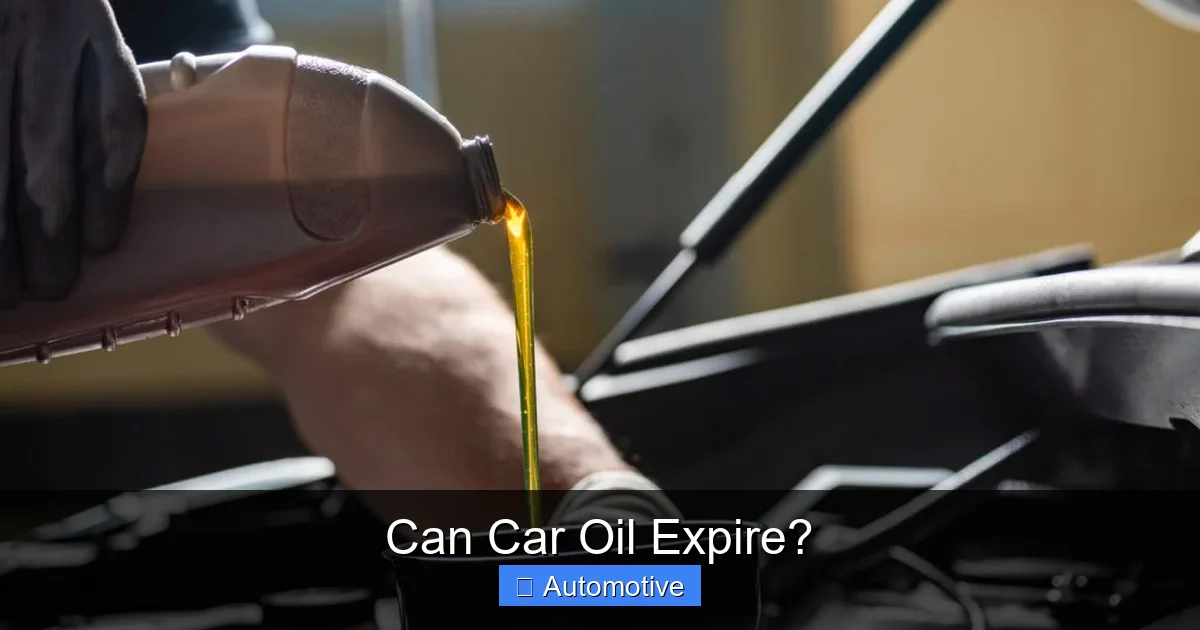
Visual guide about Can Car Oil Expire?
Image source: mycarmakesnoise.com
One of the most common questions about car oil is: how long does it actually last? The answer depends on whether the oil is unused (still in the bottle) or already in your engine. Let’s break it down.
Unused Motor Oil: The Shelf Life Mystery
If you’ve got a sealed bottle of motor oil sitting in your garage, you might be surprised to learn it doesn’t last forever. Most manufacturers and industry experts agree that unused motor oil has a shelf life of **5 to 10 years** when stored properly in its original, unopened container. That’s a wide range, but it’s based on real-world testing and chemical stability data.
Why such a long shelf life? Modern motor oils are formulated with highly refined base oils and stable additive packages. These additives—like detergents, anti-wear agents, and viscosity modifiers—are designed to remain effective for years. As long as the container isn’t compromised, the oil inside resists oxidation and moisture absorption.
But here’s the catch: once you open the bottle, the clock starts ticking. Exposure to air introduces oxygen, which begins the oxidation process. Moisture from humidity can also seep in, especially if the cap isn’t sealed tightly. In these conditions, the oil’s shelf life drops dramatically—often to just **1 to 2 years**, even if it looks fine.
For example, imagine you bought a quart of synthetic oil during a sale two years ago and only used half. The remaining oil, now exposed to air, may have started to degrade. Even if it still looks amber and clear, its protective additives could be breaking down. Using it in your engine might not cause immediate harm, but it won’t offer the same level of protection as fresh oil.
Used Motor Oil: Time and Miles Matter
Once motor oil is in your engine, its lifespan is measured in miles and time—not years. Most vehicle manufacturers recommend changing your oil every **3,000 to 7,500 miles**, depending on the type of oil and driving conditions. But that’s just a guideline.
Conventional oil, the traditional mineral-based oil, typically lasts about **3,000 to 5,000 miles** under normal driving conditions. Synthetic oils, which are engineered for higher performance and stability, can last **7,500 to 10,000 miles** or even longer in some cases. Some high-end synthetic blends are rated for up to **15,000 miles**, but only under ideal conditions.
But here’s the thing: time matters just as much as mileage. Even if you haven’t driven 3,000 miles in six months, your oil may still need changing. Why? Because oil degrades over time due to heat cycles, moisture buildup, and contamination—even when the engine isn’t running.
For instance, if you take short trips around town, your engine may never reach optimal operating temperature. This leads to condensation forming inside the engine, which mixes with the oil and creates acids. These acids break down the oil’s additives and reduce its effectiveness. So, a car that only drives 1,000 miles in six months might actually need an oil change sooner than a car that drives 5,000 miles on long highway trips.
Most experts recommend changing your oil at least **once per year**, even if you haven’t hit the mileage limit. This annual rule helps prevent sludge buildup and ensures your engine stays protected.
What Causes Car Oil to Expire?
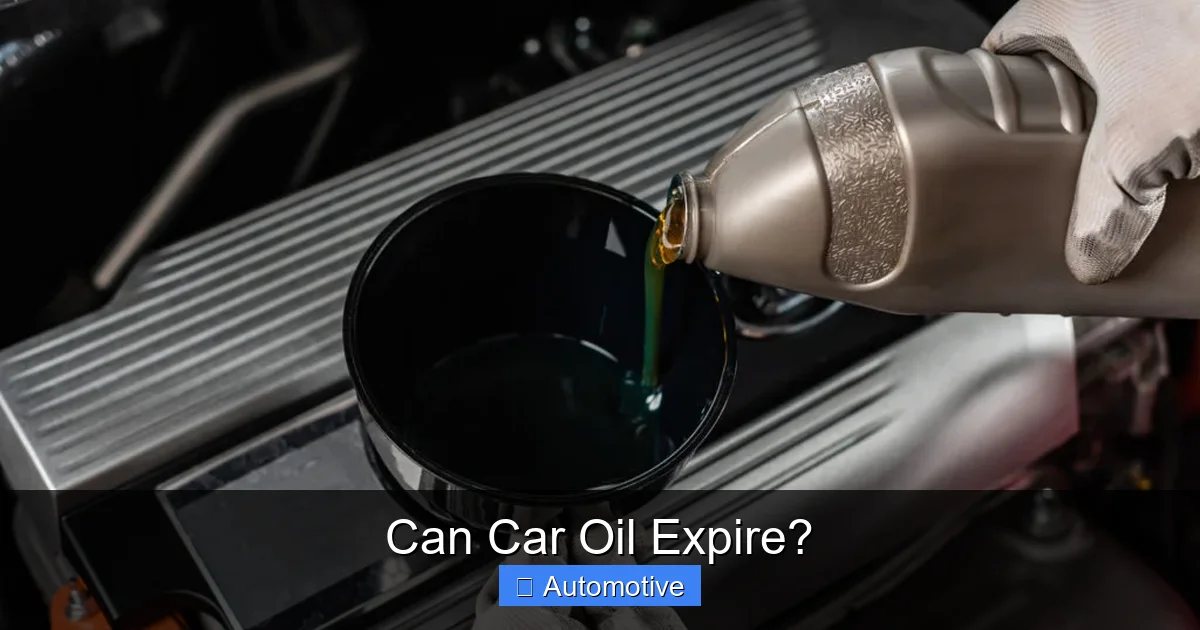
Visual guide about Can Car Oil Expire?
Image source: mycarmakesnoise.com
Now that we know car oil can expire, let’s explore the science behind it. Why does oil break down over time? Several factors contribute to oil degradation, both in storage and in the engine.
Oxidation: The Silent Killer
Oxidation is one of the primary reasons car oil expires. When oil is exposed to oxygen—either in the engine or in an opened container—it undergoes a chemical reaction that changes its structure. This process produces acids, sludge, and varnish-like deposits.
In the engine, oxidation accelerates due to high temperatures. Every time your engine runs, the oil heats up, and hot oil reacts more quickly with oxygen. Over time, this leads to increased viscosity (thicker oil), reduced lubricity, and the formation of harmful byproducts.
Even in storage, oxidation occurs—just more slowly. That’s why opened oil degrades faster than sealed oil. The longer the oil is exposed to air, the more it oxidizes.
Thermal Breakdown: Heat Does a Number on Oil
Engines generate intense heat—often exceeding 250°F (121°C). While modern oils are designed to withstand these temperatures, prolonged exposure causes thermal breakdown. This is when the oil molecules literally break apart under extreme heat, losing their ability to lubricate and protect.
Thermal breakdown is especially common in high-performance engines, turbocharged vehicles, or cars driven in hot climates. It’s also a problem for vehicles that frequently tow heavy loads or drive in stop-and-go traffic, where engines run hotter for longer periods.
When oil thermally breaks down, it becomes thinner and less effective at forming a protective film between moving parts. This increases friction, wear, and the risk of engine damage.
Contamination: Dirt, Fuel, and Moisture
No engine is perfectly sealed. Over time, contaminants find their way into the oil. These include:
– **Combustion byproducts:** Tiny particles of soot and unburned fuel can seep past piston rings and mix with the oil.
– **Dirt and debris:** Air filters aren’t 100% effective, so some dirt enters the engine and contaminates the oil.
– **Moisture:** Condensation forms inside the engine during cold starts, especially in humid climates or during short trips. Water in oil reduces its lubricating properties and promotes rust.
These contaminants don’t just make the oil dirty—they actively degrade it. For example, water reacts with additives to form acids, while soot particles can clog oil passages and reduce flow.
Additive Depletion: The Hidden Problem
Motor oil isn’t just oil—it’s a cocktail of additives that perform specific functions. These include:
– **Detergents:** Keep engine parts clean by preventing sludge.
– **Dispersants:** Suspended contaminants so they don’t clump together.
– **Anti-wear agents:** Form a protective layer on metal surfaces.
– **Viscosity index improvers:** Help oil maintain proper thickness across temperature ranges.
– **Anti-foaming agents:** Prevent air bubbles that reduce lubrication.
Over time, these additives are consumed or broken down. For example, detergents neutralize acids until they’re used up. Anti-wear agents coat engine parts until they’re depleted. Once these additives are gone, the oil can no longer protect your engine—even if it still looks clean.
This is why simply topping off old oil with new oil isn’t enough. The degraded additives in the old oil can still cause problems, and mixing old and new oil doesn’t fully restore protection.
Signs Your Car Oil Has Expired
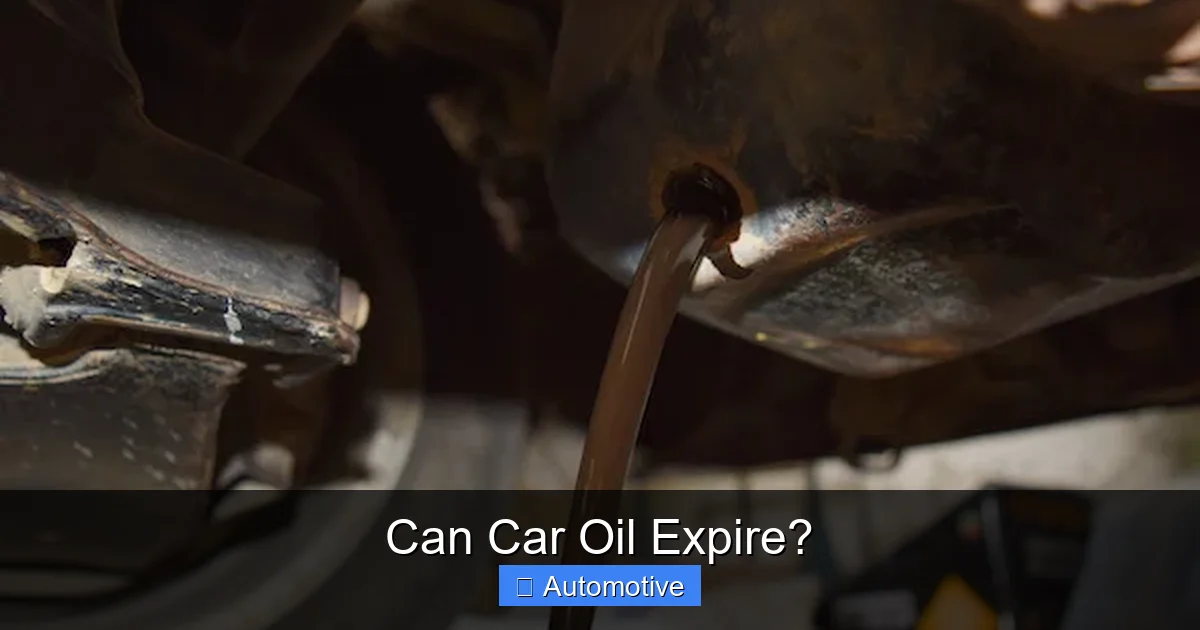
Visual guide about Can Car Oil Expire?
Image source: southdenverauto.com
How can you tell if your car oil has expired? While you can’t always see or smell the chemical changes, there are several warning signs to watch for.
Dark or Sludgy Appearance
Fresh motor oil is typically amber or light brown and translucent. As it ages and collects contaminants, it darkens. But be careful: dark oil isn’t always bad. Some oils are formulated to darken quickly as they trap dirt—this is normal.
The real red flag is **sludge**. Sludge is a thick, gel-like substance that forms when oil oxidizes and mixes with contaminants. It looks like tar or mud and can clog oil passages, reduce flow, and cause engine damage.
If you check your dipstick and see a sticky, black residue that doesn’t wipe off easily, your oil may have expired. Sludge is especially common in engines that go long periods between oil changes or are driven in severe conditions.
Unusual Odor
Fresh oil has a mild, almost chemical smell. If your oil smells burnt, sour, or like gasoline, it’s a sign of trouble. A burnt smell indicates the oil has overheated and broken down. A gasoline smell suggests fuel is leaking into the oil, which dilutes it and reduces viscosity.
These odors are more noticeable when you check the dipstick or change the oil. If you catch a whiff of something off, don’t ignore it.
Gritty or Sandy Texture
When you wipe oil on a clean rag, it should feel smooth. If it feels gritty or sandy, it means contaminants like dirt or metal particles have built up. This is a sign the oil is no longer filtering properly and may be causing wear.
Metal particles, in particular, are a serious concern. They indicate internal engine components are rubbing together without proper lubrication—possibly due to expired oil.
Low Oil Level or Frequent Top-Ups
If you find yourself adding oil more often than usual, it could be a sign the oil is breaking down. Degraded oil may burn faster or leak more easily. While low oil can also be due to leaks or engine wear, it’s worth checking the oil’s condition when you top it off.
Engine Noise or Performance Issues
Expired oil loses its ability to lubricate, which can lead to increased engine noise—like ticking, knocking, or grinding. You might also notice reduced fuel efficiency, sluggish acceleration, or rough idling.
These symptoms don’t always mean the oil is expired, but they’re worth investigating. If your car suddenly feels less responsive, check the oil first.
How to Store Car Oil Properly
If you buy oil in bulk or keep spare bottles, proper storage is key to preventing premature expiration.
Keep It Sealed and Cool
Always store motor oil in its original container with the cap tightly sealed. This minimizes exposure to air and moisture. Keep it in a cool, dry place—like a garage shelf or basement—away from direct sunlight and heat sources.
Avoid storing oil in hot areas like near a furnace, water heater, or in a car trunk during summer. High temperatures accelerate oxidation and degrade additives.
Use It Within a Reasonable Time
Even sealed oil has a shelf life. Try to use opened oil within **1 to 2 years**. If you have old oil, consider using it in a lawnmower, generator, or other small engine where performance demands are lower.
Never use oil that’s been stored for more than 10 years, even if it’s sealed. The additives may have degraded beyond recovery.
Label and Rotate
If you buy oil in bulk, label each container with the purchase date. Use the oldest oil first (first in, first out) to ensure nothing sits too long.
Should You Use Expired Oil? Risks and Consequences
Using expired oil might seem harmless—after all, it’s still oil, right? But the risks are real.
Increased Engine Wear
Expired oil doesn’t lubricate as effectively. This means metal parts rub together with more friction, leading to accelerated wear on bearings, pistons, and camshafts. Over time, this can cause engine damage that’s expensive to repair.
Sludge and Deposits
Degraded oil is more likely to form sludge, which can clog oil galleries and reduce flow. This starves critical components of lubrication and can lead to overheating or seizure.
Reduced Fuel Efficiency
Thick, degraded oil increases internal engine drag, forcing the engine to work harder. This reduces fuel efficiency and increases emissions.
Potential Engine Failure
In extreme cases, using severely expired oil can lead to catastrophic engine failure. Without proper lubrication, components overheat and seize, requiring a full engine rebuild or replacement.
Best Practices for Oil Maintenance
To avoid the risks of expired oil, follow these best practices:
– **Follow your owner’s manual:** Check the recommended oil type and change interval.
– **Use high-quality oil:** Synthetic oils last longer and perform better under stress.
– **Change oil annually:** Even if you don’t drive much, replace oil at least once a year.
– **Check oil regularly:** Look at the dipstick monthly for level, color, and texture.
– **Use an oil filter:** Always replace the filter with every oil change to remove contaminants.
– **Consider oil analysis:** For high-mileage or classic cars, send a sample to a lab to check oil condition.
Conclusion: Don’t Let Expired Oil Cost You
So, can car oil expire? Absolutely. Whether it’s sitting in a bottle or circulating in your engine, motor oil degrades over time due to oxidation, heat, contamination, and additive depletion. Ignoring this fact can lead to increased wear, sludge buildup, and even engine failure.
The good news? Preventing oil expiration is simple. Store unused oil properly, follow your vehicle’s maintenance schedule, and pay attention to warning signs. A little vigilance goes a long way in protecting your engine and saving you money in the long run.
Remember: your car’s engine is its heart, and oil is its lifeblood. Treat it well, and it will keep running strong for years to come.
Frequently Asked Questions
Can I use motor oil that’s 3 years old if it’s still sealed?
Yes, if it’s factory-sealed and stored properly, 3-year-old motor oil is likely still safe to use. However, always check for signs of leakage, cloudiness, or unusual odor before pouring it into your engine.
Does synthetic oil expire faster than conventional oil?
No, synthetic oil typically lasts longer than conventional oil, both in storage and in the engine. Its more stable chemical structure resists oxidation and thermal breakdown better.
Can I mix old and new oil?
It’s not recommended. Mixing degraded oil with fresh oil can reduce overall performance and may not restore lost additives. Always drain old oil completely before adding new.
How often should I check my oil?
Check your oil at least once a month, or before long trips. Look at the level, color, and texture to catch problems early.
What should I do with expired motor oil?
Never pour expired oil down the drain or on the ground. Take it to a recycling center, auto parts store, or hazardous waste facility for proper disposal.
Can expired oil cause my check engine light to come on?
Indirectly, yes. Severe oil degradation can lead to poor engine performance, increased emissions, or sensor issues that trigger the check engine light. Always investigate the cause promptly.
